Table of Contents
ToggleTitle: Exploring the Healing Power of Homeopathic Medicine Aesculus Hippocastanum
Introduction
Aesculus Hippocastanum, known in the homeopathic materia medica as the Horse Chestnut, is a profound remedy derived from a majestic tree native to the Balkan Peninsula. While the raw seeds of this tree are toxic and potentially dangerous if ingested, the homeopathic preparation unlocks a powerful therapeutic potential for specific venous and mucosal conditions. This remedy is primarily associated with a state of venous stasis and engorgement, where pain is characterized by a dull, bursting, or aching sensation that worsens with motion. It serves as a classic example of the homeopathic principle of “like cures like,” using a substance that can cause symptoms in a healthy person to treat similar symptoms in a sick person.
Origin and Botanical Description
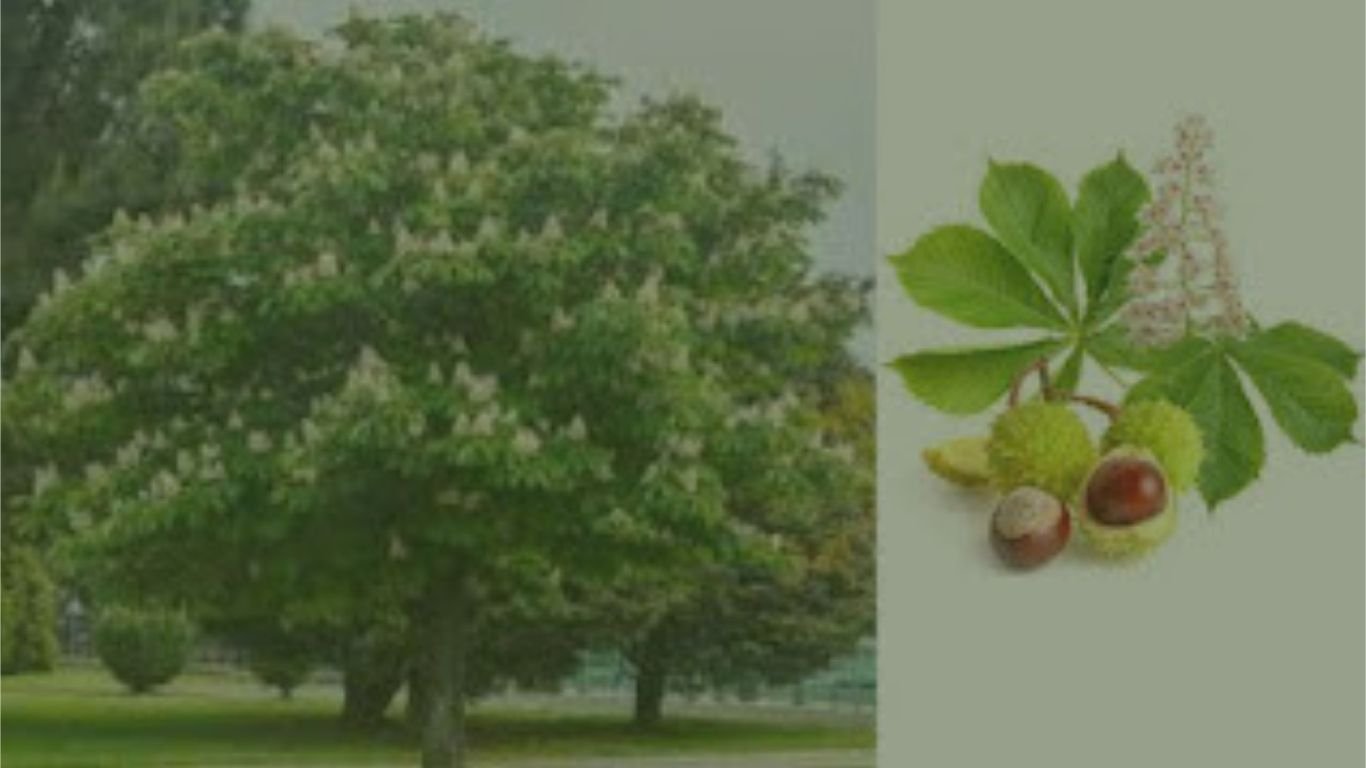
The source of this medicine is the common Horse Chestnut tree, scientifically known as Aesculus hippocastanum. This large, deciduous tree can grow up to 36 meters tall and is a familiar sight in parks and along streets across temperate regions of the world, though it is native to the mountainous regions of southeastern Europe, particularly in parts of Greece, Albania, and Bulgaria. The tree is characterized by its large, domed crown and stout branches. The leaves are opposite and palmately compound, typically consisting of five to seven serrated leaflets that radiate from a central point, giving it a distinctive appearance.
In the spring, the tree produces erect panicles of beautiful white flowers, each marked with a small red or yellow spot that gradually turns pink, creating a striking display. The fruit is a green, softly spiky capsule that contains one to three large, glossy, mahogany-colored seeds, commonly known as conkers. These seeds have a prominent pale scar at their base, giving them a distinctive look. It is the ripe nuts, with the outer shell removed, that are used as the source material for the homeopathic mother tincture. The tree’s bark is also used in herbal preparations, but in homeopathy, the seed is the primary part used.
Preparation of the Homeopathic Remedy
The preparation of Aesculus Hippocastanum in homeopathy follows a specific and meticulous process. The starting material is the fresh, ripe nuts, from which the outer shell is removed. The fresh nuts have a significant moisture content, which is taken into account during preparation. To create the mother tincture (designated by the Greek letter phi, Φ), the nuts are first ground into a coarse powder. This powdered material is then combined with a specific amount of purified water and strong alcohol. The standard preparation for the mother tincture involves macerating 120 ml of the fresh nut’s moisture content with 400 ml of water and 635 ml of strong alcohol, resulting in one thousand millilitres of the mother tincture.
From this mother tincture, subsequent potencies are then made. The process involves a series of dilutions and succussions (vigorous shaking), a process known as potentization. For example, to produce a 2x potency, one part of the mother tincture is mixed with three parts of purified water and six parts of strong alcohol. This is then vigorously shaken to potentize the remedy. Higher potencies, such as 3x and beyond, are typically prepared using dispensing alcohol, which is a mixture of alcohol and purified water. For potencies lower than 3x, the insoluble material may first be triturated (ground by hand in a mortar with lactose sugar) to ensure proper preparation before being converted into a liquid form. This rigorous and standardized method ensures the consistent production of the homeopathic remedy.
Key Symptoms and Clinical Indications
The therapeutic application of Aesculus Hippocastanum in homeopathy is remarkably specific and is guided by the characteristic symptom picture that emerged from homeopathic provings. The remedy’s core action is on the venous system and mucous membranes, where it addresses conditions of congestion, engorgement, and a profound feeling of fullness and aching.
The most prominent and well-known indication for Aesculus is for hemorrhoids (piles). The defining symptom is a painful, aching, and bursting sensation in the rectum, often described as if the rectum is full of sharp sticks or as if “the back is broken.” Patients may find that the hemorrhoids are blind (internal) and cause a constant, dull, and persistent backache, particularly in the sacral region. The pain is typically worse from standing, walking, or sitting, and it often causes the patient to feel a sense of weakness and prostration. The rectal area feels hot, sore, and dry, and there may be a general feeling of fullness and pressure in the pelvic region. Interestingly, the pain often worsens in the afternoon and evening, and relief can sometimes be found from applying cold water or from lying down.
Beyond hemorrhoids, Aesculus is a primary remedy for chronic venous insufficiency and the symptoms associated with varicose veins. This condition is characterized by a feeling of heaviness, tiredness, and aching in the legs. The veins may appear swollen, knotted, and painful, especially after prolonged standing or walking. The patient may also experience itching, tension, and cramps in the calves. This venous congestion is often accompanied by a general feeling of fullness in the head, chest, and abdomen, highlighting the systemic nature of the remedy’s action on the vascular system.
Another significant area of application for Aesculus is in the treatment of nasal catarrh. The symptoms here are as distinctive as those for hemorrhoids. There is a sensation of dryness and heat in the nose and throat, yet the patient experiences a profuse, thick, and tough discharge that is difficult to expel. The posterior nasal passages, or nasopharynx, feel congested, leading to a constant desire to clear the throat. This can cause a sense of rawness and pain, and the patient may also experience a frontal headache. Similar to the rectal symptoms, the nasal symptoms are often worse in the afternoon and on waking in the morning. The overall symptom picture is one of venous engorgement affecting the mucosa of the upper respiratory tract.
Characteristic Modalities and Patient Profile
The homeopathic prescription of Aesculus is refined by understanding the modalities, or the conditions that make the symptoms better or worse. This helps to differentiate it from other remedies. The characteristic modalities for Aesculus Hippocastanum include:
Worse Conditions (Aggravation):
Motion: Any form of motion, whether it be walking, standing, or even just moving the affected part, will typically aggravate the pain. This is a key indication for Aesculus, as the venous stasis worsens with the pull of gravity.
Warmth: Symptoms, particularly the venous congestion and aching pains, are generally worse from warmth and heat.
Afternoon and Evening: Many of the characteristic symptoms, including the headache and rectal pain, tend to worsen during the afternoon and evening hours.
Better Conditions (Amelioration):
Rest: Lying down and resting usually brings some relief to the aching pains.
Cold: The application of cold compresses or cold water to the affected area can soothe the burning and aching sensations.
The Aesculus patient often presents with a specific constitution and mentation. These individuals may experience a feeling of profound weakness and prostration, which can be both physical and mental. There is often a sense of dullness, confusion, or even a low-grade headache that contributes to a general feeling of being unwell. This weakness is closely tied to their physical state; they are worn down by the constant aching and fullness in their body. They may also feel irritable and depressed due to their chronic discomfort.
Potencies, Dosage, and Administration
The selection of the appropriate potency and dosage in homeopathy is a nuanced decision based on the individual patient’s constitution, the intensity of their symptoms, and their general sensitivity. Aesculus Hippocastanum is available in a wide range of potencies, from the lower, more material forms to the higher, more dynamic ones.
Low Potencies (e.g., 3x, 6x, 6c): These are often chosen for more localized, acute conditions, such as the immediate, painful symptoms of hemorrhoids or the discomfort of varicose veins. They tend to act more directly on the physical symptoms. They can be taken more frequently, for example, several times a day, for acute flare-ups.
Medium Potencies (e.g., 12c, 30c): This is a common range for managing chronic conditions. A 30c potency is frequently used for a more constitutional prescription, addressing the underlying venous or catarrhal tendency of the patient. It is typically given less frequently, such as once a day or a few times a week, depending on the patient’s response.
High Potencies (e.g., 200c, 1M, LM): These are reserved for deep-acting, constitutional treatment. A single dose of a high potency can be given, and the patient is observed for a long period to gauge the effect. These potencies are often used by experienced homeopaths for cases that are deeply rooted or where the patient is highly sensitive.
The dosage can vary from a single dose to multiple doses per day. For first aid or acute conditions, a low potency like 6X might be taken every few hours until relief is obtained. For chronic management, a 30C potency might be taken daily or a high potency like LM1 might be taken as a single dose that is repeated only when the action wanes. The key is to match the dose to the individual’s needs and response, always respecting the principle of the minimum dose.
Safety, Side Effects, and Contraindications
It is crucial to distinguish between the raw, unprocessed plant material and the highly diluted homeopathic preparation. The raw seeds, bark, flowers, and leaves of the Horse Chestnut tree are toxic and should never be consumed raw. They contain a harmful component, a saponin called esculin (and other related glycosides), which can cause severe gastroenteritis, muscle weakness, lack of coordination, vomiting, diarrhoea, and, in severe cases, paralysis or even death. The homeopathic mother tincture, while derived from this plant, undergoes potentization where the toxic material is repeatedly diluted. However, even the mother tincture should only be used under the guidance of a qualified homeopath.
For the homeopathic remedy itself, in its diluted forms, it is considered safe when taken as directed. However, some individuals may experience an initial slight aggravation of symptoms, a temporary worsening that is thought to be a sign that the remedy is acting. This is often mild and transient.
When considering the use of Aesculus (particularly in its herbal, non-homeopathic form for oral consumption), there are several important safety considerations. It should be avoided during pregnancy and lactation due to a lack of sufficient safety data. People with liver or kidney disease should also use it cautiously. Side effects from the herbal extract are generally mild and may include gastrointestinal upset, headache, nausea, dizziness, and itching. Serious allergic reactions are rare but can occur. It is always best to consult with a healthcare professional before starting any new treatment, especially if you are taking other medications, to rule out any potential interactions.
Comparisons with Other Homeopathic Remedies
In the homeopathic materia medica, several other remedies share overlapping symptoms with Aesculus Hippocastanum. A skilled homeopath differentiates between them by paying attention to the subtle nuances of each patient’s unique symptom picture. Here are some key comparisons:
Hamamelis Virginiana (Witch Hazel): This is another major remedy for venous problems, including varicose veins and hemorrhoids. Both Aesculus and Hamamelis address venous congestion, but they have distinct characteristics. Aesculus is characterized by a feeling of aching, bursting, and a profound sensation of fullness. Its pain is distinctly worse from motion and tends to be a dull, constant ache. Hamamelis, on the other hand, is marked by a sensation of soreness, bruising, and weakness in the affected parts. The veins feel tired, relaxed, and painful, and there may be a tendency to bleed easily. Hamamelis is also more indicated when there is a history of venous hemorrhage.
Aloe Socotrina (Aloe): This remedy is a frequent comparator, especially for hemorrhoids. Aloe is characterized by a feeling of bearing-down in the rectum, as if it would protrude. The hemorrhoids are usually painful and tender. A key differentiating symptom is the stool: in Aloe, there is a sudden, urgent, and copious diarrheic stool that is often hot and watery. Aesculus is marked by constipation; the stool is hard, dry, and difficult to pass, and the hemorrhoids are often blind and cause a severe backache. Aloe has more of a “pain” in the rectum, while Aesculus has a “bursting and aching” sensation.
Nux Vomica (Poison Nut): Both Aesculus and Nux Vomica are associated with backache and digestive issues, and their patients may be irritable. However, the character and modalities of their pains differ. Aesculus has a dull, aching pain in the sacrum, worsened by motion and standing, with a sense of weakness. Nux Vomica presents with a violent, spasmodic pain in the back, often worse from sitting and when stooping, and better from lying down. The Nux Vomica patient is typically driven, ambitious, and prone to anger, while the Aesculus patient is more worn down and feels a sense of prostration.
Pulsatilla Nigricans (Windflower): While not a direct comparator for hemorrhoids, both remedies address conditions of venous stasis and have a catarrhal tendency. Pulsatilla is indicated for thick, bland, non-irritating discharges (like from the nose or vagina) and its symptoms are changeable and ameliorated by open air. Aesculus has a thick, tough, and scanty discharge that is difficult to expel, with a sensation of dryness and pain, and its symptoms are generally worse from warmth and better from cold. The Pulsatilla patient is often weepy, mild, and seeks consolation, which contrasts with the more weary and depressed Aesculus state.
FAQs about homeopathic medicine Aesculus Hippocastanum
1. What is Aesculus Hippocastanum in homeopathy?
It is a homeopathic remedy made from the fresh seeds (conkers) of the Horse Chestnut tree. In homeopathy, it is primarily used to treat conditions related to venous congestion, such as hemorrhoids and varicose veins, as well as certain types of nasal catarrh.
2. Is it the same as eating raw Horse Chestnuts?
Absolutely not. Raw Horse Chestnuts are toxic and should never be eaten. The homeopathic remedy is made through a process of extreme dilution and potentization (vigorous shaking), which removes the toxicity while retaining the therapeutic properties. You should never consume raw seeds or any unprocessed part of the tree.
3. What is the most common use for this remedy?
Its most famous and common use is for treating hemorrhoids (piles). It is especially indicated when the hemorrhoids cause a dull, aching, or bursting pain in the rectum, often accompanied by a severe, persistent backache in the lower spine (sacrum) that feels like the back is “broken.”
4. Can it help with varicose veins?
Yes, it is a very effective remedy for varicose veins and chronic venous insufficiency. It is often prescribed for people who experience heavy, tired, aching legs with swollen, knotted veins, especially after standing or walking for long periods.
5. What other conditions does it treat?
Beyond venous issues, it is also used for certain types of nasal and throat catarrh. This is characterized by a feeling of dryness and heat in the nose and throat, yet with a thick, tough mucus that is difficult to cough out or blow from the nose.
6. What does the typical Aesculus pain feel like?
The pain associated with this remedy is usually described as a dull, aching, bursting, or sore sensation. It feels like a state of fullness and pressure. Patients often say their rectum feels full of “sharp sticks” or their legs feel like “lead.”
7. What makes the symptoms better or worse?
Symptoms are typically worse from motion (walking, standing, or even moving around), from warmth and heat, and often in the afternoon and evening. Symptoms are generally better from lying down and resting, and from applying cold compresses or cold water to the affected area.
8. What potencies are available and which one should I use?
Aesculus comes in various potencies, such as 6X, 6C, 30C, 200C, and higher. Low potencies (like 6X or 6C) are often used for acute, localized pain. A 30C potency is commonly used for more chronic conditions. It is always best to consult a qualified homeopath for the right potency and dosage for your specific case.
9. How often should I take it?
This depends on the potency and the condition. For an acute flare-up of hemorrhoid pain, a low potency like 6X might be taken every few hours until relief comes. For a chronic issue, a 30C might be taken once a day or less frequently. Follow the advice of a healthcare professional or the instructions on the remedy bottle.
10. Are there any side effects?
When taken in homeopathic potencies, it is generally considered safe with few to no side effects when used as directed. Some individuals might experience a mild, temporary worsening of symptoms (a “homeopathic aggravation”), which is usually a sign that the remedy is working. However, high doses of the raw herb or mother tincture (which is rarely used) can cause stomach upset, nausea, and other issues, so only use the homeopathic dilutions.
11. How is it different from other remedies for hemorrhoids like Hamamelis or Aloe?
While all three can treat hemorrhoids, they have distinct differences. Aesculus has a dull, aching pain with a severe backache and hard, constipated stools. Hamamelis has a bruised, sore feeling with a tendency to bleed easily. Aloe is marked by a bearing-down sensation with a sudden, urgent, and watery diarrhea accompanying the piles. The choice depends on your unique symptom picture.
12. Can I take it alongside my regular medication?
Homeopathic remedies are generally safe to take alongside conventional medicines as they work on a different energetic level and do not typically cause drug interactions. However, it is always wise to inform your doctor or pharmacist about all the supplements and remedies you are taking to ensure complete safety.
13. Who should avoid using this remedy?
The homeopathic remedy in dilutions is safe for most people, including children, when used appropriately. However, it is always best to consult a healthcare provider before using any new remedy if you are pregnant, nursing, or have a serious medical condition. Remember, never use the raw seeds or unproven herbal extracts of the Horse Chestnut internally.
14. How should I store this remedy?
Like all homeopathic remedies, it should be stored away from strong light, heat, and strong-smelling substances (like essential oils, camphor, or mint). It should be kept in a cool, dry place in its original container.
15. How long does it take to work?
For acute conditions like sudden pain from hemorrhoids, relief can often be felt relatively quickly, sometimes within minutes to hours. For chronic conditions like longstanding varicose veins, it may take several days or weeks of consistent use to see a noticeable improvement. The response time varies greatly from person to person.
Conclusion
Aesculus Hippocastanum stands as a significant and valuable remedy in the homeopathic pharmacopoeia. Its power lies in its profound affinity for the venous system and mucous membranes, offering relief for the debilitating aches, congestion, and pains associated with conditions like hemorrhoids and varicose veins. The remedy’s value is enhanced by a deep understanding of its origin, the meticulous process of its preparation, and the distinctive symptom picture that guides its use. While the raw source is a toxic tree, the potentized homeopathic remedy, when prescribed by a skilled practitioner, can gently stimulate the vital force to restore balance and alleviate suffering. Its comparisons with other remedies underscore the individualizing nature of homeopathy, demonstrating that the correct prescription depends not just on the disease, but on the unique and characteristic way it manifests in each person.