
Table of Contents
ToggleHomeopathic Medicine Chaparro Amargoso: A Deep Dive into a Remedy
Homeopathy, a system of alternative medicine founded on the principle of “like cures like,” boasts a vast materia medica filled with remedies derived from plants, minerals, and animals. Among these, Chaparro Amargoso, with its origins in the harsh landscapes of the American Southwest and Mexico, stands out as a fascinating and specific remedy. Known scientifically as Castela texana (and sometimes referred to as Castela tortuosa), this small, thorny shrub offers a powerful lesson in how homeopathy transforms a toxic botanical substance into a nuanced therapeutic agent.
Origin and Botanical Profile
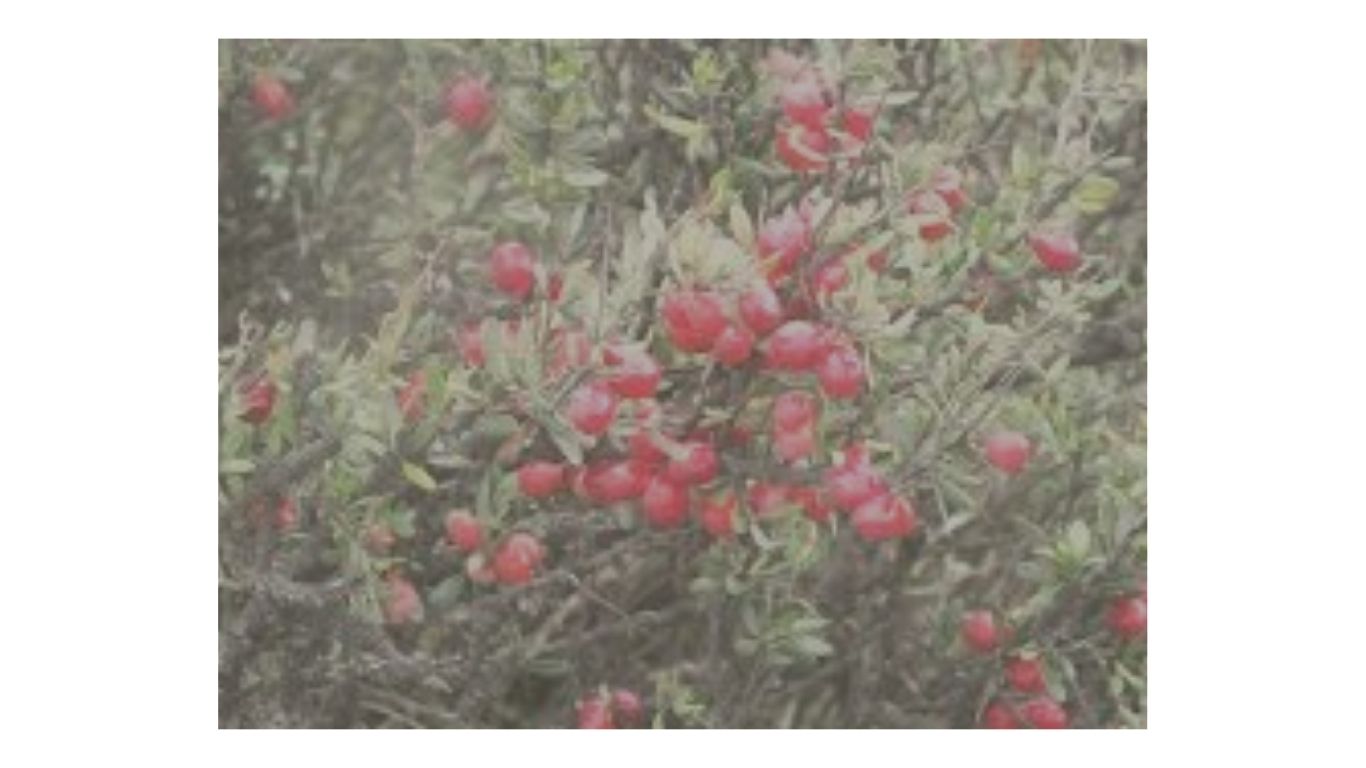
Chaparro Amargoso, whose name derives from the Spanish “chaparro” (meaning a low-growing evergreen oak) and “amargoso” (meaning very bitter), is a resilient desert shrub. It thrives in arid, inhospitable environments, particularly in the Chihuahuan Desert of Texas and northern Mexico. This hardy plant has evolved to survive extreme conditions, developing sharp thorns and intensely bitter compounds as a defense mechanism against herbivores.
Traditionally, it was not a major herb in Native American medicine compared to others, but it had its place. Various indigenous groups and later, Mexican folk healers (curanderos), recognized its potent properties. It was primarily used in very small, carefully measured doses as a bitter tonic to stimulate digestion, and more notably, as an antiparasitic agent to expel intestinal worms and amoebas. Its reputation for this specific use is what eventually attracted the attention of homeopathic provers and practitioners.
Extraction and Preparation: The Alchemy of Potentization
The journey of Chaparro Amargoso from a desert shrub to a homeopathic remedy is a precise process known as potentization. The key medicinal part of the plant is its bark and root, which contain the highest concentration of its active, bitter principles.
The process begins with the preparation of the mother tincture, denoted as Ø. The dried bark and root are macerated (soaked) in a mixture of alcohol and water. This process extracts the crude chemical constituents of the plant, creating a concentrated liquid. This mother tincture is the foundational substance from which all homeopathic potencies are made.
The core principle of homeopathy is serial dilution and succussion (vigorous shaking). This is where Chaparro Amargoso is transformed:
To create a 1C potency, one drop of the mother tincture is diluted in 99 drops of a water-alcohol solution and succussed vigorously.
To create a 2C potency, one drop of the 1C solution is diluted in another 99 drops of solvent and succussed again.
This process is repeated to achieve the desired potency (6C, 30C, 200C, 1M, etc.).
As the number of dilutions increases, the likelihood of any original molecular substance remaining decreases exponentially. Homeopathy posits that the succussion process imprints the energetic signature or “vital force” of the substance onto the solvent, and it is this energetic information that stimulates the body’s self-healing response. Higher potencies (like 200C and above) are considered to act on a deeper, more mental and emotional level, while lower potencies (6X, 6C, 30C) are thought to work more on physical symptoms.
The Symptom Picture: Guiding the Prescription
Homeopathic remedies are not prescribed for a diagnosed disease name but for a unique set of symptoms that match the “symptom picture” of the remedy. This picture is derived from “provings,” where healthy individuals take the remedy and meticulously record all the physical, mental, and emotional changes they experience.
The symptom picture for Chaparro Amargoso is strikingly specific, largely revolving around its traditional use but refined through the homeopathic lens.
Key Mental and General Symptoms:
Profound Discouragement and Hopelessness: The patient feels a deep sense of failure, particularly in business or financial endeavors. There is a marked sense of being “down on their luck.”
Aversion to Company: Despite feeling hopeless, they desire solitude and do not wish to be consoled or spoken to. They become irritable and want to be left alone.
Physical Weakness and Heaviness: A general sensation of weariness and lethargy, as if the body is too heavy to move.
Chilliness: A general feeling of being cold, a common symptom in many homeopathic remedies but noted here within the overall context.
Key Physical Symptoms and Uses:
The primary domain of Chaparro Amargoso is gastrointestinal distress, with a strong emphasis on parasitic and amoebic infections.
Diarrhea and Dysentery: This is the centerpiece of its use. The diarrhea is characteristically bloody and mucoid, often described as “raspberry jelly” mucus or resembling the scrapings of the intestines. It is accompanied by intense, griping abdominal pains that double the patient over. There is often no relief from passing stool; the tenesmus (ineffectual, painful urge to defecate) continues.
Amoebic Dysentery: It is considered a leading homeopathic specific for amoebic dysentery caused by Entamoeba histolytica. The symptoms match perfectly: bloody, mucous-filled stools with cutting pains and tenesmus.
Intestinal Parasites: It is a primary remedy for cases of worms (like pinworms or roundworms) where the above-mentioned stool characteristics and mental state are present.
Hepatic (Liver) Symptoms: There may be a sensation of fullness and pain in the region of the liver, and the tongue is often coated yellow, indicating a involvement of the hepatic system in the digestive upset.
Bitter Taste: Reflecting its crude nature, a bitter taste in the mouth is a common guiding symptom.
In practice, a homeopath would consider Chaparro Amargosa for a patient who presents with severe, bloody dysentery and concurrently exhibits the discouraged, hopeless mental state, wanting to be alone.
Side Effects and Safety
This is a critical area where homeopathic practice diverges significantly from herbal use.
Crude Herb (Herbal Use): The raw plant is considered toxic and a strong irritant. Overdose can cause severe vomiting, violent purging, abdominal cramps, and inflammation of the gastrointestinal tract. Its use as a folk remedy requires extreme caution and expert guidance.
Homeopathic Potencies: When prepared as a homeopathic remedy in potentized dilutions (e.g., 6C, 30C, 200C), the material toxicity is eliminated through the process of dilution and succussion. The remedy is considered safe, non-toxic, and non-addictive.
As with any homeopathic remedy, an “aggravation” is possible. This is a temporary intensification of existing symptoms following a dose, which is seen by homeopaths as a sign that the remedy is actively stimulating the vital force. These aggravations are typically mild and short-lived. If incorrect symptoms appear or persist, the remedy is likely not well-matched and should be discontinued.
Prevention
In the homeopathic context, prevention is not about taking a remedy daily like a vitamin to ward off disease. Instead, it is based on the constitutional principle. A person whose constitutional type matches the Chaparro Amargoso picture—perhaps someone who is prone to discouragement and digestive weakness—might be given a dose of a high potency (like 200C or 1M) to rebalance their overall vital force, thereby theoretically making them less susceptible to the specific dysenteric illnesses for which the remedy is known. However, its primary use remains interventional for acute conditions rather than prophylactic.
Comparisons with Other Homeopathic Remedies
A remedy’s value is understood by its differentiation from similar remedies. Chaparro Amargoso is often compared to other major remedies for diarrhea and dysentery.
Chaparro Amargoso vs. Merc cor (Mercurius Corrosivus): Both are top remedies for bloody, dysenteric stools with intense tenesmus. The key difference is in the mental state and sensation. Merc cor is for a state of restless anguish; the patient is constantly tossing about, feels worse at night, and has intense thirst. There is often corrosion and bleeding of the mucous membranes. Chaparro is for the patient who is hopeless and desires absolute solitude, with less of the intense restlessness of Merc cor.
Chaparro Amargoso vs. Aloe socotrina: Aloe is renowned for its “urgency”—the patient must rush to the bathroom immediately upon feeling the urge, often accompanied by incontinence or passing mucus alone. The stool may also contain jelly-like mucus. However, the Aloe patient lacks the profound hopelessness of Chaparro. Aloe’s pains are often colicky and relieved by passing stool, whereas Chaparro’s tenesmus continues afterwards.
Chaparro Amargoso vs. Nux vomica: Nux is a classic remedy for indigestion, nausea, and ineffectual urging for stool from overindulgence in rich food, alcohol, or coffee. The Nux patient is extremely irritable, impatient, and fault-finding. While both can be irritable, Nux‘s irritability is directed outward at others, while Chaparro‘s leads to a desire to be left alone in their hopeless state. Their physical symptoms also differ; Nux is for small, incomplete stools, while Chaparro is for profuse, bloody, mucoid diarrhea.
Chaparro Amargoso vs. China (Cinchona officinalis): China is a great remedy for debilitating diarrhea, especially after fluid loss, leading to weakness, gas, and bloating. The diarrhea is often painless, frothy, and undigested. The China patient can be oversensitive and irritable, but the key is the profound debility from loss of fluids. Chaparro‘s weakness is present, but the defining feature is the painful, bloody mucus and the associated mental state.
Frequently Asked Questions (FAQs): Chaparro Amargoso
Q1: What is Chaparro Amargoso, and where does it come from?
Chaparro Amargoso is a homeopathic medicine derived from a desert shrub scientifically known as Castela texana (or Castela tortuosa). The plant is native to the arid regions of the Southwestern United States and Northern Mexico, particularly the Chihuahuan Desert. Its name comes from Spanish, meaning “bitter, low-growing shrub.” In homeopathy, it is used not as a crude herb but in a highly diluted and potentized form to stimulate the body’s self-healing mechanisms.
Q2: How is homeopathic Chaparro Amargoso made?
The remedy is prepared through a process called potentization. First, the bark and root of the plant are soaked in an alcohol-water mixture to create a concentrated mother tincture (denoted as Ø). Then, a single drop of this tincture is serially diluted with more alcohol-water and vigorously shaken (succussed). This process is repeated multiple times to create various potencies (like 6C, 30C, 200C). Homeopathy believes that this sequential dilution and succussion releases the energetic imprint of the substance, making it more powerful the more it is diluted, while eliminating any material toxicity.
Q3: What is Chaparro Amargoso primarily used for?
Its primary and most celebrated use is for severe gastrointestinal complaints, specifically:
Amoebic Dysentery: It is considered a leading homeopathic specific for dysentery caused by the Entamoeba histolytica parasite.
Bloody, Mucoid Diarrhea: It is indicated for diarrhea that contains blood and mucus, often described as looking like “raspberry jelly” or “intestinal scrapings.”
Intestinal Parasites: It is used for cases of worms (e.g., pinworms, roundworms) where the characteristic stool and mental symptoms are present.
Accompanying Symptoms: This includes intense, griping abdominal pain and a constant, painful urge to pass stool (tenesmus) that continues even after defecation.
Q4: Are there any mental or emotional symptoms associated with this remedy?
Yes, the mental and emotional picture is a crucial part of selecting Chaparro Amargoso. The characteristic state is one of profound discouragement and hopelessness, often related to business or financial failure. Despite this sadness, the person has a strong aversion to company and does not want to be consoled or spoken to; they desire to be left completely alone. This unique combination of physical and mental symptoms guides a homeopath to this remedy.
Q5: Is it safe to use? Are there any side effects?
When used in homeopathic potencies, Chaparro Amargoso is considered safe, non-toxic, and non-addictive. The process of potentization removes any measurable molecules of the original crude plant, which can be toxic in large quantities.
The primary “side effect” to be aware of in homeopathy is a homeopathic aggravation. This is a temporary, mild intensification of existing symptoms that can occur after taking a well-matched remedy. It is seen as a positive sign that the remedy is stimulating the body’s healing response. If new or worsening symptoms appear, it is advisable to stop the remedy and consult a homeopathic practitioner.
Q6: Can I use Chaparro Amargoso to prevent amoebic dysentery or parasites?
In homeopathy, remedies are not typically used as daily prophylactics in the same way as vaccines or conventional antibiotics. The approach is more nuanced. A homeopath might prescribe a high potency of Chaparro Amargoso constitutionally for a person whose overall physical and mental state closely matches the remedy’s picture, with the aim of strengthening their overall vitality and making them less susceptible to such conditions. However, its most common and effective use is for treating acute cases after symptoms have appeared.
Q7: How does Chaparro Amargoso differ from other homeopathic remedies for diarrhea?
This is a key question for accurate prescribing:
vs. Merc cor: Both have bloody, mucous-filled stools with tenesmus. However, a Merc cor patient is restless, anxious, worse at night, and very thirsty. A Chaparro patient is hopeless, discouraged, and wants to be alone.
vs. Aloe socotrina: Aloe is known for sudden urgency and incontinence, where the stool may contain jelly-like mucus. The distinguishing feature is that the Aloe patient feels better after passing stool, while the Chaparro patient’s painful urging continues.
vs. Nux vomica: Nux is for diarrhea from overindulgence in food or drink, with ineffectual urging and a irritable, fault-finding personality. Chaparro‘s irritability leads to a desire for solitude and is paired with its specific type of bloody stool.
Q8: Where can I find Chaparro Amargoso, and what potency should I use?
Chaparro Amargoso is less common than remedies like Arnica or Nux vomica but can be found in online homeopathic pharmacies or well-stocked health stores. Regarding potency, it is highly recommended to consult a qualified homeopath. Self-prescribing for serious conditions like dysentery can be risky.
Generally, for acute symptoms, lower potencies like 6C or 30C are often used, with repetition based on the intensity of symptoms. Higher potencies (200C and above) are typically used for a deeper constitutional effect and should be prescribed by a professional.
Conclusion
Chaparro Amargoso is a powerful example of homeopathy’s intricate methodology. It takes a plant known in its crude form for a specific, violent action on the bowels and, through the process of potentization, refines it into a remedy with a precise and deep-acting clinical picture. Its value lies not merely in its historical use for parasites, but in the holistic symptom complex it addresses: the bloody, mucoid dysentery paired with a unique mental state of financial despair and a desire for isolation. By understanding its origin, preparation, and most importantly, how it compares to its closest relatives, homeopaths can wield this enigmatic desert remedy with precision, offering a gentle yet profound stimulus for healing in the appropriately matched patient.