
Table of Contents
ToggleThe Mind’s Nourisher: A Comprehensive Guide to the Homeopathic Remedy Bacopa Monnieri
In the vast and intricate world of homeopathy, where every substance from the animal, mineral, and plant kingdoms holds a potential key to healing, Bacopa monnieri stands out as a remedy of profound significance for the mind. Known more commonly in herbal medicine as Brahmi, a name it shares with Gotu Kola, Bacopa has a storied history in traditional Ayurvedic practice, revered for centuries as a potent brain tonic. Its journey into the homeopathic pharmacopoeia, however, reveals a more nuanced and specific therapeutic profile, meticulously defined by the principles of homeopathic provings. This article delves into the origin, preparation, uses, and unique characteristics of the homeopathic medicine Bacopa monnieri.
Origin and Botanical Profile
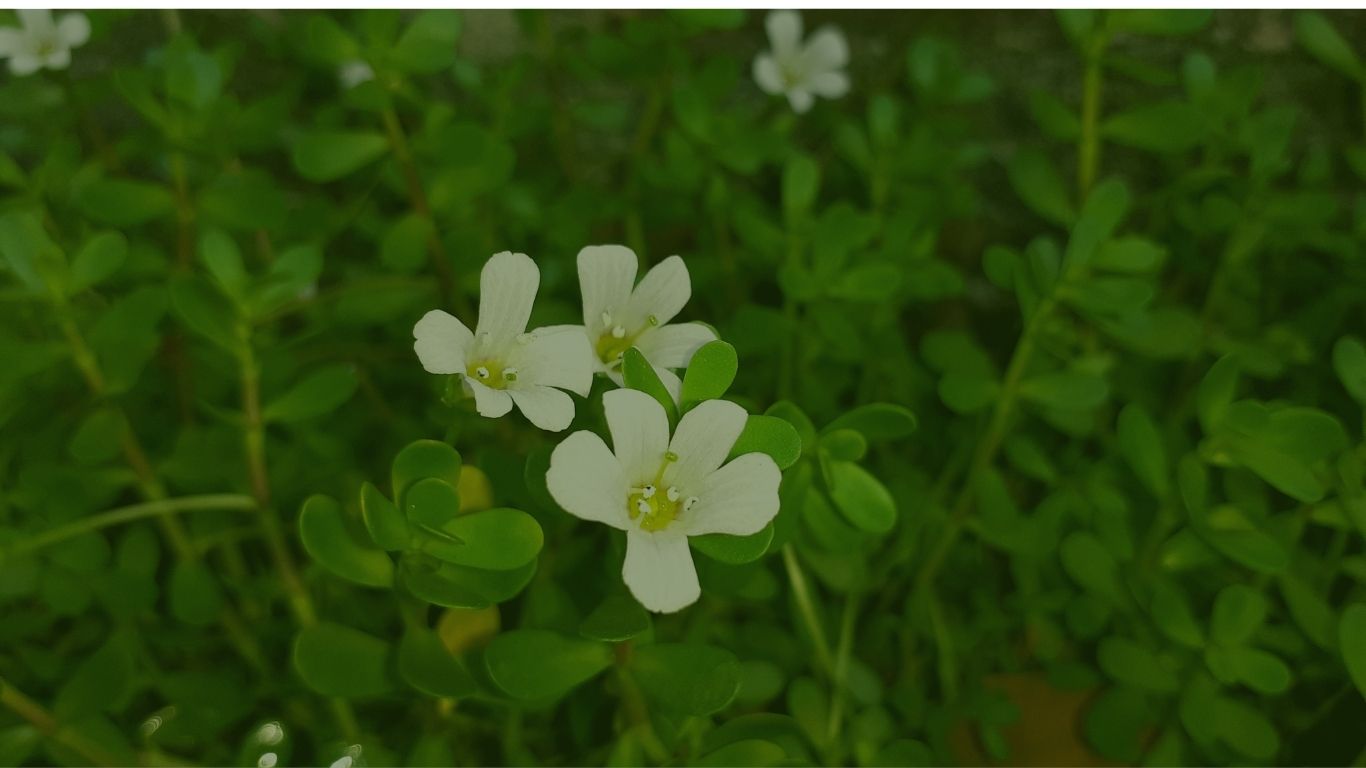
Bacopa monnieri is a perennial, creeping herb native to the wetlands and marshy regions of India, North and South America, Australia, and Asia. It is a small, succulent plant with numerous branches, light green oblong leaves, and small light purple or white flowers. Its ability to thrive in water-logged conditions has earned it a place in aquariums, but its true value lies in its medicinal properties.
In Sanskrit, it is often called “Brahmi,” derived from ‘Brahma,’ the Hindu god of creation, signifying its traditional role in enhancing consciousness, creativity, and intellect. For thousands of years, Ayurvedic practitioners have used Bacopa to treat a wide range of conditions, particularly those related to cognitive function, memory, anxiety, and epilepsy. It was this rich traditional use that attracted the attention of homeopathic practitioners, leading to its formal proving and inclusion in the homeopathic materia medica.
Extraction and Preparation: The Homeopathic Process
The journey of Bacopa monnieri from a humble marsh plant to a potentized homeopathic remedy follows the strict, standardized procedures of homeopathic pharmacy. The process begins with the harvesting of the fresh, flowering plant. The entire aerial parts (leaves, stems, and flowers) are typically used to create the mother tincture.
The plant material is carefully cleaned and then macerated, or soaked, in a mixture of alcohol and water. This step allows for the extraction of the plant’s active chemical constituents into the liquid medium. This initial liquid extract is known as the mother tincture, denoted as “Ø” in homeopathic notation.
The true essence of homeopathy, however, lies in the subsequent stages of potentization. This is a serial process of dilution and succussion (vigorous shaking) that is believed to release the dynamic, energetic imprint of the substance while eliminating its material toxicity. A small amount of the mother tincture is diluted, most commonly in an alcohol-water solution, and then succussed forcefully against a firm surface. This process yields the first centesimal potency, designated as 1C.
This 1C potency can then be further diluted and succussed to create 2C, 6C, 30C, 200C, and so on, up to very high potencies like 1M (1000C) or even CM (100,000C). With each step, the material quantity of the original substance diminishes, but homeopathic theory posits that the therapeutic energy of the remedy is enhanced. Lower potencies (e.g., 6X, 6C, 30C) are often used for more physical or localized symptoms, while higher potencies (200C and above) are typically reserved for deeper, constitutional, or mental-emotional conditions.
The Symptom Picture: Key Indications for Bacopa Monnieri
The homeopathic remedy picture of Bacopa monnieri is constructed from the symptoms observed in healthy individuals during its “proving.” This collective set of symptoms forms the guide for its therapeutic application, following the fundamental homeopathic principle of “like cures like.” A patient presenting a set of symptoms similar to those produced by Bacopa in a proving would be a candidate for this remedy.
The core domain of Bacopa monnieri is the nervous system, with a particular affinity for the brain and cognitive functions.
Mental and Emotional Symptoms:
The primary indication for Bacopa is a profound weakness of memory and intellectual fatigue. This is not simple forgetfulness but a deep-seated cognitive exhaustion. Patients who need Bacopa may find it difficult to fix their attention on any task. They experience a peculiar sensation of confusion and a hollow, empty feeling in the head. Studying or any sustained mental effort becomes a tremendous chore, leading to headaches and a desire to cease all intellectual work.
There is a strong component of mental dullness and sluggishness of thought. Ideas seem to form slowly, and recalling words or facts is laborious. This can be accompanied by a specific difficulty in spelling or performing simple arithmetic. This state often leads to low self-confidence and anxiety about one’s mental capabilities. The individual may feel as if their mind is aging prematurely, a condition akin to modern concepts of cognitive decline or burnout.
Physical Symptoms:
The mental exhaustion manifests physically. A characteristic headache is present, described as a sensation of emptiness or hollowness in the head, often accompanied by a heavy, pressing pain, as if the brain is being compressed. This headache is typically worse from mental exertion and may be relieved by closing the eyes and resting.
Sleep disturbances are common. The mind remains overly active at night, preventing restful sleep, or the individual may experience profound drowsiness during the day. Tremors or a general weakness of the limbs can accompany the mental state. There may be a sensation of coldness, particularly in the hands and feet, reflecting a general depletion of vital energy.
Primary Uses and Clinical Applications
Based on this symptom picture, homeopathic practitioners may consider homeopathic medicine Bacopa monnieri in a variety of clinical scenarios, always matching the remedy to the individual’s unique symptom expression.
Cognitive Deficits and Memory Loss: This is the quintessential use for Bacopa. It is a leading remedy for conditions where there is a marked decline in cognitive function. This includes age-related memory impairment, the early stages of dementia, and cognitive sequelae following a stroke or brain injury. It is also invaluable for students suffering from academic burnout, where the mind feels utterly exhausted and incapable of absorbing new information.
Attention Deficit Hyperactivity Disorder (ADHD): The Bacopa picture of an inability to fix attention, mental restlessness, and difficulty with sustained tasks aligns closely with symptoms of ADHD, particularly the inattentive type. It can help calm the mental chatter and improve focus and concentration in both children and adults.
Mental Exhaustion and Neurasthenia: For individuals suffering from nervous exhaustion, or neurasthenia, brought on by prolonged periods of overwork, stress, or grief, Bacopa can act as a profound restorative. It is indicated when the person feels “brain-dead,” irritable from mental effort, and experiences headaches from thinking.
Anxiety and Insomnia: When anxiety is rooted in a fear of intellectual failure or is accompanied by that characteristic empty-headed feeling and nocturnal mental hyperactivity that prevents sleep, Bacopa can be a calming and balancing remedy.
Speech and Language Difficulties: Given its action on the cognitive centers, it can be useful in cases of stammering or other speech impediments that worsen with nervousness or mental fatigue.
Side Effects and the Safety Profile
One of the foundational tenets of homeopathy is the safety of its ultra-dilute remedies. In potencies of 12C and above, there is likely no single molecule of the original substance remaining, rendering the remedy physically non-toxic and free from chemical side effects or drug interactions.
The primary risk in homeopathy is an aggravation of symptoms, a temporary intensification of existing complaints that can occur after taking a well-selected remedy. This is often seen as a positive sign that the vital force is responding to the simillimum. Such aggravations are usually mild and short-lived. Another consideration is that an incorrect remedy will simply have no effect. As with any homeopathic remedy, Bacopa monnieri should be selected based on a close match to the individual’s symptom totality, ideally under the guidance of a qualified homeopathic practitioner. The mother tincture and very low potencies (e.g., 1X, 2X) retain more of the original plant material and should be used with greater caution and professional oversight.
Comparisons with Other Homeopathic Remedies
To fully understand Bacopa monnieri, it is helpful to contrast it with other homeopathic remedies that act on the mind and memory.
Anacardium Orientale: Both Anacardium and Bacopa are renowned for profound memory weakness and a feeling of emptiness in the head. The key difference lies in the accompanying mental state. Anacardium patients often have a dual personality, a sense of being controlled or haunted by an evil influence, and may exhibit malicious or cruel behavior. They feel as if a plug or band is around their head. Bacopa lacks this duality and malevolence; its core is simple, exhaustive intellectual fatigue without the pronounced moral conflict.
Kali Phosphoricum: This is a top remedy for nervous exhaustion, particularly from overwork or worry. Like Bacopa, there is great mental and physical tiredness, headache from mental effort, and poor memory. However, Kali phos is more associated with anxiety about business or financial affairs and a general sense of debility. Bacopa’s exhaustion is more specifically intellectual and centered on a failure of cognitive processing itself.
Ginkgo Biloba: While Ginkgo is also used for memory and circulation, its homeopathic picture is less developed than Bacopa’s. Herbal Ginkgo is used to improve cerebral blood flow. Homeopathic Bacopa’s action is more deeply seated in the energetic level of cognitive function rather than the physical vasculature.
Cannabis Indica: Both remedies can have confusion and a peculiar, spaced-out sensation in the head. However, Cannabis indica’s confusion is more dreamlike, with a loss of sense of time and space, and is often accompanied by anxiety and paranoia. Bacopa’s confusion is more directly linked to mental fatigue and an inability to perform cognitive tasks.
Prevention and Constitutional Prescribing
In homeopathy, the concept of prevention is intrinsically linked to strengthening the individual’s constitutional vitality. A well-chosen constitutional remedy can bolster the entire system, making a person less susceptible to illness. While Bacopa monnieri is not typically considered a major polycrest (a remedy with a wide range of action) for constitutional prescribing, it can play a significant preventive role in specific contexts.
For individuals with a hereditary predisposition to cognitive decline or dementia, or for those entering a period of life or career known to cause extreme mental strain, a carefully prescribed course of Bacopa in a higher potency could potentially help fortify the nervous system against such challenges. It acts as a functional tonic for the brain, helping to maintain mental clarity and resilience under pressure. This approach is highly individualized and falls squarely within the realm of classical homeopathic practice, where the remedy is chosen for the person, not merely the disease label.
Frequently Asked Questions (FAQs) About Homeopathic Medicine Bacopa Monnieri
1. What is the main use of homeopathic Bacopa monnieri?
The primary use of homeopathic Bacopa monnieri is to address conditions related to mental fatigue and cognitive weakness. It is a leading remedy for poor memory, difficulty concentrating, and a feeling of mental emptiness or exhaustion. It is often considered for students suffering from burnout, age-related memory decline, and attention difficulties.
2. Is homeopathic Bacopa the same as the Brahmi supplements I find in health food stores?
No, they are fundamentally different. The Brahmi supplements you find in stores are herbal preparations, meaning they contain measurable, material doses of the Bacopa monnieri plant. Homeopathic Bacopa monnieri, especially in potencies like 30C or 200C, has been serially diluted and succussed (potentized) to the point where it may not contain a single molecule of the original plant. Their actions are based on different principles: herbal medicine uses a biochemical approach, while homeopathy uses an energetic or informational approach based on “like cures like.”
3. What does the “C” mean in potencies like 30C or 200C?
The “C” stands for Centesimal, indicating a specific scale of dilution. To make a 1C potency, one part of the mother tincture is diluted with 99 parts of a diluent (like alcohol-water) and then vigorously shaken (succussed). To make a 2C potency, one part of the 1C is diluted with 99 parts of diluent and succussed again. A 30C potency has undergone this process 30 times. Homeopaths believe that this process enhances the therapeutic energy of the substance while eliminating material toxicity.
4. Are there any side effects of taking homeopathic Bacopa monnieri?
Due to the ultra-dilute nature of homeopathic remedies beyond 12C, they are generally considered physically non-toxic and safe, with no risk of chemical side effects or drug interactions. The most common reaction is a “homeopathic aggravation,” where symptoms temporarily and mildly intensify before improving, which is seen as a positive sign that the body is responding to the remedy. If the wrong remedy is chosen, it will simply have no effect.
5. Can I take homeopathic Bacopa for my child who has trouble focusing in school?
Homeopathic Bacopa can be a excellent consideration for a child with focus and attention issues, especially if the symptoms match the key picture of the remedy: mental fatigue, poor memory, a feeling of emptiness in the head, and difficulty with sustained mental work. However, self-prescribing for chronic conditions is not recommended. It is crucial to consult with a qualified homeopathic practitioner who can take the child’s full case—including their emotional state, physical symptoms, and unique characteristics—to determine if Bacopa is the best fit or if another remedy like Baryta Carbonica or Cannabis Indica would be more appropriate.
6. How is Bacopa monnieri different from Anacardium in homeopathy, since both are used for memory problems?
This is an excellent question that highlights the precision of homeopathy. Both remedies can feature profound memory weakness and a feeling of emptiness in the head. The key difference lies in the mental and emotional state.
Bacopa monnieri is characterized by simple, pure intellectual exhaustion. The person is mentally drained and can’t think clearly.
Anacardium Orientale has a more complex picture of a divided self or a lack of willpower. The person may feel as if they are controlled by an evil influence or have a good and bad side in conflict. They may be malicious, spiteful, or lack confidence. Bacopa lacks this deep-seated moral conflict.
7. How often should I take a dose of Bacopa monnieri?
The frequency of dosage is highly dependent on the potency and the acuity of the condition. For acute mental exhaustion after a single event, a low potency (like 6C or 30C) might be taken a few times a day for a short period. For chronic issues like longstanding memory problems, a higher potency (200C or 1M) might be taken as a single dose, followed by waiting to observe the response for weeks or months. There is no one-size-fits-all schedule, and the guidance of a professional is essential for correct dosing.
8. Can homeopathic Bacopa prevent dementia or Alzheimer’s disease?
Homeopathy does not claim to “prevent” specific diseases in a conventional sense. Instead, it aims to strengthen the individual’s overall constitutional vitality, making them less susceptible to illness. A well-selected homeopathic remedy, which could be Bacopa for a person with a strong tendency towards cognitive fatigue and weakness, may help improve the functional health of the nervous system. This could, in theory, support cognitive resilience, but it should not be seen as a guaranteed vaccine against neurodegenerative diseases. It is a part of a holistic health approach.
9. Where can I purchase homeopathic Bacopa monnieri?
Homeopathic Bacopa monnieri is available at many health food stores, specialized homeopathic pharmacies (both physical and online), and through various online retailers. It is crucial to purchase from a reputable source that follows good manufacturing practices to ensure the quality and integrity of the remedy.
10. Can I take homeopathic Bacopa while on my regular prescription medications?
Yes, because homeopathic remedies in potencies above 12C are non-molecular, they do not interact chemically with prescription medications. They are considered safe to use alongside conventional drugs. However, it is always a prudent practice to inform all your healthcare providers, including your medical doctor and your homeopath, about all the medicines and supplements you are taking.
Conclusion
Bacopa monnieri represents a beautiful synergy between ancient wisdom and modern homeopathic practice. It takes a plant celebrated in Ayurveda for its mind-enhancing properties and refines its application through the precise, principle-based lens of homeopathy. For the individual lost in a fog of mental fatigue, struggling with a memory that fails them, and burdened by the sheer effort of thought, Bacopa monnieri offers the promise of clarity, restoration, and a return to the quiet confidence of a functioning mind. As with all homeopathic remedies, its power is unlocked not by a standardized diagnosis, but by the careful, artful matching of its unique symptom picture to the suffering individual.