Table of Contents
ToggleThe Golden Key of Homeopathy: A Comprehensive Guide to Homeopathic Medicine Arsenicum Sulphuratum Rubrum
Homeopathy, a system of alternative medicine founded on the principle of “like cures like,” boasts a vast materia medica of remedies derived from the plant, mineral, and animal kingdoms. Among these, Arsenicum Sulphuratum Rubrum, often simply called Ars-sulph., holds a unique and powerful position. This vibrant orange-red compound, a fusion of two profound medicinal substances, is a key remedy for a range of ailments, particularly those involving the skin and mucous membranes with a characteristic Arsenicum anxiety. This article delves into the origins, preparation, therapeutic applications, and nuances of this important homeopathic medicine.
Origins and Extraction: A Tale of Two Elements
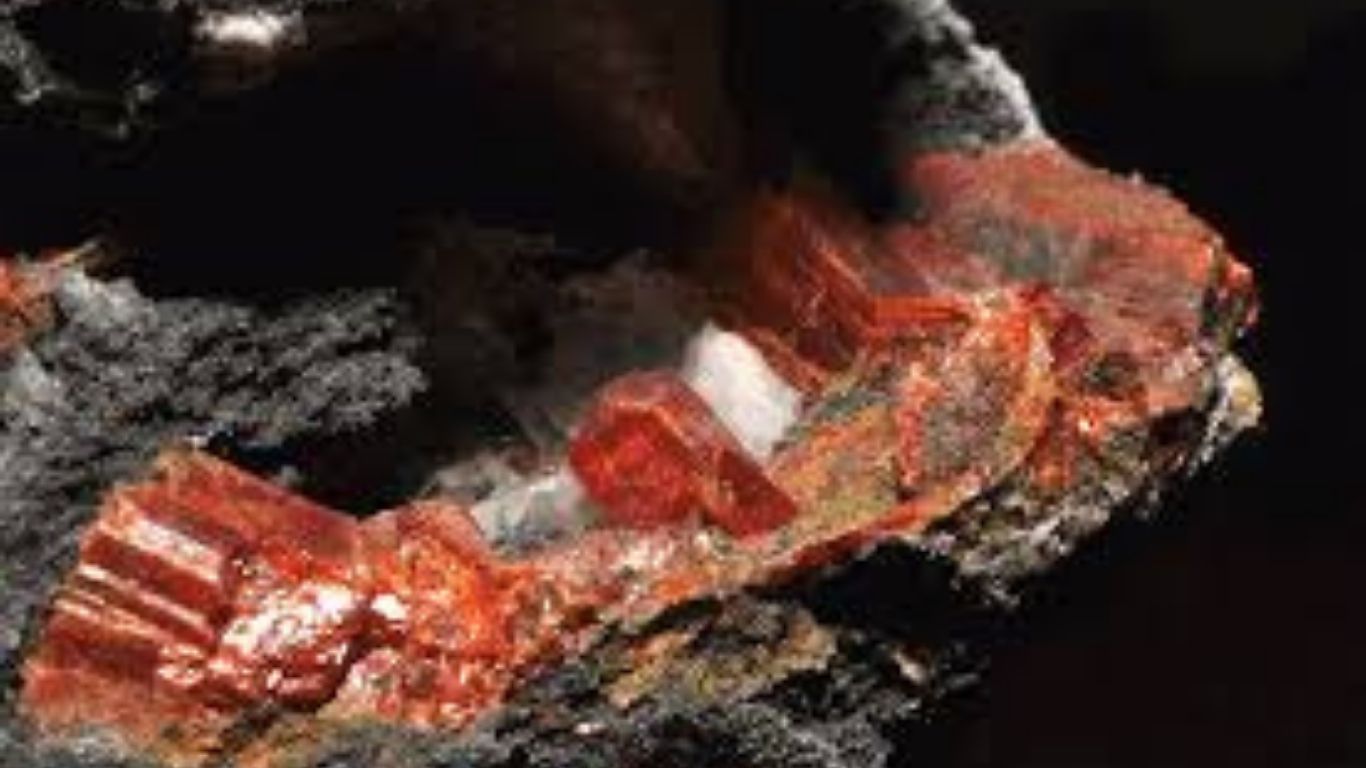
Arsenicum Sulphuratum Rubrum is a chemical compound known as arsenic trisulfide. Its history is rich and predates its homeopathic use. In its natural form, it is known as the mineral realgar, an ore that has been used for centuries as a pigment and in traditional Chinese medicine. The name itself is descriptive: “rubrum” is Latin for red, denoting its distinctive crimson hue.
The two components that form this remedy are, individually, giants in the homeopathic world:
Arsenicum Album (Arsenious Trioxide): Often referred to as the “king of remedies,” Arsenicum album is derived from arsenic. It is a polychrest, meaning a remedy with a wide range of applications, particularly known for addressing profound anxiety, restlessness, perfectionism, and burning pains. It is a cornerstone remedy for issues involving weakness, exhaustion, and a fear of death or illness.
Sulphur (The Elemental King): Sulphur is another polychrest, considered a fundamental remedy for chronic conditions. It is deeply associated with skin disorders, philosophical thinking, a disregard for order, and a vital force that is either overactive or profoundly sluggish.
The creation of Arsenicum Sulphuratum Rubrum for homeopathic use involves a chemical reaction, typically between arsenious acid and sulphuret of potash, which precipitates the insoluble red compound. This is not merely a physical mixture but the birth of a new substance with its own unique therapeutic signature, blending the intense, anxious energy of Arsenic with the disordered, eruptive nature of Sulphur.
The Art of Potentization: Unlocking the Energetic Blueprint
Like all homeopathic remedies, Ars-sulph. is not used in its crude, material form due to the toxicity of its raw components. Instead, it undergoes a process called potentization, a series of sequential dilutions and succussions (vigorous shaking). This process, homeopaths believe, releases the dynamic, energetic healing properties of the substance while eliminating any material toxicity.
The remedy is available in a wide range of potencies, from low potencies like 6C or 30C to very high potencies like 1M or 10M. The selection of potency is a critical aspect of homeopathic prescribing and is based on the individual’s symptoms, the acuity of the condition, and their overall vitality. Lower potencies are often used for more localized, physical symptoms and may be repeated more frequently, while higher potencies are typically reserved for deeper, constitutional issues and are administered less often under the guidance of a qualified practitioner.
The Symptom Picture: When is Arsenicum Sulphuratum Rubrum Indicated?
A homeopathic remedy is prescribed based on the totality of a patient’s unique symptoms—mental, emotional, and physical. The genius of Ars-sulph. lies in the interplay between its two constituent parts. It is as if the intense, burning, restless anxiety of Arsenicum album is forced through the dirty, itchy, inflamed filter of Sulphur.
Key Mental and Emotional Symptoms:
The Arsenicum influence is strongly felt here. The individual needing Ars-sulph. may exhibit:
Anxiety and Restlessness: A deep-seated, gnawing anxiety, often about health (hypochondriasis) or a general feeling of unease. This is accompanied by a physical restlessness; they cannot stay still, fidgeting and moving constantly, even from exhaustion.
Perfectionism and Fastidiousness: A desire for order and cleanliness, though this may be less pronounced or more frustrated than in a pure Arsenicum album case due to the chaotic influence of Sulphur.
Despair and Hopelessness: They may feel despondent, believing their illness is incurable. This can be particularly evident in chronic skin conditions that have resisted treatment.
Irritability: They can be easily annoyed and irritable, especially when their physical discomfort is high.
Characteristic Physical Symptoms and Uses:
The primary action of Ars-sulph. is on the skin and respiratory system, where the Sulphur component creates eruptions and discharges, and the Arsenicum component adds burning and restlessness.
Skin Affections: This is the foremost domain of Ars-sulph.
Eczema and Psoriasis: It is a leading remedy for chronic, itchy, and burning skin eruptions. The skin is often red, inflamed, and may be scaly. The itching is intense and burning, worse at night and from warmth of the bed, compelling the person to scratch until the skin raw and bleeds. Scratching may provide momentary relief but ultimately worsens the condition. There is often a thick, yellow, or honey-colored discharge.
Acne and Pustular Eruptions: It is indicated for acne that is pustular, burning, and leaves a red, inflamed base. The lesions may be painful and slow to heal.
Herpes Zoster (Shingles): Ars-sulph. can be invaluable for shingles where the blisters are intensely burning and the pain is neuralgic, with the characteristic Arsenicum restlessness and anxiety.
Ulcers: For old, indolent ulcers with a burning sensation, bluish or purple surroundings, and a tendency to bleed easily.
Respatory Complaints:
Asthma: The asthma calling for Ars-sulph. has a very specific character. The attack is often accompanied by intense anxiety and restlessness. There is a sensation of constriction in the chest and burning. The cough is dry, hacking, and tormenting, worse after midnight (typically between 1-3 am), and the person may sit up to breathe easier. There is often a concomitant skin condition that may improve or worsen as the asthma appears.
Bronchitis and Whooping Cough: For a hard, dry, spasmodic cough with a burning sensation in the chest and great exhaustion.
Digestive Issues:
Dysentery and Diarrhea: The stool is scanty, bloody, and mucus-filled, accompanied by intense, burning pains in the rectum and a profound sense of weakness and exhaustion. There is tremendous restlessness with the pain.
Nausea and Vomiting: With a burning sensation in the stomach and esophagus.
General Modalities:
A key to prescribing any homeopathic remedy is understanding its modalities—what makes the symptoms better or worse.
Worse: From warmth, warm applications, and warmth of the bed (a strong Sulphur characteristic). At night, especially after midnight. From cold air and cold drinks.
Better: From cool or open air. From moving about (restlessness provides some relief). From sitting up (in respiratory complaints).
Side Effects and Safety: A Responsible Approach
In the potentized form used in homeopathy, Arsenicum Sulphuratum Rubrum is considered safe and non-toxic. The process of serial dilution ensures that no molecules of the original substance remain in higher potencies, eliminating the risk of chemical poisoning.
However, as with any homeopathic remedy, there is a possibility of a “homeopathic aggravation.” This is a temporary intensification of existing symptoms following a correctly chosen remedy, which is seen as a positive sign that the vital force is responding. This aggravation is usually short-lived and is followed by improvement. An incorrect prescription may produce no effect or could, in theory, elicit new, unrelated symptoms.
It is of paramount importance to emphasize that self-prescribing for serious, chronic, or undiagnosed conditions is dangerous. A qualified homeopathic practitioner can conduct a thorough case analysis to determine the correct remedy and potency, ensuring safe and effective treatment. Homeopathy is a complementary system and should not be used as a substitute for conventional medical diagnosis and care, especially in emergencies.
Prevention: A Constitutional Approach
Homeopathy does not function like a vaccine. The concept of prevention in homeopathy is rooted in strengthening the individual’s constitutional vitality, making them less susceptible to disease. A person who has a constitutional similarity to Ars-sulph.—prone to anxiety, skin issues, and respiratory weakness—may benefit from a deeply acting, high-potency dose to rebalance their system, thereby preventing the recurrence of their characteristic ailments. This is a highly individualized process and falls under the realm of constitutional prescribing by an experienced homeopath.
Comparative Analysis: Distinguishing Ars-Sulph. from Its Peers
To truly understand a remedy, it must be compared with its closest neighbors in the materia medica.
Arsenicum Sulphuratum Rubrum vs. Arsenicum Album:
While both share the intense burning pains, restlessness, anxiety, and worse-after-midnight modality, Arsenicum album is “cleaner” in its presentation. The Arsenicum album patient is more fastidious, orderly, and chilly. Ars-sulph., with its Sulphur component, is “dirtier.” The focus is more on the skin eruptions, the discharges are more pronounced, and the patient may be less concerned with order. Arsenicum album might have dry, scaly skin, but Ars-sulph. has oozing, infected, burning eruptions.
Arsenicum Sulphuratum Rubrum vs. Sulphur:
Sulphur is the great unwashed philosopher—warm-blooded, messy, and self-centered. Their skin itches and burns and is worse from washing and warmth, but they lack the intense, deathly anxiety and specific midnight aggravation of Ars-sulph. A Sulphur patient may be content in their disorder, while an Ars-sulph. patient is tormented by both the physical itch and the mental anxiety. Sulphur’s complaints are more generalized, while Ars-sulph. often has a more specific, burning, and anxious presentation.
Arsenicum Sulphuratum Rubrum vs. Hepar Sulphuris Calcareum (Hepar Sulph.):
Both are compound remedies containing Sulphur and are used for infected skin conditions. However, Hepar sulph. is made from calcium sulphide (oyster shell and sulphur). The key difference is sensitivity. Hepar sulph. is for extreme sensitivity to touch, cold, and pain. The slightest draft causes shivering; the slightest touch to a boil causes sharp, splinter-like pain. Their discharges are offensive and cheesy. Ars-sulph. has burning and restlessness, but not the same hypersensitive, “splinter” pain. Hepar sulph. is acutely irritable, while Ars-sulph. is anxiously restless.
Arsenicum Sulphuratum Rubrum vs. Psorinum:
Psorinum is prepared from the scabies vesicle and is considered a deep-acting “nosode” for patients with a psoric (itchy) miasm. Like Ars-sulph., they can have hopeless, dirty-looking skin conditions. However, the Psorinum patient is profoundly chilly, feels permanently weak and dirty, and has an overwhelming, offensive odor to all their secretions. They lack the specific burning quality and the midnight aggravation of Ars-sulph. Their despair is deeper and more fundamental.
Frequently Asked Questions: About Homeopathic Medicine Arsenicum Sulphuratum Rubrum
Q1: What is Arsenicum Sulphuratum Rubrum, and what are its main components?
A1: Arsenicum Sulphuratum Rubrum, often abbreviated as Ars-sulph., is a homeopathic medicine prepared from the chemical compound arsenic trisulfide. It is a vibrant red-orange substance. In homeopathy, it is considered a unique remedy that combines the core characteristics of two of its components: the intense anxiety, restlessness, and burning pains of Arsenicum Album (Arsenic) with the skin eruptions, disordered vitality, and warmth-aggravation of Sulphur.
Q2: For which health conditions is Ars-sulph. most commonly used?
A2: Its most prominent use is for chronic skin conditions where intense burning and itching are the main features. This includes:
Eczema and psoriasis that is worse from heat and at night.
Acne with pustules and a burning, inflamed base.
Herpes zoster (shingles) with burning, neuralgic pain.
It is also a significant remedy for asthma, particularly a type that comes with intense anxiety, a feeling of chest constriction, and a dry, hacking cough that is worse after midnight.
Q3: What are the key mental and emotional symptoms that suggest someone might need this remedy?
A3: The mental state is heavily influenced by the Arsenicum component. Look for:
Profound Anxiety and Restlessness: A deep-seated worry, especially about health, accompanied by an inability to stay still, even when exhausted.
Despair: A feeling that their illness, particularly a chronic skin condition, is incurable.
Irritability: They can be easily annoyed, especially when their physical discomfort is high.
Fastidiousness: A desire for order, though this may be less obvious than in a pure Arsenicum album case due to the chaotic influence of Sulphur.
Q4: What makes the itching in Ars-sulph. different from other remedies?
A4: The itching is characteristically intense, burning, and unbearable, often worse from the warmth of the bed and at night. It drives the person to scratch the area violently, sometimes until it bleeds. The momentary relief from scratching is often followed by a worsening of the burning sensation. This combination of “burning” and “itching worse from heat” is a classic indicator for Ars-sulph.
Q5: How is the asthma of Ars-sulph. unique?
A5: The asthma presentation is a key example of the remedy’s dual nature. The person experiences difficult breathing with a sensation of constriction and burning in the chest. This is accompanied by the classic Arsenicum restlessness and anxiety, often feeling they are going to die. The cough is typically dry and tormenting, and symptoms are notably worse after midnight (often between 1-3 a.m.), forcing them to sit up to breathe easier.
Q6: Is it safe to use since it’s made from arsenic and sulphur?
A6: In homeopathic practice, the raw substance undergoes a process of serial dilution and vigorous shaking known as “potentization.” This process is believed to eliminate the material toxicity of the original substance while imprinting its energetic or informational healing properties. When manufactured by a reputable homeopathic pharmacy according to strict standards, the final product in higher potencies contains no measurable molecules of arsenic or sulphur and is considered non-toxic and safe for use.
Q7: What are ‘modalities’ and what are the key modalities for Ars-sulph.?
A7: In homeopathy, modalities are factors that make a person’s symptoms better or worse. They are crucial for selecting the correct remedy. For Ars-sulph., the key modalities are:
Worse: From warmth (especially warmth of the bed), at night (particularly after midnight), and from cold air.
Better: From cool or open air, from moving around (due to restlessness), and from sitting up (in respiratory complaints).
Q8: Can I use Ars-sulph. for my long-term eczema on my own?
A8: While low potencies (like 6C or 30C) are available for self-care, self-prescribing for chronic conditions is not recommended. A chronic issue like eczema requires a “constitutional” approach, where a qualified homeopath considers your complete physical, mental, and emotional symptom picture to find the most similar remedy. Using the wrong remedy, or even the correct one in the wrong potency, may provide no relief or disrupt your body’s healing response. Consulting a professional is always the best course of action for chronic ailments.
Q9: How is Ars-sulph. different from plain Sulphur?
A9: This is a crucial distinction. While both are used for itchy skin conditions, the person needing Sulphur is typically “warm-blooded,” messy, and philosophically minded, with less specific anxiety. The person needing Ars-sulph. has the intense, health-focused anxiety, restlessness, and burning pains of Arsenicum added to the skin symptoms. Sulphur’s complaints are more generalized, while Ars-sulph.’s are more acute, burning, and anxious.
Q10: Are there any side effects from taking this homeopathic medicine?
A10: When correctly prescribed, side effects in the conventional sense are rare. However, a temporary “homeopathic aggravation” can occur, where existing symptoms mildly intensify for a short period before improvement begins. This is seen as a positive sign that the remedy is acting. If new or worsening symptoms appear, it is a sign that the remedy is incorrect, and you should stop taking it and consult your homeopath or doctor.
Conclusion
Arsenicum Sulphuratum Rubrum stands as a testament to the complexity and depth of homeopathic medicine. It is not merely Arsenic plus Sulphur, but a distinct therapeutic entity with its own clear identity. Its value lies in its ability to address those stubborn, chronic conditions where physical suffering—particularly of the skin—is inextricably linked with a state of mental anguish and restlessness. By understanding its unique origin, its vivid symptom picture, and its place among other key remedies, one can appreciate why it is often the “golden key” that unlocks cases where other, seemingly similar, remedies have failed. As with all homeopathic practice, its power is best harnessed through careful, individualized prescription, offering a path to healing for those who fit its distinct and compelling portrait.