
Table of Contents
ToggleThe Sweet Deceiver: A Comprehensive Guide to Homeopathic Medicine Gymnema Sylvestre
In the vast and intricate world of homeopathy, every remedy tells a story, derived from the unique signature of its source. Among these, Gymnema Sylvestre holds a particularly fascinating place. Known in Hindi as “Gurmar,” which translates to “sugar destroyer,” this humble climbing plant offers a profound narrative of balance, craving, and control, especially in the context of modern metabolic ailments. This article delves into the origins, preparation, therapeutic applications, and nuanced character of homeopathic Gymnema Sylvestre, providing a detailed perspective for those interested in natural healing.
Origin and Botanical Profile
Gymnema Sylvestre is a perennial, woody climber native to the tropical forests of India, Africa, and Australia. It thrives in the rich, organic soils of these regions, its leaves holding the secret to its potent properties. For centuries, it has been a cornerstone of Ayurvedic medicine, used traditionally to treat a range of conditions, most notably “honey urine,” which we now know as diabetes.
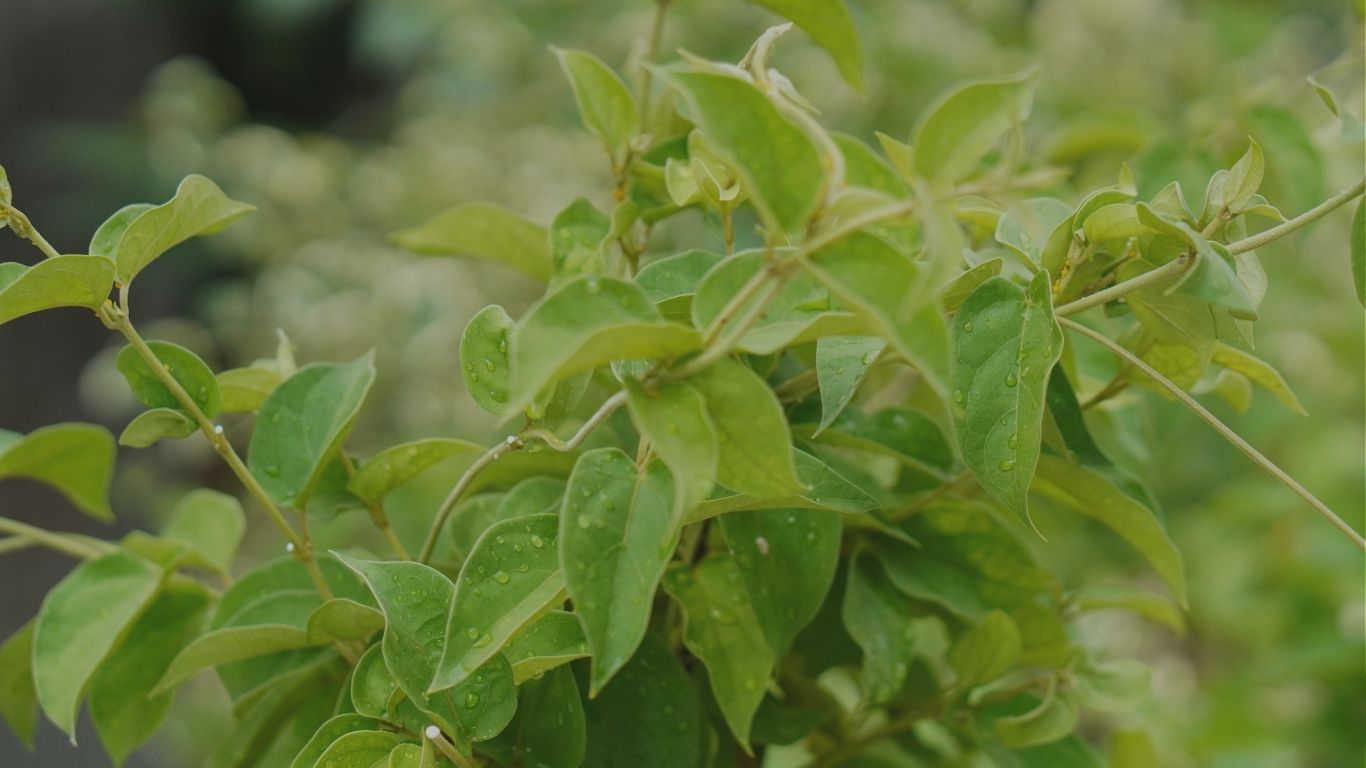
The plant itself is unassuming, with simple, elliptical leaves and small, yellow flowers. Its true power lies in a unique biochemical property. The leaves contain gymnemic acids, a group of bioactive compounds that have the remarkable ability to temporarily suppress the perception of sweetness on the tongue. Chewing a leaf before tasting sugar results in a bizarre sensory experience; the sugar feels like bland, gritty sand in the mouth, devoid of its characteristic sweet pleasure. This direct, almost magical intervention on the senses is the foundational clue that led homeopaths to explore its deeper healing potential.
Extraction and Preparation of Potencies
The journey of Gymnema Sylvestre from a forest plant to a homeopathic remedy follows the strict, standardized principles of homeopathic pharmacopoeia. The process begins with the collection of fresh leaves, which are considered the most medicinally dynamic part of the plant.
The initial substance is used to create a Mother Tincture, often denoted as Ø. The fresh leaves are meticulously cleaned and then macerated, or soaked, in a mixture of alcohol and water. This solvent draws out the active biochemical constituents, including the crucial gymnemic acids, creating a concentrated liquid extract. This mother tincture is the stock from which all subsequent homeopathic potencies are prepared.
Homeopathic potency is a concept that often mystifies those unfamiliar with the system. It does not refer to the chemical concentration but to the dynamic energy or informational imprint of the substance, believed to be released through a process of serial dilution and succussion (vigorous shaking). The two most common scales are the Centesimal (C) and Decimal (X or D).
Starting with the mother tincture, one drop is diluted in 99 drops of a water-alcohol mixture and succussed vigorously to create a 1C potency. One drop of this 1C solution is then diluted in another 99 drops of diluent and succussed to make a 2C potency. This process is repeated to achieve higher and higher potencies like 6C, 30C, 200C, and 1M (1000C). With each step, the material presence of the original molecule diminishes, but homeopathic theory posits that the vital energy or therapeutic pattern of the substance is enhanced and made more deeply acting.
Lower potencies (e.g., 1X to 30C) are often used for more physical, localized symptoms, such as managing sugar cravings or mild metabolic issues. Higher potencies (200C and above) are typically reserved for treating the deeper, constitutional state of the individual, addressing the underlying predisposition to illness.
The Symptom Picture: Who is Gymnema Sylvestre For?
In homeopathy, a remedy is prescribed based on a totality of symptoms that match the “symptom picture” or “drug picture” of the substance. This picture is built from historical use, clinical experience, and “provings”—a process where healthy volunteers take the remedy and meticulously record all the mental, emotional, and physical symptoms they experience.
The core identity of Gymnema Sylvestre revolves around the theme of sugar and carbohydrate dysregulation. The individual who would benefit from Gymnema Sylvestre is often one struggling with a loss of control over their sweet tooth and metabolism.
Key Indications and Uses
Diabetes Mellitus and Prediabetes: This is the primary domain of Gymnema Sylvestre. It is used as a supportive remedy for both Type 1 and Type 2 diabetes. Homeopaths believe it may help stimulate the beta cells of the pancreas to produce more insulin and increase the utilization of glucose by the cells. It is not a substitute for insulin but is considered an adjunct therapy to help manage blood sugar levels under medical supervision. For those with insulin resistance or metabolic syndrome, it can be a valuable constitutional remedy.
Intense Sugar Cravings and Addiction: The proving of Gymnema captures its ability to alter the relationship with sweetness. A person needing Gymnema may describe an irresistible, almost compulsive craving for sweets, chocolates, carbohydrates, and sugary drinks. They feel a lack of willpower and may find themselves binge-eating these foods. The remedy is thought to work by rebalancing the body’s internal signaling, reducing the intensity of these cravings, and making sweet foods less appealing, much like the effect of chewing the fresh leaf.
Weight Management: As a direct corollary to its action on cravings, Gymnema Sylvestre is often indicated in weight management protocols, particularly where overconsumption of sugar and simple carbs is a primary factor in obesity. By helping to control appetite and reduce the desire for high-calorie sweet foods, it can support dietary and lifestyle changes.
Hyperlipidemia: Some research and clinical observation suggest that Gymnema can also have a beneficial effect on lipid profiles, helping to reduce bad cholesterol (LDL) and triglyceride levels. This makes it a comprehensive remedy for the cluster of conditions known as metabolic syndrome.
Other Associated Symptoms: The Gymnema picture may extend to other symptoms often linked with poor blood sugar control. This can include excessive thirst (polydipsia), excessive urination (polyuria), and a peculiar sensation of the body being “overloaded” with sugar. There may also be a history of recurrent skin boils or fungal infections, which are common in diabetic states.
Side Effects and Important Precautions
When used in homeopathic potencies, the risk of direct side effects is extremely low due to the high dilution. This is one of the fundamental reasons for the safety profile of homeopathic medicines. However, the principle of “homeopathic aggravation” exists, where a temporary, mild intensification of existing symptoms may occur as the body responds to the remedy before healing begins. This is usually short-lived.
The most critical consideration with Gymnema Sylvestre involves its interaction with conventional diabetic medication. This is of paramount importance. Because homeopathic Gymnema, especially in mother tincture or low potencies, may have a blood sugar-lowering effect, using it concurrently with insulin or oral hypoglycemic drugs (like Metformin, Glipizide, etc.) could potentially lead to hypoglycemia—a dangerous drop in blood sugar levels.
Therefore, it is absolutely essential that individuals with diabetes do not self-prescribe Gymnema Sylvestre. Any use of this remedy must be done under the guidance of a qualified homeopathic practitioner who will work in conjunction with the patient’s endocrinologist or general physician. Regular monitoring of blood glucose levels is mandatory to adjust conventional medication dosages safely.
Comparisons with Other Homeopathic Remedies
A clear understanding of a remedy is often sharpened by comparing it with similar ones. Gymnema Sylvestre has distinct peers in the homeopathic materia medica.
Gymnema vs. Syzygium Jambolanum: This is the most direct comparison. Syzygium is also a premier diabetic remedy, prepared from the Jamun fruit seed. Both are used for sugar control, polyuria, and skin boils. However, the key differentiation lies in their core focus. Syzygium is often considered more specific for a pronounced and persistent high blood sugar level, especially when there is severe weakness and emaciation. Gymnema, on the other hand, has a stronger affinity for addressing the intense psychological craving and addiction to sugar itself. If Syzygium is for the effect of diabetes, Gymnema is for the cause rooted in desire and consumption.
Gymnema vs. Uranium Nitricum: This remedy is indicated for diabetes with profound weakness, weight loss, and excessive thirst and urination. There is often associated digestive upset, such as bloating and gas. Uranium Nitricum is a deeper-acting constitutional remedy for degenerative changes from diabetes, whereas Gymnema is more functional, acting on the regulatory mechanism and cravings before severe degeneration sets in.
Gymnema vs. Phosphoric Acid: Phosphoric Acid is a major remedy for mental and physical exhaustion, often stemming from grief or overwork. This exhaustion can lead to a state of indifference and a desire for sugary, stimulating drinks. The sugar craving here is to combat fatigue and emotional numbness. In Gymnema, the craving is more primal and addictive, not necessarily linked to an emotional shock or profound grief.
Gymnema vs. Calcarea Carbonica: The Calc-carb individual, often prone to weight issues, sweats easily, and feels anxious, also has strong cravings for sweets and eggs. However, their overall constitution is different—they are typically sluggish, chilly, and have a fear of misfortune. Gymnema is more specifically targeted to the sugar metabolism issue without the strong Calc-carb constitutional characteristics.
Frequently Asked Questions (FAQs) About Homeopathic Gymnema Sylvestre
1. What is homeopathic Gymnema Sylvestre primarily used for?
Homeopathic Gymnema Sylvestre is primarily used to address issues related to sugar metabolism and cravings. Its main applications include:
Supporting the management of Type 2 Diabetes and prediabetes by helping to regulate blood sugar levels.
Reducing intense, compulsive cravings for sweets, chocolates, and carbohydrates.
Aiding in weight management protocols where sugar consumption is a major factor.
Addressing symptoms like excessive thirst and urination often associated with blood sugar imbalances.
2. How does homeopathic Gymnema differ from the herbal supplement?
The key difference lies in the preparation and potency. The herbal supplement uses the plant material in a biochemical dose, meaning the gymnemic acid molecules are physically present. This is why it can have a direct, measurable effect on blocking sweet tastes and lowering blood sugar. Homeopathic Gymnema is prepared through a process of serial dilution and succussion (vigorous shaking). In higher potencies, it may not contain a single molecule of the original substance. Homeopathy operates on the principle of “like cures like,” using the energetically imprinted pattern of the substance to stimulate the body’s own self-healing mechanisms, rather than acting through a direct biochemical pathway.
3. Can I take Gymnema Sylvestre if I am already on diabetic medication?
This is a critical question. You must exercise extreme caution and consult both your medical doctor and a qualified homeopath before taking Gymnema Sylvestre. Both the herbal supplement and homeopathic preparations (especially mother tincture and low potencies) can potentially lower blood sugar. If taken alongside conventional diabetic medication like insulin or oral hypoglycemics, it could lead to a dangerous condition called hypoglycemia (very low blood sugar). Any use of Gymnema must be closely monitored by a professional.
4. Are there any side effects of taking homeopathic Gymnema Sylvestre?
When used in homeopathic potencies, the remedy is generally considered safe due to the high dilutions. The most common “side effect” is a temporary homeopathic aggravation, where symptoms might intensify slightly before improving, which is usually a sign that the remedy is initiating a healing response. The primary risk is not from the remedy itself, but from its interaction with other medications, as noted above.
5. What potency of Gymnema Sylvestre should I use?
Potency selection is complex and best determined by a homeopathic practitioner based on your individual symptoms and constitution.
Lower potencies (e.g., 6X, 6C, 12C): Are often used for more physical, acute issues, such as managing a sudden, strong sugar craving or as part of a short-term support protocol.
Higher potencies (e.g., 30C, 200C and above): Are typically used for deeper, constitutional treatment to address the underlying tendency towards sugar addiction or metabolic imbalance.
Self-prescribing for a chronic condition like diabetes is not recommended. Always seek professional guidance.
6. How long does it take for Gymnema Sylvestre to show results?
The time frame varies greatly from person to person. For reducing sugar cravings, some people may notice a change in their desire for sweets within a few days to a couple of weeks. For influencing blood sugar levels as part of a constitutional treatment, it may take longer and requires consistent monitoring. The response depends on the individual’s vitality, the potency used, and the complexity of their health issues.
7. Can Gymnema Sylvestre cure diabetes?
In homeopathic philosophy, the term “cure” refers to restoring the body’s innate ability to heal itself and achieve balance. Homeopathic Gymnema Sylvestre is not a “cure” for diabetes in the conventional sense. It is considered a supportive and regulating remedy that can help manage symptoms, reduce cravings, and potentially improve the body’s ability to utilize insulin. It should be viewed as part of a comprehensive management plan that includes diet, exercise, and conventional medical care, not as a replacement for it.
8. How is Gymnema Sylvestre different from other homeopathic remedies for diabetes like Syzygium Jambolanum?
This is a common and important distinction.
Gymnema Sylvestre has a very strong affinity for addressing the psychological craving and addiction to sugar itself. It is for the person who feels a lack of control and compulsively seeks out sweets.
Syzygium Jambolanum is also a premier diabetic remedy, but it is often considered more specific for managing persistently high blood sugar levels, especially when accompanied by severe weakness, emaciation, and skin ulcers or boils.
A homeopath chooses between them based on the totality of the patient’s specific symptoms.
9. Can I use Gymnema Sylvestre for weight loss?
Yes, it can be a valuable supportive remedy in a weight loss journey, but it is not a magic pill. Its role is to help control the appetite, specifically the intense cravings for sugary and high-carbohydrate foods that can derail a diet. By making it easier to resist these foods, it supports the dietary and lifestyle changes that are the true foundation of sustainable weight loss.
10. Where can I purchase homeopathic Gymnema Sylvestre?
It is available in many health food stores, specialty pharmacies, and through online retailers that sell homeopathic medicines. It is crucial to purchase from a reputable company that follows standard homeopathic manufacturing practices. Remember, purchasing the remedy is the easy part; determining if it’s the right remedy for you and at what potency requires professional consultation
Conclusion
Homeopathic Gymnema Sylvestre stands as a testament to the homeopathic principle of “like cures like.” Its profound ability to block the taste of sweetness in its crude form becomes, in its potentized state, a catalyst for re-establishing the body’s innate ability to manage sweetness internally. It is a remedy for our times, addressing a widespread modern malaise of sugar addiction and metabolic dysfunction.
Its role is not to replace conventional medicine but to offer a holistic, complementary approach that addresses both the physical symptom of high blood sugar and the psychological drive that often fuels it. As with any powerful therapeutic tool, its application requires wisdom, respect, and professional guidance. In the hands of a skilled practitioner, Gymnema Sylvestre can be a key that helps unlock a healthier, more balanced relationship with food and a more stable physiological state, truly earning its ancient title, the “Destroyer of Sugar.”