Table of Contents
ToggleUnveiling Homeopathic Medicine Crotalus Horridus: A Remedy of Profound Power
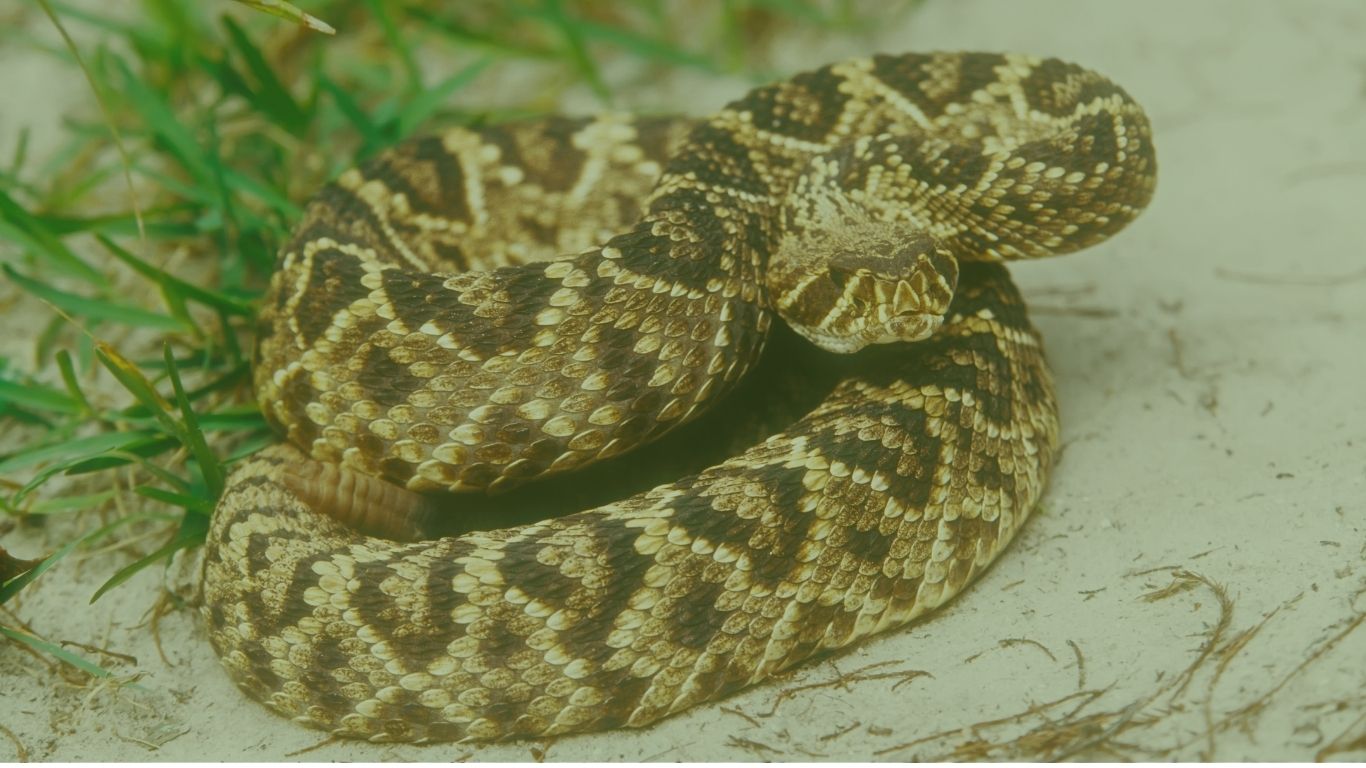
Within the intricate tapestry of homeopathic medicine, few remedies possess a profile as intense and distinctive as Crotalus Horridus. Derived from one of nature’s most formidable creatures, the venom of the Eastern Diamondback Rattlesnake, this substance, when prepared according to homeopathic principles, transforms into a powerful therapeutic agent. It is a remedy of grave pathologies, profound vitality disturbances, and specific, guiding symptoms that paint a picture of a system in a state of severe collapse. To understand Crotalus Horridus is to explore the homeopathic principle of “like cures like” at its most dramatic, where a substance capable of causing death is meticulously potentized to promote healing.
Origin and Extraction: From Venom to Vital Force
The origin of Crotalus Horridus is as striking as its clinical application. The source is the venom of the Crotalus horridus rattlesnake, a reptile native to the eastern United States. This venom is a complex cocktail of enzymes, peptides, and proteins designed to immobilize and pre-digest prey. Its physiological effects are devastating, primarily acting as a potent hemotoxin that destroys blood vessels and red blood cells, leading to massive internal bleeding, coagulation failure, and tissue necrosis.
The homeopathic preparation of this venom is a meticulous process that follows the foundational principles of homeopathic pharmacy. The initial stage involves the collection of the fresh venom, which is then dissolved in a mixture of alcohol and water to create the Mother Tincture. This liquid concentrate contains the crude molecular substance.
The true transformation into a homeopathic remedy occurs through a process called potentization. This involves serial dilution and succussion (vigorous shaking). For example, to create a 1C potency, one drop of the Mother Tincture is diluted in 99 drops of a water-alcohol solution and succussed vigorously. To create a 2C potency, one drop of the 1C solution is diluted in another 99 drops of diluent and succussed again. This process is repeated to achieve the desired potency, such as 6C, 30C, 200C, or even 1M (1000C).
It is crucial to understand that homeopathy operates on an energetic rather than a molecular level. The high potencies of Crotalus Horridus, like other homeopathic remedies, contain little to no physical molecules of the original venom. The therapeutic action is believed to stem from the bio-energetic information or pattern imprinted upon the water-alcohol solution during succussion. This energetic pattern is what is thought to stimulate the body’s self-healing mechanisms, acting as a catalyst for the vital force to restore balance.
The Spectrum of Potencies and Their Application
The selection of potency in homeopathy is an art, tailored to the individual and the nature of their illness. For Crotalus Horridus, the choice of potency often hinges on the acuteness and depth of the condition.
Lower potencies, such as 6C or 30C, are frequently employed for more localized or acute symptoms. For instance, a low potency might be considered for a minor hemorrhagic tendency, like easy bruising or a nosebleed that fits the Crotalus picture. These are typically repeated more frequently.
Higher potencies, like 200C, 1M, or 10M, are reserved for deep-seated, chronic, or life-threatening conditions where the entire constitutional state of the patient aligns with the Crotalus horridus profile. This includes serious septic states, advanced degenerative diseases, or profound psychological disturbances. Such high potencies are administered infrequently, as their action is considered deeper and longer-lasting, and they are only prescribed by experienced homeopathic practitioners after a thorough case analysis. Self-prescription at high potencies for serious conditions is strongly discouraged.
The Symptom Picture: A Portrait of Systemic Collapse
The homeopathic symptom profile of Crotalus Horridus is a comprehensive picture of a body and mind in a state of disintegration. The guiding theme is a failure of containment, particularly of fluids, leading to hemorrhage, decomposition, and a septic state.
Mental and Emotional Symptoms: The Crotalus patient often presents with intense fear and anxiety. There may be a specific fear of death, a fear of being poisoned, or a general, overwhelming apprehension. The mental state can be confused and sluggish, with great difficulty in thinking. A peculiar symptom is the inability to bear the sight of sharp objects, like knives, as they may trigger a deep-seated anxiety or a morbid impulse. The patient may feel as if they are losing their mind and can be highly suspicious or even exhibit jealous tendencies. They are often very talkative, but their speech may be hurried, confused, or nonsensical.
Physical General Symptoms: Profound prostration and weakness are hallmark features. The patient feels utterly debilitated, as if they have been through a severe, draining illness. A key characteristic is the pronounced sensitivity to heat; the patient feels much worse in warm weather or a warm room and may crave cool, open air. The timeline is also significant; many Crotalus symptoms are markedly worse on the left side of the body or have a peculiar aggravation in the spring.
Characteristic Physical Particulars:
Hemorrhage: This is the most prominent feature. The bleeding in a Crotalus case is typically dark, non-coagulable, and flows freely. It can occur from any orifice: dark, bloody vomit; black, tar-like stools; profuse uterine bleeding; nosebleeds; or bleeding from the gums. The blood appears decomposed and does not clot properly, mirroring the hemotoxic action of the crude venom.
Septic States and Gangrene: Crotalus is a leading remedy for septicemia (blood poisoning). The patient appears toxic, with a yellow, jaundiced complexion. Wounds become infected and rapidly develop gangrene, with dark, purplish discoloration of the skin. It is a key remedy for carbuncles and anthrax-like infections.
Liver and Heart Affections: The liver is severely affected. There is pain and sensitivity in the right upper abdomen, and the patient may be deeply jaundiced. The heart action is weak and irregular, with a sensation as if the heart is floating in water.
Throat and Swallowing: There is a peculiar difficulty in swallowing liquids, which tend to come back through the nose. Solid food, however, can sometimes be swallowed more easily. This indicates a paralysis of the pharyngeal muscles.
Clinical Uses and Applications
Based on this detailed symptom picture, Crotalus Horridus finds its application in a range of serious conditions. It is not a remedy for trivial ailments but is instead considered for states of profound pathology.
In modern homeopathic practice, it may be considered for cases of severe septicemia and septic shock, especially when accompanied by jaundice and hemorrhage. It is also a well-indicated remedy for certain types of stroke, particularly apoplexy with left-sided paralysis and a flushed, red face. In the realm of gastroenterology, it can be used for viral hepatitis with intense jaundice and a bleeding tendency, or for ulcerative colitis with dark, bloody stools.
In gynecology, it is a specific remedy for menorrhagia (excessive menstrual bleeding) where the flow is dark and profuse, and especially for hemorrhage during menopause. In dermatology, its use extends to severe cellulitis, erysipelas with a purplish hue, and gangrenous conditions. Some homeopaths also explore its use in the treatment of certain cancers, particularly those with a hemorrhagic or septic component, always as a complementary approach under professional guidance.
Side Effects and the Homeopathic Aggravation
As with all homeopathic medicines, Crotalus Horridus is generally considered safe due to its high dilution. It is non-toxic and non-addictive. There is no risk of chemical side effects or overdose in the conventional sense.
However, a phenomenon known as a “homeopathic aggravation” can occur. This is a temporary intensification of existing symptoms following a dose of the remedy, which is seen by homeopaths as a positive sign that the vital force has been stimulated and is beginning to respond. This aggravation is typically short-lived and is followed by an improvement in the overall condition. An experienced practitioner will manage this process, often by adjusting the potency or frequency of the dose. It underscores the importance of using a profound remedy like Crotalus Horridus under the supervision of a qualified homeopath, especially in high potencies for serious illnesses.
Prevention: A Constitutional Approach
In homeopathy, the concept of prevention is intrinsically linked to the individual’s constitutional strength. A remedy like Crotalus Horridus is not used as a prophylactic in the way a vaccine is. Instead, a homeopath might prescribe it to a patient whose entire physical and mental makeup aligns with the Crotalus constitution, with the aim of strengthening their vital force and preventing the development of the serious pathologies for which the remedy is known. This is a highly individualized process and not a one-size-fits-all preventive measure.
Comparative Analysis with Other Remedies
To fully appreciate the unique character of Crotalus Horridus, it is helpful to compare it with other homeopathic remedies that may share some similar symptoms.
Crotalus Horridus vs. Lachesis: Lachesis, made from the venom of the Bushmaster snake, is perhaps its closest relative. Both cover septic states, hemorrhages, and left-sided ailments. However, key differences exist. The Lachesis patient is intensely loquacious, jealous, and suspicious, with a strong intolerance of tight clothing around the neck. Their hemorrhages are also dark but may be more clotted. Crotalus hemorrhage is more fluid, non-coagulable, and the mental state is more characterized by fear and confusion than by jealousy. Crotalus has the unique “fear of sharp points” and the springtime aggravation.
Crotalus Horridus vs. Bothrops: Bothrops is another snake venom remedy, from the Lancehead viper. It shares the theme of hemorrhage and difficulty swallowing. However, Bothrops has a more pronounced paralysis of the tongue and speech, and the patient has a sensation of being double. The hemorrhages in Bothrops are accompanied by a state of overwhelming terror. Crotalus lacks this specific sensation of duality.
Crotalus Horridus vs. Phosphorus: Phosphorus is a major remedy for bleeding, with bright red blood that clots easily, a stark contrast to the dark, fluid blood of Crotalus. The Phosphorus patient is sympathetic, fearful, and craves company, whereas the Crotalus patient may be more withdrawn and confused.
Crotalus Horridus vs. Arsenicum Album: Both are used for septic states, exhaustion, and anxiety. However, Arsenicum patients are profoundly restless, fastidious, and have a burning pain that is relieved by heat. Crotalus patients are worse from heat and lack the specific restlessness and desire for order seen in Arsenicum.
Frequently Asked Questions About Homeopathic Medicine Crotalus Horridus
1. What is Crotalus Horridus, and where does it come from?
Crotalus Horridus is a homeopathic medicine prepared from the venom of the Eastern Diamondback Rattlesnake. The venom undergoes a specific process of serial dilution and vigorous shaking (known as potentization) to create the final homeopathic remedy. This process is believed to transfer the energetic imprint of the substance into the dilution, making it safe and therapeutically active in homeopathy.
2. Is it safe to use a medicine made from snake venom?
Yes, when prepared according to homeopathic standards, it is considered extremely safe. The potentization process dilutes the original venom to such a high degree that in most potencies, not a single molecule of the original substance remains. Therefore, there is no risk of chemical toxicity or poisoning. It works on an energetic principle to stimulate the body’s self-healing mechanisms, not through a pharmacological action.
3. What are the main conditions Crotalus Horridus is used for?
Crotalus Horridus is a remedy for serious, often acute conditions where there is a profound breakdown of the body’s systems. Its key uses include:
Hemorrhage: Dark, non-clotting bleeding from any site (e.g., nose, gums, uterus, bowels).
Septicemia: Severe blood poisoning or sepsis, often with jaundice (yellow skin).
Gangrene: When wounds or infections turn gangrenous with a dark, purplish appearance.
Severe Infections: Such as carbuncles or erysipelas that are rapidly worsening.
Liver Complaints: Especially viral hepatitis with intense jaundice and bleeding tendencies.
Stroke: Particularly apoplexy with left-sided paralysis.
4. Can I use Crotalus Horridus for simple nosebleeds or heavy periods?
It is possible, but only if the symptoms perfectly match. For a nosebleed, the blood must be dark and flow freely without clotting. For a heavy period (menorrhagia), the flow should be profuse, dark, and possibly associated with a feeling of great weakness or toxicity. However, due to the seriousness of the conditions it typically treats, self-prescribing Crotalus is not generally recommended. It is best to consult a qualified homeopathic practitioner for proper evaluation.
5. What are the key mental and emotional symptoms that indicate a need for Crotalus?
The mental state is as important as the physical symptoms. Key indicators include:
Intense fear, especially a fear of death or being poisoned.
Great difficulty in thinking; a confused, sluggish mind.
A peculiar fear or inability to bear the sight of sharp objects, like knives.
Talkativeness, but with hurried or nonsensical speech.
Jealousy or suspicion.
6. What potency of Crotalus Horridus should I use?
The choice of potency is critical and depends on the severity and nature of the condition.
Lower Potencies (6C, 30C): May be used for more minor, acute issues that clearly match the Crotalus picture, like a specific bleeding episode. These can be repeated more frequently.
Higher Potencies (200C and above): Are reserved for deep-seated, chronic, or life-threatening conditions. These should only be prescribed by an experienced homeopath, as they act deeply and are administered infrequently. Self-prescription with high potencies is strongly discouraged.
7. Are there any side effects?
In the conventional sense, there are no chemical side effects. However, a “homeopathic aggravation” can occur. This is a temporary, short-lived intensification of existing symptoms after taking the remedy, which is seen as a sign that the body is responding. If this happens, the remedy is usually stopped and the improvement is monitored. This is why professional guidance is crucial.
8. How is Crotalus Horridus different from Lachesis, another snake venom remedy?
This is a common and important question. Both are used for septic states, hemorrhages, and left-sided problems. The main differences are:
Mental State: Lachesis is intensely jealous, suspicious, and loquacious, with a strong intolerance of tight clothing. Crotalus is more fearful, confused, and has the unique “fear of sharp points.”
Hemorrhage: Lachesis blood may be dark but can form clots. Crotalus hemorrhage is typically dark, fluid, and does not clot at all.
Aggravations: Lachesis is worse upon waking from sleep. Crotalus is characteristically worse in the spring and from heat.
9. Can Crotalus Horridus be used as a preventive medicine?
Not in the way a vaccine is used. In homeopathy, prevention is linked to the individual’s constitution. A homeopath might prescribe Crotalus to a person with a strong “Crotalus constitution” to strengthen their overall vitality and prevent the development of the serious illnesses the remedy is known to treat. This is a highly individualized process, not a general preventive for the public.
10. Where can I find Crotalus Horridus, and do I need a prescription?
In most countries, homeopathic medicines like Crotalus Horridus are available over-the-counter in homeopathic pharmacies, both physical and online. However, while you can purchase it without a prescription, it is strongly advised that you do not self-prescribe it for serious conditions. The guidance of a qualified homeopathic practitioner is essential to ensure the correct remedy and potency are selected for your specific situation.
Conclusion
Crotalus Horridus stands as a pillar of the homeopathic materia medica for critical and life-threatening conditions. Its portrait of systemic failure, characterized by dark hemorrhage, septic decomposition, jaundice, and a fearful, confused mind, makes it an indispensable remedy in the homeopathic arsenal. Its power, derived from the potentized pattern of a deadly venom, is a profound demonstration of the homeopathic healing principle, offering a potential pathway to recovery when the body’s own containment systems have begun to catastrophically fail. Its use demands respect, knowledge, and the guiding hand of a skilled practitioner to navigate the profound depths of its healing potential.