
Table of Contents
ToggleHomeopathic Medicine Badiaga: The Sponge Remedy in Homeopathy
Origins and Extraction: From Freshwater Sponges to Healing Remedy
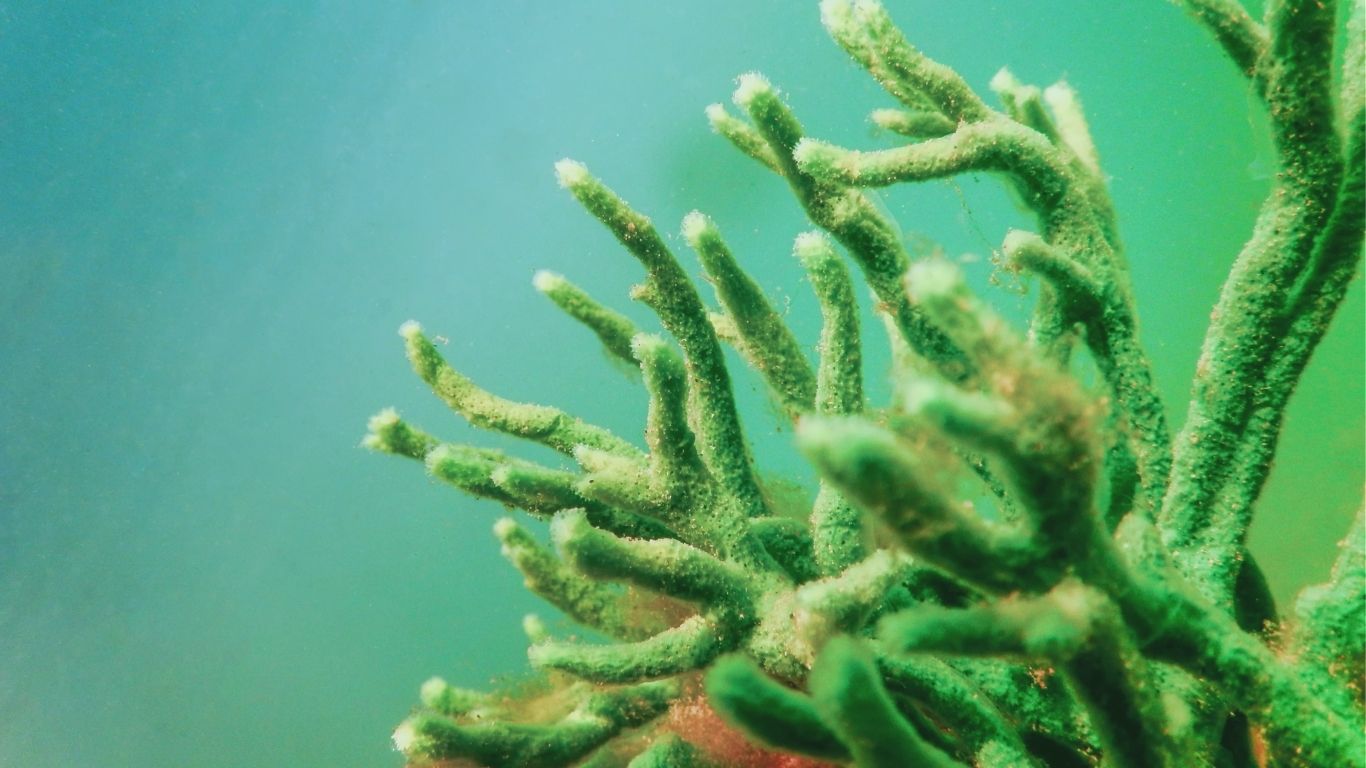
Badiaga, a distinctive and lesser-known remedy in the homeopathic pharmacopoeia, originates not from the plant kingdom, as many remedies do, but from a humble freshwater sponge. Its scientific name is Spongilla fluviatilis or Badiega fluviatilis, commonly found adhering to submerged logs, rocks, and pilings in clean lakes and slow-moving rivers across Europe and North America. The remedy’s name is derived from the Russian “badyaga,” a term for sponge.
The extraction process for the homeopathic mother tincture is as unique as its source. The living sponge is collected, thoroughly cleaned of debris and aquatic life, and then dried. Once desiccated, it becomes a brittle, greyish mass. This crude material is then subjected to the homeopathic process of trituration—a meticulous grinding with lactose sugar—to create the initial potentized substance. This triturated form is then dissolved in alcohol to create the mother tincture, from which all subsequent dilutions and potencies are made.
The historical use of Badiaga provides context for its homeopathic application. In traditional folk medicine, particularly in Eastern Europe, the dried and powdered sponge was used externally as a rubefacient—an irritant to redden the skin. It was applied as a poultice or plaster for treating rheumatism, bruises, and aching joints, creating a counter-irritant effect to relieve deeper pain. It is from this action of causing a superficial inflammation that homeopathy derives the principle of “like cures like,” shaping the core symptomatic picture of the Badiaga patient.
The Symptom Picture: Understanding the Badiaga Constitution
Homeopathic prescribing is based on a totality of characteristic symptoms, both physical and mental. Badiaga has a pronounced and specific symptom profile that guides its use.
Physical Symptoms:
The most hallmark indication for Badiaga is a sensation of soreness and bruising. The patient feels as if they are beaten or bruised all over, with particular sensitivity to touch and pressure. This is not limited to injuries but can be a pervasive bodily state. The muscles feel sore and stiff, often described as a “day-after” feeling without the exertion. This connects directly to its key action on fibrous tissues, muscles, and the periosteum (the membrane covering bones).
Pain is typically worse from motion, touch, and drafts of cold air. A patient may feel every jolt of a car ride or ache with changes in weather, particularly damp cold. Conversely, warmth and rest often bring relief.
Badiaga has a strong affinity for the skin and mucous membranes. It is indicated for raised, hardened lumps or swellings, particularly following traumatic injuries. It is also a noted remedy for certain types of headaches—a heavy, bursting sensation, as if the skull is too small for the brain, often accompanied by soreness of the scalp.
A unique and guiding symptom is its action on the lymphatic system. It is a prime remedy for swollen, indurated (hardened), and painful glands, especially in the neck and under the jaw. The glands feel stony hard and are very sensitive.
Mental and General Symptoms:
The Badiaga state often involves mental dullness and sluggishness. The mind feels foggy, with difficulty concentrating or thinking clearly. There can be a sense of indifference or apathy. Physically, the patient is often chilly and feels worse in cold, damp conditions. They may experience a general aggravation in the morning upon waking, feeling unrefreshed and sore.
Potencies and Their Application
Like all homeopathic remedies, Badiaga is available in a wide range of potencies, from low (e.g., 6C, 30C) to very high (e.g., 1M, 10M). The choice of potency is a nuanced decision based on the practitioner’s assessment.
Lower Potencies (6C – 30C): These are frequently used for acute, local conditions with clear physical symptoms. For example, a 30C potency might be chosen for a recent bruise with pronounced soreness, a stiff neck from a draft, or the early stages of swollen tonsils. Dosing in acute cases may be several times a day.
Medium to High Potencies (200C – 1M): These are employed for more chronic conditions, where the symptom picture is deeply ingrained or constitutional. A practitioner might prescribe a 200C potency for chronic rheumatic pains that are weather-sensitive, longstanding lymphatic congestion, or a persistent state of mental dullness with physical soreness. Dosing is much less frequent, sometimes a single dose, awaiting the body’s response.
The Mother Tincture: While not a “potency” in the diluted sense, Badiaga mother tincture is sometimes used externally in an old-fashioned manner, applied as a liniment for rheumatic pains or to soften hardened tissue. However, this is not classical homeopathic practice, which emphasizes internal potentized doses.
Self-prescription is generally advised only for acute, straightforward conditions at lower potencies. Chronic or complex cases require the expertise of a qualified homeopath.
Primary Uses and Clinical Applications
Based on its symptom profile, Badiaga finds its therapeutic niche in several key areas:
Musculoskeletal Ailments: It is a foremost remedy for myalgia (muscle pain) and fibrositis where the sore, bruised sensation is predominant. It is beneficial for rheumatic pains aggravated by cold and damp, and for pains in the bones themselves (periosteal pain). It can be helpful for the aftermath of over-exertion or physical trauma where soreness persists.
Lymphatic and Glandular Swellings: Its action on hard, swollen, and tender glands makes it useful in supportive care for tonsillitis, mononucleosis (where glands are characteristically hard and painful), and other conditions involving lymphatic congestion. It is not a cure for the underlying infection but addresses the specific symptom of indurated swelling.
Integumentary System (Skin): For raised, keloid-like scars, old hardened swellings from injuries, or cystic acne lesions that are hard and persistent, Badiaga may be considered to help soften and resolve the tissue.
Headaches: As mentioned, for headaches with a specific bursting, sore sensation, worse from motion, Badiaga can provide relief.
Side Effects, Precautions, and the Concept of “Aggravation”
In homeopathy, true side effects as understood in conventional pharmacology are rare due to the highly diluted nature of the remedies. However, two important concepts must be considered:
Homeopathic Aggravation: This is a temporary intensification of existing symptoms following a well-chosen remedy, seen as a sign that the vital force is responding. A Badiaga aggravation might involve a short-term increase in soreness or a throbbing in a gland before improvement begins. It is usually mild and self-limiting.
Incorrect Prescribing: If Badiaga is given based on a single symptom without matching the full picture, it will simply have no effect. There is no chemical toxicity, but the condition remains untreated.
Precautions include standard homeopathic practice: store remedies away from strong smells (camphor, menthol, essential oils), take them on a clean palate (away from food, drink, or toothpaste by 15-20 minutes), and avoid touching the pills. As with any health condition, serious or persistent symptoms require professional medical diagnosis. Homeopathy should be seen as a complementary system, not a replacement for necessary conventional care.
Comparisons with Other Remedies
Distinguishing Badiaga from similar remedies is crucial for accurate prescribing.
Badiaga vs. Arnica Montana: Both are famous for bruises and trauma. Arnica is for acute, recent trauma with a feeling of being “beaten up,” but with a key symptom of fear or aversion to being touched. The soreness is profound, but the patient says they are fine. Badiaga soreness is more chronic, with a sensitivity to touch, and is strongly associated with cold, damp aggravation and glandular involvement. Arnica is the first remedy for a fresh black eye; Badiaga might be for an old, hardened lump remaining after an injury.
Badiaga vs. Rhus Toxicodendron: Both have rheumatic pains worse in cold, damp weather. Rhus tox has intense stiffness that is worse on initial motion but better from continued gentle movement. The pains are tearing. Badiaga soreness is less about stiffness and more about a constant bruised ache, worse from motion itself, not improved by it.
Badiaga vs. Phytolacca: Both have hard, painful glands. Phytolacca glands are typically dark red or bluish, with a sensation of heat and a “lump of lead” pain, especially worse at night. The pain often radiates to the ears on swallowing. Badiaga glands are stony hard and sore, but without the pronounced heat and radiation of Phytolacca.
Badiaga vs. Calcarea Fluorica: Both address hard, indurated swellings and glandular enlargements. Calc fluor is a tissue salt for elasticity and is used for hard, non-tender enlargements, varicose veins, and hardened lymph nodes. Badiaga swellings are notably tender and sore, with the general bruised feeling pervading its use.
Frequently Asked Questions (FAQs) About Homeopathic Medicine Badiaga
1. What exactly is Badiaga?
Badiaga is a homeopathic medicine prepared from a freshwater sponge scientifically known as Spongilla fluviatilis. In its crude form, the dried sponge was historically used as a poultice for aches and pains. In homeopathy, it is highly diluted and potentized to treat a specific set of symptoms, primarily involving soreness, glandular swellings, and skin conditions.
2. What are the most common uses for Badiaga?
The most characteristic use of Badiaga is for a persistent sensation of bruised soreness throughout the body, as if beaten. It is commonly used for:
Muscle soreness and rheumatic pains worsened by cold, damp weather.
Swollen, hard, and painful lymph glands (e.g., in the neck or jaw).
Headaches that feel like a bursting, sore pain.
Hardened lumps or swellings on the skin or following old injuries.
A general state of physical and mental dullness with aggravation in the morning.
3. How is Badiaga different from Arnica? Both are for bruises, right?
This is a crucial distinction. While both are used for trauma, they have different symptom pictures:
Arnica is for acute, recent injuries (like a fresh bump or sprain) with soreness and bruising. A key mental symptom is the person insisting they are “fine” while avoiding being touched.
Badiaga is for a chronic, pervasive feeling of being bruised without recent injury. The soreness is constant and sensitive to touch. Badiaga also has strong affinities for hardened glands and cold aggravation, which Arnica does not.
4. What potency of Badiaga should I use, and how often?
Potency and dosage depend on the condition:
For acute issues (like a new stiff neck or recent gland swelling), lower potencies like 6C or 30C are often used. A common dosage is 2-3 pellets, 2-3 times a day, stopping as symptoms improve.
For chronic conditions (long-standing rheumatic pain or persistent gland issues), a higher potency like 200C may be prescribed by a professional, often as a single dose or infrequently repeated.
Always follow the instructions of a qualified homeopath or those on professionally packaged products. The “less is more” principle often applies.
5. Are there any side effects from taking Badiaga?
Due to the extreme dilution, homeopathic medicines like Badiaga are non-toxic and do not have drug-like side effects or interactions. However, a homeopathic aggravation is possible. This is a temporary, mild worsening of existing symptoms, seen as a sign the remedy is working, and is typically followed by improvement. If you experience new or severe symptoms, stop taking the remedy and consult a professional.
6. Can I use Badiaga while taking conventional medicines?
Yes, homeopathic remedies are generally considered safe to use alongside conventional medications because they work on a different, energetic principle and do not interfere pharmacologically. However, you should always inform all your healthcare providers about every treatment you are using. Homeopathy is complementary and should not be used to replace necessary medical treatment for serious conditions.
7. How do I take Badiaga correctly?
For best results:
Take the pellets on a clean palate—avoid food, drink, toothpaste, or strong flavors (like mint or coffee) for about 15-20 minutes before and after.
Allow the pellets to dissolve under the tongue.
Handle the pellets cleanly; avoid touching them with your hands. Tip them into the bottle cap and then into your mouth.
Store the remedy away from strong smells (essential oils, camphor) and sources of electromagnetic radiation.
8. Can Badiaga be used for skin conditions like keloids?
Yes, Badiaga is a known homeopathic remedy for hardened, raised tissue such as old scars, keloids, or indurated cystic acne. The principle is based on its ability to address fibrotic tissue. This is typically approached with a constitutional prescription from a homeopath, rather than self-treatment for a local symptom.
9. What does a “Badiaga constitution” look like?
While not everyone fits a perfect “type,” a person who benefits deeply from Badiaga may often feel physically sluggish, mentally dull or foggy, and chronically sore. They are typically very sensitive to cold, damp weather, which worsens all their aches. They may have a tendency toward hard, swollen glands and wake up in the morning feeling unrefreshed and achy.
10. Where can I buy Badiaga, and do I need a prescription?
Badiaga is available over-the-counter at many health food stores, specialty pharmacies, and online retailers that sell homeopathic medicines. You do not need a prescription for standard potencies. For guidance on potency selection and treating chronic conditions, consulting with a qualified homeopathic practitioner is strongly recommended.
Conclusion
Badiaga stands as a testament to homeopathy’s principle of investigating the healing potential in all natural substances. From its humble beginnings as a folk medicine sponge, its potentized form offers a clear and valuable therapeutic picture centered on profound soreness, cold sensitivity, and lymphatic induration. Its strength lies not in treating diseases by name, but in addressing a specific, lived experience of the body: one that feels persistently bruised, stiff, and aggravated by the cold, often accompanied by hardened, tender glands. While it may not be as frequently reached for as Arnica or Rhus tox, in the hands of a knowledgeable practitioner or an informed individual treating acute local symptoms, Badiaga proves to be a precise and effective key to unlocking a particular state of ill-health, promoting the body’s innate capacity to soften, soothe, and restore balance.