
Table of Contents
ToggleHomeopathic Medicine Fel Tauri: The Curative Power of Ox Gall in Homeopathy
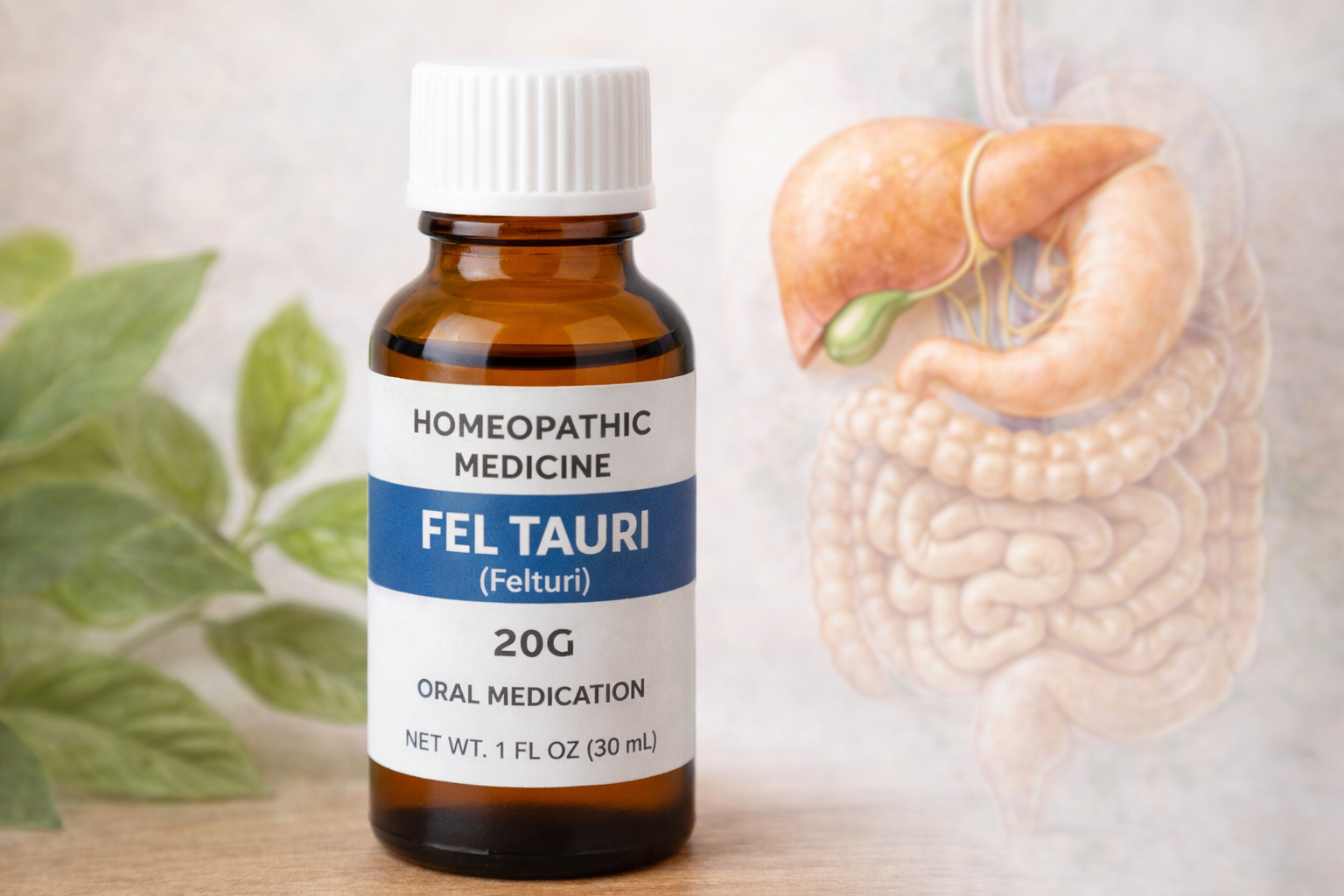
In the vast and nuanced world of homeopathy, remedies are sourced from every corner of nature—minerals, plants, and even animal substances. Among these, Fel Tauri, derived from the bile of an ox, stands as a fascinating and uniquely specific remedy. It is not a commonly prescribed polycrest, but in the hands of a skilled homeopath, it can be a powerful key to unlocking stubborn chronic conditions, particularly those rooted in hepatic dysfunction and profound digestive despair. This article delves into the origin, preparation, therapeutic landscape, and distinctive character of Fel Tauri.
Origin and Historical Context
The use of animal bile in medicine predates homeopathy by millennia. Traditional healing systems, from Ancient Egyptian to Chinese medicine, valued bile for its digestive and purgative properties. Samuel Hahnemann, the founder of homeopathy, introduced Fel Tauri into the homeopathic pharmacopoeia, recognizing that a substance capable of producing certain pathological symptoms in a healthy person could, in potentized form, cure similar symptoms in the sick.
The raw material is the fresh bile (gall) from the gallbladder of a healthy ox (Bos taurus). The choice of the ox is significant; as a ruminant, its digestive process, heavily reliant on bile for breaking down tough cellulose, symbolizes a profound connection to transformative metabolic functions. Homeopathy seeks the “essence” of this substance—not merely its biochemical components like bile acids and cholesterol, but the dynamic imprint of its function: the power to emulsify, break down, and process.
Extraction and Preparation: The Alchemy of Potentization
The preparation of Fel Tauri follows the strict, standardized homeopathic pharmacopoeia methods, ensuring safety and the activation of its curative energy.
Mother Tincture (Ø): The fresh ox bile is collected and solubilized in alcohol. This forms the basis, or the “mother tincture.”
Potentization: This is the cornerstone of homeopathic preparation. The mother tincture undergoes a process of serial dilution and vigorous succussion (forceful shaking). This process, believed to release the latent energetic blueprint of the substance, results in various potencies.
Low Potencies (e.g., 3X, 6X): These retain a more material concentration and are often considered for targeting physical symptoms, particularly sluggish liver and constipation.
Medium Potencies (e.g., 30C, 200C): Frequently used in clinical practice for treating both physical and emerging mental-emotional symptoms.
High Potencies (e.g., 1M, 10M): Reserved for deep-seated, chronic conditions where the mental and general symptoms are clear and predominant. These are prescribed by experienced homeopaths.
It is crucial to understand that in potencies above 12C, statistically, no molecule of the original bile remains. Homeopathy posits that the therapeutic effect is informational or energetic, not biochemical.
The Symptom Picture: Who is Fel Tauri?
A homeopathic remedy is defined by its totality of symptoms—physical, mental, and emotional. Fel Tauri presents a compelling and rather melancholic portrait.
Mental and Emotional State:
The Fel Tauri patient is often profoundly despondent, discouraged, and full of dread. This is not simple sadness; it is a deep-seated feeling that life is a burdensome, insurmountable task. There is a marked aversion to effort, both physical and mental. They may exhibit a peculiar contradiction: a fear of failure that paralyzes them, coupled with a fear of poverty that might drive sporadic, frantic work. Anxiety about health (hypochondriasis) is common, focusing intensely on their digestive woes. They feel worse from consolation and desire to be left alone.
Key Physical Symptoms and Modalities:
Liver and Digestion: This is the epicenter of Fel Tauri’s action. The patient suffers from sluggish, torpid liver function. Symptoms include a sense of fullness, pressure, and pain in the right hypochondrium (liver region), extending to the back. Digestion is painfully slow, with intolerance to fats, butter, and rich foods, which cause biliousness, nausea, and vomiting of bitter, greenish fluid. Constipation is a hallmark—stools are dry, hard, and passed with great difficulty, often accompanied by burning in the rectum. Conversely, it can also address certain types of watery, debilitating diarrhea.
Headaches: Characteristic bilious headaches, often occipital (back of the head) or spreading from the occiput to the entire head, associated with digestive upset and worsened by heat.
Skin: Jaundiced, yellowed skin and sclera (eyes) are classic indications. The skin may be itchy, dry, and unhealthy-looking, reflecting the internal “sluggishness.”
Modalities: Symptoms are typically worse from heat, warm rooms, and consuming fats or rich foods. They may feel better in open air and from cold applications.
Primary Uses and Clinical Applications
In contemporary homeopathic practice, Fel Tauri is considered primarily in the following scenarios:
Chronic Hepatic Disorders: It is a prime remedy for functional liver complaints—hepatitis (especially chronic), hepatic congestion, and cirrhosis in early stages. It addresses the feeling of a “congested, overburdened liver.”
Intractable Digestive Complaints: For dyspepsia, irritable bowel syndrome (IBS), and gallstone colic where the symptom picture matches. Its affinity for fat intolerance makes it relevant in a world of rich diets.
Stubborn Constipation: When constipation is due to deficient bile secretion and is associated with the characteristic mental despair and bilious headaches.
Migraines of Hepatic Origin: Headaches that are clearly triggered by dietary indiscretion and accompanied by nausea, vomiting of bile, and liver discomfort.
Supportive Care in Jaundice: As a holistic complement to conventional care for the symptomatic relief of jaundice.
Mental-Emotional Fatigue: In states of burnout, neurasthenia, or depression where the physical liver symptoms and aversion to effort are central features.
Side Effects and Safety Considerations
One of the foundational principles of homeopathy is the minimal risk of direct pharmacological side effects due to the high dilution of substances. This is a key distinction from herbal or allopathic uses of bile salts, which can cause cramping and diarrhea.
Homeopathic Aggravation: A temporary, mild intensification of existing symptoms can occasionally occur after taking a well-selected remedy. This is seen as a positive sign that the vital force is responding. In Fel Tauri, this might be a short-lived increase in bilious sensation or emotional lability.
Ineffectiveness or Mismatch: The primary “risk” is that the remedy will simply have no effect if the prescription is not based on a close similarity between the remedy picture and the patient’s symptoms.
Professional Guidance: Fel Tauri, especially in higher potencies, should be taken under the guidance of a qualified homeopath. Self-prescribing for chronic conditions is not advisable, as it may mask symptoms or lead to incorrect treatment.
Not a Substitute for Emergency Care: Acute abdominal pain, obstructive jaundice, or suspected gallstones require immediate conventional medical evaluation. Homeopathy can be used concurrently or for chronic management but not as an emergency intervention.
Prevention and Constitutional Care
Homeopathy is primarily a system of treatment, but its constitutional approach aims to restore overall health, thereby increasing resilience. A person who is a “Fel Tauri constitution” might be advised on lifestyle measures that align with their sensitivity:
Dietary Vigilance: A low-fat, easily digestible diet is paramount. Avoiding fried foods, heavy creams, and rich meats can prevent the triggering of both physical and mental symptoms.
Managing Stress: Since emotional despair is intertwined with physical dysfunction, stress-reduction techniques like mindful walking in open air (a modality of relief for the remedy) can be beneficial.
Regular Detoxification Support: Gentle liver-supportive habits, such as staying hydrated and consuming bitter greens (like dandelion or arugula), may help the underlying tendency towards hepatic torpor.
Comparative Analysis with Other Remedies
Understanding Fel Tauri requires distinguishing it from other remedies with overlapping spheres of action.
vs. Chelidonium: This is perhaps the closest analogue. Both act strongly on the liver and gallbladder, causing jaundice and right-sided pain. However, Chelidonium pain radiates to the right scapula (shoulder blade), and the tongue is yellow-coated. Mentally, Chelidonium is more irritable and hurried, lacking the profound, debilitating despair and aversion to effort seen in Fel Tauri.
vs. Lycopodium: A major liver and digestive remedy. Lycopodium patients have bloating and gas, especially in the lower abdomen, with a craving for sweets. They are intellectually capable but suffer from a deep-seated lack of confidence. Their liver issues are accompanied by anticipatory anxiety and a fear of public failure, whereas Fel Tauri’s dread is more global and linked to physical exhaustion.
vs. Nux Vomica: Both cover bilious headaches, constipation, and fat intolerance. Nux Vomica, however, is for the overindulgent, driven, and choleric individual who suffers from spasmodic issues (cramps, reflux) and extreme irritability. Fel Tauri is for the sluggish, drained, and despondent person whose system is underactive, not over-reactive.
vs. Carduus Marianus: This remedy focuses intensely on the liver and portal congestion, with marked tenderness over the liver and spleen. It has less development of the profound mental symptoms that define Fel Tauri. Its picture is more localized to the physical organ.
FAQs About Homeopathic Medicine Fel Tauri
1. What is Fel Tauri, and where does it come from?
Fel Tauri is a homeopathic remedy prepared from the fresh bile (gall) of an ox (Bos taurus). Its name is derived from Latin, with “Fel” meaning bile and “Tauri” referring to the bull or ox. In homeopathy, it is not used in its raw form but is highly diluted and potentized through a specific process to activate its therapeutic properties.
2. How is Fel Tauri made (potentized)?
The preparation starts with creating a mother tincture from ox bile dissolved in alcohol. This tincture then undergoes serial dilution and vigorous shaking, a process called succussion. This results in various potencies, such as 6C, 30C, or 200C. The “C” refers to the centesimal scale, indicating a dilution factor of 1 in 100 at each stage. This process is believed to imprint the energetic or informational blueprint of the substance onto the solvent, which is the basis of its homeopathic action.
3. What are the main mental and emotional symptoms of a Fel Tauri patient?
The Fel Tauri state is characterized by profound despondency, discouragement, and a sense of dread. Individuals may feel life is an unbearable burden and have a strong aversion to any form of effort, either physical or mental. They often experience anxiety about their health (hypochondria) related to their digestive problems and typically prefer to be alone, finding no comfort from consolation.
4. What are the key physical symptoms Fel Tauri is known for?
Its primary action is on the liver and digestive system. Key symptoms include:
A sluggish, congested liver with pain or fullness in the right upper abdomen.
Severe intolerance to fats, butter, and rich foods, leading to nausea and bilious vomiting.
Constipation with dry, hard, difficult-to-pass stools, often with a burning sensation in the rectum.
Bilious headaches, frequently starting at the back of the head.
Jaundiced, yellow-tinged skin or eyes.
5. Is Fel Tauri safe? Does it have any side effects?
Due to the high dilution involved in its preparation, Fel Tauri, like other homeopathic remedies, carries no risk of biochemical toxicity or side effects in the conventional sense. In some cases, a well-selected remedy may cause a temporary, mild intensification of existing symptoms, known as a “homeopathic aggravation.” This is usually short-lived and considered a sign that the body is responding. However, it should be taken under the guidance of a qualified practitioner.
6. Can I self-prescribe Fel Tauri for my liver or digestion issues?
While low potencies are available for purchase, self-prescribing for chronic conditions is not recommended. The remedy must match your unique totality of symptoms—physical, emotional, and mental. Misuse could lead to no effect or mask symptoms that need proper diagnosis. For persistent issues like jaundice, abdominal pain, or suspected gallstones, seeking conventional medical evaluation is essential first. Fel Tauri can then be used complementarily under professional guidance.
7. How is Fel Tauri different from other liver remedies like Chelidonium or Nux Vomica?
Fel Tauri vs. Chelidonium: Both treat right-sided liver pain and jaundice. However, Chelidonium pain characteristically radiates to the right shoulder blade, and the patient is more irritable. Fel Tauri’s defining feature is deep despondency and an aversion to effort.
Fel Tauri vs. Nux Vomica: Both address biliousness and indigestion. Nux Vomica suits driven, irritable, overindulgent individuals with spasmodic symptoms (like cramps and heartburn). Fel Tauri suits those who are sluggish, exhausted, and deeply discouraged, with an underactive system.
8. What does “worse from heat and fats” mean in relation to Fel Tauri?
This is a key “modality” or condition that affects the symptoms. A person needing Fel Tauri will typically find that their complaints—whether a headache, liver pain, or nausea—are aggravated or brought on by exposure to warm environments and, most characteristically, by eating fatty, rich, or greasy foods. Recognizing these triggers is an important part of identifying the remedy.
9. Can Fel Tauri be used preventively?
Homeopathy generally does not prescribe in a true preventive manner like a vaccine. However, a constitutional prescription of Fel Tauri by a homeopath aims to strengthen the individual’s overall vitality and correct the underlying dysfunctional state. This can make a person less susceptible to recurring bouts of biliousness, digestive upset, and the associated low mood. Lifestyle prevention for a Fel Tauri-sensitive person would involve maintaining a low-fat diet and managing stress.
10. Where can I get Fel Tauri, and how should I take it?
Fel Tauri is available from homeopathic pharmacies, both online and in stores. The potency and dosage (frequency of administration) are critical and should be determined by a homeopathic practitioner based on your case. General guidelines involve taking clean pellets, away from food or strong flavors (like mint or coffee), allowing them to dissolve under the tongue. Always follow the specific instructions provided by your practitioner or on the product label for over-the-counter potencies.
Conclusion
Fel Tauri embodies the homeopathic principle of treating the individual, not the disease. It is not merely “a remedy for liver problems,” but a remedy for a specific state of being—where physical hepatic torpor and a profound, effort-averse despondency are inextricably linked. Its power lies in its capacity to address the whole person, aiming to rekindle the metabolic and emotional “fire” that has become smothered. While not a first-aid staple, in the intricate puzzle of chronic illness, Fel Tauri remains a vital and irreplaceable piece, offering the promise of transformation to those whose lives are shadowed by the weight of both physical and spiritual indigestion. As with all homeopathic practice, its successful application hinges on the careful, holistic assessment by a trained practitioner, ensuring that this ancient substance, refined through homeopathic alchemy, meets the unique needs of the modern patient.