
Table of Contents
ToggleHomeopathic Medicine Angophora Costata: The Forgotten Australian Bush Remedy
In the vast and eclectic materia medica of homeopathy, a system of medicine built upon the principle of “like cures like,” there exist not only well-polished gems like Arnica and Nux Vomica but also lesser-known remedies waiting in the wings. One such intriguing substance is Angophora costata, a native Australian tree whose therapeutic potential was largely uncovered through the unique method of “proving”—a process where healthy individuals record the physical, mental, and emotional symptoms produced by ingesting a substance in minute doses, thereby revealing its curative signature. This remedy, born from the sun-baked landscape of Australia, offers a fascinating portrait of a state of profound sensitivity and nervous upheaval.
Origin and Botanical Background
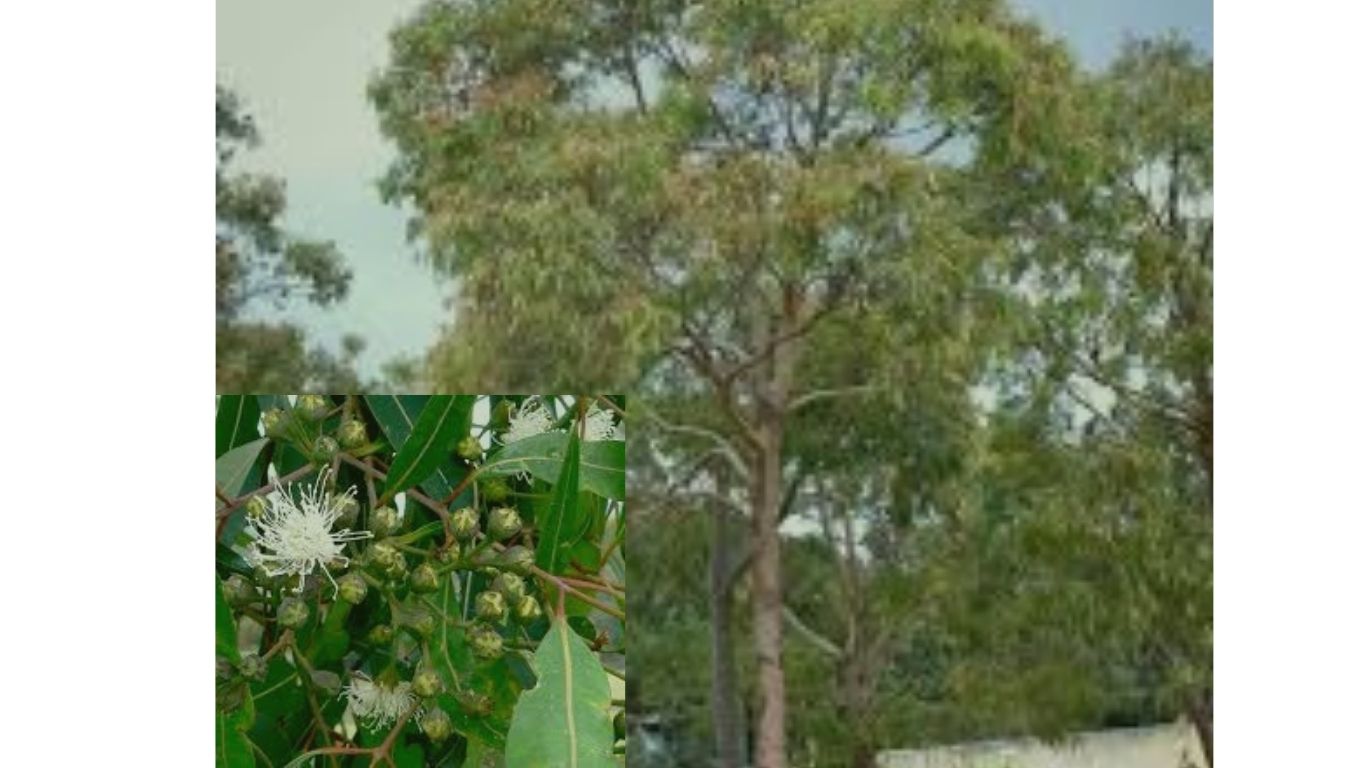
Angophora costata is a striking tree endemic to the eastern coast of Australia, commonly known as the Sydney Red Gum, Apple Myrtle, or Smooth-barked Apple. It belongs to the Myrtaceae family, making it a cousin to the Eucalyptus and the Tea Tree (Melaleuca). Unlike many eucalypts, its bark is smooth and salmon-pink, shedding in patches to create a mottled, painterly effect. Its name is derived from the Greek angelos (vessel) and phoros (bearing), referring to the cup-shaped seed vessels, while costata denotes the ribbed appearance of its leaves and fruits.
The tree thrives in sandstone-based soils and coastal heaths, embodying a resilience to harsh, dry conditions. Its introduction into homeopathy is relatively modern, stemming from a proving conducted by the Australian homeopath Ian Watson in the late 20th century. Watson, inspired by the growing interest in Australia’s native flora as a source of new remedies, prepared a tincture from the leaves and flowering tops of the tree and supervised its proving. The resulting symptomatology painted a picture not of a physical ailment, but of a distinct and profound state of nervous and emotional distress.
Extraction and Preparation of Potencies
The preparation of Angophora costata follows the standardized homeopathic pharmacopeia guidelines. The starting material, or mother tincture, is typically created from a fresh, flowering specimen to capture its full vital energy. The leaves and flowering tops are carefully harvested, cleaned, and then macerated in a mixture of alcohol and water. This maceration allows the soluble constituents and, in the homeopathic view, the energetic essence of the plant to be extracted.
From this mother tincture (denoted as Ø), the various homeopathic potencies are prepared through a process of serial dilution and succussion (vigorous shaking). This process, known as potentization, is fundamental to homeopathy. Lower potencies like 6C or 30C involve fewer dilution steps and are often used for more acute or localized symptoms. Higher potencies, such as 200C, 1M, or even 10M, undergo many more stages of dilution and succussion. These are considered to act on a deeper, more constitutional level, affecting the individual’s mental, emotional, and general vitality. The choice of potency is a critical clinical decision, based on the depth of the symptoms and the individual’s overall sensitivity.
The Symptom Picture: A Portrait of Hypersensitivity
The proving of Angophora revealed a core theme of extreme, almost unbearable hypersensitivity. This is not merely physical sensitivity but a total sensory and nervous overload. The individual needing Angophora feels raw, exposed, and violently reactive to their environment.
Mental and Emotional Symptoms:
This is the heart of the remedy. The state is one of intense nervous excitement and agitation. There is a marked hurry and impatience, but unlike the focused, deadline-driven impatience of Nux Vomica, it is a fragmented, chaotic rush. The mind feels scattered, with thoughts racing uncontrollably. Concentration is impossible. This leads to profound mental confusion—forgetfulness, misplacing items, and a feeling of being disconnected or “not quite present.” There is a strong sense of anticipatory anxiety, a dread of upcoming events, even trivial ones like a social engagement. This anxiety can manifest as a fear of crowds or a sense of being overwhelmed by people. Emotionally, the person may be highly irritable, snapping over minor disturbances, yet they can also feel deeply vulnerable and weepy. A peculiar sensation described in provings is the feeling that time is passing too quickly, adding to the frantic internal state.
Physical Symptoms:
The mental hypersensitivity translates directly into the physical sphere. A keynote symptom is extreme sensitivity to noise. Ordinary sounds—a ticking clock, distant traffic, the clatter of dishes—are perceived as jarring, intrusive, and painfully aggravating. There may be hypersensitivity to light and touch. Headaches are common, often described as a sensation of tightness or pressure, exacerbated by noise and mental exertion. The nervous excitement disrupts sleep, leading to restlessness, insomnia, and disturbed dreams. Physically, there can be a trembling sensation, palpitations linked to anxiety, and a general feeling of weakness or exhaustion from the constant nervous drain. Some provers reported peculiar sensations like a feeling of enlargement or puffiness in parts of the body, such as the lips or tongue.
Clinical Uses and Applications
Given this symptom profile, Angophora costata finds its primary use in conditions characterized by acute nervous hypersensitivity and burnout. Its applications are psychological and neurological rather than for specific organ pathologies.
Acute Stress Reaction and Overwhelm: It is a prime remedy for someone who has been “wired” for too long—perhaps after a period of intense work pressure, family crisis, or relentless multi-tasking—and has reached a breaking point. They are trembling, cannot switch off, are irritable, and cannot tolerate sensory input.
Attention-Deficit/Hyperactivity Disorder (ADHD): The Angophora picture mirrors the classic ADHD symptoms of distractibility, mental restlessness, impatience, and hypersensitivity to environmental stimuli. It may be considered where these symptoms are acute and exacerbated by stress.
Sensory Processing Disorder: For both children and adults who exhibit extreme sensitivity to sound, touch, or light, where the nervous system seems to lack a filter, Angophora may offer a calming, regulating effect.
Insomnia due to a Racing Mind: When sleep is impossible because thoughts are tumbling uncontrollably and the slightest noise jolts the person awake, this remedy can be invaluable.
Post-Exertional Malaise and Nervous Exhaustion: Unlike the profound, heavy weakness of Gelsemium or the complete collapse of China, the exhaustion of Angophora is intertwined with persistent nervous agitation. The person is tired but still wired.
Anticipatory Anxiety: For acute episodes of anxiety before events like exams, public speaking, or interviews, especially when accompanied by mental confusion and sensory sensitivity.
Side Effects and Safety Considerations
As with all homeopathic medicines prepared in high potencies, Angophora costata is generally considered safe due to the extreme dilution, which renders it devoid of molecular content of the original substance. There is no risk of pharmacological side effects or toxicological interaction with conventional medications.
However, within homeopathic philosophy, two primary considerations exist. First, an aggravation of symptoms is possible, especially if the potency is too high or the dose is repeated unnecessarily. A temporary intensification of the characteristic anxiety, restlessness, or sensitivity may occur before improvement sets in. This is seen by homeopaths as the vital force responding to the similar remedy. Second, as a deeply acting constitutional remedy, it can sometimes uncover or shift underlying emotional patterns. This is why consultation with a trained homeopath is advisable for the use of high potencies, to properly navigate the healing response. Self-prescription is best limited to low potencies (6C, 30C) for acute, clearly-defined states.
Prevention: A Constitutional Approach
Homeopathy does not conceptualize prevention in the conventional sense of vaccination. Instead, it aims to strengthen the individual’s inherent vitality and resilience. A well-selected constitutional remedy, which could be Angophora if the picture fits, may help stabilize a person prone to nervous hypersensitivity. By addressing the underlying state of chaotic reactivity, the individual may become less susceptible to being thrown into disarray by stress, sensory overload, or anticipatory anxiety. In this way, Angophora is not used to “prevent” a specific disease but to foster a state of equilibrium where the characteristic Angophora distress is less likely to manifest.
Comparative Analysis with Other Remedies
Distinguishing Angophora from similar remedies is key to its accurate prescription.
vs. Coffea Cruda (Coffee): Both remedies feature extreme nervous hypersensitivity, excitement, and insomnia from a racing mind. Coffea is the classic remedy for sudden, joyous excitement or acute grief leading to hyperactivity of mind and senses. The Angophora state is less about a specific emotional cause and more a chronic, wired state of being. Coffea is more acute and emotional in origin; Angophora is more constitutional and related to sensory processing.
vs. Nux Vomica (Poison Nut): Both are impatient, irritable, and stressed. However, Nux is driven, ambitious, and type-A. Their stress comes from overwork and indulgence (coffee, alcohol, rich food). They are aggravated by the morning and have a precise, controlling mind. Angophora lacks this control; their mind is chaotic and scattered, and their hypersensitivity (especially to noise) is far more pronounced than in Nux.
vs. Argentum Nitricum (Silver Nitrate): This is a crucial comparison, as both have marked anticipatory anxiety and confusion. Argentum nitricum individuals have impulsive anxiety, claustrophobia, and a craving for sweets. Their physical symptoms often involve tremors, diarrhea before events, and dizziness. Angophora shares the anxiety and confusion but leans more towards the sensory overload and fragmented mental state without the strong gastrointestinal component or specific impulses of Argentum nitricum.
vs. Tarantula Hispanica (Spanish Spider): This remedy exhibits extreme restlessness, haste, and sensitivity to music. However, Tarantula‘s restlessness is compelled and often has a dark, manic, or even violent edge. Angophora‘s restlessness stems from overwhelm and nervous exhaustion, not from a deep, driven internal compulsion.
Frequently Asked Questions About Homeopathic Medicine Angophora Costata
Homeopathic Angophora costata is a lesser known but valuable remedy, particularly for states of nervous hypersensitivity. Here are answers to some common questions about it.
1. What is Angophora costata primarily used for in homeopathy?
Angophora costata is primarily used to address conditions of extreme nervous and sensory hypersensitivity. Its core application is for individuals experiencing mental overwhelm, a racing and chaotic mind, acute anticipatory anxiety, and an inability to filter out environmental stimuli, especially noise. It is often considered for stress-induced insomnia, ADHD-like symptoms of distractibility, and a state of being “wired but tired.”
2. What are the key mental and emotional symptoms indicating Angophora?
The key indicators are a triad of symptoms:
Hypersensitivity: Especially to noise, but also to light, touch, and the presence of people.
Mental Chaos: A frantic, scattered mind with racing thoughts, poor concentration, forgetfulness, and a feeling of being hurried and impatient.
Anticipatory Anxiety: A sense of dread about upcoming events, often with mental confusion and a sense that time is passing too quickly.
3. How is Angophora costata different from Coffea for insomnia?
Both can treat insomnia from a racing mind. Coffea (Coffee) is typically for acute insomnia caused by a specific exciting event—sudden good news, joy, or grief—that causes a singular rush of ideas. Angophora is for a more chronic state of nervous system overload where the mind feels perpetually scattered and the person is broadly hypersensitive to their environment, not just sleepless from a single thought loop.
4. Can I use Angophora for anxiety before public speaking or exams?
Yes, it can be very effective for anticipatory anxiety, but only if your specific symptoms match the Angophora picture. If your anxiety is accompanied by pronounced mental confusion, a feeling of being scattered and unable to focus on preparation, and a heightened sensitivity to surrounding sounds, it may be a good fit. If your anxiety manifests more as diarrhea, dizziness, and impulsive behavior, Argentum nitricum might be closer.
5. What potency should I start with, and how often should I take it?
For acute, self-limiting situations (like a panic attack or acute overwhelm), a 30C potency is often recommended. A single dose (usually 2-3 pellets) is taken and then you wait to observe the response. Do not repeat the dose unless the symptoms return in full force. For chronic or constitutional issues, the potency and dosage schedule should be determined by a qualified homeopath, as it requires a deeper assessment.
6. Are there any side effects or aggravations?
As with any homeopathic remedy, a homeopathic aggravation is possible. This is a temporary, mild intensification of your existing symptoms, seen as the body’s healing response initiating. If you experience a brief increase in feelings of anxiety, restlessness, or sensitivity after taking Angophora, it often signifies the remedy is well-chosen. Stop dosing and allow the body to process it. If the aggravation is strong or prolonged, consult your homeopath.
7. Is it safe for children?
Yes, homeopathic Angophora costata in potentized form is safe for children. It may be considered for a child who is exceptionally sensitive, easily overstimulated in crowded or noisy environments, has difficulty focusing due to sensory distraction, or exhibits restless, impatient behavior coupled with emotional volatility.
8. Can I take Angophora costata alongside my conventional medications?
Homeopathic medicines do not interact pharmacologically with conventional drugs as they work on an energetic rather than biochemical level. Therefore, there is no risk of chemical interaction. However, it is always prudent to inform all your healthcare providers, including your homeopath and medical doctor, about every treatment you are using.
9. How long does it take to see results?
For an acute episode of anxiety or overwhelm, a well-chosen dose of Angophora can bring noticeable calming effects within minutes to an hour. For more deep-seated, chronic issues like a lifelong pattern of sensory sensitivity, the response may be more gradual and require a series of doses under professional guidance over weeks or months.
10. Where does Angophora costata come from?
The remedy is prepared from the Sydney Red Gum or Smooth-barked Apple tree (Angophora costata), a native of eastern Australia. The homeopathic mother tincture is typically made from the fresh leaves and flowering tops of the tree. Its proving (the process of determining its symptom picture) was conducted by Australian homeopath Ian Watson, bringing this Australian bush flower into the homeopathic repertoire.
Conclusion
Angophora costata stands as a testament to the ongoing expansion of the homeopathic materia medica and the value of studying indigenous plants. It provides a nuanced and vital tool for addressing a modern affliction: the state of being perpetually over-stimulated, neurologically “on,” and emotionally frayed by the demands of contemporary life. Its portrait of hypersensitivity, chaotic mental rush, and sensory intolerance offers hope for those who feel perpetually jangled by the world. While it may never achieve the household recognition of Arnica montana, within the homeopathic repertoire, Angophora holds a unique and essential place as the remedy for the overwhelmed, the over-wired, and the acoustically raw individual, helping to restore a sense of calm and coherence in a world of constant noise. Its story, from the ancient Australian coastline to the homeopath’s pharmacy, underscores homeopathy’s enduring quest to find healing agents for the evolving human condition.