
Table of Contents
ToggleThe Meadowsweet Remedy: A Comprehensive Guide to Homeopathic Medicine Filipendula Ulmaria
In the verdant realms of homeopathic materia medica, where remedies are drawn from the mineral, animal, and botanical kingdoms, Filipendula ulmaria holds a distinctive place. Known commonly as meadowsweet, this flowering plant has a history rich in herbal folklore, yet its homeopathic incarnation offers a precise and fascinating therapeutic profile. This article delves into the origin, preparation, clinical application, and nuances of this often-overlooked remedy.
Botanical Origin and Historical Context
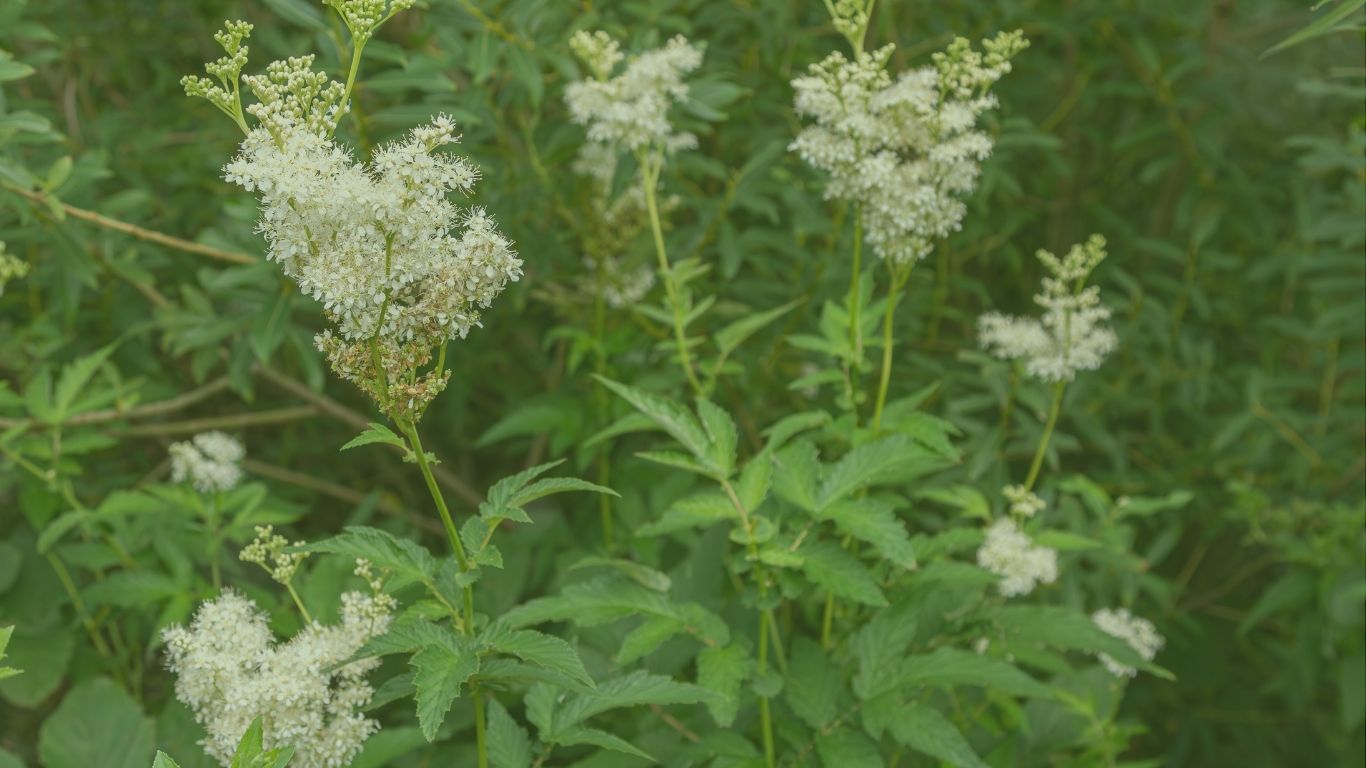
Filipendula ulmaria, formerly classified as Spiraea ulmaria, is a perennial herb native to Europe and Western Asia, now naturalized in North America. It thrives in damp meadows, ditches, and riverbanks, presenting clusters of creamy-white, intensely sweet-scented flowers atop reddish stems. The plant’s name is telling: “mead-wort” references its historical use in flavoring mead, while “ulmaria” nods to its elm-like leaves.
Long before its homeopathic proving, meadowsweet was a cornerstone of European herbal medicine. Celebrated by the Druids and later appearing in Chaucer’s The Knight’s Tale, it was a sacred herb revered for its ability to soothe aches, reduce fever, and comfort the stomach. Intriguingly, it was from meadowsweet (and willow bark) that salicylic acid was first isolated in the 19th century, paving the way for the synthesis of acetylsalicylic acid—aspirin. This historical connection to pain and fever relief forms a compelling bridge to its homeopathic applications, which, in keeping with homeopathic principles, are based on a different paradigm of symptom similarity rather than biochemical action.
Extraction and Preparation: From Plant to Potency
The homeopathic preparation of Filipendula ulmaria follows the strict pharmacopoeial standards of homeopathy. The remedy is typically derived from the fresh flowering plant, including the stems and leaves, harvested at the peak of its bloom to capture its vital medicinal essence.
The process begins with the preparation of the mother tincture, denoted as Ø. The fresh plant material is carefully cleaned, chopped, and macerated in a mixture of alcohol and water. This allows for the extraction of the plant’s soluble components. The resulting liquid is then filtered, yielding the mother tincture, which serves as the foundational stock for all subsequent dilutions.
The creation of potencies is a hallmark of homeopathic pharmacy. Through a process of serial dilution and succussion (vigorous shaking), the mother tincture is potentized. Common potencies available for Filipendula include:
6C, 30C: Often used for acute conditions, such as sudden headaches or gastric upsets.
200C: Employed for more established conditions with a clear symptom picture.
1M and higher: Used for deeper, chronic constitutional prescriptions, typically under the guidance of an experienced practitioner.
This process of potentization is believed in homeopathy to release the dynamic curative energy of the substance while eliminating any toxicological effects, making it safe for use across all ages.
The Symptom Picture: Guiding the Prescription
The homeopathic use of Filipendula is guided by its unique symptom portrait, derived from historical poisonings, clinical observations, and modern provings. A key theme is excessive acidity and its consequences, painting a picture of a system overwhelmed by internal sourness.
Mental and Emotional Sphere: While not its most prominent domain, there can be a tendency toward irritability and melancholy, often linked to physical discomfort. A defining characteristic is great depression from gastric disturbances—the mental state sours as the stomach does.
Key Physical Symptoms and Uses:
Rheumatic and Arthritic Pains: True to its herbal legacy, Filipendula is indicated for aching, sore, and stiff joints. The pains are often wandering and worse in damp, cold weather. A notable feature is rheumatic pain in the neck and back, with a feeling of intense fatigue and bruising. It is as if the body’s fluids have turned acidic, irritating the joints and muscles.
Gastric Disturbances with Acidity: This is the heart of the remedy’s action. It is a prime candidate for acid dyspepsia, heartburn, and gastritis, especially when accompanied by a sensation of sourness. The patient may experience sour belching, sour vomiting, and a sour taste in the mouth. There is a marked tendency for waterbrash—the sudden filling of the mouth with tasteless or sour saliva. The stomach feels painfully sensitive and heavy.
Headaches: Filipendula headaches are frequently linked to gastric upset. The headache may be preceded or accompanied by digestive acidity, suggesting the origin of the pain lies in the dysfunctional stomach. The pain itself can be severe, with a sense of fullness or pounding.
Diarrhea: The remedy is excellent for acidic diarrhea in children, often occurring during dentition. The stools are greenish, frothy, and smell intensely sour, causing extreme redness and excoriation of the buttocks and perineum. The child is fretful and uncomfortable.
Genitourinary and Cystitis: Extending the theme of acidity, Filipendula can be useful in cystitis where the urine is highly acidic, cloudy, and burning. It may smell strong and sour, irritating the bladder and urethra.
Modalities: Symptoms are generally worse from motion, cold damp air, and excessive consumption of acidic foods or alcohol. There may be some amelioration from rest and open air.
Safety, Side Effects, and Prevention
In the homeopathic potency, Filipendula ulmaria is non-toxic and free from the side effects associated with its biochemical constituents, such as salicylates. There is no risk of gastrointestinal bleeding or Reye’s syndrome as with aspirin. The principle of “like cures like” uses a micro-dosed substance to stimulate the body’s self-regulation.
However, as with any homeopathic remedy, an improper prescription—one not matched to the individual’s symptom totality—may simply produce no effect. In rare cases of a very close but incorrect prescription, a temporary aggravation of symptoms may occur, which is usually mild and self-limiting.
Homeopathy is a system of individualized medicine. The best prevention of illness, therefore, lies not in a single remedy but in constitutional care. For someone who exhibits a strong Filipendula diathesis (e.g., a lifelong tendency to acidic digestion, sour body odors, and rheumatic pains aggravated by damp), a well-chosen constitutional remedy by a professional may help rebalance their underlying susceptibility.
Comparative Analysis with Other Remedies
Placing Filipendula within the homeopathic landscape clarifies its specific niche.
vs. Pulsatilla and Antimonium crudum: All three can have gastric issues with a coated tongue and digestive upset. Pulsatilla is for mild, yielding individuals with changeable symptoms and a lack of thirst; their discharges are bland, not sour. Antimonium crudum has a thick white tongue and ailments from overeating, with irritability, but the key is stubbornness and a disgust for life, not necessarily pronounced sourness. Filipendula’s signature is pervasive acidity.
vs. Rhus toxicodendron: Both are major remedies for rheumatism worse in damp cold. Rhus tox has intense stiffness that improves with continued motion and is restless. Filipendula’s pains are more about sore bruising and are intimately tied to gastric acidity; motion does not bring clear relief.
vs. Robinia: This is Filipendula’s closest competitor for acidic conditions. Robinia (from black locust) is even more sharply focused on extreme, burning hyperacidity, profuse sour vomiting, and violently acidic headaches. It is a more acute, intense picture. Filipendula presents a broader, more systemic picture of acidity affecting joints and mind, with a stronger rheumatic component.
vs. Sulphuricum acidum: Another great acid remedy, Sulph-acid is for profound weakness and decay, with hemorrhages and diarrhea that is involuntary and exhausting. The acidity is part of a picture of collapse. Filipendula’s weakness is more from rheumatic fatigue and gastric distress, without the same level of debility.
Frequently Asked Questions (FAQs) About Homeopathic Medicine Filipendula Ulmaria
1. What is homeopathic Filipendula ulmaria, and what is its common name?
Homeopathic Filipendula ulmaria is a natural remedy prepared from the meadowsweet plant through a process of serial dilution and succussion (vigorous shaking). Its common name is meadowsweet, and it is also historically known as Spiraea ulmaria. In homeopathy, it is used based on the principle of “like cures like” to treat conditions that mirror the symptoms it can produce in its crude form.
2. What are the main health conditions Filipendula ulmaria is used for in homeopathy?
The remedy has a strong affinity for issues marked by excessive acidity. Its primary uses include:
Acidic digestive disorders (heartburn, sour belching, gastritis).
Rheumatic and arthritic pains, especially when worse in damp, cold weather.
Headaches that originate from or are accompanied by gastric upset.
Sour, excoriating diarrhea in infants and children.
Cystitis with acidic, burning urine.
3. Is there a connection between meadowsweet and aspirin?
Yes, there is a historical biochemical connection. Salicylic acid, a key compound used to create acetylsalicylic acid (aspirin), was first isolated from the meadowsweet plant (and willow bark). However, this is not how the homeopathic remedy works. Homeopathic Filipendula is highly diluted and works on an energetic principle based on symptom similarity, not on delivering a biochemical dose of salicylates. It does not carry the same risks (like stomach bleeding) associated with aspirin.
4. How do I know if Filipendula ulmaria is the right remedy for me?
The key is matching your specific symptoms to the remedy’s characteristic picture. Consider Filipendula if your symptoms have a strong theme of sourness (sour taste, sour vomit, sour-smelling stools or urine) and are accompanied by aching, bruised-feeling joints or headaches tied to digestion. It is best to consult with a qualified homeopathic practitioner for a constitutional assessment, especially for chronic conditions, as they can evaluate your total symptom profile.
5. What potencies are commonly available, and how do I choose one?
Common potencies include 6C, 30C, and 200C. For acute, self-limiting conditions like a sudden bout of sour indigestion or a headache from dietary indiscretion, a 6C or 30C potency is typically recommended, taken a few times a day until symptoms improve. Higher potencies like 200C and above are generally used for more entrenched or chronic issues and should be selected under the guidance of a practitioner. The frequency of dose decreases as the potency increases.
6. Are there any side effects or risks associated with taking homeopathic Filipendula?
When taken in homeopathic potency, the remedy is considered safe, non-toxic, and free from the pharmacological side effects of the crude plant. There is no risk of overdose in the conventional sense. If the remedy is incorrectly matched to your symptoms, it will simply have no effect. In rare cases, a very close but not perfect match may cause a mild, temporary aggravation of symptoms, which should resolve quickly on its own.
7. Can I take Filipendula ulmaria alongside conventional medications or other supplements?
Homeopathic remedies are generally considered compatible with other medications, as they work on a different principle. They are not known to interact chemically. However, it is always prudent to inform all your healthcare providers (conventional and complementary) about everything you are taking to ensure coordinated and safe care. Strong substances like camphor, menthol, or eucalyptus are sometimes said to potentially antidote homeopathic remedies, so it’s advised to separate their use by a reasonable interval.
8. Can Filipendula be used for children and infants?
Yes, it is considered a gentle and safe remedy for all ages. It has a particular reputation for treating acidic diarrhea in teething infants, where the stools are greenish, frothy, sour-smelling, and cause severe redness and diaper rash. For children, use lower potencies (like 6C or 30C) and follow dosing guidelines for their age.
9. How does Filipendula ulmaria differ from other homeopathic remedies for acidity, like Robinia or Pulsatilla?
vs. Robinia: Robinia is for more intense, sharp, burning acidity—think violent sour vomiting and blindingly painful acidic headaches. Filipendula has a broader picture, connecting acidity to rheumatic pains and a general sense of sourness throughout the system.
vs. Pulsatilla: Both can have digestive upset. However, a Pulsatilla person is mild, tearful, craves sympathy, has bland discharges, and feels worse in a stuffy room. A Filipendula picture is defined by sour discharges and worse in damp cold, without the strong emotional need for consolation.
10. Where can I purchase homeopathic Filipendula ulmaria, and how should I store it?
It is available in many health food stores, specialty pharmacies, and from online retailers specializing in homeopathic products. Look for reputable brands. Store the remedies in a cool, dark place away from strong odors (perfumes, essential oils), electromagnetic fields (like microwaves), and direct sunlight. Keep the bottle’s cap tightly closed.
Conclusion
Filipendula ulmaria stands as a beautiful example of homeopathic philosophy, where a plant’s historical toxicological and medicinal profile is transmuted through potentization into a precise healing agent. Its symptom picture—a tapestry woven with threads of sourness, rheumatic pain, and gastric distress—offers a clear therapeutic identity. While it may not be a polychrest remedy of the stature of Sulphur or Lycopodium, its value in treating conditions where acidity is the central theme is undeniable. From the fretful infant with excoriating diaper rash to the adult suffering from arthritic pains and sour belching, Filipendula ulmaria provides a gentle yet profound avenue for restoring balance, honoring both its ancient herbal heritage and its modern homeopathic refinement. As always, its most successful application lies in the careful, individualized matching of the remedy’s portrait to the unique expression of illness in the patient.