
Table of Contents
ToggleA Comprehensive Exploration of Homeopathic Medicine Aegle Marmelos: From Sacred Tree to Healing Remedy
In the vast and intricate world of homeopathic medicine, remedies are drawn from every conceivable corner of nature—minerals, animals, and a profound array of plants. Among these, Aegle marmelos, commonly known as Bael, holds a unique and venerable position. This ancient tree, deeply rooted in the spiritual and medicinal history of the Indian subcontinent, offers a homeopathic remedy of significant depth, primarily targeting debilitating digestive and constitutional disorders. This article delves into the origin, preparation, clinical portrait, and therapeutic applications of this fascinating polychrest remedy.
Origin and Botanical Background
Aegle marmelos belongs to the Rutaceae family and is native to India and Southeast Asia. Revered for millennia, it is often found planted in temple gardens and is considered sacred to Lord Shiva in Hinduism, earning it the name “Shivaduma” (the tree of Shiva). Every part of the tree—root, bark, leaf, fruit, and flower—has been employed in traditional Ayurvedic medicine for centuries. The fruit, in particular, is a cornerstone of herbal treatment for gastrointestinal ailments, consumed both ripe and unripe for its therapeutic benefits.
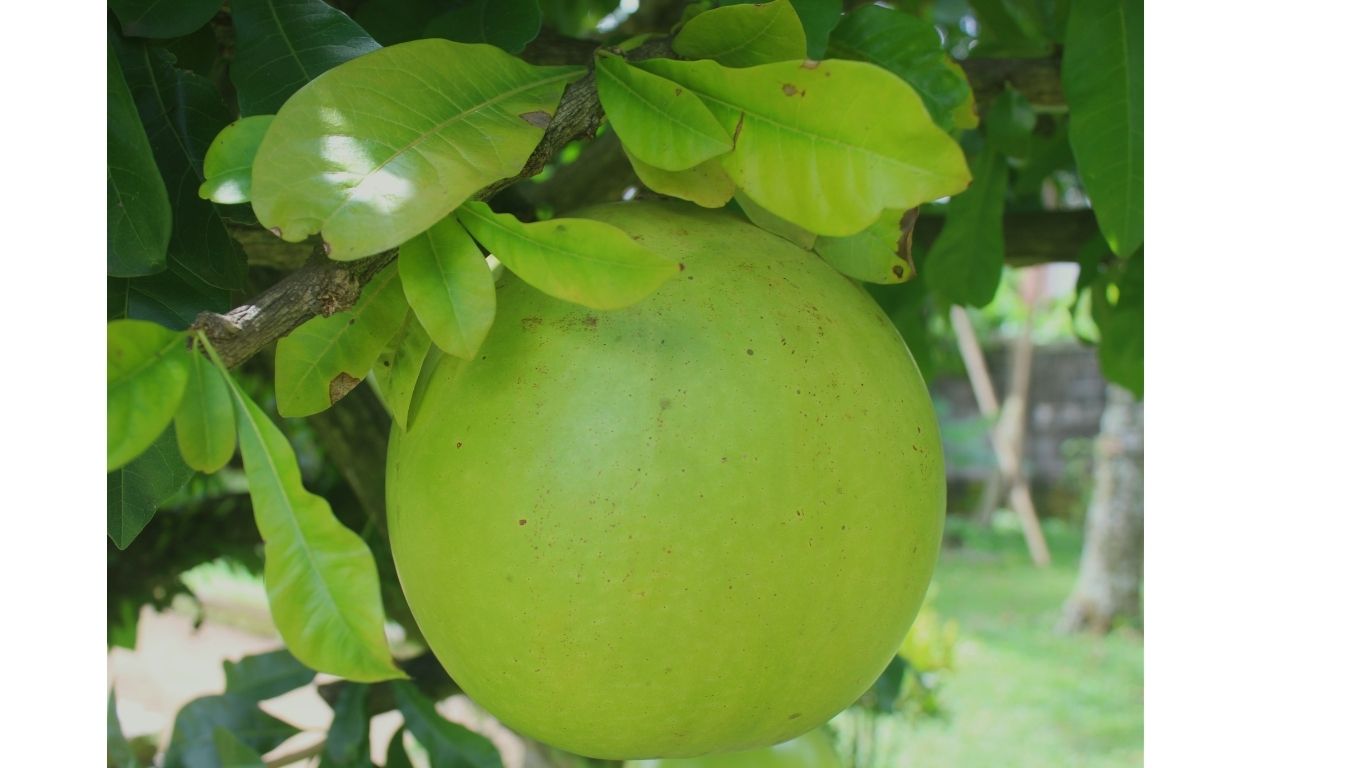
The homeopathic remedy, however, is not derived from the ripe, sweet fruit commonly eaten. Instead, it is prepared from the unripe, green fruit. This is a critical distinction, as the unripe fruit possesses a different biochemical and energetic profile, being intensely astringent and capable of provoking the very symptoms it is meant to cure in its homeopathically potentized form. The translation of this traditional knowledge into homeopathic materia medica is a testament to the system’s principle of “like cures like,” where a substance that can cause symptoms in a healthy individual is used to treat similar symptoms in a sick one.
Extraction and Preparation of Potencies
The preparation of Aegle marmelos in homeopathy follows the standardized pharmacopeial methods established by Dr. Samuel Hahnemann. The process begins with the collection of the unripe, green fruit. The fresh fruit is cleaned and then undergoes a process of trituration or maceration to extract its essential properties.
For the mother tincture, designated as Ø, the pulped material is macerated in a mixture of alcohol and water. This allows for the soluble active principles of the plant to be drawn out into the menstruum. This liquid extract, after a period of maceration and filtration, becomes the foundational mother tincture.
The creation of potentized remedies from this tincture involves serial dilution and succussion (vigorous shaking). The most common scales used are the Centesimal (C) and Decimal (X or D) potencies. In the Centesimal scale, one part of the mother tincture is diluted with 99 parts of a diluent (water-alcohol) and succussed to produce 1C. This process is repeated to create 2C, 3C, and so on, up to very high potencies like 200C, 1M (1000C), and beyond. Decimal potencies follow a 1:9 dilution ratio. Lower potencies (e.g., 6X, 6C, 30C) are often used for more localized, physical symptoms, while higher potencies (200C and above) are typically selected for deeper, constitutional conditions and are prescribed based on the totality of the patient’s mental, emotional, and physical symptoms. The choice of potency remains a nuanced art, dependent on the prescriber’s experience and the individual case.
The Symptom Picture: Key Characteristics and Guiding Symptoms
Homeopathic prescribing is not based on a disease name but on a unique constellation of symptoms. Aegle marmelos has a well-defined symptom picture, primarily centered on the digestive tract, but extending to general vitality.
1. Digestive Disorders (The Core Domain):
This is the undisputed forte of Aegle marmelos. The remedy is a prime candidate for chronic, persistent, and debilitating diarrhoea.
Character of Stools: The diarrhoea is typically painless, profuse, and watery, often described as involuntary or gushing out. It may be yellowish or greenish and is often preceded by intense flatulence and rumbling. A key feature is the absence of pain, which distinguishes it from remedies like Colocynthis (which has cutting, doubling-up pain) or Dioscorea (pain that radiates).
Aggravating Factors: Symptoms are notably worse in the morning, often forcing the patient out of bed. They can also be aggravated by eating or drinking anything, even water.
Associated Sensations: There is a profound sense of weakness and exhaustion from the diarrhoea, a feeling as if the “vital force is draining away.” The abdomen is often distended with coldness.
2. General Modalities and Constitution:
Aggravation: As mentioned, morning is a key time of aggravation. Symptoms may also worsen from motion and eating.
Amelioration: Rest and lying down often provide some relief.
Constitutional Type: The Aegle marmelos patient is often weak, exhausted, and chilly. The chronic loss of fluids leads to a state of depletion, both physical and mental. They may appear sluggish, indifferent, and unable to concentrate due to the systemic drain.
3. Lesser-Known but Important Symptoms:
Headaches: Headaches that are associated with or follow digestive disturbances.
Respatory Affinities: Some sources indicate a use in chronic catarrhal conditions, with a loose cough and copious expectoration, again following the theme of profuse discharges.
Skin: It has been used for conditions with unhealthy skin and persistent itching.
Primary Uses and Clinical Applications
In contemporary homeopathic practice, Aegle marmelos is considered a specialist remedy rather than a broad polychrest. Its uses are specific:
Chronic Diarrhoea and Malabsorption Syndromes: It is a leading remedy for cases of irritable bowel syndrome (IBS-D type), chronic enteritis, and diarrhoea-predominant conditions where the stool is painless and exhaustive. It is particularly useful when the condition has persisted for a long time and the patient’s vitality is low.
Summer Diarrhoea in Children and Adults: For acute bouts of watery, painless diarrhoea during hot weather.
Diarrhoea from Dietary Indiscretion: When consuming disagreeable food leads to the characteristic gushing, painless stools.
Debility Following Diarrhoea: To address the profound weakness and exhaustion that remains after the acute phase of diarrhoea has passed, helping to restore tone and vitality.
As a Constitutional Remedy: In cases where the patient’s overall history and presentation align with the Aegle marmelos picture—chilly, exhausted, prone to morning aggravation and painless diarrhoea.
Side Effects and Safety Considerations
A fundamental tenet of homeopathy is the use of highly diluted substances, which makes properly prepared homeopathic remedies generally considered safe with a very low risk of adverse effects. Aegle marmelos in potency is non-toxic. However, two important concepts must be understood:
Homeopathic Aggravation: Upon taking a well-selected remedy, a temporary intensification of existing symptoms may occur. This is often viewed as a positive sign that the vital force is responding. Any such aggravation with Aegle marmelos would be mild and short-lived.
Improper Use: As with any homeopathic remedy, if taken repeatedly for symptoms it does not match, it may simply be ineffective. It does not interact with conventional medications, but it is always prudent to inform all healthcare providers about any supplements or remedies being used.
The crude, unripe fruit, in contrast, can have side effects if consumed in excess in its herbal form, such as constipation or gastric irritation, but this is entirely separate from the homeopathic preparation.
Prevention: A Philosophical Note
Homeopathy does not operate on a conventional model of “prevention” like a vaccine. Its philosophy is to strengthen the individual’s inherent vital force, making them less susceptible to disease. In that sense, a correctly prescribed constitutional remedy, which could be Aegle marmelos for a person with that specific diathesis, may bring about a state of improved health where they are less prone to recurrent episodes of debilitating diarrhoea. It is not used as a prophylactic against specific pathogens but as a means of optimizing systemic resilience.
Comparisons with Other Homeopathic Remedies
Distinguishing Aegle marmelos from similar remedies is crucial for accurate prescribing:
Aloe Socotrina: Both have urgency and involuntary stool. However, Aloe has a marked loss of confidence in the sphincter, a feeling of the stool escaping with flatus. There is often griping and cramping pain relieved by passing stool, and the stool may contain mucus. Aegle is more about painless, watery gushing.
Podophyllum peltatum: This is perhaps the closest analogue. Podophyllum also has painless, gushing, profuse morning diarrhoea that is exhaustive. Key differentiators include: Podophyllum diarrhoea may be offensive and can alternate with constipation or headache. Podophyllum may have prolapse of the rectum during stool, a less prominent feature in Aegle. Podophyllum is also a hotter remedy in temperament.
Gambogia: Has sudden, violent, painless yellow diarrhoea that shoots out. The distinguishing feature is an intense, burning heat in the anus during evacuation, which is not characteristic of Aegle.
Sulphur: While Sulphur has morning diarrhoea (driving out of bed at 5 a.m.), it is often accompanied by burning and redness of the anus. The Sulphur patient is typically hot, philosophical, and has a much broader constitutional picture.
China Officinalis (Cinchona): For exhaustive diarrhoea with extreme debility. The key difference is that China‘s weakness comes from loss of vital fluids, and the diarrhoea is often associated with extreme bloating that is not relieved by passing gas. The abdomen is painfully distended.
Frequently Asked Questions (FAQs) About Homeopathic Medicine Aegle Marmelos (Aegle Mar)
1. What is Aegle Mar in homeopathy?
Aegle Mar is the abbreviated homeopathic name for Aegle marmelos, a remedy prepared from the unripe fruit of the Bael tree. It is a well-known medicine primarily used for treating specific types of chronic, debilitating diarrhea and related digestive weaknesses.
2. Where does the remedy Aegle Mar come from?
The remedy is derived from the unripe, green fruit of the Aegle marmelos tree, native to India and Southeast Asia. The tree is sacred in Hindu culture. The homeopathic preparation involves a process of serial dilution and succussion (vigorous shaking) of the mother tincture made from this fruit.
3. What are the main symptoms that indicate Aegle Mar?
The classic guiding symptom for Aegle Mar is painless, profuse, and watery diarrhea that is exhausting. It often occurs in the morning, forcing the person out of bed, and may be aggravated by eating or drinking. There is a marked sensation of weakness and coldness in the abdomen.
4. Can Aegle Mar be used for acute diarrhea?
Yes, it can be considered for acute episodes, particularly “summer diarrhea,” when the symptoms match: sudden, gushing, painless, watery stools leading to quick exhaustion. However, for chronic or recurrent conditions, it is more often used as a constitutional remedy prescribed by a professional.
5. What are the common potencies of Aegle Mar and how do I choose one?
Aegle Mar is available in various potencies like 6C, 30C, 200C, and 1M. Lower potencies (6C, 30C) are often used for acute physical symptoms and may be repeated more frequently. Higher potencies (200C and above) are typically prescribed for chronic conditions based on a deep constitutional assessment. Consulting a qualified homeopath is essential for correct potency and dosage selection.
6. Are there any side effects of taking Aegle Mar?
Properly potentized homeopathic Aegle Mar is generally considered safe due to its high dilution. It is non-toxic and non-habit forming. In some cases, a homeopathic aggravation—a temporary, mild intensification of existing symptoms—may occur, which is usually a sign of the body responding to the remedy.
7. How is Aegle Mar different from other diarrhea remedies like Podophyllum?
While both have painless, gushing, morning diarrhea, key differences exist:
Podophyllum diarrhea is often very offensive, may alternate with constipation, and can be accompanied by prolapse of the rectum.
Aegle Mar focuses more on the profound exhaustion and weakness from the fluid loss, with a cold, distended abdomen. A homeopath distinguishes them based on these finer details.
8. Can Aegle Mar be taken with conventional medicines?
Homeopathic remedies do not interfere chemically with conventional drugs. However, it is crucial to inform all your healthcare providers (allopathic and homeopathic) about every medication and supplement you are taking to ensure coordinated care. Do not stop prescribed conventional medication without consulting your doctor.
9. How should I take Aegle Mar pellets?
The standard practice is to take the pellets on a clean tongue, avoiding food or drink (except water) for about 15-20 minutes before and after. Handle the pellets cleanly, without touching them directly. The pellets are usually allowed to dissolve under the tongue.
10. Is Aegle Mar used for conditions other than diarrhea?
Its primary use is gastrointestinal. However, in homeopathy, a remedy is prescribed for the whole person. Aegle Mar may be indicated for headaches that follow diarrhea, general debility, or even some respiratory catarrh with profuse discharges, provided the overall symptom picture matches.
11. Can children take Aegle Mar?
Yes, it is considered safe for children and can be very effective for childhood diarrhea with the characteristic painless, exhaustive, and gushing stools. The dosage and potency should be determined by a homeopathic practitioner.
12. Where can I buy Aegle Mar?
It is available at many homeopathic pharmacies, both physical and online. Ensure you purchase from a reputable supplier. Remember, while it is available over-the-counter, for best results—especially for chronic issues—a professional consultation is highly recommended.
Disclaimer: This information is for educational purposes only and is not a substitute for professional medical advice, diagnosis, or treatment. Always seek the advice of a qualified homeopathic practitioner or physician with any questions you may have regarding a medical condition.
Conclusion
Aegle marmelos stands as a beautiful example of homeopathy’s bridge between traditional wisdom and holistic healing. From its sacred origins to its specific application in homeopathic practice, it serves as a powerful tool for a particular pattern of illness—one of painless depletion. Its value lies not in treating a diagnosis, but in addressing the individual whose life force is manifesting through a specific, debilitating pattern of digestive distress. As with all homeopathic remedies, its power is unlocked not by rote application, but through the careful, individualized matching of the patient’s unique symptom tapestry to the distinct portrait of the remedy.