
Discover Natural Ways to Treat Acid Reflux and GERD. Explore Causes, Symptoms, Diagnosis, Prevention and Effective Homeopathic Remedies
Introduction
Acid reflux is an extremely common condition that millions of people experience, whether as an occasional bout of discomfort after a heavy meal or a persistent issue that interferes with daily life. That familiar burning sensation in the chest, often called heartburn, is the hallmark sign of stomach acid making its way back up into the esophagus. While it is often manageable with lifestyle tweaks, understanding the deeper complexities of acid reflux—from its root causes to its potential long-term effects—is crucial for maintaining long-term health and well-being. This article explores acid reflux in detail, covering its symptoms, causes, complications, prevention strategies, and also delves into the alternative perspective of homeopathic treatment.
What is Acid Reflux?
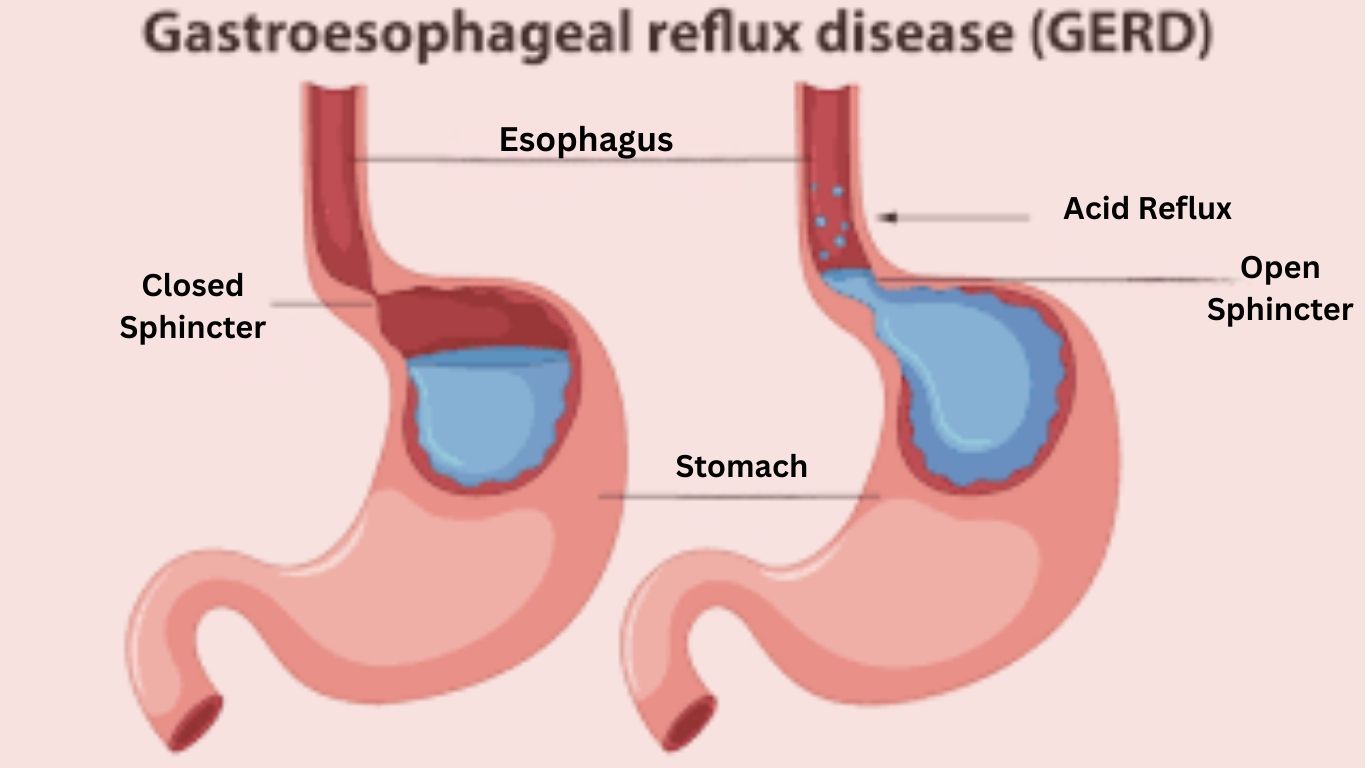
To understand acid reflux, one must first understand the simple mechanics of digestion. When we eat, food travels down the esophagus, the tube connecting the mouth to the stomach, and passes through a muscular valve called the lower esophageal sphincter (LES). This sphincter acts as a one-way door, opening to let food in and closing tightly to prevent stomach contents from flowing back up .
Acid reflux occurs when this LES becomes weak or relaxes inappropriately, allowing stomach acid and digestive juices to splash back into the esophagus. Unlike the stomach, which has a robust lining to protect it from harsh acids, the esophagus does not. This exposure leads to irritation and inflammation, resulting in the symptoms we associate with reflux . When this becomes a chronic condition, typically defined by mild symptoms occurring at least twice a week or more severe symptoms once a week, it is diagnosed as Gastroesophageal Reflux Disease (GERD) .
Symptoms of Acid Reflux
The symptoms of acid reflux can range from mildly annoying to severely uncomfortable and can vary significantly from person to person. While heartburn is the most recognized symptom, the condition can manifest in several other ways.
Common Symptoms:
Heartburn: This is the most prevalent symptom, described as a burning pain or discomfort that rises from the stomach or lower chest up towards the neck. It often occurs after eating and might be worse when lying down or bending over .
Regurgitation: This is the sensation of acid backing up into the throat or mouth, often leaving a sour or bitter taste. It can sometimes feel like “wet burps” or, in more severe cases, lead to vomiting .
Dyspepsia: This term encompasses a group of symptoms that often accompany heartburn, including pain and discomfort in the upper abdomen, a feeling of being overly full or bloated after a meal, and nausea .
Less Common and Atypical Symptoms:
Sometimes, acid reflux doesn’t present with classic heartburn at all, a condition sometimes referred to as “silent reflux.” In these cases, the acid irritates other areas, leading to:
Chronic Cough: A persistent, dry cough, especially at night, can be triggered by acid irritating the windpipe (trachea) and lungs .
Laryngopharyngeal Issues: Stomach acid can reach the throat and voice box, causing hoarseness, a sore throat, a frequent need to clear the throat, or the sensation of a lump in the throat .
Asthma Symptoms: For some, reflux can worsen or even trigger asthma symptoms like wheezing and shortness of breath .
Chest Pain: Some individuals experience severe, pressure-like chest pain that can mimic the symptoms of a heart attack, necessitating immediate medical attention to rule out cardiac issues .
Causes and Risk Factors
The direct cause of acid reflux is the malfunction of the lower esophageal sphincter. However, several factors can contribute to this malfunction, increasing the likelihood of developing reflux. It’s important to note that GERD is usually not caused by the stomach producing too much acid, but rather by the acid ending up where it doesn’t belong .
Lifestyle and Dietary Factors:
Diet: Certain foods are common triggers as they can relax the LES or increase stomach acid. These include fatty or fried foods, spicy dishes, chocolate, caffeine, citrus fruits, tomato-based products, and vinegar .
Eating Habits: Consuming large meals or eating just before lying down puts significant pressure on the LES, making it easier for acid to escape .
Weight: Excess body weight, particularly around the abdomen, increases pressure on the stomach, pushing its contents up against the LES .
Smoking and Alcohol: Both tobacco and alcohol can weaken and relax the LES, making reflux more likely .
Medical and Physical Conditions:
Hiatal Hernia: This is a condition where the upper part of the stomach protrudes through the diaphragm and into the chest cavity. This displacement can severely impair the function of the LES .
Pregnancy: Hormonal changes and the physical pressure of the growing uterus on the stomach make reflux very common, especially in the later stages .
Medications: Certain medications can contribute to reflux, including some nonsteroidal anti-inflammatory drugs (NSAIDs), blood pressure medications, and sedatives .
The Effects and Complications of Untreated GERD
While occasional heartburn is uncomfortable, leaving chronic GERD untreated can have serious consequences. The continuous assault of stomach acid on the delicate esophageal lining can lead to significant damage over time .
Esophagitis: This is a condition of chronic inflammation of the esophagus. The irritated lining can become swollen, red, and may even develop bleeding or ulcers (open sores) .
Esophageal Stricture: As the esophagus heals from repeated acid damage, scar tissue can form. This scar tissue can build up and narrow the esophagus, leading to dysphagia, or difficulty swallowing, where food feels like it is getting stuck in the chest .
Barrett’s Esophagus: This is one of the most severe complications. In response to persistent acid exposure, the normal cells lining the lower esophagus can change and begin to resemble the cells lining the intestine. This condition, known as Barrett’s esophagus, is pre-cancerous and significantly increases a person’s risk of developing esophageal adenocarcinoma, a serious form of cancer .
Respiratory Problems: As mentioned earlier, acid can be aspirated into the lungs, causing or worsening conditions like chronic cough, asthma, bronchitis, or even pneumonia. It can also lead to laryngitis and permanent damage to the vocal cords .
Prevention and Lifestyle Management
For many people, managing acid reflux begins with taking control of lifestyle factors. These modifications are often the first line of defense and can be highly effective in reducing the frequency and severity of episodes.
Dietary Adjustments: The most effective step is identifying and avoiding personal food triggers. Keeping a food diary can be helpful. In general, it’s wise to limit the intake of fatty foods, spicy dishes, chocolate, caffeine, and acidic drinks like orange juice and cola .
Mindful Eating Habits: Eating smaller, more frequent meals rather than three large ones can prevent the stomach from becoming overly full. It is also crucial to avoid lying down for at least two to three hours after a meal to let gravity help keep stomach contents down .
Weight Management: Losing even a modest amount of weight can reduce intra-abdominal pressure, strengthening the LES’s ability to keep acid at bay .
Sleep Hygiene: Elevating the head of the bed by about six to eight inches can be a game-changer for those who experience nighttime reflux. This can be done with bed risers or a wedge pillow. This uses gravity to prevent acid from flowing into the esophagus while sleeping .
Clothing and Posture: Wearing loose-fitting clothes can help, as tight belts or waistbands can squeeze the stomach and push acid upward. Staying upright and engaging in light activity, like walking, after a meal is better than sitting or lying down.
The Homeopathic Perspective on Treatment
Homeopathy offers a different paradigm for treating acid reflux, focusing on the individual as a whole rather than just the disease. It is based on the principle of “like cures like,” using highly diluted substances that would produce similar symptoms in a healthy person to stimulate the body’s own healing response. While evidence for its efficacy is largely anecdotal and based on case studies rather than large-scale clinical trials, it remains a sought-after approach for many.
In homeopathy, treatment is highly individualized. A homeopath will consider not only the physical symptoms of acid reflux but also the patient’s mental and emotional state, personality, and specific symptom modalities (what makes it better or worse). The goal is to find a constitutional remedy that matches the patient’s unique symptom picture .
For example, a recent case report detailed the successful management of a GERD patient using the homeopathic medicine Sulphur. The patient presented with severe regurgitation and vomiting that disrupted sleep. The prescription was based on the individual’s overall mental state and symptom similarity. After administering Sulphur in a 30C potency, the patient experienced a significant reduction in regurgitation and was comfortable within a short period, with no relapse reported after three weeks . This illustrates the homeopathic approach of selecting a remedy based on a holistic assessment of the individual, aiming to trigger a curative response.
Other common homeopathic remedies for reflux might be chosen based on specific symptom patterns:
Arsenicum Album: Often indicated for individuals with burning pain, anxiety, restlessness, and intolerance of cold drinks or food.
Nux Vomica: Frequently used for those with heartburn triggered by overindulgence in rich food, spicy food, coffee, or alcohol, often accompanied by irritability and a sedentary lifestyle.
Carbo Vegetabilis: Suited for individuals with bloating, belching, heaviness, and sluggish digestion, where symptoms are worse after eating fatty foods.
It is critical to understand that homeopathic treatment should be sought from a qualified and registered professional. Self-prescribing can be ineffective and may delay treatment for a condition that could have serious complications. Furthermore, it should ideally be used as a complementary approach alongside conventional medical advice, not as a replacement, especially in cases of severe or complicated GERD .
Conclusion
Acid reflux is a multifaceted condition that extends far beyond simple heartburn. It involves a complex interplay of mechanical, lifestyle, and physiological factors. Recognizing the wide array of symptoms, understanding the underlying causes, and being aware of the potential long-term effects of untreated GERD are the first steps toward effective management. While lifestyle modifications and dietary changes form the cornerstone of prevention, both conventional medicine and alternative approaches like homeopathy offer pathways to relief. Whether through the targeted acid suppression of PPIs or the holistic, individualized approach of homeopathy, the goal remains the same: to heal the esophagus, alleviate discomfort, and prevent the serious complications that can arise from allowing this common condition to go unchecked. If you suspect you have chronic acid reflux, consulting with a healthcare professional is essential to develop a safe and effective treatment plan tailored to your needs.













1 thought on “Natural Ways to Treat Acid Reflux”