
Table of Contents
ToggleTMJ Disorder: Symptoms, Causes, Effects, Prevention and Homeopathic Remedies for TMJ Disorder
Temporomandibular Joint Disorder (TMD) is a condition that can turn the simple, everyday actions of talking, eating, and even smiling into sources of persistent pain. It’s a complex and often misunderstood health problem affecting the delicate hinge connecting your jaw to your skull. This article aims to provide a detailed, human-centric look at TMD, exploring its symptoms, root causes, wide-ranging effects, practical prevention strategies, and a deep dive into one of its more controversial and sought-after treatment paths: homeopathy.
Understanding the Temporomandibular Joint and Its Disorders
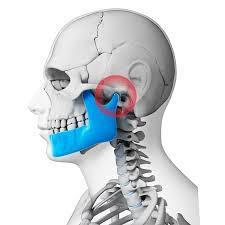
To understand TMD, you first need to appreciate the incredible engineering of the temporomandibular joint (TMJ). You have two of these joints, one on each side of your face, located just in front of your ears. They are among the most complex joints in the human body, working in perfect synchronization to facilitate a hinge-like motion (opening and closing) and a sliding motion (side-to-side and protruding). This intricate movement is made possible by a combination of bones, muscles, ligaments, and a unique cartilage disc (the meniscus) that acts as a shock absorber between the jawbone (mandible) and the temporal bone of your skull .
Temporomandibular Disorder (often called TMJ or TMD) is an umbrella term for a range of problems that cause dysfunction and pain in these joints and the surrounding muscles . It’s not a single condition but a collection of issues, which is why its symptoms and effects can vary so widely from person to person. For some, it’s a mild, intermittent nuisance; for others, it’s a chronic, debilitating condition that significantly impacts quality of life .
Recognizing the Symptoms of TMD
The symptoms of TMD can be surprisingly diverse, often mimicking other health problems, which can make diagnosis tricky. They generally fall into a few key categories: pain, joint noise, and restricted movement.
Pain and Discomfort
Pain is the most common reason people seek help for TMD. This pain is often described as a dull, persistent ache in the jaw joint area, which may radiate to other regions. You might feel it in your face, along your cheekbone, in your temples, or even down into your neck and shoulders . This pain is typically aggravated by jaw movement, such as chewing, yawning, or talking . Many individuals also experience frequent headaches or earaches, and sometimes a feeling of fullness or buzzing in the ears without an actual ear infection .
Sounds from the Joint
One of the most disconcerting symptoms for patients is the noise their jaw makes. Clicking, popping, or grating sounds (crepitus) are very common when opening or closing the mouth . It’s important to note that if these sounds are not accompanied by pain, they are often not a cause for concern and don’t necessarily require treatment . However, when pain accompanies the noise, it usually indicates a more significant issue within the joint.
Restricted Jaw Function
TMD can also lead to problems with jaw movement. This can range from a general difficulty in opening the mouth fully (sometimes called lockjaw) to the jaw getting stuck in either an open or closed position . This restriction can make everyday activities like eating a large sandwich, brushing your teeth, or even giving a dental examination a real challenge. The muscles may feel tight or go into spasm, further limiting movement .
The Complex Causes of TMD
For many years, there were simplistic theories about what causes TMD, often blaming a “bad bite” (malocclusion) alone. Modern research and clinical guidelines have moved away from this, showing that TMD is almost always caused by a combination of interacting factors .
Muscle Tension and Parafunctional Habits
The most common culprits are problems with the muscles that control the jaw. This is often driven by parafunctional habits—things we do with our mouths that are outside of normal functions like eating and speaking. The primary offenders are teeth grinding and clenching, collectively known as bruxism . This can happen during the day (awake bruxism), often as a subconscious response to concentration or stress, or at night (sleep bruxism), which can be more damaging due to the greater force exerted . Other habits like chewing gum constantly, biting your nails, or holding a pen between your teeth can overwork and fatigue the jaw muscles, leading to pain and spasms .
Stress: The Great Aggravator
Stress does not directly “cause” TMD, but it is a massive contributing factor . When you’re stressed, your body’s natural response is to tense muscles, including those in your jaw, shoulders, and neck. You might clench your jaw without even realizing it. This heightened state of tension can trigger a TMD flare-up or make existing pain significantly worse. The pain then causes more stress, creating a vicious cycle .
Structural and Joint Issues
Sometimes the problem lies within the joint itself. This can include:
Internal Derangement: This refers to a displacement of the soft cartilage disc (meniscus) inside the joint, often causing the clicking or popping sounds .
Injury (Trauma): A direct blow to the jaw from a fall or accident, or even a whiplash injury, can damage the joint structures .
Arthritis: Degenerative joint diseases like osteoarthritis or inflammatory conditions like rheumatoid arthritis can affect the TMJ, just as they do other joints in the body .
It’s also worth noting that TMD often coexists with other chronic pain conditions like fibromyalgia, irritable bowel syndrome, and chronic fatigue syndrome, suggesting a possible shared underlying factor in how the body processes pain .
The Wide-Ranging Effects of TMD
The impact of TMD extends far beyond a sore jaw. Its effects can ripple through a person’s entire life.
Physical Effects
Beyond the primary symptoms, TMD can lead to chronic, daily pain that is exhausting to manage. It can cause worn-down teeth due to grinding, which may lead to dental sensitivity and damage . The associated neck and shoulder pain can contribute to poor posture, which in turn can worsen the jaw problem .
Emotional and Psychological Effects
Living with persistent pain is incredibly stressful. It can lead to feelings of frustration, anxiety, and depression . The unpredictability of flare-ups can make social situations stressful—fear of pain when laughing or enjoying a meal with friends can lead to social withdrawal.
Impact on Daily Life
TMD can directly affect your ability to eat a nutritious diet. When chewing is painful, people often avoid hard, crunchy, or chewy foods like fresh apples, nuts, or steak, opting for softer, potentially less nutritious options . For those whose profession involves speaking (teachers, singers, lawyers) or playing a wind instrument, TMD can be a serious career impediment. Sleep is often disrupted, either by the pain itself or by nighttime grinding, leading to fatigue and difficulty concentrating during the day .
Practical Prevention Strategies
While you can’t prevent every case of TMD, especially those stemming from arthritis or injury, you can significantly reduce your risk by minimizing the strain on your jaw muscles and joints. Prevention is largely about mindfulness and breaking bad habits.
Mind Your Habits
The first step is becoming aware of when you’re using your jaw unnecessarily.
Teeth Apart, Lips Together: A key piece of advice is to maintain proper resting posture for your jaw. Throughout the day, consciously check in with yourself. Your teeth should be slightly apart, your lips gently closed, and your tongue resting lightly on the roof of your mouth, just behind your front teeth . This keeps the jaw muscles in a relaxed, non-working state.
Avoid Parafunctional Habits: Make a conscious effort to stop chewing on pens, pencils, fingernails, or the inside of your cheek. If you chew gum, try to cut back or stop altogether .
Manage Your Stress
Given stress’s powerful role in TMD, effective stress management is a cornerstone of prevention.
Relaxation Techniques: Incorporate activities into your routine that promote relaxation, such as deep breathing exercises, meditation, yoga, or tai chi .
Regular Exercise: Physical activity is a fantastic stress reliever. Even a daily 30-minute walk can help reduce overall tension in the body .
Protect Your Jaw
Watch Your Diet: Be mindful of what you eat. Cut food into smaller pieces to reduce the amount of chewing required. Avoid very hard or chewy foods, especially during times of high stress when you might be more prone to clenching .
Maintain Good Posture: Believe it or not, your overall posture affects your jaw. When sitting or standing, try to keep your ears, shoulders, and hips in a straight line. Forward head posture can strain the muscles of the neck and jaw .
Get a Night Guard: If you know you grind your teeth at night (or if your partner tells you), talk to your dentist about getting a custom-made stabilization splint or mouthguard. This device won’t stop you from grinding, but it will protect your teeth from wear and can help reduce the strain on your jaw joints and muscles .
Exploring Homeopathic Treatment for TMD
For those seeking natural alternatives to conventional painkillers or who haven’t found complete relief with other methods, homeopathy is sometimes explored. It’s essential to approach this topic with a clear understanding of what homeopathy is and the evidence surrounding it.
What is Homeopathy?
Homeopathy is a system of alternative medicine based on two main principles: “like cures like” (a substance that causes symptoms in a healthy person can be used in very small amounts to treat similar symptoms in a sick person) and the “law of minimum dose” (the more a substance is diluted, the more potent it becomes). Homeopathic remedies are often diluted to the point where no molecules of the original substance remain. In many countries, including the United States, these products are sold over-the-counter but have not been evaluated by the Food and Drug Administration (FDA) for safety or efficacy, and the FDA states it is not aware of scientific evidence to support homeopathy as effective .
A Holistic Perspective
Proponents of homeopathy for TMD, like Dr. Roze in a recent article, argue that its strength lies in its holistic approach . Instead of just suppressing the symptom of pain, a homeopathic practitioner aims to treat the whole person—considering their physical symptoms, emotional state, and even personality traits. This is particularly relevant for TMD, which has such a strong mind-body connection. The goal is to address the root causes, such as inflammation, muscle tension, and stress, which are often intertwined .
Common Homeopathic Remedies for TMD Symptoms
A homeopathic practitioner would select a remedy based on a person’s unique symptom profile. Here are some examples mentioned in literature, along with the type of symptoms they are traditionally used for :
| Remedy | Commonly Indicated For |
|---|---|
| Rhus Toxicodendron | Pain and stiffness that is worse upon initial movement but improves with continued gentle motion. |
| Hypericum Perforatum | Sharp, shooting, or nerve-related pain, especially if the jaw is sensitive to touch. |
| Calcarea Fluorica (Calc. Fluor.) | Chronic TMD with joint stiffness, weakness of the ligaments, or clicking sounds. |
| Ignatia Amara | TMD symptoms that are closely linked to stress, grief, or emotional tension. |
| Nux Vomica | Jaw tension associated with a high-stress lifestyle, irritability, and bruxism. |
| Ruta Graveolens | General joint pain and stiffness, particularly if there is a feeling of weakness in the joint. |
It’s important to note that these are just examples. A commercial product like “TMJ Ease” is a pre-made combination spray containing multiple remedies like Baptisia tinctoria, Calcarea fluorica, Hypericum perforatum, and Ignatia amara, among others, marketed specifically for jaw pain and inflammation .
The Role of Nutrition in a Holistic Plan
A holistic approach to TMD often goes hand-in-hand with nutritional advice, focusing on reducing inflammation and supporting tissue repair. An anti-inflammatory diet rich in omega-3 fatty acids (from salmon, flaxseeds), magnesium (from spinach, almonds) to relax muscles, and collagen-building nutrients (from bone broth) can be beneficial . This dietary approach supports the body’s natural healing processes and complements other treatments, whether they are conventional or homeopathic.
Frequently Asked Questions About Homeopathic Remedies for TMJ Disorder
Navigating the world of alternative medicine can be confusing, especially when you’re dealing with the persistent pain of TMD. Here are answers to some of the most common questions people have about using homeopathy for jaw joint issues.
1. What exactly is a homeopathic remedy, and how is it made?
A homeopathic remedy is a specially prepared substance, usually derived from plants, minerals, or animals, that is used to stimulate the body’s own healing response. The process, known as “potentization,” involves two main steps:
Dilution: A small amount of the original substance is repeatedly diluted in a mixture of water and alcohol. This is done many times, often to the point where statistically, not a single molecule of the original substance remains.
Succussion: Between each dilution, the liquid is vigorously shaken. Homeopaths believe this process transfers the “healing energy” or “memory” of the substance into the solution.
The final product is typically a spray, small sugar pellets (lactose or sucrose), or tablets that have been saturated with the diluted solution.
2. Is there any scientific evidence that homeopathy works for TMD?
This is the most critical question. The vast majority of scientific research and major health organizations, including the National Institutes of Health (NIH) in the US and the National Health Service (NHS) in the UK, conclude that there is no robust, high-quality scientific evidence to support homeopathy’s effectiveness for any specific condition, including TMD, beyond a placebo effect. While many individuals report positive personal experiences, these are not the same as evidence from rigorous, double-blind, placebo-controlled clinical trials that are the gold standard in modern medicine. The principles of homeopathy are not consistent with the laws of chemistry and physics as we understand them today.
3. If there’s no scientific proof, why do some people say it helps them?
There are several potential reasons why someone might feel better after taking a homeopathic remedy:
The Placebo Effect: This is a powerful and well-documented phenomenon where a person experiences a genuine improvement in symptoms simply because they believe they are receiving a helpful treatment. The mind-body connection is very real, and belief alone can trigger the release of the body’s own pain-relieving chemicals.
Natural Fluctuation of Symptoms: TMD symptoms are notorious for “waxing and waning.” They can flare up and then naturally settle down on their own. If a person starts a remedy just as their symptoms were about to improve naturally, they might attribute that improvement to the remedy.
The Holistic Consultation: A consultation with a homeopath is often very detailed and empathetic, spending a great deal of time listening to the patient’s emotional state and specific complaints. This therapeutic interaction itself can be a powerful stress reliever, which, as we know, is a major factor in TMD. Feeling heard and understood can reduce muscle tension and anxiety, leading to genuine symptom relief.
4. Are homeopathic remedies safe to take alongside my other medications?
Generally, homeopathic remedies are considered very safe because they are so highly diluted that they are unlikely to contain any pharmacologically active molecules. This means they are unlikely to interact with conventional medications in a negative way. However, it is absolutely crucial to inform your doctor, dentist, and any other healthcare providers about every supplement, herb, or remedy you are taking. While a direct interaction is unlikely, you should never stop or change a prescribed medication without your doctor’s approval. Also, be aware that some “homeopathic” products may actually contain measurable amounts of active ingredients, so always buy from a reputable source.
5. I’ve heard of a remedy called “TMJ Ease.” What is it?
“TMJ Ease” is a commercial, pre-packaged homeopathic product specifically marketed for jaw pain and tension. It’s a “combination remedy,” meaning it contains a mixture of several different individual homeopathic ingredients, such as Baptisia tinctoria, Calcarea fluorica, Hypericum perforatum, and Ignatia amara. The idea is to cast a wide net by combining remedies that address different aspects of TMD (e.g., muscle tension, nerve pain, ligament issues). This differs from “classical” homeopathy, where a practitioner would prescribe a single, highly specific remedy based on a detailed individual consultation.
6. Can a homeopath prescribe a remedy just for me?
Yes. A “classical” homeopath will spend a significant amount of time with you—often an hour or more—asking detailed questions not only about your jaw pain (e.g., Is it sharp or dull? Does heat or cold make it better? Does movement help or hurt?) but also about your personality, your emotional state, your sleep patterns, and your food preferences. They use this complete “symptom picture” to find a single remedy that most closely matches your unique profile. This is the highly individualized, holistic approach that is the cornerstone of classical homeopathy.
7. Should I see a homeopath instead of my doctor or dentist for my TMD?
No. A qualified medical doctor or a dentist with specialized training in orofacial pain is essential for a proper diagnosis. TMD can mimic other serious conditions, and a professional needs to rule these out. They can also offer evidence-based treatments like physical therapy, occlusal splints (mouthguards), or specific exercises that have been proven to work. Think of it this way: your doctor/dentist should be your primary “driver,” and homeopathy, if you choose to explore it, might be one of your “passengers”—something you discuss with them and use alongside, not instead of, their recommendations.
8. If I want to try homeopathy, what’s the best way to start?
Get a Diagnosis First: As mentioned, your first step must be to see a dentist or doctor to get an accurate diagnosis. You need to know what you are dealing with.
Do Your Research: Look for a qualified and registered professional homeopath. In many countries, there are professional bodies that register practitioners who have completed recognized training programs.
Have an Open Conversation: Speak with your dentist/doctor about your interest in trying homeopathy. A good practitioner will be open to discussing it and will want to ensure all your treatments are coordinated safely.
Be an Informed Consumer: Understand the lack of scientific evidence and manage your expectations. View it as a complementary therapy you are trying for yourself, while continuing with the core, evidence-based strategies recommended by your primary healthcare provider.
Conclusion
Temporomandibular Disorder is a multifaceted condition that goes far beyond a simple “jaw problem.” It’s a complex interplay of muscles, joints, nerves, and emotions that can significantly disrupt a person’s life. From the dull ache in the cheek and the clicking sound at mealtimes to the frustrating impact on diet and social interaction, its effects are deeply personal.
The good news is that for most people, TMD is manageable. The path to relief almost always begins with simple, reversible, and evidence-based self-care: being mindful of jaw clenching, managing stress, eating a softer diet, and practicing good posture. Professional treatments like physiotherapy, stabilization splints, and specific jaw exercises have strong support in clinical guidelines .
For those drawn to a holistic path, homeopathy may seem like an appealing option, promising to treat the whole person, including the emotional stressors that fuel TMD. While it has a dedicated following, it’s crucial to remember that its principles are not scientifically validated, and it is not a substitute for treatments with proven efficacy. The best approach to conquering TMD is often a comprehensive one—combining the wisdom of evidence-based medicine with lifestyle changes that promote overall well-being. If you suspect you have TMD, the first step is to consult with a healthcare professional, such as a dentist or a physiotherapist specializing in orofacial pain, to get a proper diagnosis and develop a management plan tailored just for you.