
Table of Contents
ToggleBags Under Eyes: Causes, Effects, Prevention and Homeopathic Remedies for Bags Under Eyes
Introduction:
Bags under the eyes are a common cosmetic concern that can make us look tired, older, or less vibrant than we feel. Almost everyone will experience them at some point, whether as a temporary reaction to a late night or a permanent feature that seems to run in the family. While they are rarely a sign of a serious medical condition, understanding why they appear and what you can do about them is the first step toward a fresher, more rejuvenated appearance. This article delves into the intricate details of under-eye bags, exploring their symptoms, causes, effects, prevention strategies, and the holistic approach of homeopathic treatment.
What Are Bags Under the Eyes?
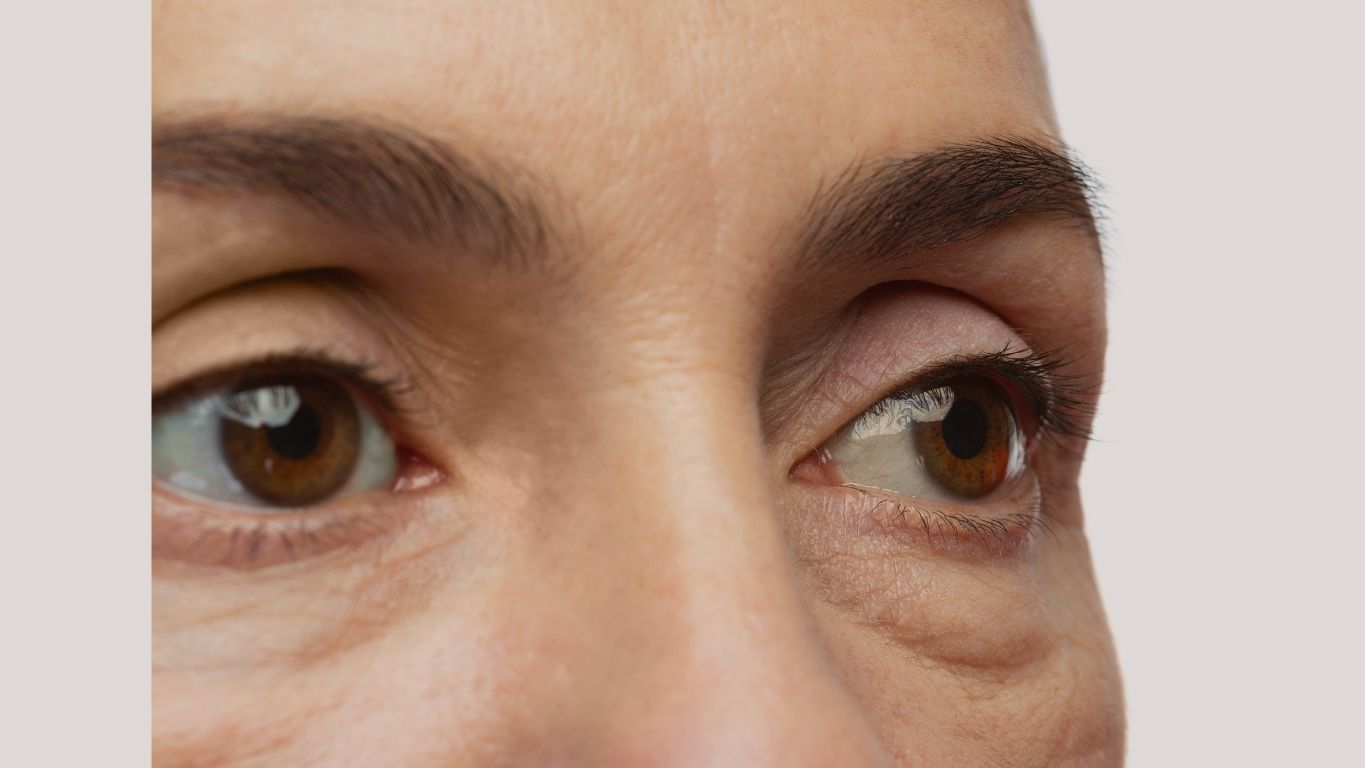
Bags under the eyes refer to the mild swelling or puffiness that occurs in the delicate area beneath the lower eyelids. This condition is often accompanied by saggy or loose skin and, frequently, dark circles, creating a shadowed and fatigued look. While they are typically a cosmetic issue and not a cause for medical alarm, persistent or severe swelling can sometimes be a symptom of an underlying health condition.
The anatomy of this problem is quite specific. As we age, the tissues and muscles that support our eyelids naturally weaken. The skin becomes thinner and loses its elasticity, and the fat that normally cushions the eye within its bony socket can protrude forward, creating a bulge. Additionally, the space below the eyes can accumulate fluid, which adds to the swollen appearance. This combination of fat herniation and fluid retention is what we commonly identify as eye bags.
Recognizing the Symptoms
The primary symptoms of bags under the eyes are aesthetic and easy to identify. Mild to moderate swelling presents as a puffy or swollen look in the lower eyelid area that can be most noticeable upon waking. There is often saggy or loose skin, as the tissue beneath the eyes may lose its firmness and appear to droop. Dark circles are also common, created by the shadow cast by the puffy bag combined with thinning skin that reveals underlying blood vessels, resulting in a darkened appearance.
It is important to note the context of these symptoms. Occasional puffiness after a salty meal or a poor night’s sleep is normal. However, medical advice should be sought if the swelling is severe, persistent, painful, itchy, red, or accompanied by vision problems, headaches, or a skin rash. These could be signs of infections, allergies, or other conditions like thyroid disease or kidney issues.
Understanding the Causes
The development of bags under the eyes is rarely due to a single factor. Instead, it is usually a combination of elements ranging from genetics to daily habits. Understanding these causes is crucial for effective prevention and treatment.
The Aging Process
This is the most fundamental cause of under-eye bags. As we get older, our skin produces less collagen and elastin, making it thinner and less resilient. The muscles supporting the eyelids also weaken, allowing the intraorbital fat to push forward. This age-related change is a natural part of life, but its effects can be accelerated by other factors. The skin becomes less able to bounce back, and the supportive structures that keep everything in place gradually lose their strength.
Lifestyle Factors
Our daily choices have a profound impact on the skin around our eyes. Lack of sleep disrupts circulation and can cause fluid to accumulate under the eyes, leading to puffiness and dilated blood vessels that contribute to dark circles. Diet plays a significant role as well, with high salt intake leading to water retention throughout the body, including the delicate under-eye area. Alcohol consumption has a similar dehydrating and inflammatory effect, worsening puffiness. Smoking accelerates collagen breakdown, which thins the skin and makes blood vessels more visible, while also contributing to overall skin laxity.
Fluid Retention
This can be a temporary but significant cause of under-eye bags. Waking up with puffy eyes is often the result of fluid shifting and settling in the lower eyelids while lying flat overnight. This is why sleeping with the head slightly elevated can help. Hormonal changes, such as those occurring during the menstrual cycle or pregnancy, can also influence fluid balance. Even weather variations and changes in barometric pressure can affect how much fluid the tissues retain.
Allergies and Sinus Issues
Allergies are a major trigger for under-eye puffiness. When an allergic reaction occurs, the body releases histamine, which can cause inflammation and fluid leakage in the thin tissues around the eyes. Congestion from a cold or flu can also block sinus passages, preventing normal fluid drainage and leading to swelling. Rubbing itchy, allergy-affected eyes only worsens the inflammation, further irritating the delicate skin and exacerbating the problem.
Genetic Predisposition
For many people, under-eye bags are simply a hereditary trait. If your parents had them, you are more likely to develop them, regardless of how well you sleep or how healthy you eat. This genetic predisposition can influence skin thickness, fat pad placement, and bone structure, all of which contribute to the appearance of bags. Some people are born with deeper tear troughs or more prominent fat pads, making them more susceptible to visible puffiness from an early age.
Underlying Medical Conditions
While less common, persistent under-eye swelling can signal an underlying health issue that requires attention. Thyroid eye disease, also known as Graves’ ophthalmopathy, can cause inflammation and swelling around the eyes. Various forms of dermatitis affecting the eye area can lead to puffiness and irritation. Kidney problems may manifest as fluid retention throughout the body, including under the eyes. Other connective tissue diseases can also produce swelling in this area and warrant medical investigation.
The Effects Beyond Appearance
The effects of under-eye bags are primarily aesthetic, but their impact can extend beyond the physical. On a cosmetic level, they can create a persistent look of fatigue, sadness, or ill-health, which can be at odds with how a person actually feels inside. This disconnect between appearance and well-being can lead to significant self-consciousness about one’s appearance.
For some individuals, this cosmetic concern can become a source of anxiety, affecting their confidence in social and professional settings. The constant feeling of looking tired can impact how others perceive them and how they perceive themselves. In rare, severe cases related to specific medical treatments or extreme aging, excess skin from the upper eyelids can even droop enough to interfere with vision, though this is more a concern of upper eyelid surgery than the lower lid bags themselves. However, the primary and most universal effect is the psychological one: feeling less attractive, less energetic, and more self-aware in daily interactions.
Prevention Through Daily Habits
While you cannot stop the aging process or change your genetics, you can significantly influence the appearance of under-eye bags through consistent, healthy habits. Prevention is often the most effective form of management.
Prioritizing Sleep Hygiene
Aiming for seven to nine hours of quality sleep per night can make a dramatic difference in the appearance of under-eye bags. Establishing a regular sleep schedule helps regulate the body’s natural rhythms, while creating a restful environment free from disruptions allows for proper tissue repair and fluid regulation. When the body is well-rested, circulation improves and fluid retention decreases.
Adjusting Sleep Position
Sleeping flat allows fluid to pool around the eyes, leading to morning puffiness. Sleeping with the head slightly elevated by using an extra pillow or a wedge pillow encourages fluid to drain away from the face throughout the night. This simple adjustment can significantly reduce the accumulation of fluid in the under-eye area and minimize morning swelling.
Modifying Diet
Being mindful of salt intake is essential for preventing fluid retention. Processed foods, fast food, and salty snacks can all contribute to water retention throughout the body, including the delicate eye area. Reducing consumption of alcohol, especially before bed, can also prevent dehydration and the subsequent puffiness it causes. Incorporating anti-inflammatory and vitamin-rich foods like berries, nuts, spinach, and kale supports overall skin health and provides the nutrients needed for collagen production and tissue repair.
Managing Allergies Effectively
For those who suffer from allergies, working with a doctor to manage them is crucial. This might involve taking appropriate medications and avoiding known allergens like pollen, dust, or pet dander. Keeping windows closed during high pollen seasons, using air purifiers indoors, and washing bedding frequently in hot water can all reduce allergen exposure. Avoiding eye rubbing is equally important, as the mechanical irritation worsens inflammation and can damage the delicate skin over time.
Protecting Skin from Sun Damage
The skin around the eyes is incredibly thin and vulnerable to UV damage, which breaks down collagen and accelerates aging. Applying a broad-spectrum sunscreen with SPF 30 or higher daily creates a protective barrier against harmful rays. Wearing large sunglasses or a wide-brimmed hat when outdoors provides additional physical protection and prevents squinting, which can contribute to fine lines.
Eliminating Smoking
Quitting smoking is one of the best things anyone can do for their skin’s health and appearance. Smoking directly combats collagen breakdown and impairs circulation, both of which are essential for maintaining the skin’s structure and health. Within weeks of quitting, improvements in skin tone and texture can begin to appear.
The Homeopathic Approach
For those seeking a gentle, holistic approach to treating under-eye bags, homeopathy offers a range of remedies that aim to stimulate the body’s own healing capacities. Homeopathic treatment is highly individualized, meaning the remedy is chosen based on the person’s unique set of symptoms, causes, and overall constitution. It is not a one-size-fits-all solution but rather a targeted therapy that considers the whole person.
According to practitioners, the goal is often to strengthen the underlying structures, such as the ocular muscles, and address any systemic imbalances contributing to the puffiness. A qualified homeopathic practitioner will take a detailed case history, considering physical, emotional, and genetic background before prescribing a remedy and determining the correct potency and dosage. Self-prescribing can be ineffective, so professional guidance is essential.
Kali Carbonicum
This remedy is often indicated when there is puffiness above and below the eyes, particularly in the morning. It may be associated with a general feeling of weakness and a tendency to catch cold easily. The individual who responds well to this remedy might also experience lower back pain or digestive issues alongside the eye concerns. A practitioner might suggest this remedy in a specific potency based on the overall symptom picture.
Physostigma
Sometimes considered for weakness of the eye muscles and associated puffiness, this remedy targets the muscular structures supporting the eyes. It may be particularly helpful when the bags are accompanied by a sensation of strain or fatigue in the eyes themselves, especially after prolonged reading or computer work. The remedy is thought to tone and strengthen the extraocular muscles.
Natrum Muriaticum
This serves as a key remedy for fluid retention and puffiness, often linked to a diet high in salt or emotional stress. It is also a common constitutional remedy for those with a tendency toward dry skin and dark circles. Individuals who might benefit from this remedy often crave salt and may have a history of suppressed emotions or grief. The puffiness may be worse in the morning and improve as the day progresses.
Apis Mellifica
This is a primary remedy for swelling that is puffy, bag-like, and often appears shiny. The swelling is typically better with cold applications and may have a pinkish hue. It may be indicated if the puffiness is edematous in nature and comes on suddenly, possibly in response to an allergic reaction or insect bite. The tissues may feel sensitive to touch and warm applications.
Pulsatilla Nigricans
This remedy is often indicated for conditions that change frequently and are worse in warm rooms and better in fresh air. It may be considered for puffiness, especially if the person has a mild, gentle, and yielding disposition. The symptoms may shift rapidly, and the individual may feel better with gentle exercise and consolation. Hormonal influences may also play a role in the puffiness.
Supportive Homeopathic Measures
In addition to internal remedies, some homeopathic doctors also suggest supportive measures to complement treatment. These can include specific eye exercises, like eye rolling and blinking, to strengthen the extraocular muscles and improve circulation in the area. They may also recommend lubricating eye drops to soothe dryness and strain, especially for those who spend long hours in front of a computer screen. These simple practices can enhance the effects of constitutional treatment.
Home Remedies for Immediate Relief
For those seeking quick, temporary relief from under-eye bags, several home remedies can provide noticeable improvement. These approaches are particularly effective for puffiness caused by lack of sleep, dietary indiscretions, or fluid retention.
Cold compresses work by constricting blood vessels and reducing inflammation, which helps minimize swelling. Placing chilled cucumber slices, cold spoons, or a cold compress over closed eyes for about ten minutes can provide noticeable relief. The cool temperature also feels refreshing and can help wake up tired eyes.
Used tea bags, particularly green or black tea, are popular because they contain caffeine and antioxidants. Caffeine helps constrict blood vessels and can further reduce swelling, while tannins in tea may have anti-inflammatory properties. Chilling the tea bags first and placing them over closed eyes for ten to fifteen minutes can reduce puffiness and refresh the eye area.
Gentle massage can also help by encouraging lymphatic drainage and reducing fluid accumulation. Using the ring finger to gently tap or stroke from the inner corner of the eye outward along the bone can move stagnant fluid away from the area. This should be done with clean hands and a very light touch to avoid stretching the delicate skin.
Frequently Asked Questions About Homeopathic Remedies for Bags Under Eyes
How does homeopathy approach the treatment of bags under eyes differently from conventional medicine?
Homeopathy takes a fundamentally different approach by focusing on the individual as a whole rather than targeting the specific symptom of under-eye bags. While conventional medicine might address the puffiness directly through topical creams, fillers, or surgery, homeopathy seeks to understand the underlying constitutional factors that contribute to the condition. A homeopath will consider not just the appearance of the bags, but also the person’s overall health, emotional state, lifestyle, genetic predispositions, and any accompanying symptoms. The goal is to stimulate the body’s own healing mechanisms to address the root cause, whether that be fluid retention tendencies, muscle weakness, poor circulation, or systemic imbalances. This individualized approach means that two people with identical-looking under-eye bags might receive completely different homeopathic remedies based on their unique constitutional pictures.
Can homeopathy permanently cure bags under eyes?
Homeopathy aims to stimulate lasting healing by addressing underlying imbalances, but whether this results in permanent improvement of under-eye bags depends on several factors. For bags caused by temporary conditions like fluid retention or allergic reactions, homeopathic treatment may help resolve the underlying tendency, leading to long-lasting improvement. For bags related to genetic predisposition or the natural aging process, homeopathy may help strengthen supporting tissues and slow progression, but complete permanent elimination may not be realistic. Many people find that constitutional homeopathic treatment reduces the severity of their under-eye bags over time and helps maintain improvement when combined with healthy lifestyle habits. The key is understanding that homeopathy works with the body’s natural processes, which takes time and patience.
How long does it take to see results from homeopathic treatment for under-eye bags?
The timeline for seeing results from homeopathic treatment varies significantly depending on the individual and the chronicity of the condition. Some people may notice subtle improvements within a few weeks of starting treatment, particularly if the bags are related to acute issues like seasonal allergies or temporary fluid retention. For chronic, long-standing under-eye bags, it may take several months of consistent treatment to see noticeable changes. Homeopathy works gradually by stimulating the body’s own healing mechanisms, so patience is essential. A qualified homeopathic practitioner will monitor progress and may adjust the remedy or potency over time. It is important to have realistic expectations and understand that homeopathy is typically not a quick fix but rather a gradual process of constitutional improvement.
Are homeopathic remedies safe to use alongside other treatments like eye creams or allergy medications?
Homeopathic remedies are generally considered safe to use alongside most conventional treatments because they work on an energetic level and are highly diluted. However, it is always wise to inform both your homeopathic practitioner and your medical doctor about all treatments you are using. There are no known negative interactions between homeopathic remedies and topical eye creams, antihistamines, or other medications. In fact, homeopathy may complement these approaches by addressing underlying tendencies while conventional treatments manage acute symptoms. For example, someone using antihistamines for allergies might also benefit from a constitutional homeopathic remedy to reduce the overall allergic tendency. Nevertheless, professional guidance ensures that all aspects of your health care work together harmoniously.
How does a homeopath decide which remedy is right for my under-eye bags?
The selection of a homeopathic remedy is a highly individualized process based on a comprehensive assessment of the whole person. During an initial consultation, a homeopath will take a detailed case history that goes far beyond the appearance of the under-eye bags. They will ask about the specific characteristics of the puffiness, such as when it is worse or better, whether it is accompanied by dark circles, and what makes it improve or worsen. They will also explore your overall health, sleep patterns, dietary habits, emotional tendencies, stress levels, and any other physical symptoms you experience. Your genetic background, family history, and even your personality traits may influence the remedy selection. This holistic picture is then matched to the remedy that most closely corresponds to your unique symptom profile, following the homeopathic principle of “like cures like.”
Can homeopathy help if my under-eye bags are genetic?
While homeopathy cannot change your genetic makeup, it may still offer benefits for genetically influenced under-eye bags. Constitutional homeopathic treatment aims to strengthen the body’s overall vitality and support the structures involved, potentially slowing the progression of genetically determined conditions. For example, remedies like Natrum Muriaticum or Kali Carbonicum might be prescribed to address inherited tendencies toward fluid retention or weak supporting tissues. Many people with a family history of under-eye bags find that homeopathic treatment helps minimize the severity of their condition and supports better overall skin health. The goal is not to erase the genetic influence but to optimize the body’s function within its genetic parameters.
Are there any side effects or risks associated with homeopathic treatment for under-eye bags?
Homeopathic remedies are prepared through a process of serial dilution and succussion, resulting in extremely low concentrations of the original substance. When prescribed by a qualified practitioner, they are generally considered safe with minimal risk of side effects. Some individuals may experience a temporary worsening of symptoms shortly after beginning treatment, which homeopaths often interpret as a positive sign that the body is responding and beginning to heal. This is typically mild and short-lived. However, self-prescribing without proper professional guidance carries the risk of choosing an inappropriate remedy, which may simply be ineffective rather than harmful. The greater risk lies in delaying diagnosis and treatment of underlying medical conditions that might be causing the swelling, which is why professional evaluation is essential before beginning any treatment.
Do I need to see a homeopath in person, or can treatment be done remotely?
Many homeopaths now offer remote consultations via video calls, phone calls, or online platforms, and this can be quite effective for treating under-eye bags. Since homeopathic prescribing is based on a detailed discussion of symptoms and overall health rather than physical examination alone, remote consultations can work well. The homeopath will ask thorough questions about your condition and general health, just as they would in person. However, if your under-eye bags are severe, painful, or accompanied by other concerning symptoms, an in-person medical evaluation may be necessary first to rule out underlying conditions. Once a medical cause has been addressed or ruled out, ongoing homeopathic care can often be managed effectively from a distance.
What should I expect during my first visit to a homeopath for under-eye bags?
Your first visit to a homeopath will be quite different from a typical doctor’s appointment. Expect to spend anywhere from sixty to ninety minutes discussing your concerns in depth. The homeopath will ask you to describe your under-eye bags in detail, including when they first appeared, what makes them better or worse, and any sensations associated with them. They will also inquire about your overall health, sleep patterns, digestion, energy levels, emotional state, stress factors, and personal history. Questions about your dietary habits, fluid intake, and lifestyle will help identify contributing factors. The homeopath may also ask about your family medical history and any past treatments you have tried. Based on this comprehensive picture, they will select a remedy and explain how to take it and what to expect in terms of response and follow-up.
Can children or teenagers use homeopathic remedies for under-eye bags?
Yes, homeopathic remedies can be appropriate for younger individuals with under-eye bags, though the approach would depend on the underlying cause. In children and teenagers, under-eye puffiness is often related to allergies, sinus issues, lack of sleep, or genetics. A homeopath would take a detailed case considering the young person’s overall health, developmental stage, and specific symptoms before prescribing. Remedies are gentle and safe for younger age groups when properly prescribed. However, it is particularly important with children to first rule out any underlying medical conditions through appropriate medical evaluation. If your child has persistent under-eye bags, consulting with both a pediatrician and a qualified homeopath can provide a comprehensive approach to understanding and addressing the issue.
How much does homeopathic treatment typically cost, and is it covered by insurance?
The cost of homeopathic treatment varies widely depending on the practitioner’s experience, location, and the length and frequency of consultations. Initial comprehensive consultations are typically more expensive than follow-up visits, reflecting the time involved in detailed case-taking. Remedy costs are generally modest. Some health insurance plans may cover visits to licensed homeopathic physicians, particularly in countries where homeopathy is integrated into the national healthcare system. In many places, however, homeopathic treatment is considered out-of-pocket expense. It is advisable to check with your insurance provider about coverage and to discuss fees openly with any homeopath you are considering consulting. Many practitioners offer package rates for ongoing care or sliding scale fees based on financial need.
Can homeopathy help if my under-eye bags are caused by medication I am taking?
Homeopathy may offer support for medication-related under-eye bags, but this situation requires careful professional management. Some medications can cause fluid retention or other changes that contribute to puffiness. A qualified homeopath would need to know about all medications you are taking to ensure safe and appropriate prescribing. They might recommend constitutional support to help your body better tolerate the medication or address the fluid retention tendency. However, any changes to prescribed medication must only be made in consultation with the prescribing doctor. Homeopathy works alongside conventional treatment in such cases, not as a replacement for necessary medications. The homeopath and medical doctor should ideally communicate to ensure coordinated care.
How do I know if my homeopathic remedy is working for my under-eye bags?
Signs that a homeopathic remedy is working can be subtle and may not follow a linear path of improvement. Some people notice that their under-eye bags become less puffy in the mornings, or that the associated dark circles begin to lighten. Others might observe that the bags are less reactive to triggers like salty meals or lack of sleep. Sometimes, improvement occurs in other areas of health first, such as better sleep, improved digestion, or increased energy, with the under-eye bags gradually improving over time. A temporary slight worsening of symptoms shortly after beginning treatment can sometimes indicate that the remedy is stimulating a healing response. Your homeopath will guide you on what to observe and when to schedule follow-up consultations to assess progress and make any necessary adjustments to the treatment plan.
Bags under the eyes represent a multifactorial condition, weaving together the threads of aging, genetics, lifestyle, and health. While often a harmless cosmetic nuisance, they can be a persistent source of self-consciousness that affects quality of life. The journey to reducing their appearance is rarely about finding a single magic bullet. Instead, it involves a holistic approach that combines smart prevention with targeted treatments tailored to individual needs and circumstances.
Understanding the why behind under-eye bags empowers each person to choose the how of addressing them. For some, simple lifestyle adjustments and home remedies provide sufficient improvement. Others may find satisfaction in the constitutional approach of homeopathy, addressing underlying imbalances while working on the cosmetic concern. Still others may opt for clinical procedures when the bags are severe or resistant to other approaches.
Regardless of the path chosen, the goal remains the same: to help the eyes reflect the energy, health, and vitality that a person feels on the inside. By taking a comprehensive view of the problem and addressing it from multiple angles, lasting improvement is not only possible but achievable.













1 thought on “Homeopathic Remedies for Bags Under Eyes”