
Table of Contents
ToggleThe Unassuming Nut of Homeopathy: A Comprehensive Guide to Homeopathic Medicine Sterculia Accuminata
In the vast and intricate world of homeopathy, remedies are drawn from every conceivable corner of nature—minerals, animals, and a multitude of plants. Among these, Sterculia Accuminata, derived from the humble kola nut, stands as a fascinating and particularly niche remedy. Its story is not one of dramatic, acute crises, but rather a slow, deep-seated disturbance of the vital force, primarily addressing profound metabolic and psychological states. This article delves into the origin, preparation, clinical picture, and therapeutic applications of this lesser-known but significant homeopathic medicine.
Origin and Botanical Background
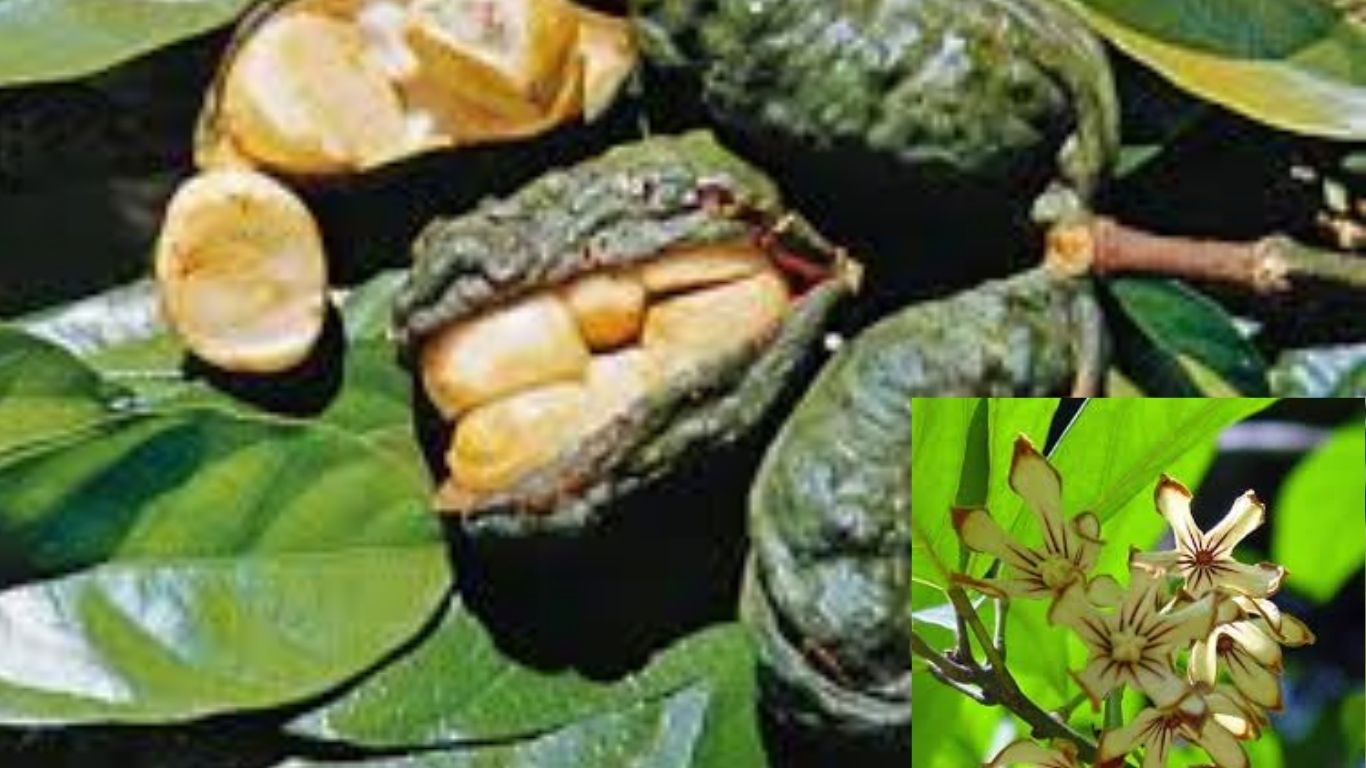
Sterculia Accuminata belongs to the Sterculiaceae family. Its source is the plant commonly known as the Cola nut or Kola nut, native to the tropical rainforests of West Africa. Historically, these nuts hold immense cultural and economic significance. They are chewed traditionally in many African societies for their stimulant properties, owing to their high caffeine content, to combat fatigue, suppress hunger, and in social and ceremonial contexts. The genus name “Sterculia” is derived from Sterculius, the Roman god of manure, a reference to the unpleasant odor of the flowers of some species.
It is crucial to distinguish the homeopathic remedy from the crude nut. While the nut is used for its direct pharmacological stimulant effect, homeopathy employs a highly diluted and potentized form to treat a constellation of symptoms that, paradoxically, may include states of exhaustion and stimulation gone awry. The homeopathic provenance of Sterculia Accuminata is credited to Dr. J. H. Clarke, a prolific figure in homeopathic literature, who included it in his Dictionary of Practical Materia Medica after a proving was conducted.
Extraction and Preparation of Potencies
The preparation of Sterculia Accuminata follows the standardized homeopathic pharmacopoeial guidelines. The starting material, or the “mother tincture,” is prepared from the dried nut. The nuts are cleaned, dried, and then macerated in a mixture of alcohol and water. This process extracts the soluble active principles from the plant material. The resulting liquid is then filtered, yielding the mother tincture, denoted as Ø.
From this mother tincture, the various potencies are created through the process of serial dilution and succussion (vigorous shaking). This process, central to homeopathic philosophy, is believed to imprint the energetic signature of the substance onto the diluent while eliminating any toxicological effects of the crude material.
The most commonly used potencies of Sterculia Accuminata in clinical practice range from low (6C, 12C) to medium (30C) and high (200C, 1M). The selection of potency is a skilled decision made by the homeopath, based on the totality of symptoms, the depth of the pathology, and the individual’s sensitivity.
Lower potencies (6C, 12C): Often used for more localized or physical symptoms, or for more frequent dosing in chronic conditions like certain metabolic disorders.
Medium potencies (30C): Frequently employed for constitutional treatment, addressing the mental-emotional and general physical state.
Higher potencies (200C and above): Reserved for deep-seated constitutional issues, profound emotional disturbances, or when the symptom picture is exceptionally clear and the vital force is strong. These are typically administered infrequently.
The Symptom Picture: Keynotes and Characteristics
Understanding a homeopathic remedy involves painting a portrait of the individual it can help—the “Sterculia personality.” The proving symptoms reveal a medicine that acts deeply on the nervous system, metabolism, and the mind.
Mental and Emotional Symptoms:
A core theme is a peculiar contradiction between mental activity and physical prostration. The mind may be hyperactive, restless, and full of anxious thoughts, often about business or trivial matters, while the body feels utterly exhausted and weak. There is a marked anxiety about the future, particularly regarding financial or business security. This can manifest as a constant, gnawing worry that prevents relaxation. Irritability is common, especially in the morning upon waking. A notable symptom is difficulty in concentration; the mind feels dull, confused, and unable to focus, as if clouded. In more pronounced states, there can be a sense of profound despair and indifference, even to one’s own life.
Physical General Symptoms:
The general physical state is one of debilitating weakness and trembling. This trembling can be internal or visible in the hands. There is a pronounced aggravation from exertion, both mental and physical. The patient often experiences a sensation of emptiness or hollowness, especially in the stomach or chest, which is not necessarily relieved by eating. Chilliness is a common feature, with a marked sensitivity to cold air.
Particular Symptoms:
Head: Headaches that are pressing or bursting in nature, often accompanied by dizziness and a feeling of heat in the head while the body is cold.
Stomach and Abdomen: A hallmark is complete loss of appetite, often with a repugnance to the thought of food. There may be gastralgia (stomach pain) and a sensation of weight or stone in the stomach. Constipation is frequent, with stool that is hard, knotty, and difficult to expel.
Heart and Circulation: Palpitations, a sensation of trembling in the heart, and intermittent pulse are noted. It is considered a potential remedy for certain functional heart disorders arising from nervous exhaustion.
Skin: Various eruptions may appear, and the skin can feel dry and itchy.
Primary Uses and Clinical Applications
In contemporary homeopathic practice, Sterculia Accuminata is not a first-line acute remedy but a constitutional and anti-miasmatic medicine. Its primary uses are in chronic conditions where the mental and general symptom picture matches.
Neurasthenia and Nervous Exhaustion: This is its classic domain. It is indicated for individuals suffering from “burnout”—professionals, students, or caregivers who have exhausted their nervous energy through prolonged stress, overwork, or worry. The key is the combination of mental restlessness with physical incapacity.
Anxiety Disorders with Somatic Manifestations: Especially where anxiety is focused on financial matters or the future, accompanied by physical symptoms like tremors, palpitations, and gastric disturbances.
Anorexia and Appetite Disorders: For a true loss of appetite where the very idea of food is repulsive, stemming from a nervous origin rather than an organic disease.
Functional Gastrointestinal Issues: Nervous dyspepsia, constipation from atony (lack of tone), and gastralgia linked to anxiety states.
Metabolic Syndrome and Weight Management (Adjuvant): Some homeopaths explore its use in cases of sluggish metabolism, obesity, or diabetes mellitus where the characteristic mental state and general symptoms are present. It is thought to potentially influence carbohydrate and fat metabolism. This application, however, must be understood within a holistic constitutional framework and not as a standalone “diet pill.”
Convalescence: For slow recovery after illness, where weakness, lack of appetite, and low mental spirits persist.
Side Effects and Safety Considerations
As with all homeopathic remedies prepared according to official standards, Sterculia Accuminata in potentized form is generally considered safe, non-toxic, and free from chemical side effects or interactions with conventional medications. This is due to the extreme dilutions involved.
However, two important phenomena are recognized in homeopathy:
Homeopathic Aggravation: A temporary, mild intensification of existing symptoms can occasionally occur after taking a well-selected remedy. This is seen as a positive sign that the vital force is responding. Such aggravations are short-lived and self-resolving.
Antidoting: The action of the remedy may be negated or disrupted by strong substances. Traditional antidotes include coffee, camphor, strong mint (in toothpaste or gums), and some essential oils. Patients are often advised to avoid these during treatment.
It is of paramount importance that serious conditions like clinical depression, eating disorders, heart disease, or diabetes be managed under the guidance of qualified healthcare professionals. Homeopathy can serve as a complementary approach but should not replace essential conventional diagnosis and treatment.
Comparisons with Other Homeopathic Remedies
Distinguishing Sterculia Accuminata from similar remedies is the art of homeopathic differential diagnosis.
Kali Phosphoricum: This is perhaps the closest analogue, also a premier remedy for nervous exhaustion from overwork or stress. Both have anxiety, weakness, and digestive upset. However, Kali Phos exhaustion is more from mental overstrain (like studying) and is characterized by a greater tendency to nervousness, easy startling, and a specific type of headache. Sterculia has a stronger emphasis on the complete loss of appetite and the anxiety about business/finance.
Ignatia Amara: Suited for acute grief, emotional shocks, and hysteria. Both can have loss of appetite and contradictory symptoms. Ignatia is changeable, sighing, and has a sensation of a lump in the throat. Sterculia is more chronic, with steady business worry and profound physical trembling.
Nux Vomica: The classic remedy for the overworked, competitive, impatient businessperson who indulges in stimulants and rich food. Both can be irritable and have digestive issues. Nux is hyperactive, angry, and suffers from indigestion due to excess. Sterculia is prostrate, anxious, and has no desire for food or stimulants.
Argentum Nitricum: Has intense anxiety about the future and impulsive behavior. Both share anxiety and gastric disturbances. Argentum Nitricum has more pronounced anticipatory anxiety (e.g., before an event), cravings for sweets, and diarrhea from anxiety. Sterculia’s anxiety is more chronic and business-oriented, with constipation.
Anacardium Orientale: A profound remedy for a dual personality, lack of confidence, and maliciousness. Both can have impaired concentration. Anacardium has a marked “devil on one shoulder, angel on the other” feeling and a compelling urge to swear. Sterculia lacks this duality, focusing more on exhaustion and business worry.
FAQs: Homeopathic Medicine Sterculia Accuminata
1. What is Sterculia Accuminata in homeopathy?
Sterculia Accuminata is a homeopathic remedy prepared from the Kola nut. Unlike the crude nut used as a stimulant, the homeopathic preparation is highly diluted and potentized. It is primarily used to treat conditions characterized by profound nervous exhaustion, debilitating anxiety (especially about business or the future), loss of appetite, and a general state of physical trembling and weakness.
2. What are the main mental and emotional symptoms it treats?
The key mental picture involves a contradiction: a restless, anxious mind coupled with a physically exhausted body. Common symptoms include persistent anxiety about financial or business security, difficulty concentrating, irritability (often upon waking), a feeling of mental dullness or confusion, and in deeper states, indifference or despair.
3. What are the key physical symptoms guiding its use?
Major physical indicators include complete loss of appetite or repugnance to food, a sensation of emptiness in the stomach or chest, chronic constipation with hard, knotty stools, general weakness and trembling aggravated by exertion, palpitations, and chilliness.
4. Is Sterculia Accuminata used for weight loss?
While some homeopathic literature and practitioners explore its use as part of a constitutional approach to metabolic issues and obesity, it is crucial to understand it is not a direct weight-loss supplement. Its potential role is for individuals whose weight issues are tied to a specific metabolic sluggishness accompanied by the remedy’s characteristic mental state (anxiety, exhaustion, loss of appetite). It should never replace conventional diet, exercise, or medical advice for weight management.
5. What potencies are commonly available and how do I choose?
Sterculia Accuminata is available in various potencies like 6C, 12C, 30C, 200C, and 1M. Lower potencies (6C, 12C) are often used for more physical symptoms and may be taken more frequently. Medium potencies (30C) are common for constitutional treatment. Higher potencies (200C, 1M) are prescribed for deep-seated issues and are used infrequently. Selecting the correct potency is complex and ideally done by a qualified homeopath based on your individual symptom totality and sensitivity.
6. Are there any side effects?
The potentized remedy, when used correctly, is considered safe and non-toxic due to its high dilution. There are no drug-like chemical side effects. However, a homeopathic aggravation—a temporary, mild worsening of existing symptoms—can occasionally occur, which is usually a sign the remedy is acting. This is typically short-lived. Always inform your healthcare provider of any remedies you are taking.
7. What can “antidote” or interfere with its action?
Strong substances can potentially disrupt the action of homeopathic remedies. Common antidotes include camphor (in some balms and rubs), strong mint (in toothpaste, gums, or oils), coffee, and eucalyptus. It is generally advised to avoid these around the time of taking the dose (e.g., allow a 30-minute gap before/after brushing with mint toothpaste).
8. How is Sterculia different from other common remedies for exhaustion like Kali Phos or Nux Vomica?
Kali Phosphoricum: Also for nervous exhaustion, but more from mental strain (e.g., studying). It features easy startling and specific headaches. Sterculia has a stronger focus on business anxiety and complete loss of appetite.
Nux Vomica: For the overworked, competitive, and irritable person who indulges in stimulants, food, and alcohol. They are angry and tense. Sterculia is for the person who is prostrate, anxious, and has no desire for such stimulants.
9. Can I self-prescribe Sterculia Accuminata?
For simple, acute symptoms that closely match the remedy picture (e.g., a temporary period of acute anxiety with loss of appetite after a business setback), careful self-prescription with a lower potency (like 6C or 12C) may be attempted. However, for chronic conditions like persistent anxiety, metabolic issues, or deep fatigue, it is strongly recommended to consult a professional homeopath. They can conduct a full evaluation to determine if your entire constitutional state matches Sterculia Accuminata or another remedy.
10. Where can I find Sterculia Accuminata?
It is available at many well-stocked homeopathic pharmacies, both physical and online. It is less common than remedies like Arnica or Nux Vomica, so you may need to seek a specialized supplier. Remember, purchasing from a reputable source ensures proper preparation according to homeopathic pharmacopoeia standards.
Conclusion
Sterculia Accuminata embodies the homeopathic principle of treating the individual, not the disease. It is not a remedy for a specific pathology but for a specific state of being—a person worn down by the cares of the world, whose mind races while their body fails, whose vitality is consumed by worry, leaving behind emptiness and tremors. From its origins as a stimulant nut in West Africa, homeopathic processing transforms it into a balancing agent for those suffering from the very exhaustion that the crude nut might temporarily mask. Its power lies in its precise application to the corresponding symptom totality, offering a potential pathway to restore equilibrium where mental anxiety and metabolic weariness are inextricably linked. As with all homeopathic practice, its successful application rests upon the skilled observation and individualization performed by a trained practitioner, making it a subtle yet valuable instrument in the homeopathic armamentarium for chronic disease.