
Table of Contents
ToggleHomeopathic Medicine Areca Catechu: The Betel Nut in Homeopathy
Homeopathy, a system of alternative medicine founded on the principle of “like cures like,” incorporates a vast materia medica derived from the plant, mineral, and animal kingdoms. Among its lesser-known but intriguing remedies is Areca Catechu, prepared from the seed of the betel nut palm. This remedy offers a unique therapeutic profile, primarily centered on profound nervous exhaustion and a constellation of peculiar, often paradoxical, physical and mental symptoms.
Origin and Botanical Background
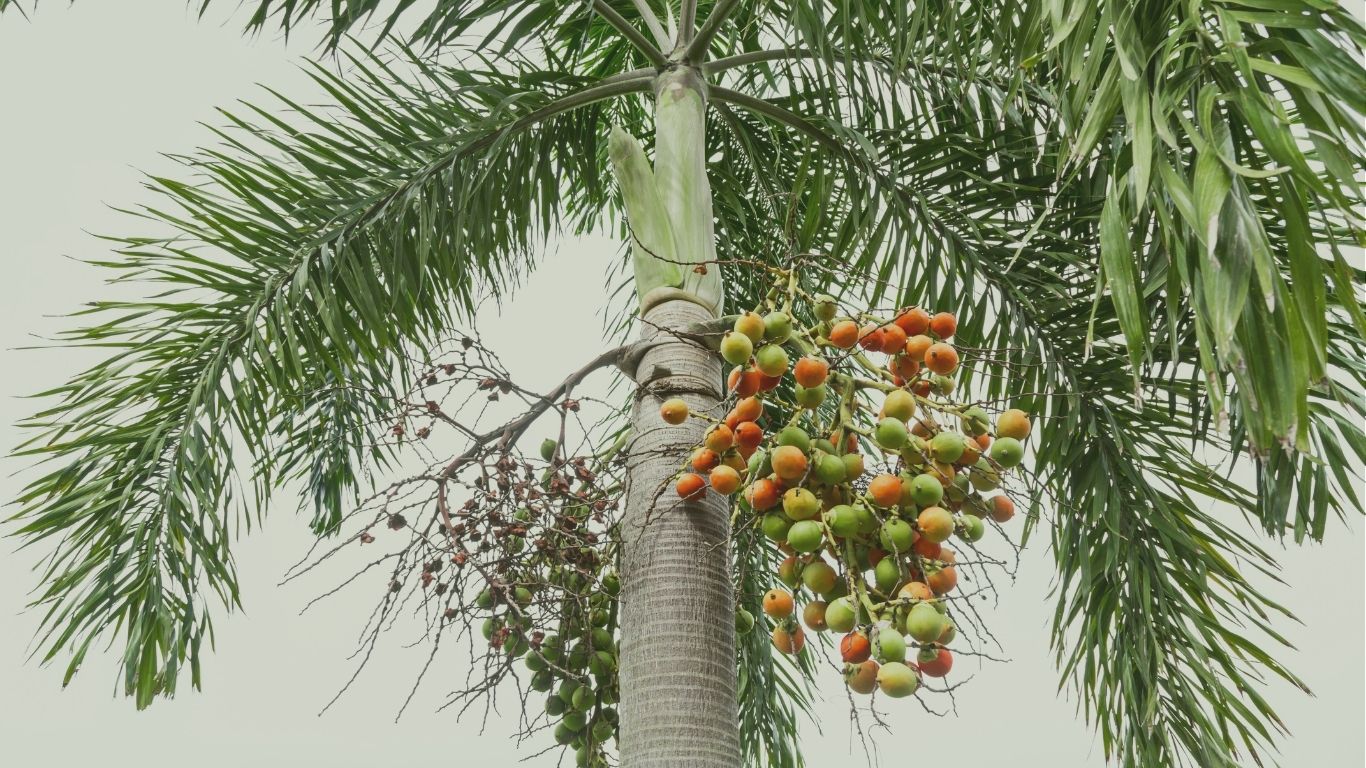
Areca Catechu is a slender, single-trunked palm tree native to tropical regions of Asia and the Pacific Islands, particularly the Philippines, Malaysia, India, and parts of East Africa. It is culturally significant across South and Southeast Asia, where its seeds, commonly known as betel nuts, are traditionally chewed, often wrapped in a betel leaf with slaked lime. This practice, known as betel chewing, is a social and ritualistic custom but is also recognized for its stimulant and mildly euphoric effects, which are attributed to the presence of alkaloids like arecoline.
The homeopathic remedy, however, is not concerned with the recreational use but with the symptomatic picture the substance can produce. The proving of Areca Catechu, conducted by homeopathic pioneers, revealed a deep-acting medicine for a specific type of nervous depletion. The palm itself, reaching great heights while maintaining a slender form, could be seen as a metaphor for the remedy state: a person stretched thin, trying to maintain function while feeling utterly hollowed out.
Extraction and Preparation of Potencies
The homeopathic preparation of Areca Catechu follows the standard Hahnemannian process of potentization to ensure safety and therapeutic activity while eliminating any crude toxic effects.
The source material is the dried, ripe seed of the palm. This seed is ground and subjected to a process of maceration in alcohol to create the mother tincture, denoted as Ø. From this mother tincture, the potentization process begins. Serial dilutions with succession (vigorous shaking) at each stage produce the various potencies.
Homeopathic potencies of Areca Catechus are widely available and typically categorized as follows:
Low Potencies (e.g., 3X, 6X, 12X, 30C): These are often used for more localized physical symptoms or in cases where a material dose’s effects need to be gently countered. They may be employed for specific gastrointestinal or urinary complaints that mirror the remedy picture.
Medium Potencies (e.g., 200C): This is a commonly prescribed range for addressing the characteristic mental-emotional state and the beginning stages of the nervous exhaustion for which Areca is famed. It acts on a deeper functional level.
High Potencies (e.g., 1M, 10M and above): Reserved for profound, chronic conditions where the core mental and nervous system symptoms are clear and dominant. These potencies are prescribed by experienced homeopaths for deep-seated constitutional issues of exhaustion.
The choice of potency is never arbitrary; it depends on the intensity of the symptoms, the vitality of the patient, and the experience of the practitioner, following the individualized approach central to homeopathy.
The Symptom Picture: A Portrait of Exhaustion
The essence of Areca Catechu is captured in its keynote: profound nervous exhaustion with a sensation of emptiness or hollowness. This is not mere tiredness but a state of being utterly drained, as if the very life force has been leached away. The symptoms paint a picture of a system in collapse, both mentally and physically.
Mental and Emotional Symptoms:
Mental Hollow Feeling: The patient feels empty-headed, as if the brain is devoid of substance or thought. This contrasts with an inability to stop racing thoughts in other remedies.
Forgetfulness and Impaired Concentration: Marked difficulty in focusing, studying, or performing intellectual work. Memory fails, especially for recent events.
Indifference and Apathy: A deep-seated lack of interest in work, family, and formerly enjoyable activities. The world feels distant and unimportant.
Anxiety and Fear: Anxiety about health, often with a fear of death or serious disease, yet paradoxically coupled with an inability to muster the energy to care for oneself properly.
Sensitivity: Oversensitivity to noise, light, and even the emotional states of others, which further drains their energy.
Physical Symptoms:
General Sensations: A peculiar sensation of hollowness or emptiness in various body parts—the head, chest, or abdomen. It may feel as if the body is a shell.
Profound Weakness: Trembling, trembling weakness, especially in the limbs. The weakness is often disproportionate to the activity undertaken and is worse in the morning.
Head Symptoms: Headache with a hollow, empty feeling. Heaviness or a sensation of a band around the head. Pain may be ameliorated by lying down and closing the eyes.
Gastrointestinal Symptoms: Constipation is a strong feature, with ineffectual urging and a sensation that the stool is not completely expelled. The rectum feels powerless. There may be flatulence and a bloated, hollow feeling in the abdomen.
Urinary Symptoms: Frequent, copious urination of pale urine, which may be accompanied by a sensation of weakness in the bladder.
Sleep Disturbances: Unrefreshing sleep. The patient wakes up tired, often more exhausted than before going to bed.
Therapeutic Uses and Clinical Applications
Based on this symptom picture, Areca Catechu finds its place in treating conditions where nervous depletion is the root cause. Its uses are primarily constitutional, meaning it is prescribed for the whole person rather than for a diagnosed disease.
Nervous Breakdown and Burnout: It is a prime remedy for individuals suffering from complete nervous exhaustion due to overwork, prolonged stress, or intellectual overstrain (neurasthenia). This is the executive, student, or caregiver who has “given too much” and now feels hollow.
Chronic Fatigue Syndrome: When the defining feature is not just fatigue but a pervasive sensation of emptiness and trembling weakness, Areca may be indicated.
Anxiety and Depression with Apathy: Specifically, in depressive states marked by profound indifference, mental blankness, and a hollow feeling in the head or chest.
Functional Gastrointestinal Disorders: For chronic constipation with ineffectual urging and rectal inertia, especially when tied to a state of nervous exhaustion.
Post-Viral Fatigue: In the debilitating weakness that follows severe influenza or other illnesses, where the patient cannot seem to recover their nerve force.
Insomnia and Sleep Disorders: Specifically, when sleep does not restore and the patient awakens feeling unrefreshed and weak.
Safety, Side Effects, and Prevention
As a homeopathically potentized remedy, Areca Catechu, when used appropriately, is considered safe and non-toxic. It contains no material dose of the original substance and does not share the addictive or carcinogenic properties associated with the habitual chewing of the crude betel nut.
Possible Homeopathic Aggravation: A well-known concept in homeopathy is a “healing aggravation,” where symptoms temporarily intensify as the vital force responds to the correctly chosen remedy. A patient taking Areca Catechu might feel a temporary deepening of fatigue or a return of old symptoms. This is typically short-lived and is considered a positive sign of action. However, if aggravation is strong or prolonged, a homeopath should be consulted to adjust the potency or dose.
Prevention of Misuse: The key to safe use lies in individualization. Areca Catechu is not a “one-size-fits-all” tonic for tiredness. Its inappropriate use in a person whose symptoms do not match will, at best, do nothing and, at worst, disrupt the vital force. Therefore, self-prescription for chronic or serious conditions is strongly discouraged. Consultation with a qualified homeopathic practitioner ensures the remedy matches the individual’s unique physical, emotional, and mental totality.
Important Contraindication: Areca Catechu is not a substitute for medical diagnosis or treatment. Organic diseases causing fatigue (like anemia, thyroid disorders, or heart conditions) must be ruled out by a medical doctor. Homeopathy can be used complementarily alongside conventional care in such cases.
Comparative Analysis with Other Remedies
A clear understanding of Areca Catechu emerges when contrasted with similar homeopathic remedies for exhaustion.
Areca Catechu vs. Kali Phosphoricum:
Both are premier remedies for nervous exhaustion from overwork or mental strain. Kali Phos has more pronounced anxiety, nervousness, and sensitivity. The Kali Phos patient is jumpy, easily startled, and suffers from anticipatory anxiety. Their exhaustion is more from mental fatigue and worry. The Areca patient is more apathetic, hollow, and indifferent. The exhaustion is more profound and fundamental, with a marked sensation of emptiness. Kali Phos may have diarrhea from nervousness; Areca has constipation from inertia.
Areca Catechu vs. Phosphoric Acid:
This is perhaps the closest comparison. Both produce profound apathy and indifference. However, Phosphoric Acid exhaustion often follows a acute grief, emotional shock, or a draining illness. The patient is too weak to think or even answer questions; they are indifferent but not necessarily describing a “hollow” sensation. Areca’s indifference is coupled with that specific feeling of emptiness in the body. Phosphoric Acid may have painless, copious diarrhea; Areca has stubborn constipation.
Areca Catechu vs. Silicea:
Silicea is for nervous exhaustion in finely built, oversensitive individuals who lack mental and physical stamina. They are chilly, prone to suppuration, and suffer from debilitating anxiety about small things. Their exhaustion comes from a lack of “grit.” Areca’s exhaustion is less about a constitutional lack of stamina and more about a system that has been completely depleted from over-expenditure, leaving a void.
Areca Catechu vs. Cocculus Indicus:
Cocculus is a major remedy for exhaustion from loss of sleep, particularly from caring for others (night nursing). The weakness is accompanied by profound dizziness, nausea, and a feeling of being “out of balance.” Areca’s exhaustion is more chronic and constitutional, with its hallmark emptiness and indifference, without the marked vertigo and nausea of Cocculus.
Frequently Asked Questions (FAQs) About Homeopathic Areca Catechu
Q1: What is homeopathic Areca Catechu made from?
Homeopathic Areca Catechu is prepared from the seed of the betel nut palm (Areca catechu). While the raw seed is chewed as a stimulant in some cultures, the homeopathic remedy undergoes a specific process of serial dilution and succession (vigorous shaking) to create safe, potentized medicines that contain no measurable chemical amount of the original substance.
Q2: Is this remedy safe since betel nut is known to be addictive and carcinogenic?
Yes, the homeopathic preparation is considered safe. The process of potentization fundamentally changes the substance. The final remedy contains no pharmacologically active material dose of the alkaloids (like arecoline) responsible for the stimulant and harmful effects. It works on an energetic principle, not a biochemical one. However, it should only be used under the guidance of a qualified practitioner for maximum safety and efficacy.
Q3: What is the main mental state of a person who needs Areca Catechu?
The core mental state is profound nervous exhaustion with a sensation of emptiness or hollowness. This manifests as deep apathy, indifference to work and family, mental blankness, forgetfulness, and an inability to concentrate. The person may feel emotionally and intellectually drained, as if their mind is a hollow shell.
Q4: What are the key physical symptoms that guide its use?
Key physical indicators include:
A peculiar sensation of hollowness in the head, chest, or abdomen.
Trembling weakness, especially in the limbs, often worse in the morning.
Chronic constipation with ineffectual urging and a feeling of incomplete evacuation (rectal inertia).
Copious, pale urination.
Unrefreshing sleep, waking up more tired.
Q5: For what conditions is Areca Catechu most commonly prescribed?
It is not prescribed for a diagnosed disease name but for a state of being. It is most commonly considered for:
Nervous breakdown or severe burnout (neurasthenia).
Chronic fatigue syndrome where “hollowness” is a key feature.
Depression with marked apathy and indifference.
Constipation due to nervous exhaustion and lack of rectal tone.
Debilitating weakness following a severe illness.
Q6: What potency is commonly used, and can I self-prescribe it?
Potency selection (e.g., 30C, 200C, 1M) is complex and depends on the individual’s vitality and the depth of their symptoms. Self-prescription for the deep, constitutional states Areca Catechu addresses is strongly discouraged. Its symptom picture overlaps with other remedies, and a mismatch could be ineffective or cause disruption. A qualified homeopath can make an accurate prescription based on your complete physical and emotional totality.
Q7: Are there any side effects from taking the homeopathic remedy?
Incorrectly prescribed, it may simply do nothing. If correctly prescribed, a temporary homeopathic aggravation can occur, where symptoms briefly intensify as the body’s healing response is activated. This is usually mild and short-lived. Any strong or prolonged reaction should be reported to your homeopath, who can adjust the plan.
Q8: How is Areca Catechu different from other common exhaustion remedies like Kali Phos or Phosphoric Acid?
Vs. Kali Phosphoricum: Kali Phos has more acute anxiety, sensitivity, and nervous irritability. Areca has deeper apathy and the distinctive hollow sensation.
Vs. Phosphoric Acid: Both have indifference, but Phosphoric Acid exhaustion often follows grief or acute illness. The patient is quiet and weary but doesn’t emphasize “emptiness.” Areca’s hallmark is the feeling of being hollowed out.
Vs. Cocculus: Cocculus exhaustion comes specifically from loss of sleep (e.g., caregiving) and is accompanied by intense dizziness and nausea, which Areca lacks.
Q9: Can I take Areca Catechu alongside my regular medications?
Homeopathic remedies generally do not interact pharmacologically with conventional medications as there is no material substance to interact. However, it is crucial to inform both your medical doctor and your homeopath about all treatments you are using. Homeopathy is often used as a complementary therapy, not a replacement for necessary medical care.
Q10: Where can I find Areca Catechu, and how is it taken?
It is available from homeopathic pharmacies (online and in-store) in various potencies. Standard instructions involve taking clean pellets, allowing them to dissolve under the tongue, and avoiding strong tastes (mint, coffee, etc.) 15-30 minutes before and after a dose. The specific dosing schedule (frequency and number of doses) should be determined by your homeopathic practitioner based on your individual case.
Conclusion
Areca Catechu stands as a unique and valuable gem in the homeopathic chest. It is not a remedy for casual fatigue but a deeply acting medicine for a state of utter nervous depletion where the individual feels not just tired, but hollow. Its signature sensations of emptiness, its profound apathy, and its characteristic physical symptoms like ineffectual urging for stool guide the homeopath to its prescription. As with all homeopathic remedies, its power lies in the precise match between the patient’s lived experience and the drug picture unveiled through meticulous provings, offering a gentle yet profound potential for restoration when the vital force has been stretched to its breaking point.