
Table of Contents
ToggleHomeopathic Medicine Ampelopsis Quinquefolia: The Neglected Remedy from the Virginia Creeper
In the vast and intricate world of homeopathy, where remedies are derived from every corner of nature—minerals, animals, and plants—some substances remain in relative obscurity, known only to seasoned practitioners. One such remedy is Ampelopsis quinquefolia, a homeopathic preparation sourced from the common Virginia creeper or woodbine. Unlike its famous counterparts such as Arnica montana or Nux vomica, Ampelopsis occupies a niche but potentially crucial role, primarily addressing a specific and distressing set of symptoms. This article delves into the origin, preparation, clinical picture, and therapeutic applications of this fascinating but often overlooked remedy.
Origin and Botanical Background
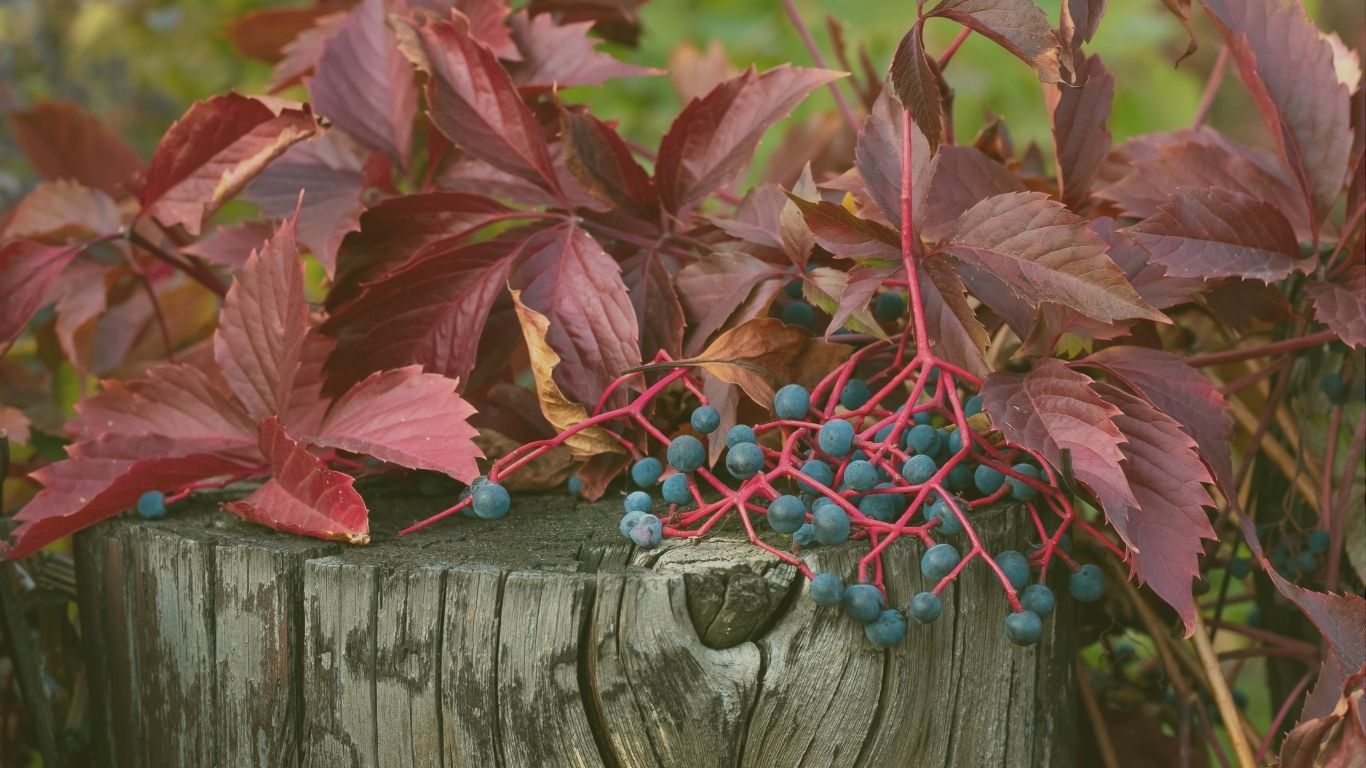
Ampelopsis quinquefolia belongs to the Vitaceae family, the same family as grapes. Known colloquially as Virginia creeper, five-leaved ivy, or woodbine, it is a vigorous, deciduous climbing plant native to eastern and central North America. It is often mistaken for poison ivy due to its five-palmate leaflets, but unlike its irritating cousin, Virginia creeper is generally non-toxic in its crude form, though the berries are considered poisonous if ingested in quantity.
The plant’s name offers a clue to its identity: Ampelopsis is derived from the Greek ampelos (vine) and opsis (resembling), literally meaning “vine-like.” Quinquefolia translates from Latin to “five leaves.” In the 19th century, the era when homeopathy was being rigorously systematized by Samuel Hahnemann and his followers, there was a concerted effort to “prove” new substances to expand the materia medica. Dr. Charles Julius Hempel, a German-American homeopath, conducted a proving of Ampelopsis quinquefolia in the mid-1800s. The symptoms generated during this proving form the bedrock of its homeopathic application. Interestingly, despite its North American origin, its homeopathic proving and incorporation into practice were largely driven by European homeopathic tradition.
Extraction and Preparation of Potencies
The homeopathic preparation of Ampelopsis follows the standardized principles of homeopathic pharmacopoeia. The remedy is typically prepared from the fresh leaves and stems of the plant at the time of flowering. The process begins with the collection of the plant material, which is then cleaned and finely chopped. This fresh botanical substance is then subjected to the process of trituration or maceration.
In trituration, the plant material is ground with lactose (milk sugar) in precise, sequential steps to create the crude medicinal substance. More commonly for fresh plants, the material is macerated in a mixture of alcohol and water to create the mother tincture, denoted as Ø. This tincture forms the foundational stock from which all subsequent potencies are prepared.
The core principle of homeopathic potentization involves serial dilution and succussion (vigorous shaking). Starting from the mother tincture, one drop is diluted in 99 drops of a water-alcohol solution and succussed to create a 1C (centesimal) potency. This process is repeated: one drop of the 1C solution is diluted in 99 drops of fresh diluent and succussed to make a 2C potency, and so on. Higher potencies like 30C, 200C, or 1M follow the same logarithmic scale. Each step of dilution and succussion is believed by homeopaths to potentiate the energetic or vibrational essence of the original substance while eliminating its material toxicity.
For Ampelopsis, potencies ranging from 6C to 200C and beyond are used in clinical practice, with the selection based on the totality of the patient’s symptoms and the practitioner’s assessment.
The Symptom Picture: Keynotes and Characteristics
The homeopathic remedy picture of Ampelopsis is strikingly specific and visceral, centered around a profound sense of internal burning and constriction. The provings revealed a cascade of symptoms that paint a picture of acute distress, both physical and mental.
1. Physical Symptoms:
Violent Burning Sensations: This is the paramount keynote. Patients describe a feeling as if their blood is on fire, with a burning sensation coursing through the veins. There is a sensation of intense heat in the stomach, chest, and throat.
Constriction and Construction: A tight, band-like sensation is common, particularly around the throat, chest, and abdomen. It may feel as if a tight cord is tied around the waist or the throat is being squeezed.
Gastric Disturbances: Nausea, vomiting, and a burning, sinking sensation in the epigastrium (pit of the stomach) are prominent. The tongue may feel burnt or may exhibit a burning sensation despite appearing normal.
Cardiac and Pulmonary Sensations: A feeling of tightness and burning in the chest, accompanied by anxiety and difficulty breathing. There may be a sensation of the heart being clutched or constricted.
Skin: While not its primary focus, some provers experienced crawling sensations and itching.
2. Mental and Emotional Symptoms:
Anxiety and Fear: The physical sensations induce a corresponding mental state of intense anxiety, fear, and foreboding. The patient may feel a sense of impending doom, often without any rational cause.
Restlessness: An inability to sit still, driven by the internal discomfort and anxiety.
Confusion: A clouded mind, difficulty concentrating, and a sense of being unwell without being able to precisely articulate the cause.
In homeopathic terminology, Ampelopsis is considered a remedy for “burning pains with constriction,” especially when these symptoms appear suddenly and with great intensity. The modality (condition that affects the symptoms) is generally worse from motion and touch.
Clinical Uses and Applications
Given its specific symptom profile, Ampelopsis is not a polycrest (a remedy with wide application) but a specialized remedy for particular situations. Its uses are primarily in acute conditions characterized by its keynotes.
Acute Gastritis and Food Poisoning: This is one of its most recognized applications. When a person suffers from violent burning in the stomach, nausea, and vomiting—especially after consuming spoiled food or alcohol—with a sensation of constriction and burning internally, Ampelopsis may be indicated. It is often compared to Arsenicum album, but Arsenicum patients are typically chilly, restless, and profoundly weak, while Ampelopsis focuses more on the pure burning/constriction duo.
Anxiety and Panic Attacks: For acute anxiety attacks that manifest with a strong somatic component—specifically a feeling of tightness in the chest and throat, accompanied by a burning sensation and fear—Ampelopsis can be considered.
Heartburn and GERD (Gastroesophageal Reflux Disease): Where the burning rises from the stomach to the throat, with a constrictive feeling, it may provide relief.
Post-operative or Traumatic Shock: In cases where the shock of an injury or surgery manifests internally as burning and constriction rather than the bruising and soreness of Arnica.
Unexplained Burning Syndromes: In clinical practice, homeopaths may use it for patients who present with chronic, unexplained sensations of internal burning that match the remedy’s picture.
Side Effects and the Principle of Homeopathic Aggravation
In the context of homeopathy, the concept of “side effects” differs from conventional pharmacology. A homeopathically prepared remedy in high potency contains virtually no molecules of the original substance and is not thought to cause pharmacological side effects.
However, two phenomena are acknowledged:
Homeopathic Aggravation: A temporary intensification of existing symptoms after taking a well-selected remedy. This is seen as a positive sign that the vital force is responding. An Ampelopsis aggravation would involve a short-lived increase in the burning or constrictive sensations before improvement begins.
Proving Symptoms: If an incorrect remedy is repeatedly taken, or a potency is mismatched, it can potentially induce (“prove”) new symptoms characteristic of that substance. Unsupervised use of Ampelopsis could, in theory, induce feelings of anxiety, burning, or constriction in a previously healthy person. This underscores the importance of professional consultation for remedy selection.
Prevention and Constitutional Prescribing
Homeopathy is primarily a therapeutic system rather than a preventive one in the conventional sense of vaccination. However, its holistic philosophy extends to prevention by strengthening overall constitution. Ampelopsis is not typically used as a “preventive” remedy for diseases. Its role is acute and symptom-specific.
True prevention in homeopathy involves treating the individual’s underlying constitutional remedy—the remedy that matches their physical, mental, and emotional totality—to improve resilience and susceptibility to illness. Ampelopsis is rarely, if ever, a constitutional remedy. It is an acute or pathological prescription, meaning it is given for a specific, presenting set of symptoms rather than for the person’s lifelong characteristics.
Comparative Analysis with Other Remedies
To fully understand Ampelopsis, it must be differentiated from other remedies with similar features.
Arsenicum Album: The most important comparison. Both have intense burning pains, anxiety, and restlessness. Key Difference: Arsenicum burning is better for heat (warm drinks, warmth), and the patient is profoundly chilly, exhausted, and fastidious. Ampelopsis burning is not necessarily ameliorated by heat, and the constriction sensation is more pronounced. Arsenicum has fear of death; Ampelopsis has fear from the shocking physical sensation.
Cantharis: Famous for intense, scalding, cutting pains, especially in urinary tract infections. Both have burning. Key Difference: Cantharis burning is more cutting and focused on mucous membranes (urethra, bladder), with intense urging. Ampelopsis burning is more diffuse (blood, veins, stomach) and paired with constriction.
Spigelia: Has constriction and cardiac anxiety. Key Difference: Spigelia has violent, stitching pains in the heart and left-sided neuralgias (like facial pain), with a sensation as if the heart is squeezed. Ampelopsis lacks the stitching pains and focuses on burning.
Cactus Grandiflorus: The classic “constriction” remedy, feeling as if an iron band is around the chest or heart. Key Difference: Cactus constriction is mechanical and periodic, often with palpitations. Ampelopsis combines its constriction with a pervasive burning heat.
Carbo Vegetabilis: For burning in the stomach and chest, with bloating. Key Difference: Carbo veg patients are sluggish, cold, and desire to be fanned (burning inside but cold externally). They lack the intense anxiety and constriction of Ampelopsis.
Frequently Asked Questions (FAQs) About Homeopathic Ampelopsis Medicine Quinquefolia
Q1: What is Ampelopsis quinquefolia in homeopathy?
A: In homeopathy, Ampelopsis quinquefolia is a remedy prepared from the fresh leaves and stems of the Virginia creeper plant. It is used to treat a specific set of symptoms characterized by intense internal burning sensations (often described as “burning blood”) and feelings of constriction, especially in the throat, chest, or abdomen, accompanied by anxiety.
Q2: What are the main uses or indications for this remedy?
A: Its primary uses are for acute conditions featuring:
Sudden, violent burning pains in the stomach, chest, or throat.
Nausea and vomiting with a sinking, burning feeling in the stomach (often after food poisoning or indigestion).
Feelings of tightness or constriction, as if a band is tied around the body.
Acute anxiety or panic attacks that manifest with these strong physical sensations.
Q3: Where does this homeopathic remedy come from?
A: The source material is the Virginia creeper, a native North American climbing vine. The homeopathic preparation uses the fresh plant during its flowering stage. It was first “proven” (tested for homeopathic effects) by Dr. Charles Julius Hempel in the 19th century.
Q4: How is Ampelopsis quinquefolia prepared?
A: It follows standard homeopathic pharmaceutical processes. The fresh plant is macerated in alcohol and water to create a mother tincture. This tincture then undergoes serial dilution and vigorous shaking (succussion) to produce various potencies, such as 6C, 30C, or 200C.
Q5: What potencies are commonly available and how do I choose one?
A: It is available in a range of potencies (e.g., 6X, 30C, 200C). Lower potencies (like 6C or 30C) are often used for acute physical symptoms and can be repeated more frequently. Higher potencies (200C and above) are typically selected by a practitioner for more intense or entrenched conditions. For safe and effective use, potency selection should be guided by a qualified homeopath based on your individual symptom picture.
Q6: Are there any side effects?
A: A properly selected homeopathic remedy in high potency contains no measurable molecules of the original substance and is not known to cause pharmacological side effects. However, a temporary homeopathic aggravation—a short-term intensification of existing symptoms—is possible and is considered a positive sign of the body responding. Taking the wrong remedy repeatedly could theoretically induce its characteristic symptoms.
Q7: Can I use it for prevention, like for travel sickness or before a big meal?
A: No, Ampelopsis is not typically a preventive remedy. It is a acute or pathological prescription, meaning it is used to treat a specific set of symptoms that are already present and clearly match its unique profile. It is not used like a supplement or vaccine for general prevention.
Q8: How is it different from Arsenicum album, since both have burning pains?
A: This is a key distinction. While both have burning and anxiety, Arsenicum album patients are profoundly chilly, exhausted, and restless with a fear of death. Their burning is often relieved by warmth. Ampelopsis focuses more on the pairing of burning with a strong sensation of constriction (tight bands), and the patient’s reaction is more about the shock of the physical sensation rather than the specific fears and chilliness of Arsenicum.
Q9: Can I take Ampelopsis quinquefolia alongside my conventional medications?
A: Homeopathic remedies are generally considered safe to use alongside conventional medicines, as there is no known biochemical interaction. However, you should always inform your doctor and homeopath about all the treatments you are using. A homeopath will consider your full health picture, including medications, when prescribing.
Q10: Is this a common remedy I can find easily?
A: It is considered a lesser-known or smaller remedy compared to polycrests like Arnica or Nux vomica. You may not find it in every local pharmacy, but it is available through specialized homeopathic pharmacies, online retailers of homeopathic products, and practitioners who often stock a wide range of remedies.
Q11: Should I self-prescribe this remedy?
A: Due to its very specific and intense symptom profile, self-prescribing Ampelopsis is not generally recommended for beginners. The sensations it treats (severe internal burning with constriction) can be symptoms of serious medical conditions (e.g., heart attack, severe gastrointestinal issues). It is crucial to seek a medical diagnosis first to rule out emergencies. A consultation with an experienced homeopathic practitioner is the best way to ensure this remedy is correctly matched to your condition.
Conclusion
Ampelopsis quinquefolia stands as a testament to the depth and specificity of the homeopathic materia medica. From its humble origins as a common North American vine, through the meticulous process of proving and potentization, it has emerged as a precise tool for a distinct pathological state. Its value lies not in its frequency of use, but in its potential to relieve suffering when the symptom picture of violent internal burning paired with constriction and anxiety presents itself clearly. While it may never achieve the household name status of Arnica or Belladonna, for the patient whose suffering aligns with its unique signature, Ampelopsis can be a profoundly effective intervention, highlighting homeopathy’s enduring principle: the power of the highly individualized, symptom-specific remedy. As with all homeopathic practice, its successful application requires careful study, accurate differentiation, and professional guidance to navigate the subtle yet significant distinctions that define healing in this holistic art.