
Table of Contents
ToggleThe Comprehensive Guide to Digestion: Understanding the System, Its Disorders, and Homeopathic Medicines for Digestion
The process of digestion is a silent, intricate symphony that plays out within us from the moment we take our first bite. It is the cornerstone of our health, converting the food we eat into the essential fuel and building blocks our bodies need to function, repair, and thrive. Yet, for many, this complex system falls out of harmony, leading to a cascade of discomfort and long-term health issues. Understanding digestion—its proper function, the symptoms of its disruption, its underlying causes, and the full spectrum of management, including the nuanced approach of homeopathy—is key to achieving lasting wellness.
The Marvel of Digestion: A Step-by-Step Journey
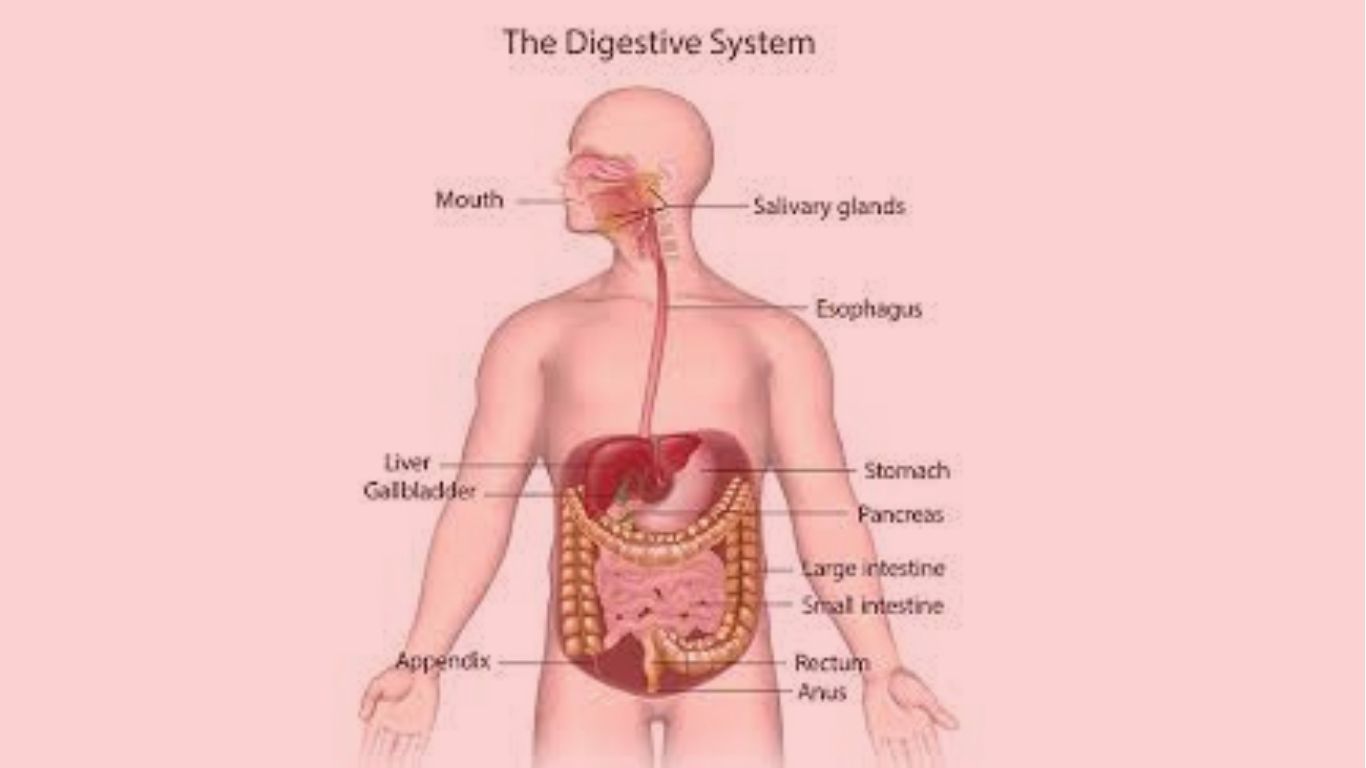
Digestion is a multi-stage process involving both mechanical and chemical breakdown, orchestrated by the digestive system—a long, muscular tube extending from the mouth to the anus, assisted by vital organs like the liver, pancreas, and gallbladder.
The journey begins in the mouth, where mechanical digestion via chewing mixes food with saliva. Saliva contains the enzyme amylase, which initiates the breakdown of starches. The formed bolus is then swallowed and travels down the esophagus via peristalsis—rhythmic muscle contractions—into the stomach. Here, food encounters a highly acidic environment. Gastric juices, rich in hydrochloric acid and the enzyme pepsin, work to denature proteins and sterilize the food, creating a semi-liquid mixture called chyme.
This chyme is slowly released into the small intestine, the star player of nutrient absorption. The pancreas secretes digestive enzymes (lipase, protease, amylase) to further break down fats, proteins, and carbohydrates. The liver produces bile, stored in the gallbladder, which emulsifies fats for easier digestion. The walls of the small intestine are lined with villi and microvilli, tiny finger-like projections that dramatically increase surface area for absorbing nutrients into the bloodstream.
Finally, remaining indigestible matter, water, and fiber move into the large intestine (colon). Here, water and electrolytes are reabsorbed, and gut flora—a vast ecosystem of bacteria—ferments certain fibers, producing vitamins (like K and some B vitamins) and short-chain fatty acids crucial for gut health. The resulting waste is stored in the rectum and expelled through the anus. This seamless process, when functioning optimally, ensures we derive maximum nourishment with minimal awareness.
When the Symphony Falters: Symptoms of Digestive Distress
Disruption at any point in the digestive journey manifests through a range of symptoms, from mild and occasional to severe and chronic.
Upper Digestive Symptoms: These include heartburn (a burning sensation in the chest), acid reflux (regurgitation of stomach acid), bloating, excessive belching, nausea, and a feeling of fullness soon after starting a meal (early satiety).
Intestinal and Abdominal Symptoms: This category encompasses abdominal pain or cramping, altered bowel habits (constipation, diarrhea, or alternating between both—a hallmark of Irritable Bowel Syndrome or IBS), urgent need for bowel movements, bloating in the lower abdomen, and excessive gas (flatulence).
Systemic Symptoms: Poor digestion often impacts the whole body. It can lead to unexplained fatigue, nutritional deficiencies (manifesting as brittle hair/nails, anemia), skin conditions like acne or eczema, joint pain, headaches, and even mood disturbances like anxiety and depression, thanks to the gut-brain axis.
Root Causes: Why Digestion Goes Awry
Digestive disorders rarely have a single cause. They typically arise from a complex interplay of factors.
Dietary Choices: The modern diet is a primary culprit. High consumption of processed foods, refined sugars, unhealthy fats, and artificial additives can disrupt gut flora and irritate the gut lining. Food intolerances (e.g., to lactose or gluten) and allergies trigger immune responses. Low fiber intake hampers bowel regularity.
Lifestyle Factors: Chronic stress is a major disruptor, altering gut motility, secretion, and permeability. Lack of physical activity slows intestinal transit. Inadequate sleep and poor hydration directly impact digestive efficiency.
Gut Microbiome Imbalance (Dysbiosis): An overgrowth of harmful bacteria or a loss of beneficial ones, often due to antibiotics, poor diet, or illness, can lead to bloating, gas, and increased intestinal permeability (“leaky gut”).
Structural and Functional Disorders: These include conditions like Gallstones, Gastritis (inflammation of the stomach lining), Gastroesophageal Reflux Disease (GERD), Peptic Ulcers, Inflammatory Bowel Disease (IBD—Crohn’s disease and Ulcerative Colitis), IBS, and Celiac disease.
Medications and Toxins: Frequent use of non-steroidal anti-inflammatory drugs (NSAIDs), antibiotics, and some other medications can damage the gut lining. Exposure to environmental toxins and pesticides may also contribute.
Genetic and Psychological Predisposition: A family history of digestive disorders can increase risk. Furthermore, psychological states like chronic anxiety are intimately linked to gut function via the vagus nerve and neurotransmitter production.
The Ripple Effect: Consequences of Chronic Digestive Issues
Ignoring persistent digestive symptoms can lead to serious complications. Malabsorption can result in deficiencies of iron (anemia), vitamin B12 (neurological issues), calcium, and other vital nutrients. Chronic inflammation in conditions like IBD increases the risk of colorectal cancer. “Leaky gut,” where the intestinal barrier becomes permeable, may allow undigested food particles and toxins into the bloodstream, potentially triggering systemic inflammation and autoimmune responses. The constant discomfort and pain also significantly diminish quality of life, leading to social withdrawal, reduced productivity, and mental health struggles.
Foundational Prevention and Management
A proactive approach to digestive health is built on lifestyle and dietary pillars.
Mindful Eating: Eating slowly, chewing thoroughly, and avoiding large, late-night meals can dramatically reduce upper digestive stress.
A Balanced, Whole-Foods Diet: Emphasizing fruits, vegetables, whole grains, lean proteins, and healthy fats provides essential fiber and nutrients. Identifying and eliminating personal trigger foods (common ones include dairy, gluten, spicy foods, and caffeine) is crucial. Incorporating fermented foods (yogurt, kefir, sauerkraut) can support a healthy microbiome.
Hydration and Regular Exercise: Drinking ample water aids digestion and prevents constipation. Regular physical activity stimulates intestinal contractions and reduces stress.
Stress Management: Incorporating techniques like yoga, meditation, deep breathing, or spending time in nature can calm the nervous system and, by extension, the digestive system.
Judicious Use of Medications: Using medications like antibiotics and NSAIDs only when necessary and under medical supervision protects the gut lining and microbiome.
The Homeopathic Perspective: Treating the Individual, Not Just the Disease
Homeopathy offers a distinct, holistic approach to digestive disorders. It operates on the principle of “like cures like”—using highly diluted substances that, in larger doses, would produce symptoms similar to those the patient is experiencing, to stimulate the body’s self-healing response. Crucially, homeopathy does not treat a diagnosed disease name (e.g., “colitis”) in a standardized way. Instead, it treats the individual’s unique expression of illness, considering their physical, emotional, and mental totality.
A homeopathic practitioner conducts an extensive consultation, delving into the precise nature of the symptoms (e.g., what makes the pain better or worse, the exact type of bloating or stool), the patient’s personality, stress responses, food cravings, and overall constitution. This leads to the selection of a single, most-similar remedy (the simillimum).
Common Homeopathic Remedies for Digestive Issues (to be used under guidance):
Nux Vomica: Often considered for individuals with a sedentary lifestyle, high stress, and indulgence in rich foods, alcohol, or coffee. Symptoms include heartburn, nausea, constipation with ineffectual urging, and a feeling of being overly full. Irritability often accompanies the physical symptoms.
Lycopodium: Suited for people who experience intense bloating and gas, particularly in the lower abdomen, often starting early in the afternoon. They may crave sweets, have a lack of confidence despite outward competence, and feel worse from eating onions or beans.
Carbo Vegetabilis: The “homeopathic charcoal.” Indicated for severe bloating and flatulence with a sluggish digestion. The person feels cold, weak, and faint, and may ask to be fanned. Symptoms are often worse from rich, fatty foods.
Arsenicum Album: For digestive upsets accompanied by anxiety, restlessness, and perfectionism. Symptoms include burning pains, vomiting, diarrhea (often foul-smelling), and a profound exhaustion. The person is typically very thirsty for small sips of water and feels worse after midnight.
Pulsatilla: Useful for digestive issues that are changeable (diarrhea alternating with constipation) and for people who are emotionally gentle, tearful, and crave reassurance. They often have a strong aversion to fatty foods and feel better in open air.
Sulphur: For a burning sensation in the entire digestive tract, morning diarrhea that drives the person out of bed, and a general aversion to being washed. They may be philosophical but neglectful of practical matters.
Homeopathic treatment aims not merely to suppress symptoms but to restore balance at a deep constitutional level, thereby improving the body’s inherent ability to digest and absorb nutrients properly. It is viewed as a complementary therapy that can work alongside conventional medicine and the essential lifestyle modifications outlined above.
FAQs: Homeopathic Medicines for Digestion
1. What is the basic principle behind using homeopathy for digestion?
Homeopathy is based on the principle of “like cures like.” A substance that can cause certain symptoms in a healthy person is used in a highly diluted, potentized form to treat similar symptoms in someone who is unwell. For digestive issues, homeopathy does not just target the physical symptoms (like bloating or pain) but aims to treat the individual as a whole, considering their unique physical, emotional, and mental state to stimulate the body’s own self-healing response.
2. Are homeopathic medicines safe for digestive problems?
Yes, when used correctly, homeopathic medicines are generally considered safe due to their highly diluted nature. They are non-toxic, non-habit-forming, and typically have no direct chemical interactions with conventional medications. However, it is crucial to select the right remedy for your specific symptom pattern. Self-prescribing for chronic or severe conditions is not recommended. Always inform your doctor and homeopath about all treatments you are using.
3. Can I use homeopathy alongside my regular antacids or other digestive medications?
Homeopathic medicines can often be used alongside conventional medications. They work on a different, energetic level and are not known to interfere chemically. However, it is essential to manage this under the guidance of both your physician and a qualified homeopath. They can advise on any necessary adjustments and ensure a coordinated approach to your care. Do not stop prescribed medication without consulting your doctor.
4. How do I choose the right homeopathic remedy for my indigestion or bloating?
Homeopathy is highly individualized. The correct remedy depends on your specific set of symptoms and what makes them better or worse. For example, one person’s bloating relieved by burping might need a different remedy than another person’s bloating worsened by tight clothing. Key factors include the precise location and sensation of pain, food cravings and aversions, accompanying emotions (like irritability or anxiety), and timing of symptoms. A detailed homeopathic consultation is the best way to find your optimal remedy.
5. I have Irritable Bowel Syndrome (IBS). Can homeopathy help?
Many people with IBS, a functional disorder with no single conventional cure, find significant relief with homeopathy. A homeopath will not treat the label “IBS” but will carefully analyze your unique symptom pattern—whether you experience more diarrhea or constipation, the exact nature of abdominal pain, how stress affects you, and your overall constitution. By addressing this totality, homeopathy aims to bring the digestive system back into balance and reduce the frequency and intensity of flare-ups.
6. How quickly do homeopathic medicines work for acute issues like food poisoning or indigestion?
For acute digestive upsets (e.g., sudden nausea from overeating, traveler’s diarrhea, holiday indigestion), a well-chosen homeopathic remedy can act very quickly, sometimes within minutes to a few hours. The key is matching the remedy picture closely to your acute symptoms. For chronic, long-standing issues like gastritis or ulcerative colitis, the treatment is deeper and may require more time and a constitutional remedy prescribed by a professional to see lasting improvement.
7. Are there any dietary or lifestyle restrictions while taking homeopathic medicines?
Traditional homeopathic advice suggests avoiding strong aromatic substances like coffee, mint (in toothpaste or gum), camphor, and eucalyptus, as they are believed to potentially interfere with the action of the remedy. It is generally recommended to take the remedy on a clean palate, at least 15-20 minutes before or after eating, drinking, or brushing teeth. Beyond this, a homeopath will likely encourage a diet and lifestyle supportive of gut health, tailored to your needs.
8. What is the difference between a homeopathic remedy and a digestive herbal supplement?
This is an important distinction. Herbal supplements (like ginger, peppermint, or artichoke extract) work through a biochemical action, delivering active compounds that directly affect digestive organs, acid secretion, or gut motility. Homeopathic remedies, due to their high dilution, contain little to no physical molecules of the original substance. They are believed to work by delivering an energetic “signal” or information to the body to initiate healing. Their action is considered more holistic and information-based rather than biochemical.
9. Can homeopathy treat serious conditions like Crohn’s disease or ulcers?
Homeopathy can be used as a supportive therapy for managing symptoms and improving quality of life in serious inflammatory conditions like Crohn’s disease, Ulcerative Colitis, and ulcers. It is not a replacement for conventional medical diagnosis and treatment. These conditions require careful medical monitoring. A responsible homeopath will work alongside your gastroenterologist, aiming to support the body’s vitality, reduce the severity of symptoms, and potentially lower dependency on strong medications, all under proper medical supervision.
10. Where should I start if I want to try homeopathy for my digestion?
For mild, occasional complaints, you can carefully research and try an over-the-counter acute remedy (like Nux vomica for holiday overindulgence or Arsenicum album for food poisoning). For chronic, recurring, or severe digestive issues, the best starting point is a consultation with a qualified, professional homeopath. They will take a comprehensive case history to understand the root of your imbalance and prescribe a personalized, constitutional treatment plan for the most effective and sustained results.
Conclusion
Digestion is far more than a biological process; it is a central pillar of our overall health and vitality. Its disruption sends signals that demand our attention. A comprehensive approach to digestive wellness involves respecting the body’s design through mindful eating and living, understanding the multifaceted causes of dysfunction, and being open to integrative healing modalities. While conventional medicine provides crucial diagnostic tools and management for structural diseases, systems like homeopathy offer a personalized, holistic pathway to address the root energetic imbalance. Ultimately, by listening to our gut and nurturing it with wisdom and care, we lay the foundation for a resilient and vibrant life.