Table of Contents
ToggleWarts: A Comprehensive Guide to Symptoms, Causes, and Homeopathic Medicines for Warts
Warts are one of the most common, yet often misunderstood, skin conditions encountered by people of all ages. While frequently dismissed as mere cosmetic nuisances, they represent a viral infection that can offer insights into an individual’s immune response. This detailed exploration will demystify warts, covering their symptoms, causes, effects, prevention, and delve into the principles of homeopathic treatment, offering a holistic perspective on this pervasive issue.
What Are Warts?
At their core, warts are benign (non-cancerous) skin growths caused by the human papillomavirus (HPV). This virus invades the top layer of skin, typically through a tiny cut or abrasion, and causes the rapid growth of cells on the outer layer, forming the wart. There are over 100 different subtypes of HPV, each preferring different skin areas, which accounts for the variety in wart appearance and location. It’s crucial to understand that the strains of HPV that cause common skin warts are different from those that cause genital warts or are linked to cervical cancer.
Symptoms and Types of Warts
Warts are highly variable in appearance, which is why they are categorized into distinct types. Recognizing the type is the first step toward understanding the condition.
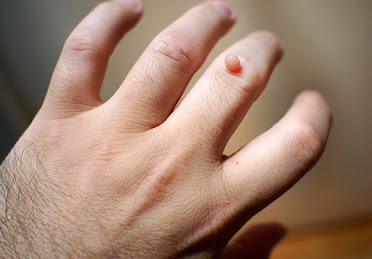
Common Warts (Verruca Vulgaris): As the name suggests, these are the most prevalent. They typically appear as small, grainy bumps with a rough, cauliflower-like surface. They are often flesh-colored, white, pink, or tan, and may contain tiny black pinpoints, which are clotted blood vessels. They favor sites of frequent trauma: fingers, around nails (periungual warts), and the backs of hands.
Plantar Warts: These develop on the soles of the feet. Unlike common warts, they grow inward due to the pressure of walking and standing. They often appear as thick, callus-like lesions with tiny black dots in the center. They can be singular or in clusters (mosaic warts) and are frequently tender or painful when walking, feeling like a stone in the shoe.
Flat Warts (Verruca Plana): These are smaller and smoother than other warts, with flat tops. They can be pink, light brown, or yellowish. They tend to appear in large numbers—anywhere from 20 to 100 at a time—and favor the face, neck, hands, and knees. They are often spread by shaving.
Filiform Warts: These have a distinctive, thread-like or finger-like projection. They are usually flesh-colored and grow rapidly. They commonly appear on the face—around the mouth, eyes, and nose—and can be cosmetically concerning.
Genital Warts: A separate category caused by specific HPV strains, these appear in the genital and anal areas. They require evaluation and treatment by a healthcare professional and will not be the focus of homeopathic discussion here.
General symptoms across types may include mild tenderness, especially in pressure areas, and possible itching. A key characteristic is that warts often disrupt the natural lines and ridges of the skin.
Causes and Transmission
The singular cause of warts is infection with the human papillomavirus. However, transmission and susceptibility involve several factors:
Direct Contact: The primary mode of transmission is skin-to-skin contact with a wart on another person.
Indirect Contact: The virus can survive on warm, moist surfaces. Walking barefoot in communal showers, swimming pools, or gym locker rooms can lead to plantar warts. Sharing towels, razors, or other personal items can also spread the virus.
Autoinoculation: An individual can spread the virus from one part of their own body to another by touching, scratching, or shaving over a wart.
Compromised Skin: The virus enters more easily through damaged skin—cuts, hangnails, cracked dry skin, or areas weakened by eczema.
Weakened Immune System: While anyone can get warts, children, teenagers, and individuals with compromised immune systems (due to illness, stress, or certain medications) are more susceptible, as their bodies may not mount an effective defense against HPV.
Effects and Complications
Beyond the obvious physical appearance, warts can have several effects:
Pain and Discomfort: Plantar warts can make walking and standing painful. Common warts on fingertips can interfere with fine motor tasks.
Cosmetic Concern and Embarrassment: Especially for facial warts (flat or filiform), the impact on self-esteem and social confidence can be significant.
Bleeding: Warts have their own blood supply. If scratched, picked at, or caught on something, they can bleed, sometimes profusely.
Spreading: Without care, warts can multiply on the individual or spread to others in close contact, like family members or teammates.
Persistence and Recurrence: Some warts are stubborn, resisting treatment or returning after removal. This is often a sign of an ongoing viral presence in the system.
Prevention Strategies
Prevention focuses on minimizing exposure and boosting the body’s natural defenses:
Do Not Touch: Avoid picking, scratching, or shaving directly over a wart.
Maintain Good Hygiene: Wash hands thoroughly and regularly, especially after touching a wart.
Keep Skin Intact and Moisturized: Prevent cracks and cuts in the skin, which are entry points for the virus.
Protect Feet: Wear flip-flops or waterproof shoes in public showers, pool decks, and gym locker rooms.
Avoid Sharing Personal Items: This includes towels, washcloths, razors, nail clippers, socks, and shoes.
Cover Warts: Use a bandage or waterproof tape to cover warts, especially before swimming or during sports.
Healthy Lifestyle: Support your immune system with a balanced diet, adequate sleep, regular exercise, and stress management.
The Homeopathic Perspective and Treatment
Homeopathy offers a distinct, holistic approach to treating warts. Rather than viewing the wart as an isolated enemy to be destroyed (as in cryotherapy or salicylic acid treatments), homeopathy sees it as a local expression of a systemic imbalance, often related to the individual’s immune response to the HPV virus. The goal is not merely to remove the growth but to stimulate the body’s inherent healing capacity to reject the viral influence, thereby addressing the root cause and potentially preventing recurrence.
Core Principles in Homeopathic Treatment of Warts:
Individualization: This is paramount. A homeopath will select a remedy based not just on the wart’s physical appearance, but on the totality of the person’s symptoms—their physical constitution, emotional state, modalities (what makes the wart better or worse), and associated generals like heat/cold preference, sleep patterns, and appetite.
The Law of Similars: The remedy chosen is one that, if given in large doses to a healthy person, would produce symptoms similar to those the patient is experiencing (including the production of wart-like growths).
Treating the Terrain: The focus is on correcting the underlying susceptibility that allowed the HPV to take hold, thereby strengthening the body’s defenses.
Common Homeopathic Remedies for Warts:
The choice of remedy is highly specific, but some frequently indicated ones include:
Thuja Occidentalis: Often considered a top remedy for warts. It is indicated for seedy, fleshy, cauliflower-like warts that may bleed easily. They can be on any body part but are common on the face, eyelids, and genitals. Suited to individuals who may have a history of vaccination or suppressed skin conditions.
Antimonium Crudum: For hard, smooth, flat warts that often appear in groups. They commonly occur on the palms, soles, fingertips, and face (especially near the mouth). The individual may have a tendency towards gastric upsets and a thickly-coated white tongue.
Nitricum Acidum: Indicated for large, jagged, fissured warts that bleed easily and are extremely painful, especially to touch. They are often stubborn and may be located in areas where skin meets mucous membrane (like lips, anus). The person may be anxious, concerned about health, and sensitive to pain.
Causticum: For large, old, hard, seedy warts that are prone to bleeding. They are often on the face (tip of nose, eyelids), fingertips, and may be painful. Typically helpful for individuals who are sympathetic, anxious about others, and may suffer from stiffness or paralysis.
Dulcamara: For flat, smooth warts that appear in large numbers, especially on the backs of hands and face. They often flare up or appear in cold, damp weather. Suited to people whose conditions worsen with cold and damp.
Calcarea Carbonica: Often considered for plantar warts in individuals who are chilly, easily fatigued, and perhaps overweight. The warts may be hard and painful on the soles.
Application and Potency:
Homeopathic remedies for warts are typically administered orally in pill or liquid form, aiming for a systemic response. Sometimes, topical applications in tincture or ointment form (e.g., Thuja tincture) are used adjunctively. The potency (e.g., 6C, 30C, 200C) and frequency of dosage are determined by the practitioner based on the case’s strength and chronicity. Self-prescribing for acute, minor warts is possible with low potencies, but chronic, multiple, or recurrent warts strongly benefit from the guidance of a professional homeopath.
The Healing Process:
With a well-chosen remedy, one may observe different responses. The wart might gradually dry up, shrink, and fall off. Sometimes, it may appear to get slightly larger or more inflamed initially—an action seen by homeopaths as the body mobilizing a response—before beginning to recede. The primary goal is the disappearance of the wart and an improvement in the person’s overall vitality, with no new warts forming.
Frequently Asked Questions (FAQs) About Homeopathic Medicines for Warts
Homeopathy offers a unique perspective on treating warts, often leading to many questions. Here are some of the most common FAQs answered in detail.
1. How does homeopathy treat warts differently from conventional medicine?
Conventional treatments (like cryotherapy, acid applications, or surgery) focus on physically destroying or removing the wart tissue. Homeopathy, in contrast, aims to treat the underlying susceptibility to the Human Papillomavirus (HPV). It uses highly diluted natural substances to stimulate the body’s own immune and healing systems to recognize and reject the viral infection, causing the wart to fade from within and reducing the likelihood of recurrence.
2. Is homeopathic treatment for warts safe?
Yes, when practiced correctly, homeopathy is considered very safe. The remedies are highly diluted, non-toxic, and non-addictive. They are generally free from chemical side effects. However, it is crucial to consult with a qualified homeopathic practitioner, especially for children, pregnant women, or individuals with complex health conditions, to ensure the correct remedy and potency are selected.
3. Can I treat my warts at home with over-the-counter homeopathic remedies?
For a single, common wart, you may experiment with a low-potency (like 6C or 30C) version of a commonly indicated remedy such as Thuja. However, homeopathy is a system of individualized medicine. The most effective results come from a remedy matched to your specific symptoms and overall constitution. For multiple warts, plantar warts, facial warts, or recurrent warts, consultation with a professional homeopath is strongly recommended for a lasting solution.
4. What are some common homeopathic remedies for warts, and how do I know which one is for me?
Common remedies include Thuja (cauliflower-like warts), Antimonium crudum (smooth, flat warts), Nitricum acidum (painful, bleeding warts), and Causticum (old, hard warts on fingertips). The selection is not based on the wart alone. A homeopath considers its location, appearance, sensations, what makes it better or worse, and your general physical and emotional traits. This is why a professional consultation yields the best results.
5. How long does it take for homeopathic medicine to work on warts?
The timeline varies significantly. A well-chosen remedy can show initial changes (like the wart drying, darkening, or shrinking) within a few weeks. Complete resolution may take several weeks to a few months, especially for older, deeper, or multiple warts. Patience is key, as the treatment is working systemically to correct the root cause, not just removing the surface symptom.
6. Will my wart get worse before it gets better with homeopathy?
Sometimes, an “aggravation” or temporary intensification of symptoms can occur. The wart may appear slightly more pronounced or inflamed for a short period. In homeopathic philosophy, this is often seen as a positive sign that the remedy is actively stimulating the body’s healing response. This phase is usually mild and transient. If any reaction is severe or concerning, you should contact your homeopath.
7. Can I use homeopathy alongside my conventional wart treatment (like salicylic acid or freezing)?
It is generally not advisable to use both systems simultaneously. Conventional destructive treatments can suppress the local expression (the wart) while the homeopathic remedy is trying to elicit a systemic curative response. This can confuse the body’s healing process and make it difficult to assess the action of the homeopathic medicine. It’s best to choose one approach and follow it consistently, after discussing the pros and cons with both your dermatologist and homeopath.
8. Are homeopathic medicines for warts taken as pills or applied as creams?
The primary mode of administration is oral, typically as sweet pellets (globules) or liquid drops, to initiate a whole-body response. However, some practitioners may also recommend a complementary topical application, such as Thuja mother tincture or ointment, applied directly to the wart. The oral remedy is considered the core of the treatment, with the topical application serving as a local support.
9. If homeopathy treats the root cause, does that mean my warts will never come back?
Homeopathy aims to correct the underlying immune susceptibility, which significantly reduces the probability of recurrence. If the individual’s constitutional state is effectively balanced, new warts should not readily form. However, if a person is re-exposed to the virus during a period of significant immune stress (like severe illness or extreme fatigue), a new wart could potentially appear, which might indicate a need for a follow-up or a different remedy.
10. Do homeopathic remedies interact with other medications I am taking?
Homeopathic remedies, due to their high dilution, are not known to interfere chemically with conventional medications. They are generally safe to use alongside them. However, you must always keep your homeopath and medical doctor fully informed about all treatments and medications you are using to ensure coordinated and safe care. Certain strong substances (like camphor, eucalyptus, and some essential oils) are sometimes thought to potentially antidote homeopathic remedies, so your practitioner may advise avoiding them during treatment.
Conclusion
Warts are more than skin-deep. They are a visible signal of a viral interaction with our immune system. While conventional treatments focus on physical destruction with varying success rates, homeopathy seeks to understand and rectify the internal imbalance that permits the wart to exist. This approach, which considers the unique physical and emotional landscape of the individual, offers a path to not only clear skin but also to enhanced systemic resilience. Whether one chooses conventional removal, homeopathic treatment, or a combination, patience and consistency are key, as addressing warts effectively is often a marathon, not a sprint. For persistent, painful, or cosmetically distressing warts, consultation with a dermatologist or a qualified homeopathic practitioner is always recommended to ensure an accurate diagnosis and a tailored treatment plan.













1 thought on “Homeopathic Medicines for Warts”