
Table of Contents
ToggleHeadache: Symptoms, Causes, Effects, Prevention and Homeopathic Remedies for Headache
Introduction
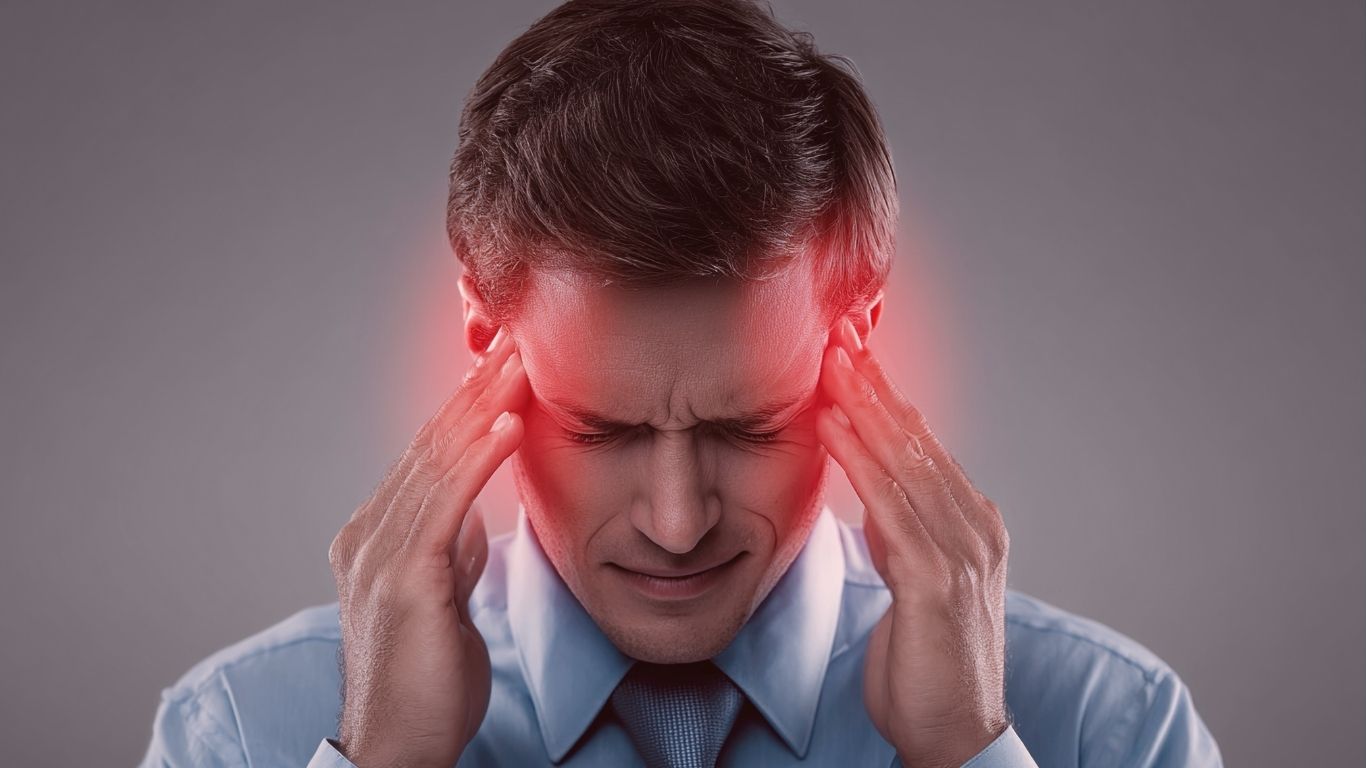
Headache. It is one of the most universal human experiences, a common language of pain understood across cultures and ages. From a dull, persistent ache to a debilitating, vise-like grip, headaches disrupt lives, diminish productivity, and cast a shadow over daily activities. While often dismissed as a minor nuisance, a headache can be a mere symptom of fatigue or a complex signal from the body demanding attention. This article delves into the intricate world of headaches, exploring their symptoms, root causes, wide-ranging effects, preventive strategies, and the nuanced approach of homeopathic treatment.
The Many Faces of Pain: Symptoms and Types of Headaches
Not all headaches are created equal. The International Classification of Headache Disorders catalogs over 150 types, but they primarily fall into two categories: primary and secondary.
Primary Headaches are disorders in themselves, not caused by another medical condition. The big three are:
Tension-Type Headache (TTH): The most common variety, affecting nearly everyone at some point. It presents as a constant, band-like pressure or tightness across the forehead, temples, or back of the head and neck. The pain is typically mild to moderate, bilateral, and described as “non-pulsating.” It doesn’t usually worsen with routine physical activity and is rarely accompanied by nausea. Episodic TTH can last from 30 minutes to a week, while the chronic form can be relentless, occurring 15 or more days a month.
Migraine: Far more than just a “bad headache,” migraine is a complex neurological disorder. It often involves severe, throbbing or pulsating pain, usually on one side of the head. Key hallmarks include sensitivity to light (photophobia), sound (phonophobia), and smells; nausea and vomiting; visual disturbances known as aura (like flashing lights, zigzag lines, or blind spots) occurring in about 25% of sufferers; and worsening of pain with movement. A migraine attack can last from 4 to 72 hours, often leaving the individual drained in a “postdrome” phase.
Cluster Headache: Known as one of the most painful conditions known to medicine, cluster headaches are relatively rare but intensely severe. They occur in cyclical patterns or “clusters,” with attacks striking abruptly, often at the same time each day, frequently waking the person from sleep. The pain is excruciating, strictly one-sided, usually centered around or behind one eye, described as a burning or piercing sensation. It is accompanied by autonomic symptoms on the same side: a red or watering eye, drooping eyelid, runny or stuffy nose, and restlessness or agitation. Attacks are shorter (15 minutes to 3 hours) but can occur multiple times a day.
Secondary Headaches are symptoms of an underlying disease. They can signal issues ranging from sinus infections, dehydration, and medication overuse to serious conditions like meningitis, brain tumors, or strokes. A sudden, severe “thunderclap” headache, headaches following head injury, or those accompanied by fever, stiff neck, confusion, or seizures require immediate medical attention.
Unraveling the Knot: Causes and Triggers
The causes of headaches are as varied as their types. For primary headaches, the exact pathophysiology is still being unraveled, but involves a interplay of genetics, environmental factors, and neurological and vascular mechanisms.
Tension-Type Headaches: Often linked to muscle contraction in the head, neck, and shoulders due to poor posture, stress, anxiety, or eye strain. However, recent research suggests a heightened sensitivity to pain pathways in the central nervous system also plays a key role.
Migraines: Believed to involve a wave of abnormal electrical activity in the brain (cortical spreading depression), which triggers inflammation and affects blood vessels and trigeminal nerve pathways. Imbalances in brain chemicals like serotonin are also implicated. Triggers are highly individual and can include hormonal changes (menstruation), certain foods (aged cheese, processed meats, alcohol), skipped meals, sleep disturbances, weather changes, and strong sensory stimuli.
Cluster Headaches: Likely related to abnormalities in the hypothalamus (the brain’s “body clock”), which then activates the trigeminal nerve and cranial blood vessels. Alcohol and nitroglycerin are potent triggers during a cluster period.
Common lifestyle and environmental triggers that cut across headache types include dehydration, poor sleep hygiene, dietary choices, caffeine withdrawal, prolonged screen time, and emotional stress.
The Ripple Effect: Consequences Beyond the Pain
The impact of headaches, especially chronic ones, extends far beyond the period of acute pain. The effects are multidimensional:
Personal and Emotional: Chronic pain breeds frustration, irritability, anxiety, and depression. The constant anticipation of the next attack can lead to “headache phobia,” where individuals restrict their lives to avoid potential triggers. Relationships can suffer as social plans are canceled and family dynamics are strained.
Professional and Economic: Headaches are a leading cause of absenteeism and presenteeism (working while impaired). The Migraine Trust estimates migraine alone costs the UK economy billions annually in lost productivity. Careers can be derailed, and financial strain arises from medical bills and lost income.
Cognitive Function: During an attack, concentration, memory, and decision-making abilities are severely impaired. This “brain fog” can persist, affecting learning and professional performance.
Overall Quality of Life: The cumulative effect is a significant reduction in quality of life. Hobbies are abandoned, physical activity is avoided, and the simple joy of a pain-free day becomes a coveted treasure.
Building Your Defense: Prevention and Management
While not all headaches are preventable, their frequency and severity can often be significantly reduced through proactive lifestyle management.
Identify and Avoid Triggers: Keeping a detailed headache diary is the first step. Note the time of onset, duration, intensity, potential triggers (food, stress, sleep, weather), and medications taken. Patterns will emerge, empowering you to make informed changes.
Establish Consistency: Regulate your sleep schedule. Aim for 7-9 hours of quality sleep, going to bed and waking up at consistent times, even on weekends.
Nourish and Hydrate: Eat balanced, regular meals to avoid blood sugar crashes. Stay well-hydrated with water throughout the day. Limit known dietary triggers like processed foods, MSG, and excessive caffeine or alcohol.
Master Stress: Incorporate stress-reduction techniques into your daily routine. This could be mindfulness meditation, deep-breathing exercises, yoga, tai chi, or simply spending time in nature.
Move Your Body: Regular, moderate aerobic exercise (like brisk walking, swimming, or cycling) is a powerful preventive tool. It releases endorphins, improves sleep, and reduces stress. However, intense exercise can sometimes trigger headaches, so moderation is key.
Mind Your Posture: Especially for tension headaches, ergonomic adjustments at work, regular stretching of the neck and shoulders, and avoiding prolonged static positions are crucial.
Beware of Medication Overuse: Using acute headache medications (like NSAIDs or triptans) more than 2-3 days a week can lead to Medication Overuse Headache (MOH), a vicious cycle where the cure becomes the cause.
A Holistic Perspective: Homeopathic Treatment for Headaches
Homeopathy offers a distinct, individualized approach to treating headaches. It operates on the principle of “like cures like” – using highly diluted substances that, in larger doses, would produce symptoms similar to those the patient is experiencing. The goal is to stimulate the body’s inherent self-healing mechanisms. A homeopathic practitioner does not simply diagnose “migraine” but seeks to understand the totality of the person’s experience.
The Consultation: A homeopathic case-taking for headaches is extensive. The practitioner will ask not just about the location, sensation, and modality (what makes it better or worse) of the pain, but also about the person’s:
Unique Modalities: Does the headache improve with firm pressure, cold applications, lying in a dark room, or motion? Does it worsen with heat, noise, or before menstruation?
Concomitant Symptoms: What else happens during the headache? Is there nausea, vomiting, specific cravings, chills, or particular emotional states like irritability or weepiness?
Constitutional Traits: The practitioner considers the individual’s overall physical makeup, temperament, food preferences, sleep patterns, and response to stress. Two people with clinically identical migraines may receive completely different remedies based on their constitutional picture.
Common Homeopathic Remedies for Headaches:
Belladonna: For sudden, violent, throbbing headaches that come and go quickly. The face is flushed, pupils may be dilated, and the person is sensitive to light, noise, and jarring motion. The headache often starts on the right side.
Bryonia Alba: For splitting, bursting headaches that worsen with the slightest movement of the eyes or head. The person desires absolute stillness, is intensely irritable, and wants to be left alone. Headaches may be triggered by getting too hot or from suppressed emotions.
Gelsemium: For dull, heavy, band-like headaches that start in the back of the neck and spread over the head. There is a feeling of heaviness in the eyelids and a lack of muscular coordination. Often associated with anticipatory anxiety or before a stressful event.
Iris Versicolor: A classic migraine remedy, especially for headaches with visual disturbances (aura), intense nausea, and acidic vomiting. The pain is often right-sided and may follow a regular weekly cycle.
Natrum Muriaticum: For chronic headaches that feel like little hammers beating in the head, often triggered by emotional grief, sun exposure, or around menstruation. The person may be reserved, prone to dwelling on past hurts, and may crave salt.
Nux Vomica: For tension-type headaches or hangover headaches from overindulgence in food, alcohol, or stimulants. The person is extremely irritable, impatient, and chilly. The headache is often in the forehead or back of the head, worse in the morning.
Sanguinaria Canadensis: For right-sided migraines that start in the back of the neck, travel over the head, and settle above the right eye. The pain is periodic (every 7 days, for example), with burning sensations, and is often relieved by sleep and vomiting.
Important Considerations: Homeopathic treatment is highly personalized. Self-prescribing for acute, occasional headaches can be effective, but for chronic, debilitating conditions, consulting a qualified homeopathic practitioner is essential. Homeopathy is generally safe and non-toxic, with no risk of drug interactions or overuse headaches. It can be used alongside conventional medicine, though it is crucial to inform all your healthcare providers about all treatments you are using.
FAQs: Homeopathic Remedies for Headaches
1. What is the basic principle behind using homeopathy for headaches?
Homeopathy is based on the principle of “like cures like.” This means a substance that can cause certain symptoms in a healthy person is used in a highly diluted, potentized form to treat similar symptoms in someone who is unwell. For headaches, the goal is not just to suppress the pain temporarily but to address the underlying imbalance causing the headache, considering the person’s unique physical, emotional, and mental state. A homeopath selects a remedy that most closely matches the individual’s total symptom picture.
2. Can I self-prescribe a homeopathic remedy for my headache, or do I need to see a practitioner?
For occasional, acute headaches (e.g., a tension headache after a long day or a mild migraine), self-prescribing from common remedies can be effective and is common practice. However, for chronic, severe, or recurring headaches (like frequent migraines or cluster headaches), consulting a qualified homeopathic practitioner is strongly recommended. A professional can conduct a full case analysis to find your “constitutional remedy,” which aims to treat your overall susceptibility to headaches and improve your general well-being, offering deeper and longer-lasting results.
3. How do I choose the right remedy? It seems like many fit my description.
Selection is based on your specific, individual symptoms, not just the diagnosis of “migraine” or “tension headache.” Pay close attention to the modalities: what makes the pain better or worse (e.g., pressure, cold, darkness, motion), the exact location and sensation (throbbing, stitching, bursting), and any concomitant symptoms (like nausea, irritability, or visual aura). The more precisely your experience matches the remedy picture, the more effective it is likely to be. If several seem to fit, start with the one that matches most closely or consult a materia medica for finer distinctions.
4. What potency (like 6C, 30C, 200C) should I start with, and how often do I take it?
For acute self-care, lower potencies (like 6C or 30C) are generally recommended and are widely available. A common protocol is to take one dose (usually 3-5 tiny pellets) and wait to see the response. If the pain begins to improve significantly, stop taking it. Only repeat the dose if the improvement plateaus or symptoms start to return. Avoid frequent, repeated dosing without clear indication, as this can sometimes aggravate symptoms or muddy the case. Higher potencies (200C and above) are typically used by practitioners for constitutional treatment.
5. Are homeopathic remedies safe to use with my conventional headache medications?
Yes, homeopathic remedies are non-toxic and are not known to interfere chemically with conventional medications. They work on a different, energetic principle. You can safely use them alongside your usual painkillers or migraine prescriptions. However, it is crucial to inform both your conventional doctor and your homeopath about all the treatments you are using. A key goal of homeopathic treatment for chronic conditions may be to reduce reliance on conventional medications over time, but this should only be done under the guidance of healthcare professionals.
6. What does an “aggravation” mean, and should I be worried if my headache gets worse after a dose?
A homeopathic aggravation is a temporary, mild intensification of existing symptoms following a correctly chosen remedy. It is often seen as a sign that the remedy is actively stimulating the body’s healing response. The aggravation is usually short-lived and is followed by clear improvement in your overall condition. However, a severe or prolonged worsening likely means the remedy was incorrect. If you experience a strong aggravation, stop the remedy and it should subside. If in doubt, consult your homeopath.
7. I have chronic migraines. How long will it take to see results with homeopathy?
The timeline varies greatly from person to person. For chronic conditions, homeopathy seeks to change deep-seated patterns, which takes time. Some individuals may notice a reduction in the frequency, intensity, or duration of attacks within a few weeks or months of starting constitutional treatment. The full healing process can be gradual. Your practitioner will monitor your progress through follow-up appointments, adjusting the remedy and potency as needed. Patience and consistent communication with your homeopath are key.
8. Do I need to avoid coffee, mint, or strong smells while taking homeopathic remedies?
Traditional homeopathic advice recommends avoiding substances that are considered potential “antidotes” as they might theoretically interfere with the action of the remedy. This list often includes strong coffee, camphor, eucalyptus, and peppermint (in toothpaste or candies). The evidence for this is anecdotal, and many modern homeopaths believe the concern is overstated, especially for lower potencies. For the best chance of success, it is prudent to avoid these substances for 15-20 minutes before and after taking a dose. During constitutional treatment, your practitioner may give more specific guidance.
9. Can homeopathy treat a headache that is a symptom of a serious medical problem?
Homeopathy should never be used as a substitute for urgent medical diagnosis and care. Severe, sudden “thunderclap” headaches, headaches following head injury, or those accompanied by fever, stiff neck, confusion, weakness, or seizures are medical emergencies and require immediate conventional evaluation. Homeopathy can be used as a complementary support in many serious conditions, but the underlying cause must be diagnosed and managed by a medical doctor first.
10. Where can I find reliable information and quality homeopathic remedies?
Look for reputable manufacturers who adhere to official Homeopathic Pharmacopoeia standards. In many countries, remedies from established brands are available in health food stores, pharmacies, and online. For information, seek out books or websites from recognized homeopathic organizations and training institutions. The most reliable guidance, especially for chronic issues, will always come from a professionally trained and registered homeopathic practitioner.
Conclusion
A headache is more than just pain in the head; it is a complex messenger. Understanding its language—the specific symptoms, potential causes, and far-reaching effects—is the first step toward empowerment. Effective management is rarely found in a one-size-fits-all solution but in a layered approach. Combining sensible lifestyle prevention, conventional medical care when needed, and holistic modalities like homeopathy that treat the individual as a whole, offers a comprehensive path to not just silencing the pain, but restoring balance and reclaiming a life not defined by the next throbbing ache. Listening to the body’s signal and responding with knowledge and compassion is the ultimate key to turning down the volume on headache suffering.