
Table of Contents
ToggleKidney Stone: Symptoms, Causes, Effects, Prevention and Homeopathic Medicines for Kidney Stone
Introduction
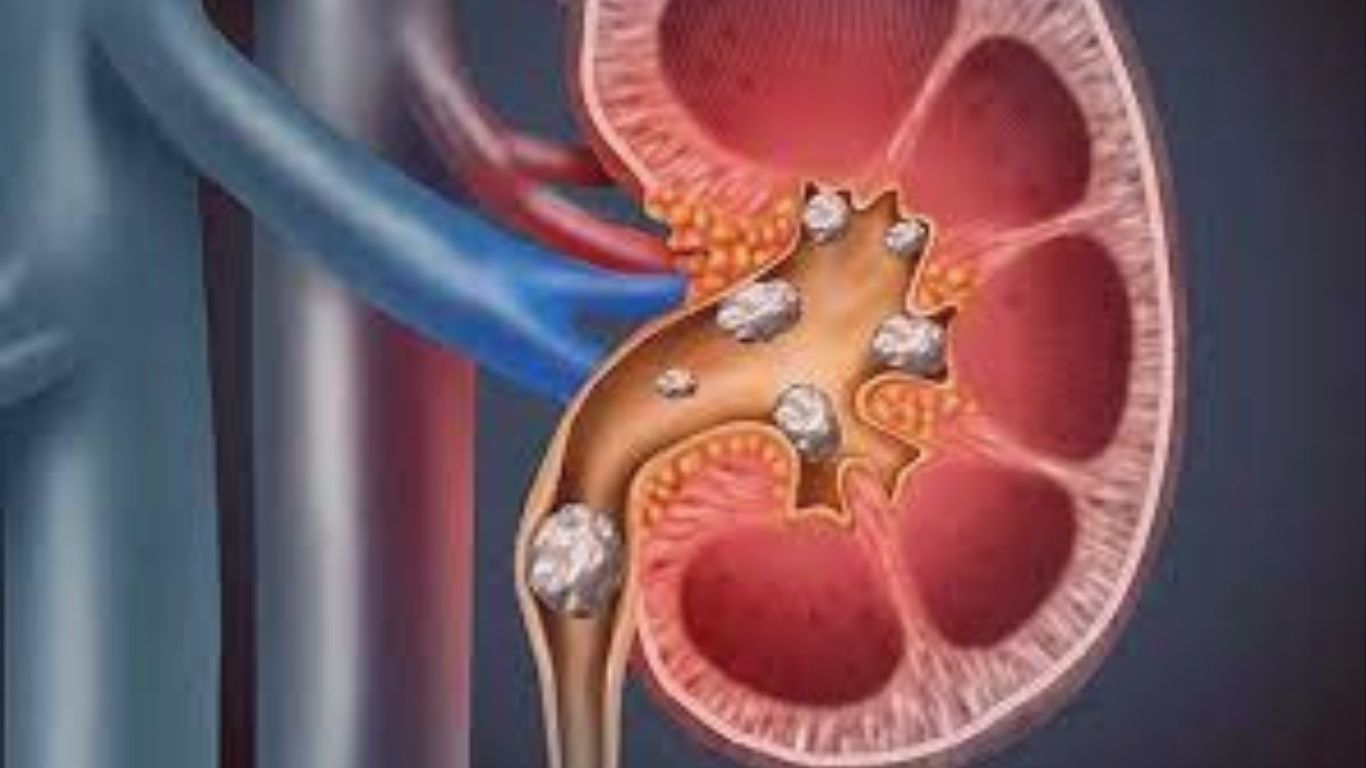
Few pains are as notorious and debilitating as the passage of a kidney stone. Often described as sharper than childbirth or a knife wound, this common urological condition affects approximately 1 in 10 people at some point in their lives. A kidney stone, or renal calculus, is a hard, crystalline mineral deposit that forms inside the kidney. What begins as microscopic crystals can, under the right conditions, aggregate into a solid mass that can wreak havoc on the body’s delicate urinary tract. Understanding this condition—its symptoms, origins, effects, and management strategies—is crucial for both prevention and navigating its acute distress.
The Unmistakable Symphony of Symptoms
Kidney stones can be silent occupants, lingering in the kidney for years without causing a single symptom. However, when a stone decides to migrate from its birthplace in the kidney down the slender, muscular tube called the ureter (the journey to the bladder), it orchestrates a dramatic and painful suite of symptoms.
The hallmark is renal colic, a specific type of pain that earns its fearsome reputation. It typically begins suddenly and comes in waves, fluctuating in intensity as the ureter contracts in an attempt to push the stone forward. The location of the pain shifts as the stone travels: it may start as a deep, dull ache in the flank (the side and back, below the ribs) and then radiate anteriorly to the lower abdomen and groin as the stone descends. In men, the pain can extend to the testicle, while women may feel it in the labia.
Hematuria, or blood in the urine, is another cardinal sign. The abrasive edges of the stone injure the lining of the urinary tract, causing bleeding. This may be visible, turning the urine pink, red, or brown, or it may be microscopic, only detectable under laboratory analysis.
Urinary symptoms are also prominent. Patients often experience a persistent and urgent need to urinate, a sensation known as dysuria (painful urination), especially if the stone lodges near the bladder. The urine may appear cloudy or foul-smelling, indicating a possible concurrent infection. Nausea and vomiting are common due to the shared nerve pathways between the kidneys and gastrointestinal tract. In cases where an infection accompanies the obstruction, fever and chills may develop, which is a medical emergency requiring immediate intervention.
The Alchemy of Formation: Causes and Risk Factors
Kidney stones are not formed by a single cause but rather by a perfect storm of factors that lead to urine becoming supersaturated with stone-forming minerals. Think of it like making rock candy: when there’s too much sugar dissolved in water, it eventually crystallizes. Similarly, when urine contains high levels of certain minerals and not enough liquid or inhibitors to stop them from clumping, crystals form and can grow into stones.
The most common type (about 80%) is the calcium stone, typically in the form of calcium oxalate or calcium phosphate. High levels of calcium or oxalate in the urine are key contributors. Oxalate is a substance found in many foods like spinach, nuts, and chocolate. Interestingly, dietary calcium is not the enemy; in fact, low calcium intake can increase oxalate absorption and stone risk.
Uric acid stones form when urine is persistently acidic, which can occur in people who eat a high-purine diet (rich in red meat, organ meats, and shellfish), those with gout, or individuals who are dehydrated. Struvite stones are less common but can grow rapidly and become quite large, often forming as a complication of a urinary tract infection with certain bacteria. The rarest type, cystine stones, result from a hereditary disorder called cystinuria, which causes the kidneys to excrete excessive amounts of the amino acid cystine.
Key risk factors that tip the balance toward stone formation include:
Dehydration: Inadequate fluid intake is the single greatest lifestyle risk factor, leading to concentrated, mineral-rich urine.
Diet: Diets high in sodium, animal protein, and oxalate-rich foods, and low in calcium, can promote stones.
Obesity and Metabolic Syndrome: Higher body mass index (BMI) and conditions like insulin resistance are linked to increased urinary acidity and calcium.
Family and Personal History: Genetics play a role, and having had one stone dramatically increases the risk of recurrence.
Medical Conditions: Hyperparathyroidism, renal tubular acidosis, inflammatory bowel disease, and recurrent UTIs can all predispose individuals to stones.
Certain Medications: Diuretics, calcium-based antacids, and some anti-seizure drugs can increase risk.
The Ripple Effects: Beyond the Acute Pain
While the excruciating pain of passage is the most immediate effect, kidney stones can have longer-term consequences if not managed properly. The most serious acute complication is infection secondary to obstruction. A stone blocking the flow of urine creates a stagnant pool, a perfect breeding ground for bacteria. This can lead to pyelonephritis (a kidney infection) or even urosepsis, a life-threatening systemic infection.
Chronic or recurrent stones can cause subtle but significant damage to the kidneys. The persistent obstruction and associated inflammation can lead to hydronephrosis—a swelling of the kidney due to urine backup—which, if prolonged, can impair kidney function. While a single, uncomplicated stone episode rarely causes permanent damage, repeated episodes can contribute to scarring and a gradual decline in renal function over decades.
Furthermore, the experience can have profound psychological and quality-of-life impacts. The unpredictable nature of an attack can cause significant anxiety, and the chronic worry about recurrence (which is as high as 50% within 5-10 years) can affect daily life, diet, and travel plans. The economic burden is also non-trivial, encompassing emergency room visits, imaging studies, procedures, and lost productivity.
Building a Fortress of Prevention
Preventing kidney stone recurrence is a proactive, lifelong endeavor centered largely on dietary and fluid management. The cornerstone of prevention is hydration. Drinking enough fluid—typically 2.5 to 3 liters per day—to produce at least 2.5 liters of pale, clear urine dilutes the concentration of stone-forming minerals. Water is ideal, though citrus juices like lemonade and orange juice contain citrate, a natural inhibitor of calcium stones.
Dietary modifications must be tailored to the type of stone, which requires a 24-hour urine chemistry test for precision. General guidelines include:
Moderating Sodium Intake: High sodium increases calcium excretion in urine.
Eating the Right Amount of Calcium: Getting adequate calcium (preferably from food) binds oxalate in the gut. Avoiding calcium is a common and harmful mistake.
Limiting Oxalate-Rich Foods: If prone to calcium oxalate stones, moderating intake of foods like spinach, rhubarb, almonds, and beets is advised.
Reducing Animal Protein: A high intake of red meat, poultry, and fish increases uric acid and lowers urinary citrate.
Maintaining a Healthy Weight: Gradual weight loss through a balanced diet and exercise is beneficial.
For some, medications may be necessary. Potassium citrate is commonly prescribed to increase urinary citrate levels and pH, thiazide diuretics can reduce urinary calcium, and allopurinol helps manage uric acid. Regular follow-up with a urologist or nephrologist, including periodic urine testing, is essential for effective long-term prevention.
The Homeopathic Perspective: A Constitutional Approach
Homeopathy, a system of alternative medicine developed in the late 18th century, offers a distinct paradigm for understanding and treating kidney stones. It is crucial to state that in cases of acute obstruction, severe pain, or infection, conventional medical intervention is urgent and necessary. Homeopathy is not a substitute for emergency care or procedures like lithotripsy or ureteroscopy for large, stuck stones.
Homeopathic philosophy views kidney stones not as an isolated local disease, but as an expression of a deeper, systemic imbalance in the individual’s vital force. The treatment aim is not merely to dissolve or pass a given stone, but to address the underlying predisposition to form stones, thereby preventing recurrence. Treatment is highly individualized, based on a “constitutional” assessment that considers the patient’s physical, emotional, and mental makeup, along with their specific symptom pattern.
A homeopathic practitioner selects a remedy whose symptom profile most closely matches the totality of the patient’s experience. Several remedies are commonly considered for kidney stone complaints:
Berberis Vulgaris: Often considered a leading remedy for left-sided renal colic. The pain is radiating, stitching, and extends from the kidney to the bladder or urethra. Pain is worse from motion and pressure.
Cantharis: Indicated for intense, burning pain before, during, and after urination, with violent urging and only passing drops. Often associated with a scalding sensation and bloody urine.
Lycopodium: Typically used for right-sided renal colic. There may be a history of gas, bloating, and digestive issues. The pain often travels from the right kidney to the left.
Sarsaparilla: Particularly useful when severe pain is experienced at the end of urination. The patient may pass gravel or stones with great ease, but the terminal pain is sharp and pronounced.
Ocimum Canum: Derived from sweet basil, this remedy is frequently used for uric acid stones, with red sand-like sediment in the urine, and nausea/vomiting during the colic.
Homeopathic treatment often involves two tiers: a chosen constitutional remedy for long-term management of predisposition, and acute remedies (like those above) to help modulate the pain and facilitate passage during an active episode. It is also commonly integrated with dietary and lifestyle advice similar to conventional recommendations.
Critics point to a lack of robust, large-scale clinical trials proving homeopathy’s efficacy beyond a placebo effect for kidney stones. However, many patients and practitioners report positive outcomes in reducing pain intensity, frequency of episodes, and preventing recurrence. Anyone considering homeopathic treatment should do so under the guidance of a trained practitioner and in conjunction with, not in opposition to, standard urological care.
Frequently Asked Questions (FAQs) on Homeopathic Medicines for Kidney Stone
1. Can homeopathic medicines dissolve my existing kidney stone?
Homeopathy approaches kidney stones holistically. While some remedies are traditionally believed to help break down small stones or gravel, the primary goal of constitutional homeopathic treatment is to address the body’s underlying tendency to form stones. It aims to correct the metabolic imbalance that leads to supersaturated urine. For existing stones, homeopathy may be used to manage symptoms, support the body’s natural elimination processes, and potentially ease the passage of small stones. However, larger stones often require conventional urological intervention.
2. Is homeopathy a substitute for surgery or lithotripsy?
No, homeopathy is not a substitute for necessary surgical procedures like ureteroscopy or extracorporeal shock wave lithotripsy (ESWL). If a stone is too large to pass, causing complete obstruction, damaging kidney function, or leading to a severe infection, conventional medical treatment is urgent and essential. Homeopathy can play a complementary role in pre- and post-procedure care (e.g., managing pain, reducing inflammation, preventing recurrence) but should not delay critical medical intervention.
3. How does a homeopath choose the right medicine for me?
Homeopathic prescription is highly individualized. A practitioner will conduct a detailed consultation, considering not just your physical kidney stone symptoms (exact location, radiation, and type of pain; urine characteristics), but also your general health patterns, dietary preferences, emotional temperament, and stress responses. This “total symptom picture” leads to the selection of a single, most similar remedy (the similimum) for your constitutional state.
4. What are some common homeopathic remedies used for kidney stones?
Some frequently indicated remedies include:
Berberis Vulgaris: For left-sided, radiating, stitching pains that move from the kidney region to the bladder or thigh.
Cantharis: For intense, burning pain with violent urging and only passing drops of urine.
Lycopodium: Often for right-sided pain, with a history of gas and bloating.
Sarsaparilla: Notable for severe pain at the end of urination.
Ocimum Canum: Commonly considered for uric acid stones, with red sand in urine and nausea.
5. Are homeopathic medicines safe? Do they have side effects?
Properly prescribed homeopathic medicines, which are highly diluted substances, are generally considered safe with a very low risk of direct side effects or drug interactions. However, a key concept in homeopathy is “aggravation”—a temporary, mild intensification of existing symptoms, which is often seen as a sign that the remedy is initiating a healing response. It is crucial to take them under the guidance of a qualified practitioner who can monitor your progress and adjust the prescription.
6. Can I take homeopathic medicines along with my regular allopathic (conventional) medications?
Yes, homeopathic medicines can typically be taken alongside conventional medications without known pharmacological interactions. However, you must always inform both your urologist/nephrologist and your homeopath about all the treatments you are using. An integrated plan ensures coordinated care. Do not stop any prescribed conventional medication without consulting your doctor.
7. How long does homeopathic treatment for kidney stones take to show results?
The timeframe varies significantly. For acute pain management during stone passage, effects may be sought within hours or days. For constitutional treatment aimed at preventing recurrence, it is a longer-term process, often requiring several months of consistent treatment alongside dietary and lifestyle changes. Periodic follow-ups and urine tests are used to monitor progress.
8. Will homeopathic treatment alone prevent stones from coming back?
While constitutional homeopathy aims to correct the predisposition, prevention is most effective with a combined approach. Homeopathic treatment should be integrated with the cornerstone preventive measures: drinking 2.5-3 liters of water daily, following dietary modifications (reducing sodium/oxalate, moderating animal protein, adequate dietary calcium), and maintaining a healthy weight. Homeopathy is viewed as supporting the body’s ability to maintain a healthier urinary environment.
9. Do I need any tests while undergoing homeopathic treatment?
Absolutely. Diagnostic tests remain vital. A 24-hour urine chemistry test is the gold standard to understand your specific stone-forming risk factors (high calcium, oxalate, low citrate, etc.). Regular imaging (ultrasound or X-ray) is also necessary to objectively monitor the size and position of any existing stones and to assess kidney health. A responsible homeopath will encourage these tests.
10. Where can I find a qualified homeopathic practitioner?
Look for practitioners who are certified or licensed in your country or state. Seek recommendations from trusted sources, and verify their credentials. Choose someone who demonstrates a willingness to work cooperatively with your conventional urologist, believes in evidence-based diagnosis, and does not discourage necessary medical procedures.
Conclusion
Kidney stones represent a complex interplay of genetics, metabolism, diet, and lifestyle. Their passage is a brutal ordeal, but their formation is a slow, preventable process. From the immediate relief offered by modern medical procedures to the meticulous dietary management that prevents recurrence, and the individualized approach of systems like homeopathy, a multifaceted strategy is most effective. The journey begins with awareness—listening to one’s body, understanding personal risk factors, and committing to the simple yet powerful act of drinking water. By demystifying the stone, we empower ourselves to not only endure its acute challenge but to build a defense strong enough to prevent its return, preserving both renal health and peace of mind.













4 thoughts on “Homeopathic Medicines for Kidney Stone”