
Table of Contents
ToggleFungal Infection of Nails: Unveiling the Symptoms, Causes, Effects, Prevention, and Homeopathic Medicines for Fungal Infection of Nails
Introduction
Our hands and feet are instruments of interaction with the world, and our nails, while often considered mere aesthetic features, serve as protective shields for the delicate tips of our fingers and toes. When a fungal infection takes hold beneath these keratin plates, it transforms this shield into a battleground. Known medically as onychomycosis, fungal nail infection is a common, persistent, and often misunderstood condition that affects millions worldwide. It is more than a cosmetic concern; it is a health issue that can have significant physical and psychological effects.
Understanding the Enemy: What is Onychomycosis?
Onychomycosis is a chronic fungal infection of the fingernails or toenails, with toenails being far more frequently affected. The infection occurs when microscopic fungi, often dermatophytes, but sometimes yeasts or non-dermatophyte molds, find their way through a tiny trauma or separation in the nail and begin to thrive in the warm, dark, and moist environment beneath the nail plate. These fungi feed on keratin, the protein that makes up the nail, leading to its gradual degradation.
The Tell-Tale Signs: Symptoms and Progression
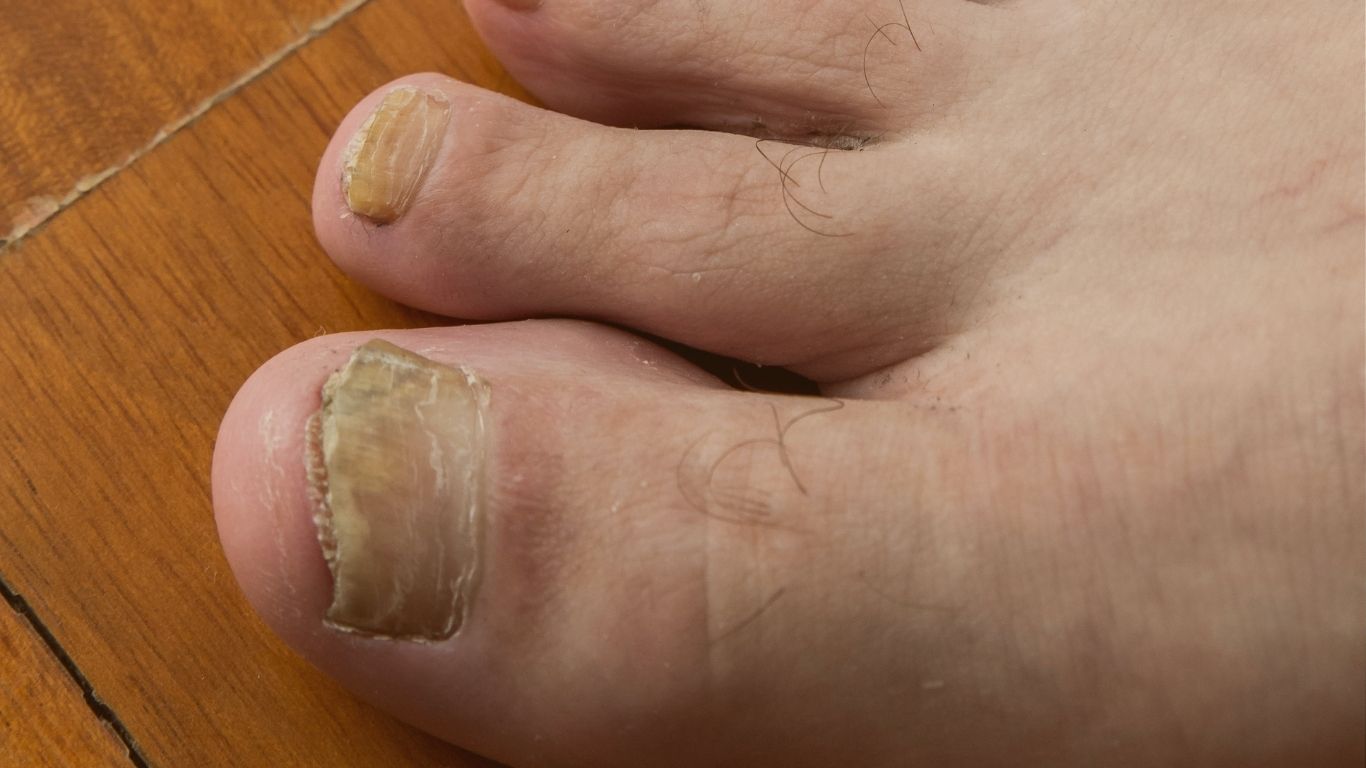
The infection is notoriously slow-growing and insidious. Early signs are easy to dismiss, but as it advances, the symptoms become unmistakable:
Early Stage:
Discoloration: A white or yellow spot or streak appears under the tip of the nail. This is often the very first sign.
Loss of Luster: The nail loses its natural shine, becoming dull and lackluster.
Minor Debris: A small amount of chalky, white debris may be noticeable under the nail.
Advanced Stage:
Thickening: The nail plate thickens significantly (hyperkeratosis), making it difficult to trim and often causing pressure against shoes.
Pronounced Discoloration: The yellow/brown discoloration spreads, and the nail may become black, green, or have dark streaks.
Distortion: The nail shape changes, becoming brittle, ragged, and crumbly (friable). It may develop ridges (onychorrhexis).
Separation: The nail lifts away from the nail bed (onycholysis), creating a painful gap where more debris accumulates.
Odor: A faint, unpleasant smell may emanate from the infected debris.
Pain: As the nail thickens and separates, it can cause discomfort or pain, especially when wearing footwear.
In severe, long-standing cases, the entire nail can be destroyed, and the infection may spread to other nails or the surrounding skin, leading to conditions like athlete’s foot (tinea pedis).
The Root of the Problem: Causes and Risk Factors
Fungi are everywhere in our environment—in soil, air, and water. Infection typically requires a combination of exposure and a suitable environment for growth. Key causes and risk factors include:
Direct Contact: Walking barefoot in damp communal areas like swimming pools, gym locker rooms, and public showers is a primary mode of transmission.
Pre-existing Skin Infection: Having athlete’s foot allows the fungus to spread from the skin to the nails.
Minor Nail Injuries: A small cut or separation between the nail and nail bed creates a perfect entry point.
Warm, Moist Environments: Wearing closed-toe shoes for prolonged periods, especially if feet sweat, creates a fungal paradise.
Poor Circulation: Conditions like peripheral arterial disease or diabetes impair blood flow to the extremities, reducing the body’s ability to fight off infection.
Weakened Immune System: Individuals with HIV/AIDS, those undergoing chemotherapy, or taking immunosuppressant drugs are at higher risk.
Age: Slower nail growth, reduced circulation, and lifetime exposure make older adults the most commonly affected group.
Genetics: A family history of onychomycosis increases susceptibility.
Certain Lifestyles and Professions: Athletes, miners, soldiers, and others who wear heavy, occlusive footwear for long hours are at increased risk.
The Ripple Effect: Consequences Beyond the Nail
The impact of a fungal nail infection often extends far beyond the physical symptoms.
Physical Effects:
Pain and Discomfort: Thickened, separated nails can make walking, standing, and wearing shoes painful.
Permanent Damage: Chronic infection can lead to permanent scarring and dystrophy of the nail matrix (the nail’s growth center).
Secondary Bacterial Infections: The compromised skin and nail can become a portal for bacterial infections like cellulitis, a particular concern for diabetics.
Foot Ulcers: In severe cases, especially with diabetes, the distorted nail can contribute to pressure sores and ulcers.
Psychological and Social Effects:
Embarrassment and Shame: The visible appearance often leads to self-consciousness, causing individuals to avoid sandals, swimming, or situations where their feet are exposed.
Social Withdrawal: Fear of judgment can lead to avoidance of social activities, gyms, and intimate relationships.
Reduced Quality of Life: The cumulative effect of pain, grooming difficulty, and embarrassment significantly impacts daily life and self-esteem.
Building a Defense: Prevention is Paramount
Given the stubborn nature of onychomycosis, prevention is the most effective strategy.
Foot Hygiene: Wash feet daily with soap and water, ensuring you dry them thoroughly, especially between the toes.
Smart Footwear: Wear moisture-wicking socks and change them if they become damp. Choose shoes made of breathable materials. Rotate shoes to allow them to dry completely between uses.
Protect in Public Spaces: Always wear flip-flops or shower shoes in public pools, gyms, and communal showers.
Nail Care: Trim nails straight across and file down thickened areas. Disinfect nail clippers and files regularly. Avoid sharing them.
Choose Salons Wisely: Visit only reputable nail salons that properly sterilizes instruments (autoclaving is best) for each client.
Treat Athlete’s Foot Promptly: Use antifungal powders or sprays to keep feet dry and treat any skin fungus immediately to prevent spread.
Manage Health Conditions: Good control of diabetes and other circulatory issues is crucial.
A Holistic Perspective: Homeopathic Treatment
Homeopathy offers a individualized, holistic approach to treating fungal nail infections. It operates on the principle of “like cures like” and aims to stimulate the body’s intrinsic healing response rather than attacking the fungus directly. A homeopathic practitioner does not treat “toenail fungus” as a standard diagnosis but rather the unique expression of the disease in the individual, considering their overall physical, mental, and emotional state.
The Constitutional Approach: A homeopath will conduct a detailed interview to select a “constitutional remedy” that matches the person’s totality of symptoms. This remedy is intended to strengthen the vital force and improve the body’s ability to fight the infection from within. Common constitutional remedies that may be considered include Silicea, Sulphur, Graphites, Thuja occidentalis, and Antimonium crudum, each chosen based on very specific symptom patterns.
Specific Symptom-Based Remedies: While constitutional treatment is central, some remedies are known for their affinity to particular nail symptoms:
Antimonium crudum: Indicated for thick, hard, discolored (yellowish) nails that are brittle and split easily. Often suited to individuals who may have gastric complaints.
Graphites: For nails that are thick, rough, and deformed, with a characteristic brittleness and tendency to crumble. The nails may be discolored and the surrounding skin might be dry, cracked, and oozing a sticky honey-like fluid.
Silicea (Silica): A prominent remedy for infections where the nails are brittle, discolored (white spots), and peel or break easily. There may be a history of slow-healing or suppurative processes in the body. It is often considered when the body lacks the “strength” to expel the infection.
Thuja occidentalis: Strongly indicated for nails that are brittle, distorted, deformed, and crumble away. They may appear dirty, brownish, or have horizontal ridges. Thuja is a major remedy for chronic conditions, often linked to a history of vaccination or suppressed discharges.
Sulphur: Useful when nails are thick, scaly, yellow, and painful, with itchy, burning skin around them. Often considered for individuals who are theoretical, disorderly, and have a tendency toward skin ailments.
Important Considerations in Homeopathic Treatment:
Patience and Persistence: Homeopathic treatment for a chronic condition like onychomycosis is not a quick fix. It requires commitment over several months, as healthy nail growth is slow (fingernails take 4-6 months to regrow, toenails 12-18 months).
Professional Guidance: Self-prescribing for a chronic condition is not advisable. A qualified homeopath ensures the correct remedy and potency is selected and monitors for any necessary adjustments.
Integrative Approach: Many individuals combine homeopathy with careful topical hygiene—such as daily cleaning, gentle filing, and the use of natural antifungal agents like tea tree oil or vinegar soaks—while addressing dietary and lifestyle factors that may contribute to fungal susceptibility.
Aggravation: A temporary intensification of symptoms after starting a well-chosen remedy can sometimes occur and is seen as part of the healing process.
No One-Size-Fits-All: Two people with identical-looking fungal nails may receive completely different homeopathic remedies based on their individual characteristics.
Frequently Asked Questions (FAQs) About Homeopathic Medicines for Fungal Infection of Nails
1. What is the homeopathic approach to treating nail fungus?
Homeopathy treats nail fungus holistically. Instead of just targeting the fungus with an antifungal agent, a homeopath prescribes a remedy based on your complete set of symptoms, physical constitution, temperament, and overall health. The goal is to stimulate your body’s own healing response (vital force) to fight the infection from within and correct the underlying susceptibility that allowed the fungus to thrive.
2. How long does homeopathic treatment take to show results?
Patience is essential. Since healthy nail growth is slow (toenails can take 12-18 months to fully regrow), treatment is measured in months, not weeks. You may notice initial improvements in the nail bed’s health, reduced thickening, or slowed spread within a few months, but complete regrowth of a clear, healthy nail is a long-term process. Consistency with the prescribed remedy is key.
3. Can I choose a homeopathic remedy myself based on my nail symptoms?
While some common remedies like Antimonium crudum for thick, yellow nails or Silicea for brittle nails are well-known, self-prescribing for a chronic condition like onychomycosis is generally not recommended. A homeopath selects the single, most similar remedy (the simillimum) based on a full assessment. Choosing the wrong remedy may lead to no effect or an aggravation of symptoms.
4. Are homeopathic medicines safe? Do they have side effects?
Homeopathic medicines are highly diluted, non-toxic, and generally considered very safe when prescribed by a qualified practitioner. They do not have chemical side effects like conventional drugs. However, a temporary “homeopathic aggravation”—a short-term intensification of existing symptoms—can occasionally occur as the body’s healing process is activated. This is seen as a positive sign but should be monitored by your homeopath.
5. Can I use homeopathy alongside conventional antifungal treatments (oral or topical)?
It is possible, but it is crucial to inform all your healthcare providers about every treatment you are using. Some homeopaths prefer not to mix the two approaches, as conventional antifungals may suppress symptoms and make it harder to find the correct homeopathic remedy. An integrated plan should be developed under the guidance of both your dermatologist and homeopath.
6. Do I need to continue applying topical oils or creams while on homeopathic treatment?
Homeopathic treatment is internal and systemic. Many practitioners advise focusing on good nail hygiene (keeping nails clean, dry, and trimmed) but may suggest avoiding strong topical antifungal creams, as these can be suppressive. Some may support the use of gentle natural antiseptics like diluted tea tree oil soaks as a complementary hygienic measure, not a primary treatment.
7. What happens during a consultation with a homeopath for nail fungus?
The consultation will be detailed and comprehensive. The homeopath will not only examine your nails but will ask extensive questions about your overall health: digestion, sleep patterns, stress levels, temperature preferences, food cravings/aversions, and emotional temperament. This information is vital to finding your unique constitutional remedy.
8. If homeopathy works from within, why are my nails taking so long to improve?
The nail you see is dead keratin. The infection resides in the nail bed (the tissue under the nail) and the nail matrix (the root where growth begins). The homeopathic remedy works to restore health at the living matrix level. As the new, healthy nail grows out, it gradually pushes the old, infected part forward. This growth process is inherently slow, especially for toenails.
9. Can homeopathy prevent nail fungus from recurring?
Yes, this is one of the key aims of constitutional homeopathic treatment. By addressing the individual’s inherent susceptibility—such as a tendency toward poor circulation, excessive sweating, or a weakened immune response—homeopathy aims to strengthen the body’s overall resilience. This reduces the likelihood of reinfection once the current infection has cleared.
10. Is homeopathic treatment effective for everyone with nail fungus?
No system of medicine offers a 100% guarantee. Success depends on several factors: the skill of the practitioner, the correctness of the chosen remedy, the extent and duration of the infection (long-standing, severely damaged nails are more challenging), and the patient’s overall vitality and ability to respond. It is also less likely to reverse permanent damage to the nail matrix.
11. Are there any dietary or lifestyle changes I should make during treatment?
Your homeopath will likely provide individualized advice. General recommendations often include reducing the intake of sugar and refined carbohydrates (which can promote fungal growth), improving foot hygiene, wearing breathable footwear, and managing conditions like diabetes or stress that can contribute to susceptibility.
12. How do I find a qualified homeopathic practitioner?
Look for a professionally licensed healthcare provider (such as a doctor, naturopath, or other licensed professional) with specific post-graduate training in homeopathy. Seek recommendations from trusted sources, verify their credentials, and ensure they have experience in treating chronic conditions like onychomycosis. An initial consultation should be thorough and conversational.
Conclusion
Fungal nail infection is a complex condition that challenges both the body and the spirit. Its stubborn nature demands respect, but it is not invincible. Understanding its causes and symptoms empowers individuals to seek appropriate care and adopt rigorous preventive measures. While conventional medicine offers potent antifungal agents, they come with considerations of efficacy, potential side effects, and recurrence rates.
Homeopathy presents a complementary or alternative path, focusing on the whole person to foster an internal environment where the fungus cannot thrive. Its success lies in its individuality and its aim to treat the root predisposition, not just the outward manifestation. Whether one chooses conventional, homeopathic, or an integrated approach, the journey to restoring nail health is a marathon, not a sprint. It requires consistency, patience, and a compassionate understanding that the goal is not merely a clear nail, but a restoration of overall well-being and confidence. By addressing the infection holistically, we do more than treat a nail—we support the body’s innate wisdom to heal itself.













2 thoughts on “Homeopathic Medicines for Fungal Infection of Nails”