
Table of Contents
ToggleTitle: Unveiling the Mysteries of Snoring: Symptoms, Causes,
Effects, Prevention and Effective Homeopathic Medicine for Snoring.
Introduction
Snoring is a common nocturnal soundtrack in households worldwide, often the subject of jokes and mild irritation. However, beneath the surface of those rumbling, whistling, or grunting sounds lies a complex physiological process that can range from a simple nuisance to a significant indicator of underlying health issues. Understanding snoring in its entirety—from its mechanics and causes to its far-reaching effects and management strategies—is crucial for both the snorer and their often sleep-deprived partners.
What is Snoring? The Mechanics of the Nightly Rumble
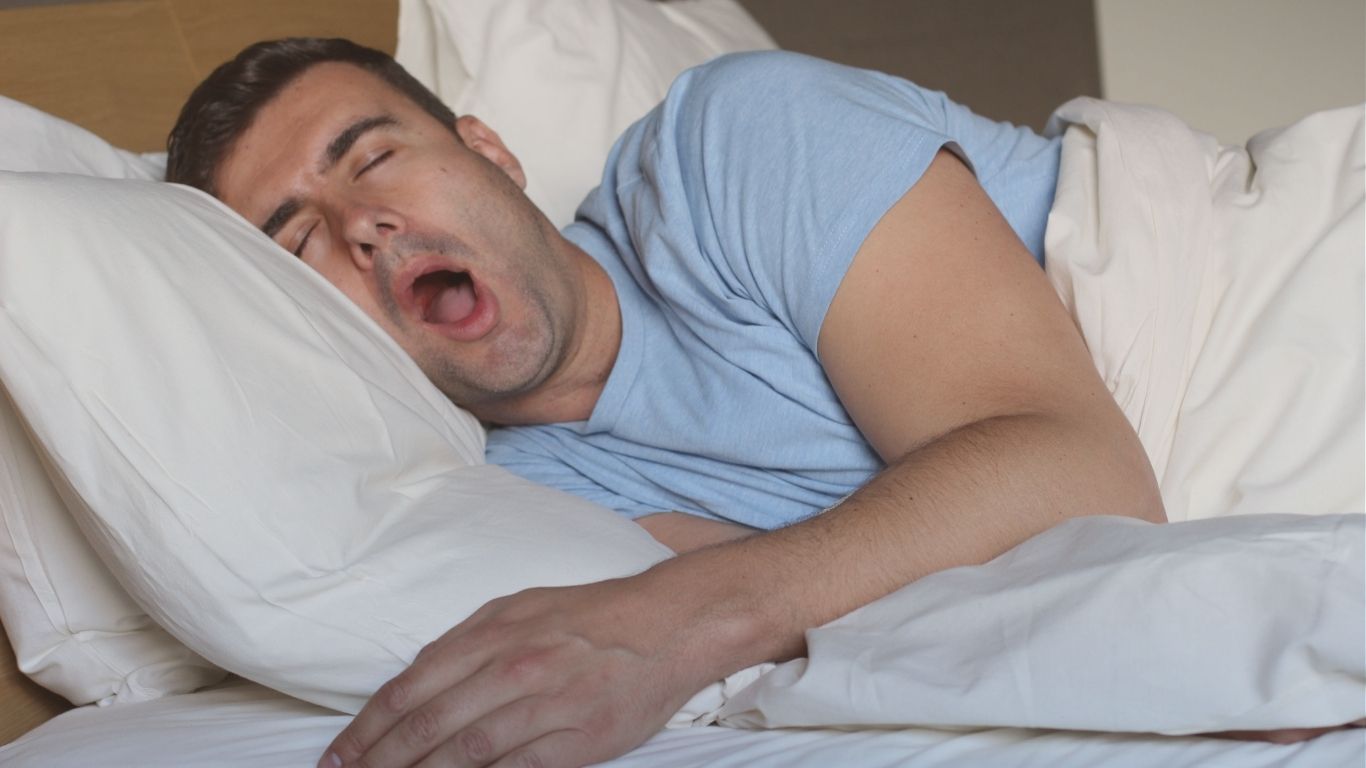
At its core, snoring is the sound produced by the vibration of relaxed tissues in the upper airway during sleep. As we transition into sleep, the muscles in our throat, tongue, and soft palate naturally relax. This relaxation can cause the airway to narrow. When we inhale and exhale, the airflow becomes more turbulent, causing these floppy tissues—particularly the soft palate (the back of the roof of the mouth) and the uvula—to flutter and vibrate violently. This vibration is the source of the snoring sound. The narrower the airway becomes, the more forceful the airflow and the louder the snoring. It’s akin to a flag flapping vigorously in a strong wind; the looser the fabric and the tighter the space, the more noise it makes.
Recognizing the Symptoms: More Than Just Noise
While the primary symptom is the obvious sound, snoring often presents with other accompanying signs, especially when it is linked to a more serious condition like Obstructive Sleep Apnea (OSA). Key symptoms include:
The Characteristic Sound: This can vary from soft whistling or snuffling to loud, rasping, or choking sounds. The pattern may be consistent or intermittent.
Witnessed Breathing Pauses: A partner may observe periods of silence where breathing stops entirely for 10 seconds or more, followed by a gasp or snort. This is a major red flag for sleep apnea.
Restless Sleep: The snorer may toss and turn frequently, often unknowingly struggling to maintain an open airway.
Morning Symptoms: Waking up with a dry mouth, sore throat, or headache is common, as snoring often involves mouth breathing which dries out oral tissues.
Daytime Consequences: Excessive daytime sleepiness, fatigue, morning fog, difficulty concentrating, and irritability are hallmarks of poor sleep quality caused by disruptive snoring or apnea.
Nighttime Choking or Gasping: The individual may wake themselves up with a sensation of choking.
Delving into the Causes: Why Do Some People Snore and Others Don’t?
Snoring is a multifactorial issue, resulting from a combination of anatomical features, lifestyle habits, and health conditions that contribute to airway narrowing.
Anatomical & Physiological Factors:
Natural Anatomy: A low, thick soft palate, elongated uvula, or enlarged tonsils and adenoids (common in children) can physically narrow the airway.
Nasal Congestion: Chronic nasal blockage due to a deviated septum, allergies, sinus infections, or colds forces mouth breathing, which promotes snoring.
Gender and Age: Men have narrower air passages than women and are more likely to snore. With age, throat muscles naturally lose tone, increasing the likelihood of collapse during sleep.
Body Weight: Excess weight, especially around the neck, can put external pressure on the airway, narrowing it from the outside. Fatty tissue inside the throat can also contribute to internal narrowing.
Lifestyle Contributors:
Alcohol and Sedatives: Consumption of alcohol, tranquilizers, or certain sleeping pills relaxes throat muscles beyond their normal sleep state, leading to increased snoring.
Sleep Position: Sleeping flat on the back (supine) allows gravity to pull the tongue and soft palate directly backward, collapsing the airway. Side sleeping often alleviates this.
Smoking: Irritation and inflammation of the upper airway membranes from smoking can cause swelling and mucus buildup, obstructing airflow.
The Ripple Effect: Consequences of Snoring
The impact of snoring extends far beyond the bedroom walls.
Social and Relationship Strain: Chronic snoring can lead to separate bedrooms, resentment, and significant stress on personal relationships due to the partner’s chronic sleep deprivation.
Daytime Impairment: Poor sleep quality results in cognitive deficits, reduced productivity, increased risk of accidents (both at work and while driving), and mood disturbances like depression or anxiety.
Cardiovascular Risks (Primarily linked to Sleep Apnea): When snoring is a marker for OSA, the consequences are severe. The repeated drops in blood oxygen levels strain the cardiovascular system, significantly increasing the long-term risk of hypertension, stroke, heart attack, and irregular heartbeats (arrhythmias).
For the Snorer: Even without full apnea, fragmented sleep prevents the snorer from reaching restorative deep sleep stages, leading to unrefreshing sleep and its attendant daytime problems.
Prevention and Management: Lifestyle and Behavioral Strategies
Many cases of primary snoring (snoring without apnea) can be improved or managed with proactive measures.
Weight Management: Losing even a modest amount of weight can reduce fatty tissue in the throat and decrease snoring intensity.
Positional Therapy: Training oneself to sleep on the side can be highly effective. Simple tricks include sewing a tennis ball into the back of a pajama top or using specialized pillows.
Avoid Alcohol and Heavy Meals: Steering clear of alcohol for at least 3-4 hours before bedtime and avoiding large meals close to sleep can prevent excessive muscle relaxation.
Establish Good Sleep Hygiene: A regular sleep schedule and a comfortable, cool, dark sleep environment promote deeper, more stable sleep with less muscle flaccidity.
Address Nasal Congestion: Using saline sprays, nasal strips, or addressing allergies with appropriate medication can help keep nasal passages open.
Stay Hydrated: Drinking plenty of fluids throughout the day prevents secretions in the soft palate from becoming sticky, which can worsen snoring.
Quit Smoking: Eliminating tobacco use reduces airway inflammation and can improve snoring over time.
Oral Appliances: Dentist-fitted mandibular advancement devices (MADs) that gently pull the jaw forward, or tongue-retaining devices, can be very effective for many snorers.
Homeopathic Approach to Snoring: A Constitutional Perspective
Homeopathy offers a individualized, holistic approach to managing snoring. It does not treat the snoring as a standalone symptom but seeks to address the underlying constitutional predisposition, anatomical tendencies, and associated health conditions that contribute to airway obstruction. A homeopathic practitioner conducts a detailed case history, considering the person’s physical makeup, temperament, sleep patterns, and overall health. The goal is to stimulate the body’s self-regulatory mechanisms to improve muscle tone, reduce inflammation, and address contributing factors like allergies or anxiety.
It is crucial to emphasize that snoring with suspected sleep apnea requires formal medical diagnosis and treatment (such as Continuous Positive Airway Pressure or CPAP therapy). Homeopathy can be considered a complementary approach in such cases, used alongside conventional care under the supervision of both a medical doctor and a qualified homeopath.
Some commonly considered homeopathic remedies, which are always prescribed based on the individual’s unique symptom picture, include:
Sambucus Nigra: Often indicated for snoring in children and adults who wake up suddenly feeling suffocated, with a sensation of a dry, closed airway. Useful when snoring is worse with nasal obstruction.
Opium: Suited for deep, stuporous sleep with very loud, rattling snoring. The person is often heavy, lethargic, and sleeps in a seemingly comatose state, barely moving.
Nux Vomica: For snorers who are irritable, driven, and overindulge in rich food, alcohol, or stimulants. Snoring may be worse after alcohol consumption or late-night eating.
Lachesis: A key remedy for conditions with a sensation of constriction. Snoring may be worse on falling asleep, and the person often cannot bear anything tight around the neck. It is more commonly considered in women around menopause.
Kali Sulphuricum: Useful for snoring with loud, rattling breathing and thick, yellow nasal discharge. The person may feel hot and crave open air.
Lemna Minor: Specifically indicated when snoring is linked to chronic nasal obstruction from nasal polyps or a terribly offensive smell in the nose.
Frequently Asked Questions (FAQs) About Homeopathic Medicine for Snoring
Q1: How does homeopathy view and treat snoring?
Homeopathy treats snoring not as an isolated symptom but as a sign of an underlying imbalance in the body’s vital force. A homeopathic practitioner believes that factors like constitutional makeup, genetic predisposition, lifestyle, and emotional state all contribute to the relaxation and vibration of throat tissues. Treatment aims to address these root causes—such as chronic congestion, poor muscle tone, inflammatory tendencies, or stress—by prescribing a highly individualized remedy. The goal is to stimulate the body’s own self-healing mechanisms to improve overall respiratory health and reduce the tendency to snore.
Q2: Is homeopathic treatment effective for all types of snoring?
Homeopathy can be particularly effective for primary snoring (simple snoring without sleep apnea) and snoring related to issues like chronic nasal congestion, allergies, or mild anatomical factors. Its strength lies in managing the individual’s unique symptoms and predispositions. However, for snoring caused by severe anatomical obstructions (like significantly enlarged tonsils or a deviated septum) or diagnosed Obstructive Sleep Apnea (OSA), homeopathy should be considered a complementary support. OSA is a serious medical condition requiring conventional diagnosis and primary treatment, such as CPAP therapy or surgery, which homeopathy does not replace.
Q3: What can I expect during a consultation with a homeopath for snoring?
The consultation will be detailed and holistic. The homeopath will ask not only about the characteristics of your snoring (pitch, pattern, positions that make it worse) but also about your general health, medical history, sleep patterns, diet, stress levels, temperament, and even your responses to temperature and weather. They may ask about your childhood health and family history. This comprehensive picture allows them to select the single remedy that most closely matches your entire “symptom portrait” or constitution.
Q4: Are there specific homeopathic remedies I can try for myself?
While self-prescribing for acute, temporary snoring (like from a cold) might be possible with basic knowledge, chronic snoring requires professional guidance for effective and safe treatment. The correct remedy depends on a precise match of symptoms. For example, Sambucus Nigra might be suggested for sudden waking with a feeling of suffocation, while Nux Vomica could be considered for snoring after alcohol indulgence. Using the wrong remedy will yield no results. It is always best to consult a qualified homeopath for a tailored prescription.
Q5: How long does it take to see results with homeopathic treatment for snoring?
The timeline varies greatly from person to person, depending on the chronicity of the snoring, the individual’s overall vitality, and the accuracy of the remedy selection. Some may report improvements in sleep quality and a reduction in snoring intensity within a few weeks. For long-standing, complex cases, it may take several months of consistent treatment under a homeopath’s supervision to observe significant and sustained change. Patience and regular follow-ups are key.
Q6: Can homeopathic medicines be taken alongside my regular medications or CPAP machine?
Yes, homeopathic medicines are generally considered safe to use alongside conventional medications because they work on a different, energetic principle and are non-toxic. They will not interfere with the mechanical action of a CPAP machine. It is absolutely essential, however, to inform both your medical doctor and your homeopath about all treatments you are using. Never discontinue prescribed medications, especially for sleep apnea, without explicit instructions from your physician. Homeopathy in such cases is a complementary approach, not a substitute.
Q7: Are there any side effects of homeopathic medicines for snoring?
Genuine homeopathic medicines in potencies commonly used for chronic conditions are highly diluted and are not known to cause chemical side effects or dependency. However, a correctly chosen remedy can sometimes provoke a temporary “aggravation” or intensification of old symptoms. This is often seen as a positive sign that the remedy is actively stimulating the body’s healing response. Any such reaction is typically mild and short-lived, and should be monitored by your homeopath, who can adjust the treatment plan if necessary.
Q8: Do I need to make lifestyle changes while on homeopathic treatment?
Absolutely. A responsible homeopath will always emphasize the importance of lifestyle modifications that address the contributory factors to snoring. This forms a crucial part of the holistic treatment plan. You will likely be advised on weight management, sleep position training, dietary adjustments (like reducing dairy or evening meals), managing allergies, and avoiding sleep-depressants like alcohol before bed. The homeopathic remedy works best to support the body while you make these healthy changes.
Q9: Can children who snore be treated with homeopathy?
Yes, homeopathy is often considered a gentle and effective option for children who snore, especially when it is related to recurrent colds, allergies, enlarged tonsils and adenoids, or asthma. Remedies are selected based on the child’s specific symptoms and temperament. Treating these underlying issues homeopathically can potentially strengthen the immune system, reduce inflammation in the airway, and improve breathing during sleep, sometimes avoiding the need for surgery. A qualified homeopath with experience in pediatric care should be consulted.
Q10: Where can I find a qualified homeopathic practitioner?
Look for practitioners who are certified or licensed by a recognized national or regional homeopathic organization (e.g., the Council for Homeopathic Certification in the US, the Society of Homeopaths in the UK). Your general physician may also be able to provide a referral. It is important to choose someone with formal training and experience in treating sleep and respiratory issues. Always verify their credentials and ensure they take a full medical history and advise appropriate conventional testing when needed.
Conclusion
Snoring is more than a social inconvenience; it is a bodily signal that airflow is being obstructed. While simple lifestyle changes can often quiet the night, it is vital to listen to what the snoring might be trying to communicate. Persistent, loud snoring—especially when accompanied by daytime fatigue or witnessed breathing pauses—warrants a professional medical evaluation to rule out sleep apnea. Whether through conventional medicine, lifestyle adjustments, complementary approaches like homeopathy, or a combination thereof, effective solutions exist. Seeking to understand and address the root causes of snoring is an investment not only in peaceful nights but also in long-term health and well-being for both the snorer and those who share their home. The journey to quieter, more restorative sleep begins with acknowledging the problem and taking the first step toward a comprehensive solution.