Table of Contents
ToggleThe Grassroots Healer: A Comprehensive Guide to Homeopathic Medicine Alfalfa
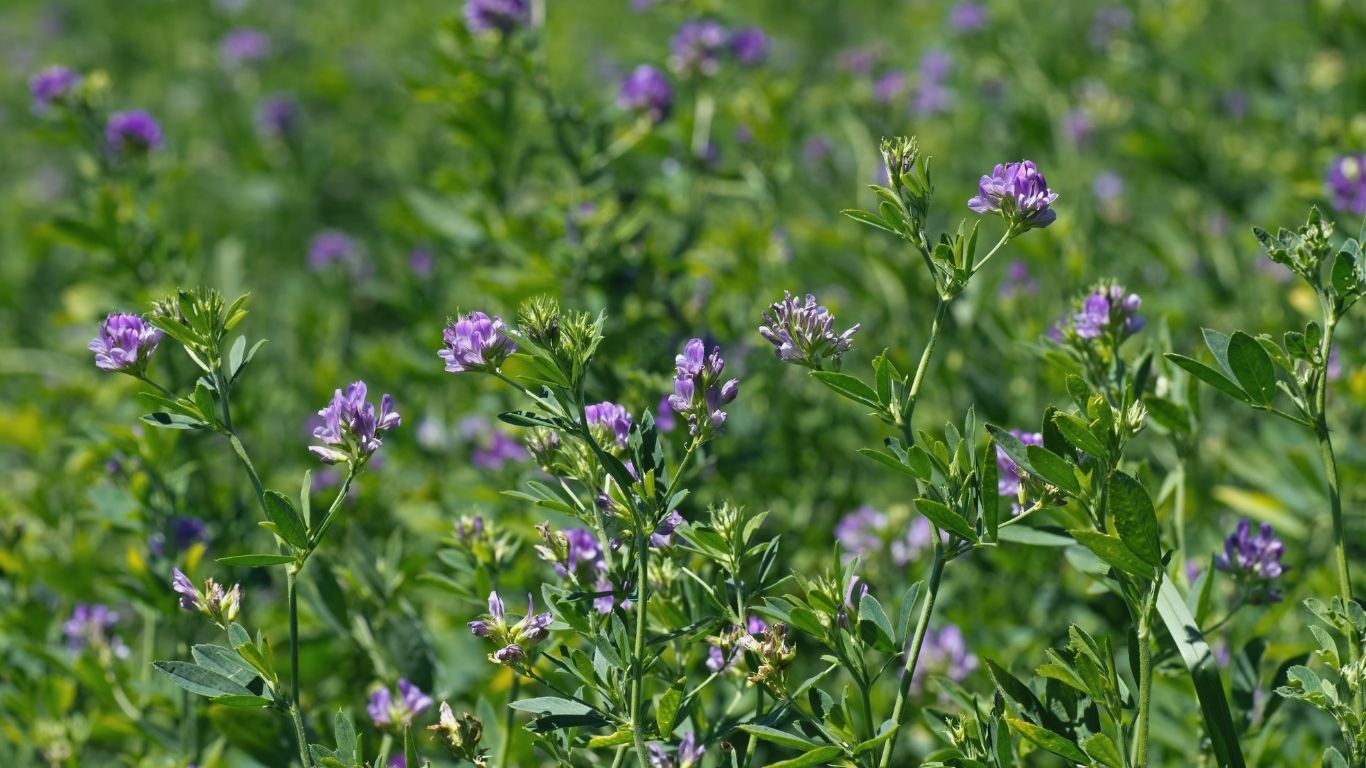
In the vast and intricate world of homeopathy, remedies are derived from every conceivable corner of nature—minerals, animals, and a vast array of plants. Among these, a humble forage crop, known to farmers worldwide as livestock feed, holds a unique and compelling place: Medicago sativa, or Alfalfa, more commonly known in homeopathy by its potentized name, Alfalfa Officinalis. This remedy, born from common grass, is a profound testament to homeopathy’s principle that healing potential often lies in the most ordinary of substances. Its story is not one of dramatic poison or exotic origin, but of a foundational nutritive substance that, when transformed through homeopathic potentization, addresses deep-seated exhaustion and metabolic disarray.
Origin and Botanical Background
Alfalfa’s history is as deep-rooted as the plant itself. Its name derives from the Arabic “al-fac-facah,” meaning “father of all foods,” a nod to its exceptional nutritional profile. Cultivated for millennia, originating in ancient Persia, it spread across continents as a premier feed crop due to its remarkable ability to fix nitrogen in soil and its rich content of vitamins, minerals, and proteins. In its material form, alfalfa has been used in traditional medicine systems as a tonic for appetite stimulation and to address nutritional deficiencies.
The transition of Alfalfa from a fodder and folk remedy to a homeopathic medicine is a relatively modern chapter, pioneered in the late 19th and early 20th centuries. It was introduced into homeopathic therapeutics primarily through the clinical observations of practitioners who saw patterns of illness that mirrored the plant’s action—specifically, its profound nutritive qualities and its effect on metabolism. Homeopaths began to understand that a substance capable of so robustly supporting physical growth and vitality in its crude form could, in potentized micro-doses, stimulate a similar action of replenishment and regulation in a depleted human organism.
Extraction and Preparation: From Plant to Potency
The preparation of homeopathic Alfalfa follows the strict, time-honored protocols of homeopathic pharmacopoeia. The process begins with the fresh, flowering plant, including its leaves and sprouts. This plant material is meticulously cleaned and then subjected to the process of tincturing. It is macerated (soaked) in a mixture of alcohol and water, which draws out the active botanical constituents. This initial liquid is known as the Mother Tincture (denoted as Ø or MT).
The true alchemy of homeopathy begins with potentization. A single drop of the Mother Tincture is diluted with a specific ratio of alcohol-water (commonly 1:99 for centesimal scale) and then vigorously succussed (shaken with impact). This first dilution and succussion produces the 1C potency. The process is repeated: one drop of the 1C is diluted and succussed to make 2C, and so on. With each step, the material quantity of the original substance diminishes exponentially, while the homeopathic philosophy holds that the dynamic, informational energy of the substance is amplified and imprinted upon the solvent.
This process is crucial for Alfalfa. In its crude form, alfalfa is a dense, physical nutrient. Through potentization, it is transformed from a material builder into an informational stimulus for the body’s own healing and regulatory systems.
The Spectrum of Potencies and Their Application
Alfalfa is available across the full range of homeopathic potencies, from low (e.g., 6X, 6C, 30C) to very high (e.g., 1M, 10M and beyond). The selection of potency is a skilled art, dependent on the individual’s symptom picture and vitality.
Low Potencies (3X-30C): These are most frequently employed for the core physical complaints associated with Alfalfa. They act primarily on the nutritional and metabolic levels. A practitioner might prescribe Alfalfa 6X or 12X for simple debility, poor appetite, or as a tonic during convalescence. These potencies are often used in a more frequent, physiological dosing pattern.
Medium to High Potencies (200C-1M): These are used when the fatigue and wasting are more profound, or when the characteristic mental and emotional symptoms are prominent—the brain fag, irritability, and nervousness that accompany physical depletion. These potencies aim to act on a deeper, more constitutional level and are administered less frequently.
As with all homeopathic remedies, the guiding principle is the “law of similars.” Alfalfa is not given because a patient is deficient in alfalfa, but because their total symptom picture—physical, mental, and emotional—resonates with the symptom picture produced by the Alfalfa pathogenesy (the record of symptoms it can cause and cure).
The Symptom Picture: Who is the Alfalfa Patient?
The genius of Alfalfa lies in its clear and distinct symptom profile. Its core theme is profound exhaustion coupled with a disturbed and ravenous appetite. Imagine a system that is burned out, yet paradoxically stuck in a state of metabolic overdrive.
Physical Symptoms:
-
Debility and Wasting: A primary indicator is a tired, weak, “washed-out” feeling, often with actual weight loss or a failure to thrive despite adequate or even excessive food intake. It is a remedy for convalescence, especially after acute illnesses like influenza, where the patient cannot regain their strength.
-
Disordered Appetite and Metabolism: The signature symptom is being “always hungry,” even shortly after a large meal. This can be accompanied by intense cravings, often for stimulating foods or drinks. Patients may experience bloating, flatulence, and dyspepsia. There is a sense that the body is inefficient at converting food into sustainable energy.
-
Neurological and Muscular: A peculiar sensation of “brain fag” or mental dullness accompanies the physical fatigue. There may be dull headaches, aching in the limbs, and a general sense of being unrefreshed upon waking.
-
Urinary and Renal: Alfalfa has an affinity for the urinary tract. It can be indicated in conditions with cloudy, phosphatic urine that deposits a reddish sediment. It is sometimes considered in supportive care for kidney stones.
-
Other Symptoms: It may also be useful for dull, aching pains in the back and joints, and for promoting lactation in nursing mothers who feel depleted.
Mental and Emotional Symptoms:
The physical depletion directly impacts the mind. The Alfalfa state is marked by irritability, nervousness, and an inability to concentrate. The patient is easily annoyed, fidgety, and feels overwhelmed by simple tasks. This is not a deep melancholy, but a grumpy, fatigued irritability born purely from physical exhaustion.
Clinical Uses and Applications
In contemporary homeopathic practice, Alfalfa Officinalis is primarily considered in the following scenarios:
-
Chronic Fatigue and Adrenal Exhaustion: For individuals suffering from burnout, nervous exhaustion, or post-viral fatigue syndrome where the keynotes of hunger with weakness and poor assimilation are present.
-
Failure to Thrive and Malassimilation: In children or adults who eat well (or excessively) but remain thin, weak, and underdeveloped. It is a remedy for poor nutritional uptake.
-
Convalescence: As a restorative tonic after prolonged illness, surgery, or significant physical exertion to hasten recovery and rebuild vital force.
-
Appetite Disorders: To regulate abnormal hunger patterns and support healthy digestion and metabolism.
-
Supportive Nutritional Therapy: While homeopathy is energy medicine, Alfalfa’s origin gives it a historical place as a supportive remedy in cases of dietary deficiency or poor quality diet, often in low potencies.
Side Effects and the Homeopathic Aggravation
In homeopathy, the concept of “side effects” differs from conventional pharmacology. The primary concern is a homeopathic aggravation—a temporary, mild intensification of existing symptoms following a correctly prescribed remedy. This is seen as a positive sign that the vital force has been stimulated and is responding. An Alfalfa aggravation might involve a short-lived increase in hunger or fatigue before improvement begins. This is why self-prescribing for chronic conditions is discouraged; a qualified homeopath can differentiate an aggravation from an incorrect prescription and manage the dosage accordingly. When used appropriately, homeopathic Alfalfa is considered safe, non-toxic, and non-interactive with conventional medications.
Prevention and Tonic Use
The idea of prevention in homeopathy is not about taking a remedy to ward off a specific disease, but about maintaining a state of balance and vitality. In this sense, Alfalfa may be used as a short-term “tonic” for individuals predisposed to its state—those who are prone to burnout, have high-stress lifestyles, or historically poor digestion and assimilation. A low potency (e.g., 6C or 12C) taken infrequently can act as a gentle stimulant to the nutritive and metabolic functions, helping to prevent a slide into deeper exhaustion. However, true constitutional homeopathic prevention involves a holistic assessment and a tailored, long-term constitutional remedy.
Comparisons with Other Remedies
Distinguishing Alfalfa from similar remedies is key to its precise application:
-
Alfalfa vs. Abies Canadensis (Hemlock Spruce): Both have ravenous hunger and poor assimilation. However, Abies Can has more pronounced gastric pain, a feeling of an “empty, gnawing” sensation in the stomach, and is often linked to a craving for stimulating foods like pickles or tonics. Alfalfa’s exhaustion is more generalized.
-
Alfalfa vs. China Officinalis (Cinchona): Both are great debility remedies, especially after fluid loss or illness. But China is specifically for exhaustion from loss of vital fluids (hemorrhage, diarrhea, sweating). Alfalfa’s debility is more from nutritional malassimilation and nervous depletion.
-
Alfalfa vs. Kali Phosphoricum: This is a close neighbor, as both address nervous exhaustion and brain fag. Kali Phos, however, has more pronounced anxiety, shyness, and dread. Its fatigue is more neurological, from mental overwork. Alfalfa’s fatigue is more metabolic, rooted in a digestive imbalance that leads to weakness.
-
Alfalfa vs. Calcarea Phosphorica: Another remedy for poor assimilation and failure to thrive, especially in children. Calc Phos children are often tall, thin, and grow too fast, with cravings for salty or smoked meats. They are more prone to bone and glandular issues. Alfalfa lacks the specific bone development themes and is more focused on the constant hunger-weakening cycle.
FAQs: Homeopathic Alfalfa (Alfalfa Officinalis)
1. Isn’t alfalfa just animal feed or a dietary supplement? Why is it a homeopathic medicine?
That’s an excellent starting point. Yes, alfalfa is widely known as a nutrient-rich forage crop and is sold as a herbal supplement in tablets or teas. Homeopathy, however, uses substances in a fundamentally different way. It employs the principle of “like cures like.” The homeopathic preparation of Alfalfa is made by serially diluting and vigorously shaking (succussing) a tincture of the fresh plant. This process, called potentization, is believed to shift the action of the substance from a purely material, nutritional one to a dynamic, informational one. So, while crude alfalfa might physically add nutrients, homeopathic Alfalfa is used to stimulate the body’s own ability to assimilate nutrients and overcome a specific type of exhaustion.
2. What kind of person or symptoms is Alfalfa best suited for?
Think of the core theme as “burned-out but still hungry.” The classic Alfalfa picture involves:
-
Profound physical and mental fatigue, especially after illness or stress.
-
A ravenous appetite that isn’t satisfied by eating, often with cravings.
-
Poor assimilation, where despite eating well (or a lot), the person feels weak, loses weight, or fails to regain strength.
-
Accompanying nervousness, irritability, and mental dullness (“brain fag”) from the sheer exhaustion.
It’s often considered for chronic fatigue, prolonged convalescence, or general debility with this specific hunger-weakness link.
3. Can I use homeopathic Alfalfa as a general vitamin or energy booster?
This is a common misunderstanding. Homeopathy is not a substitution therapy. You don’t take Alfalfa because you lack alfalfa in your diet. It is a precise medicine prescribed for a specific pattern of symptoms. Using it as a generic “booster” when you don’t match its symptom picture is unlikely to be effective and could, in rare cases, even cause a temporary aggravation of any similar symptoms you might have. For general nutritional support, a healthy diet or consultation with a nutritionist is the appropriate path.
4. Are there any side effects of taking homeopathic Alfalfa?
In the conventional pharmaceutical sense, side effects from properly prepared homeopathic medicines are not known, as they contain negligible material doses. The primary consideration in homeopathy is a “healing aggravation.” This is a temporary, mild intensification of existing symptoms that can occur when the remedy is well-matched and stimulates the body’s healing response. For example, someone taking Alfalfa for exhaustion might feel a bit more tired for a day or two before turning a corner toward improvement. This is why guidance from a qualified practitioner is valuable for chronic conditions.
5. How is Alfalfa different from other homeopathic remedies for fatigue, like Kali Phos or China?
Great question. Distinguishing between similar remedies is key to homeopathy’s accuracy.
-
Vs. Kali Phosphoricum: Both treat nervous exhaustion. Kali Phos is for fatigue from mental overwork (stress, grief, study) with anxiety, shyness, and a specific kind of nervousness. Alfalfa’s fatigue is more from metabolic/nutritional inefficiency, with its hallmark being the insatiable hunger.
-
Vs. China Officinalis (Cinchona): China is the premier remedy for debility after a major loss of bodily fluids—severe diarrhea, hemorrhage, breastfeeding, or surgery. The weakness is directly linked to that loss. Alfalfa’s weakness is linked to poor processing of food, regardless of fluid loss.
6. What potencies of Alfalfa are commonly used, and how do I choose?
Potency selection depends on the depth and nature of the complaint.
-
Lower potencies (6C, 12C, 30C): Often used for clearer physical symptoms like poor appetite during convalescence, digestive bloating with weakness, or as a short-term tonic. Dosing can be more frequent (e.g., once or twice daily).
-
Higher potencies (200C and above): Used for more entrenched, constitutional conditions where the fatigue and metabolic disturbance are deep-seated and include the mental/emotional symptoms. These are typically prescribed by a practitioner and taken infrequently (e.g., a single dose or once a week).
-
Rule of Thumb: For simple, recent, or localized symptoms, start with a lower potency (like 30C). For chronic, whole-body fatigue states, consulting a homeopath for a potency and dosage plan is strongly recommended.
7. Can I take homeopathic Alfalfa alongside my regular medications or herbal supplements?
Yes, homeopathic medicines are generally considered compatible with conventional medications and other natural products because they work on a different, non-pharmacological level. There are no known chemical interactions. However, it is always prudent to inform all your healthcare providers—your doctor and your homeopath—about everything you are taking to ensure coordinated care. A key practical tip: take your homeopathic remedy at a separate time from strong substances like coffee, menthol, or eucalyptus, as these are traditionally considered to have the potential to interfere with the remedy’s action in some individuals.
8. Is homeopathic Alfalfa safe for children and the elderly?
Yes, due to its ultra-diluted nature, homeopathic Alfalfa is considered safe for all age groups when indicated. For children, it can be particularly useful for failure to thrive or picky eaters who are also weak and irritable—if their symptom picture matches. For the elderly, it can be supportive in cases of weight loss, poor appetite, and general decline with weakness. The dosage (number of pellets) may be similar, but the frequency and potency should be tailored, making professional advice especially beneficial for these sensitive groups.
Conclusion
Homeopathic Alfalfa Officinalis stands as a beautiful example of homeopathic insight. It takes a substance synonymous with foundational nourishment and, through the process of potentization, refines its action into a precise therapeutic key. This key unlocks a state of profound metabolic and nervous fatigue, where the body, despite its cries for fuel in the form of constant hunger, fails to utilize its resources effectively. It is the remedy for the burned-out executive, the convalescing patient who cannot bounce back, the “hard-gainer” who eats without thriving. In a world increasingly characterized by exhaustion and poor metabolic health, this grassroots healer offers a gentle yet profound stimulus, encouraging the organism to rediscover its own innate capacity to nourish, sustain, and revitalize itself from within. Its power lies not in supplying brute-force nutrients, but in restoring the wisdom of the body to conduct the symphony of digestion, assimilation, and energy production harmoniously once more.