Table of Contents
ToggleHomeopathic Medicine Alnus Rubra: The Remedy from the Red Alder Tree
In the verdant, mist-shrouded forests of the Pacific Northwest, a humble tree stands as a silent sentinel along riverbanks and wetlands. Alnus rubra, the red alder, is more than just a pioneer species that enriches the soil; within the intricate philosophy of homeopathy, its prepared essence becomes a profound remedy known as Alnus Rubra. This remedy, though not as commonly discussed as Belladonna or Nux Vomica, holds a unique and specific place in the homeopathic materia medica, addressing a distinct set of physical and emotional symptoms rooted in a sense of depletion and glandular imbalance.
Origin and Botanical Background
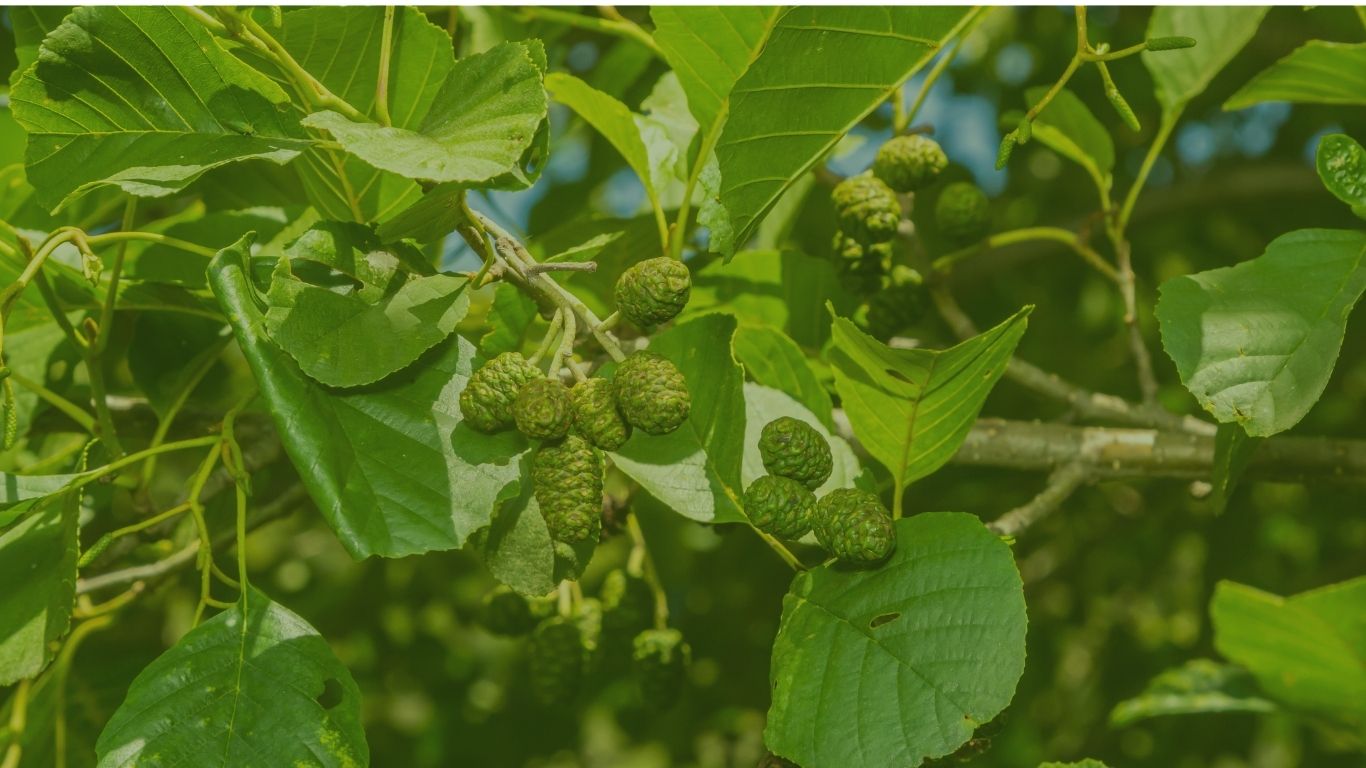
Alnus Rubra is a homeopathic remedy sourced from the bark of the red alder tree, a deciduous species native to western North America. The tree thrives in moist, riparian environments, playing a crucial ecological role by fixing nitrogen in the soil, thereby revitalizing barren land. This inherent characteristic of transformation and renewal—turning poor soil fertile—becomes a central thematic key in understanding the homeopathic application of the remedy. It is as if the tree’s natural function translates into a medicinal capacity to stimulate renewal and drainage within the human body, particularly where there is a state of stagnation and toxicity.
The tree itself can grow up to 30 meters tall, with smooth, grey bark that often sports patches of white lichen. Its name “rubra” (red) comes from the reddish hue of its inner bark and the color that appears when the wood is cut. For centuries, indigenous peoples of the region used red alder bark for its astringent and anti-inflammatory properties, preparing teas or poultices for wounds, ailments, and as a dye. Homeopathy, following the principle of “like cures like,” took this substance and, through a process of serial dilution and succussion, unlocked a deeper, energetic therapeutic potential.
Extraction and Preparation: The Alchemical Process
The preparation of Alnus Rubra follows the standard homeopathic pharmacopeia guidelines, ensuring consistency and potency. The process begins with the collection of the fresh, inner bark of the red alder tree. This crude substance, known as the mother tincture (often denoted as Ø), is created by macerating the bark in a mixture of alcohol and water. This tincture contains the full spectrum of the plant’s soluble chemical constituents and serves as the foundational stock from which all subsequent potencies are derived.
The true homeopathic alchemy begins with potentization. To create the classic potencies, a single drop of the mother tincture is diluted with 99 drops of a water-alcohol solution and then vigorously shaken through a process called succussion. This resulting preparation is labeled as 1C (centesimal potency). To create a 2C potency, one drop of the 1C is diluted in another 99 drops of solvent and succussed again. This serial dilution and succession are repeated dozens, hundreds, or even thousands of times to produce the full range of potencies available.
The Spectrum of Potencies and Their Selection
Alnus Rubra is available across the full spectrum of homeopathic potencies, from low (6X, 6C, 30C) to medium (200C) and high (1M, 10M and beyond). The selection of potency is a nuanced art, dependent on the individual’s presentation, the depth of the condition, and the prescribing philosophy of the practitioner.
Lower potencies (6C, 30C) are often used for more localized, physical symptoms, particularly when addressing acute issues related to glandular swelling or catarrh. They may be repeated more frequently. Medium potencies like 200C are employed for clearer constitutional pictures or more established chronic conditions, acting on a deeper level. High potencies (1M and above) are reserved for treating the core constitutional state, especially where prominent mental and emotional symptoms are present, and are administered infrequently. The guiding principle remains the totality of symptoms—the unique physical, emotional, and general characteristics of the patient must match the known symptom profile of Alnus Rubra for the remedy to be effective, regardless of potency.
The Symptom Picture: Portrait of an Alnus Rubra State
Understanding Alnus Rubra requires delving into the detailed symptom picture it can address. The remedy paints a portrait of a person suffering from a profound sense of internal stagnation and depletion, often following a period of overwork, stress, or acute illness.
Mental and Emotional Symptoms:
The Alnus Rubra state is frequently preceded by a history of intense mental exertion or prolonged stress, leading to a peculiar form of mental fatigue. There is a marked sensation of being “drained” or “used up.” Patients may describe a feeling of emptiness or hollowness, as if their vital reserves have been depleted. Anxiety is common, but it is often a free-floating anxiety centered on health, with irrational fears of serious disease like cancer or tuberculosis (a hypochondriacal tendency). They may feel as if they are deteriorating or rotting from within, mirroring the damp, decaying environments the red allder favors. Apathy and indifference can set in, but underneath lies a persistent worry about their physical state.
Physical Symptoms and Key Uses:
The physical manifestations are striking and often center on the glandular system and mucous membranes, with a theme of enlargement, congestion, and sluggish elimination.
-
Glandular Swelling and Induration: This is a prime indication. Alnus Rubra is known for its affinity for enlarged, hardened, but non-suppurating glands. This includes swollen lymph nodes in the neck, axillae, or groin that feel hard and sore. It is also a key remedy for issues with the thyroid gland, particularly feelings of constriction or a “band-like” sensation around the neck, and may be considered in cases of simple goiter or hypothyroid tendencies where this symptom is present.
-
Catarrhal Conditions and Sinusitis: There is a tendency toward profuse, thick, yellow or greenish catarrh from the nose and sinuses. It is indicated in chronic sinusitis where the discharge is persistent and the sinuses feel full and congested. The catarrh may extend to the Eustachian tubes, causing blocked ears and impaired hearing.
-
Splenic and Hepatic Congestion: A sensation of fullness, weight, and discomfort in the region of the spleen (left hypochondrium) is a strong guiding symptom. The liver may also feel engorged and tender, with general abdominal bloating. The patient feels better from rubbing or pressure on the abdomen.
-
Skin Affections: The skin can reflect the internal stagnation. Alnus Rubra is used for chronic skin conditions like psoriasis, especially when it appears in patches, and eczema that is moist and itchy. There can be a sensation of burning on the skin. Boils and carbuncles are also within its purview.
-
General Modalities: Characteristically, the Alnus Rubra patient feels worse from warmth and better from cold applications. Their symptoms and general sense of malaise are often aggravated at night. A notable craving for sour foods, like pickles or vinegar, may be present.
Side Effects and the Homeopathic Aggravation
Within the framework of homeopathy, the concept of “side effects” differs from conventional pharmacology. Due to the highly diluted nature of the remedies, they are generally considered non-toxic and free from chemical side effects. However, a phenomenon known as a “homeopathic aggravation” can occur, particularly when the correct remedy is first administered.
This aggravation is a temporary intensification of existing symptoms, seen as a positive sign that the vital force has been stimulated and is beginning to react against the disease state. For an Alnus Rubra patient, this might mean a short-term increase in catarrh or a brief heightening of anxiety before a sustained improvement begins. Such aggravations are typically mild and short-lived. If symptoms worsen significantly or persist, it indicates a mismatch between the remedy and the patient’s condition, necessitating a re-evaluation by a qualified practitioner. It underscores the importance of professional guidance in selecting a deep-acting constitutional remedy like Alnus Rubra.
Prevention and Constitutional Prescribing
Homeopathy is primarily a system of treatment rather than allopathic prevention (like vaccines). However, in a broader sense, a well-chosen constitutional remedy can strengthen an individual’s overall vitality and resilience, making them less susceptible to illness. For a person whose constitutional type aligns with the Alnus Rubra picture—someone prone to glandular issues, chronic catarrh, and anxiety after stress—the careful, infrequent use of Alnus Rubra in high potency by an experienced homeopath could help rebalance their system. This may prevent the recurrence of their characteristic patterns of illness, moving them from a state of stagnation and depletion toward one of renewed vitality, much like the red alder renews the soil it grows in.
Comparative Analysis with Other Remedies
To fully appreciate Alnus Rubra’s niche, it is helpful to distinguish it from other remedies with seemingly similar symptoms.
Compared to Baryta Carbonica: Both remedies feature swollen glands and anxiety. However, Baryta Carb is strongly associated with developmental delays—physical and mental childishness, timidity, and a lack of confidence. The glands in Baryta Carb are prone to suppuration (forming pus). Alnus Rubra’s glands are hard and non-suppurating, and its anxiety is more focused on disease and internal decay rather than social shyness.
Compared to Calcarea Carbonica: Calc Carb individuals also suffer from glandular swelling and catarrh, but they are typically chilly, flabby, sweaty (especially on the head), and crave eggs and indigestible things. Alnus Rubra patients are worse from heat and crave sour foods. The mental state of Calc Carb is one of slowness and security-seeking, whereas Alnus Rubra’s is one of depletion and disease anxiety.
Compared to Lycopodium: Lycopodium is a major remedy for liver and digestive issues with bloating. Both may have anxiety. Yet, Lycopodium’s anxiety is about performance and failure, with a marked lack of self-confidence masked by authoritarianism at home. Their physical symptoms are typically worse on the right side and in the late afternoon. Alnus Rubra’s defining spleen sensation and aggravation from heat are distinguishing features.
Compared to Rhus Toxicodendron: Rhus Tox is a key remedy for skin conditions (eczema, herpes) and stiffness. While both may have burning skin and restlessness, Rhus Tox is unequivocally worse from cold, damp and better from warmth and motion—the direct opposite of Alnus Rubra’s thermal modality.
Frequently Asked Questions About Homeopathic Medicine Alnus Rubra
1. What is homeopathic Alnus Rubra, and where does it come from?
Homeopathic Alnus Rubra is a natural remedy prepared from the bark of the Red Alder tree (Alnus rubra), native to the Pacific Northwest of North America. Through a process of serial dilution and vigorous shaking (succussion), the bark’s energetic imprint is transferred to create a safe, non-toxic medicine used in homeopathy to treat specific patterns of physical and emotional symptoms.
2. What are the most common uses or key symptoms for Alnus Rubra?
Alnus Rubra is primarily considered for conditions marked by stagnation and enlargement. Key indicators include:
-
Swollen, hardened lymph nodes or glands that do not suppurate (form pus).
-
A sensation of tightness or a “band” around the neck, often related to thyroid discomfort.
-
Chronic sinusitis with thick, yellow/green catarrh.
-
A characteristic feeling of fullness, weight, or discomfort in the area of the spleen (left upper abdomen).
-
Chronic skin conditions like psoriasis or eczema.
-
A profound feeling of being mentally and physically “drained” or used up, often with anxiety about one’s health.
3. What does the typical Alnus Rubra patient feel like mentally?
The mental and emotional state is a crucial part of the remedy picture. The person often feels emptied out after prolonged stress or overwork. There can be a deep-seated anxiety, particularly about having a serious disease like cancer or tuberculosis. They may feel as if they are “rotting” or deteriorating from within, leading to a fixed focus on their physical symptoms and overall health.
4. Are there any specific cravings or things that make symptoms better or worse?
Yes. A common craving for sour foods (like pickles, vinegar, or citrus) is often noted. A very characteristic modality (factor affecting symptoms) is that the person generally feels worse from heat and better from cold applications. Symptoms, including general malaise and anxiety, also tend to be worse at night.
5. What potencies are available, and how do I choose one?
Alnus Rubra is available in various potencies, such as 6C, 30C, 200C, and 1M. The choice depends on the situation:
-
Low potencies (6C, 30C): Often used for acute, localized symptoms (like a sudden gland swelling) and may be repeated several times a day.
-
Higher potencies (200C, 1M and above): Typically reserved for deeper, constitutional prescribing based on the full emotional and physical picture. These are taken infrequently (e.g., once a week or a single dose) and usually under the guidance of a homeopath.
For self-care of acute issues, 30C is a common starting point. For chronic or complex conditions, consulting a professional is essential.
6. Are there any side effects?
In the conventional sense, due to the extreme dilution, homeopathic medicines are non-toxic and do not have chemical side effects or drug interactions. However, a “homeopathic aggravation” is possible. This is a temporary, mild intensification of existing symptoms, seen as a positive sign that the remedy is stimulating the body’s healing response. If new or severe symptoms appear, discontinue use and consult a practitioner.
7. Can I take Alnus Rubra to prevent illness?
Homeopathy is not used for preventative medicine in the same way as vaccines. However, a constitutional prescription of Alnus Rubra by a qualified homeopath aims to rebalance the individual’s entire system. If Alnus Rubra is your well-matched constitutional remedy, achieving this balance can strengthen your overall vitality and resilience, potentially making you less prone to recurring patterns of illness specific to the Alnus Rubra state.
8. How is Alnus Rubra different from other common glandular remedies like Baryta Carb or Calcarea?
-
Vs. Baryta Carbonica: Both have swollen glands and anxiety. Baryta Carb is for delayed development (childish adults) with extreme timidity; its glands often suppurate. Alnus Rubra’s glands are hard and non-suppurating, with anxiety focused on disease.
-
Vs. Calcarea Carbonica: Both have catarrh and gland issues. Calc Carb individuals are chilly, flabby, sweat easily, and crave eggs. They seek security. Alnus Rubra patients are worse from heat, crave sour foods, and feel depleted.
-
Vs. Lycopodium: Both have digestive/bloating issues. Lycopodium’s anxiety is about performance; symptoms are worse on the right side and 4-8 pm. Alnus Rubra’s key is spleen sensation and being worse from heat.
9. Can I take Alnus Rubra alongside my conventional medications?
Yes, homeopathic remedies are generally safe to use alongside conventional medications as they work on a different, energetic principle and do not interfere chemically. However, it is crucial to inform all your healthcare providers (doctor and homeopath) about all the medicines and supplements you are taking to ensure coordinated care. Homeopathy is a complementary therapy, not a replacement for necessary medical treatment.
10. Where can I get Alnus Rubra, and do I need a prescription?
Alnus Rubra is available over-the-counter at health food stores, specialty pharmacies, and online retailers that sell homeopathic medicines. For low-potency, acute use, you do not need a prescription. However, for an accurate constitutional prescription or treatment of a chronic condition, consulting with a trained professional homeopath is highly recommended. They can conduct a full interview to determine if your symptom totality matches Alnus Rubra and prescribe the appropriate potency and dosage schedule.
Conclusion
Alnus Rubra emerges from the Pacific mist as a homeopathic remedy of great specificity. It is not a panacea, but a finely tuned instrument for a particular human condition: the state of being drained, with hardened glands, persistent catarrh, and a spleen-centered congestion, all underscored by a fear of internal decay. Its power lies not in the material dose but in the energetic imprint of the red alder’s transformative nature. As with all homeopathic remedies, its successful application demands a holistic view of the patient, where the physical symptoms are inseparable from the emotional landscape, leading to a prescription that is as individual as the person seeking healing.