Table of Contents
ToggleHomeopathic Medicine Anisum Stellatum: The Celestial Spice in Homeopathic Healing
Homeopathy, a system of alternative medicine founded on the principle of “like cures like,” boasts a vast materia medica filled with remedies derived from the plant, mineral, and animal kingdoms. Among these, Anisum Stellatum, commonly known as Star Anise, holds a unique and fascinating position. While renowned globally as a culinary spice, particularly in Asian cuisines, its journey into homeopathy reveals a profile of a remedy with specific and potent applications, primarily centered on the digestive and respiratory systems. This article delves into the origin, preparation, therapeutic uses, and distinctive characteristics of this celestial-shaped spice as a homeopathic entity.
Origin and Botanical Background
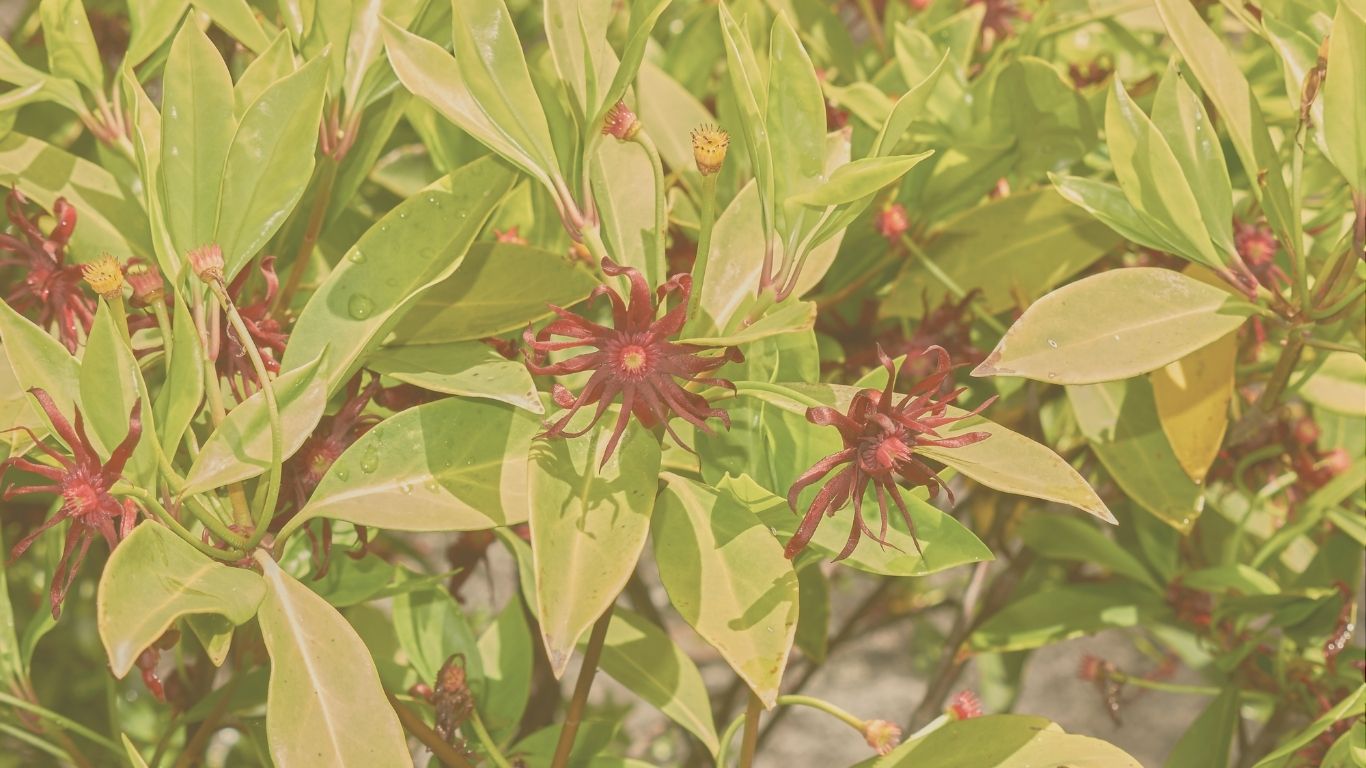
Anisum Stellatum is not to be confused with common anise (Pimpinella anisum), although they share a similar aromatic compound, anethole, which gives them a comparable licorice-like scent and flavor. The homeopathic remedy is prepared from Illicium verum, an evergreen tree native to Northeast Vietnam and Southwest China. The star-shaped fruit, which is a follicle, is harvested just before ripening and then dried. Its name, “stellatum,” is derived from the Latin word for “star,” a direct reference to its beautiful, eight-pointed pod.
The use of Star Anise predates its homeopathic application. It has been a cornerstone of Traditional Chinese Medicine (TCM) for centuries, known as ba jiao hui xiang. In TCM, it is used to treat abdominal pain, hernia, and various digestive complaints, and to regulate the flow of Qi. It was introduced to Europe in the 17th century and quickly became valued as a spice and a carminative. It was the pioneering homeopaths of the 19th century who, recognizing its pronounced effects on the human organism, began to pathogenetically test it and incorporate it into the homeopathic repertoire. A proving involves administering a substance to healthy individuals and meticulously recording the symptoms that arise, thereby defining its therapeutic picture.
Extraction and Preparation of Potencies
The preparation of homeopathic medicine Anisum Stellatum adheres strictly to the principles outlined in the Homeopathic Pharmacopoeia of the United States (HPUS) or other national pharmacopoeias. The process begins with the source material: the dried, ripe fruit of the Illicium verum tree.
The initial step involves creating a mother tincture. The dried star anise pods are crushed and macerated (soaked) in a mixture of alcohol and water for a specified period. This process extracts the active chemical constituents. The resulting liquid is then filtered, and this concentrated extract is known as the mother tincture, denoted as Ø.
From this mother tincture, the various potencies are prepared through a process of serial dilution and succussion (vigorous shaking). The two main scales of potency are the centesimal (C) and the decimal (X or D).
-
Centesimal (C) Potencies: To create a 1C potency, one part of the mother tincture is diluted with 99 parts of a diluent (typically alcohol or water) and then succussed vigorously. To make a 2C potency, one part of the 1C solution is diluted with 99 parts of diluent and succussed again. This process is repeated to achieve higher potencies like 6C, 30C, 200C, and 1M (1000C).
-
Decimal (X or D) Potencies: In this scale, the dilution factor is 1:10. A 1X potency is made by diluting one part of the mother tincture with nine parts of diluent. A 2X potency uses one part of the 1X solution diluted with nine parts of diluent, and so on.
The fundamental principle of homeopathy is that this process of dilution and succussion does not weaken the remedy but rather potentiates its therapeutic energy while eliminating any toxicological effects of the crude substance. The selection of potency is a critical clinical decision; lower potencies (e.g., 6X, 6C, 30C) are often used for physical, localized symptoms, while higher potencies (200C and above) are chosen for deeper, more constitutional conditions.
The Symptom Picture and Therapeutic Uses
The therapeutic profile of Anisum Stellatum, as gleaned from its provings and clinical experience, is predominantly focused on two key areas: the digestive tract and the respiratory system. Its action is characterized by a strong antispasmodic and carminative effect.
1. Digestive System:
Anisum Stellatum is a premier remedy for a range of gastrointestinal disturbances marked by gas, cramping, and spasmodic pain. The key symptoms guiding its use include:
-
Flatulence and Colic: It is indicated for severe, griping abdominal colic, especially in infants and children. The pain is often accompanied by significant bloating and the passage of foul-smelling gas, which may provide temporary relief.
-
Spasmodic Pain: The pains are often described as cutting, clutching, or constricting, causing the patient to double over. These cramps can be associated with hiccoughs or nausea.
-
Infantile Colic: This is one of its most well-known uses. A baby needing Anisum Stellatum may be restless, drawing its legs up towards the abdomen due to pain, and is often very irritable. The colic may be worse in the evening or after feeding.
-
Digestive Spasms with Cough: A characteristic feature linking its two main spheres of action is a digestive complaint that triggers or is triggered by a cough. The patient may experience a spasmodic cough that leads to retching or abdominal pain, or conversely, abdominal distension and pain may be aggravated by coughing.
2. Respiratory System:
The remedy’s affinity for smooth muscle makes it equally valuable for spasmodic conditions of the respiratory tract.
-
Whooping Cough (Pertussis): Anisum Stellatum is considered a significant remedy for whooping cough, particularly in the spasmodic stage. The cough is violent, spasmodic, and suffocative. The classic “whoop” is prominent, and the paroxysms can be so severe that they lead to vomiting, nosebleeds, or even apnea (a temporary cessation of breathing). The child may turn blue or red in the face during the coughing spell.
-
Asthma and Bronchial Spasms: It can be useful in asthmatic conditions where the breathing difficulty is accompanied by a sense of constriction in the chest and a spasmodic, dry, tickling cough.
-
Cough with Gagging: A key indication is a hard, dry cough that ends in gagging or vomiting, mirroring the digestive-respiratory connection.
3. Other Uses:
While less prominent, Anisum Stellatum has been used for headaches that are associated with digestive upset and for increasing milk secretion in nursing mothers, a use that parallels its traditional employment as a galactagogue.
Side Effects and Safety Considerations
In homeopathic potencies, Anisum Stellatum is considered extremely safe. The process of potentization ensures that there is no measurable quantity of the original substance left in higher dilutions, eliminating the risk of pharmacological toxicity.
However, it is crucial to distinguish between homeopathically prepared Anisum Stellatum and the crude herb or its essential oil. The crude star anise is safe, but it must not be confused with Japanese star anise (Illicium anisatum), which is highly toxic and can cause serious neurological effects like seizures, vomiting, and convulsions. Contamination of batches has been a concern, so using the crude spice for medicinal tea, especially for infants, is not recommended without absolute certainty of its source.
The essential oil of star anise is very potent and should never be ingested undiluted. It can cause nausea, vomiting, pulmonary edema, and seizures.
The only side effects associated with homeopathic Anisum Stellatum are potential aggravations. A homeopathic aggravation is a temporary intensification of existing symptoms following the administration of a well-chosen remedy, which is often seen as a positive sign that the vital force is responding. These aggravations are typically mild and short-lived.
As with any homeopathic remedy, self-prescribing for serious conditions like whooping cough or severe asthma is not advisable. A consultation with a qualified homeopathic practitioner is essential for an accurate diagnosis and individualized remedy selection.
Prevention and Constitutional Prescribing
Homeopathy is primarily a therapeutic system rather than a preventive one in the conventional sense. The concept of prevention in homeopathy is based on strengthening the individual’s constitutional vitality, making them less susceptible to disease. While a remedy like Anisum Stellatum is not typically used as a prophylactic in the way that a remedy like Influenzinum might be for the flu, its intelligent use can prevent the worsening of an acute condition.
For instance, administering Anisum Stellatum at the early signs of a spasmodic cough in a child known to be prone to severe bronchial infections could potentially prevent the development of a full-blown, debilitating case of whooping cough. This is not prevention in the sense of warding off the pathogen, but rather preventing the pathological expression of the disease within that particular individual by matching the remedy to the emerging symptom totality.
Constitutional prescribing with Anisum Stellatum is less common, as its picture is predominantly acute. However, a person who consistently responds with digestive spasms and a spasmodic cough to every minor illness might have a constitutional affinity for the remedy. The practitioner would look for the characteristic modalities: symptoms worse from coughing, worse in the evening, and better from passing flatus.
Comparative Analysis with Other Remedies
To fully understand Anisum Stellatum, it is helpful to compare it with other homeopathic remedies that have similar applications.
1. Anisum Stellatum vs. Cuprum Metallicum:
Both remedies are excellent for spasms—violent, cramping pains and convulsive coughs. However, Cuprum is a much deeper-acting mineral remedy. Its spasms are more extreme and can involve the muscles throughout the body, not just the viscera. A key differentiation in cough is that with Cuprum, the cough can be so severe that it leads to a rigid, paralyzed state or even convulsions, and the patient may have a bluish, pale face. Anisum Stellatum’s spasms are more specifically linked to the digestive-respiratory axis.
2. Anisum Stellatum vs. Drosera Rotundifolia:
Drosera is a top-tier remedy for whooping cough, with a violent, deep, barking cough that comes in rapid succession, making it impossible for the patient to catch their breath. The cough is worse immediately upon lying down. While both Drosera and Anisum have coughs ending in vomiting, Drosera’s spasms are even more rapid and suffocative. Anisum Stellatum’s picture is strongly defined by the accompanying abdominal flatulence and colic, which is less prominent in Drosera.
3. Anisum Stellatum vs. Carbo Vegetabilis:
Carbo Veg. is a major remedy for flatulence and bloating, but the nature is different. A Carbo Veg. patient suffers from extreme sluggishness of digestion. The abdomen is immensely distended with stagnant gas; the patient feels cold and collapsed and desires to be fanned. Anisum Stellatum’s flatulence is associated with active, spasmodic, colicky pains, not the passive, putrefactive bloating of Carbo Veg.
4. Anisum Stellatum vs. Common Anise (Pimpinella Anisum):
Although they are different plants, their homeopathic applications share similarities due to the anethole content. However, Pimpinella Anisum is considered less specific and powerful in its action compared to Anisum Stellatum. It is used more for simple flatulence and as a mild stimulant for milk flow, lacking the strong, specific affinity for the violent, spasmodic coughs that characterizes Anisum Stellatum.
Frequently Asked Questions (FAQs) About Anisum Stellatum
1. What is Anisum Stellatum in homeopathy?
Anisum Stellatum is a homeopathic remedy prepared from the dried, star-shaped fruit of the Illicium verum plant, commonly known as Star Anise. While the spice is used in cooking, the homeopathic preparation is used to treat specific health conditions, primarily focusing on spasmodic coughs and digestive issues like colic and severe gas.
2. Is Anisum Stellatum the same as regular anise or fennel?
No, they are different plants. Anisum Stellatum comes from Star Anise (Illicium verum), which is botanically distinct from common anise (Pimpinella anisum) and fennel (Foeniculum vulgare). Although they share a similar aromatic compound (anethole) that gives them a licorice-like scent, their homeopathic profiles are different. Anisum Stellatum has a stronger and more specific action on violent, spasmodic coughs.
3. What are the main uses of Anisum Stellatum?
The two primary uses are:
-
Respiratory Issues: It is a leading remedy for spasmodic coughs, especially whooping cough (pertussis), where the cough is violent, ends in a “whoop,” and may cause gagging or vomiting.
-
Digestive Issues: It is highly effective for infantile colic and abdominal pain in adults characterized by severe, griping pains, intense bloating, and foul-smelling gas. A key feature is the connection between the cough and the digestive upset.
4. Can I use Anisum Stellatum for my baby’s colic?
Yes, it is a well-known remedy for infantile colic. The typical indication is a restless, irritable baby who draws its legs up towards the abdomen due to cramping pain, appears bloated, and may pass gas. The colic is often worse in the evening. However, it is always best to consult a healthcare professional, such as a qualified homeopath or your pediatrician, before administering any remedy to an infant to ensure an accurate diagnosis.
5. How is Anisum Stellatum different from Drosera, another common whooping cough remedy?
Both are excellent for whooping cough, but the symptoms guide the choice:
-
Anisum Stellatum is strongly indicated when the violent coughing spell is closely associated with digestive symptoms like abdominal cramping and bloating. The cough may cause or be caused by the abdominal distress.
-
Drosera is characterized by a very rapid, deep, barking cough that comes in quick succession, making it impossible to catch a breath. The cough is typically worse immediately upon lying down. The digestive connection is not a primary feature of Drosera.
6. Are there any side effects of taking homeopathic Anisum Stellatum?
When taken in homeopathic potencies, Anisum Stellatum is generally considered safe. The process of extreme dilution removes any toxicological risk from the original substance. The only potential reaction is a “homeopathic aggravation,” which is a temporary, mild intensification of existing symptoms that usually passes quickly and is often seen as a sign that the remedy is acting. This is different from the side effects of pharmaceutical drugs.
7. Is it safe to use the Star Anise spice from my kitchen as a medicine?
Caution is strongly advised. Using the crude spice for medicinal teas, especially for infants, is not recommended without absolute certainty of its source. Safe Chinese Star Anise (Illicium verum) can be confused with highly toxic Japanese Star Anise (Illicium anisatum). Contamination can occur, and ingestion of the toxic variety can lead to serious neurological symptoms like seizures. Homeopathic preparations are made from verified, safe sources and are potentized, making them a safe alternative.
8. What potencies of Anisum Stellatum are commonly available?
Common over-the-counter potencies include 6C, 12C, and 30C. For acute conditions like a cough or colic, lower potencies like 6C or 30C are often used. Higher potencies (200C and above) are typically prescribed by a homeopathic practitioner for more deep-seated or severe conditions. The frequency of dosage depends on the acuity of the symptoms.
9. Can Anisum Stellatum be used to prevent whooping cough?
Homeopathy is primarily a therapeutic system. While some remedies are used for prophylaxis (prevention), Anisum Stellatum is not typically used in this way. Its role is to treat the active symptoms of a disease once they appear. A better approach to prevention involves constitutional homeopathic treatment to strengthen the immune system and, importantly, following public health guidelines regarding vaccination.
10. Should I self-prescribe Anisum Stellatum or consult a professional?
For minor, acute issues like a simple cough or gas, self-prescribing with a low potency may be appropriate after careful study of the symptoms. However, for serious conditions like suspected whooping cough, severe asthma, or persistent infant colic, it is crucial to seek guidance from a qualified homeopathic practitioner or a medical doctor. They can provide an accurate diagnosis and ensure the correct remedy and potency are selected for your specific case, which is the cornerstone of effective homeopathic treatment.
Conclusion
Anisum Stellatum, the humble star anise of the kitchen shelf, transforms in homeopathy into a precise and valuable medicinal tool. Its sphere of action, though narrow, is clearly defined, making it an indispensable remedy for specific patterns of illness. Its mastery lies in recognizing the unique connection it treats: the interplay between spasmodic respiratory conditions and concurrent digestive turmoil. From the inconsolable infant with colic to the child struggling for breath in a paroxysm of whooping cough, Anisum Stellatum offers a gentle yet profound stimulus for healing. As with all homeopathic remedies, its power is unlocked not by treating a disease name, but by matching its unique symptom signature to the individual expression of sickness in the patient, a testament to the truly holistic and individualized nature of homeopathic practice.