Table of Contents
ToggleHomeopathic Medicine Asterias Rubens: The Stellate Sea Creature in Homeopathic Healing
Within the rich and intricate tapestry of homeopathic materia medica, few remedies present as curious and compelling a profile as Asterias Rubens. Derived not from a plant or a mineral, but from the common starfish of the Atlantic shores, this remedy encapsulates a profound homeopathic principle: that a substance capable of producing a distinct pattern of symptoms in a healthy organism can, in a highly diluted and potentized form, cure that same pattern in a sick one. The journey of Asterias Rubens from a marine invertebrate to a key constitutional remedy for complex neuropsychiatric and sycotic conditions is a fascinating exploration of homeopathic philosophy and practice.
Origin and Extraction: From Ocean Depths to Homeopathic Vial
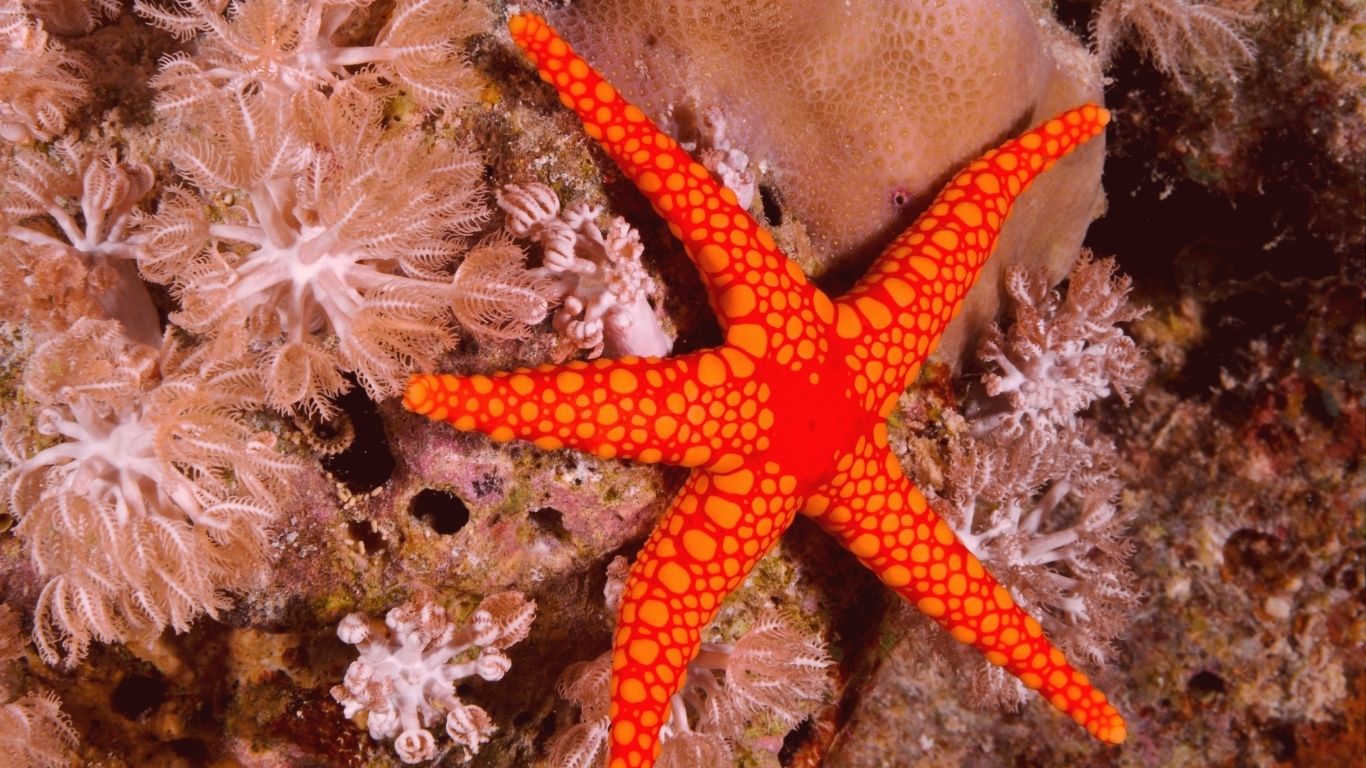
The origin of Asterias Rubens is distinctly zoological. It is sourced from the Asterias rubens, also known as the common starfish or sea star, found in the cooler waters of the northeastern Atlantic Ocean. This echinoderm, with its characteristic five arms and rough, reddish-brown surface, is a predator of mollusks and a ubiquitous feature of its marine ecosystem.
The process of creating the homeopathic mother tincture follows the standard protocol for animal-based remedies. The living starfish is collected, and the entire organism is used. It is carefully cleaned and then undergoes a process of maceration in alcohol. This involves chopping or crushing the starfish and steeping it in a mixture of alcohol and water for a specified period. This maceration allows for the extraction of the soluble bioactive components of the animal into the liquid medium. The resulting liquid, after filtration, is the mother tincture, designated as Ø (phi) in homeopathic pharmacy. This mother tincture is the foundational substance from which all subsequent homeopathic potencies are prepared.
The Alchemy of Potentization: Unleashing Energetic Imprints
Homeopathy operates on the principle of potentization, a serial process of dilution and succussion (vigorous shaking) that is believed to transmute the crude physical substance into a dynamic, energetic medicine. For Asterias Rubens, as with all homeopathic remedies, this process is critical.
Starting from the mother tincture, a single drop is diluted, typically in a ratio of 1:99 for centesimal (C) potencies or 1:9 for decimal (X or D) potencies. This mixture is then succussed forcefully. The result is the 1C or 1X potency. This process is repeated: one drop of the 1C is diluted and succussed to make 2C, and so on. Common therapeutic potencies for Asterias Rubens range from low (6C, 12C) to medium (30C) and high (200C, 1M and beyond). The selection of potency is a nuanced decision made by a homeopathic practitioner, based on the depth of the condition, the vitality of the patient, and the specificity of the symptom picture. Lower potencies may be used for more localized physical symptoms, while higher potencies are often reserved for deeper constitutional or psychiatric disturbances.
The Symptom Portrait: A Constellation of Mental and Physical Clues
The homeopathic profile of Asterias Rubens was largely elucidated through provings conducted in the 19th century. The symptom picture that emerged is strikingly coherent, painting a portrait of a remedy deeply associated with the nervous system, the circulatory system, and what homeopaths term the “sycotic” miasm—a predisposition to conditions involving excess, growths, and erratic, impulsive behavior.
Mental and Emotional Symptoms:
This is the realm where Asterias Rubens shines most distinctly. The keynote is impulsivity with a dark, anxious undertone. The individual may experience sudden, uncontrollable impulses—to kill, to commit acts of violence, or to engage in reckless behavior. Crucially, these impulses are often accompanied by intense horror and fear; the person is terrified by their own thoughts. There is a profound sense of being forsaken or doomed, as if some calamity is impending. Anxiety is pronounced, often felt in the solar plexus or heart, and is worse from thinking about it. The mood can be highly changeable, excitable, and sensitive to external impressions like music or noise. A peculiar sensation is the feeling as if the mind were separated from the body.
Physical Symptoms:
The physical symptoms mirror the tumultuous mental state. A primary sphere of action is the heart and circulation. Palpitations are violent and tumultuous, often associated with anxiety and the aforementioned impulsive thoughts. There may be a sensation of heat rising to the face and head. Another major focus is the female reproductive system. Asterias Rubens is a prime remedy for left-sided ovarian affections, particularly cysts or tumors, with pain extending down the inner thigh. It is also indicated for fibrocystic breast conditions, especially in the left breast, with stinging pains and a sensation of hardness.
Neurologically, it is a significant remedy for epilepsy and convulsive disorders, where attacks may be preceded by an aura involving twitching of facial muscles or a sensation starting in the fingers and rising to the head. It has an affinity for the left side of the body and for glandular swellings (e.g., swollen lymph nodes, thyroid issues). Skin conditions may present as acne, herpes zoster (shingles), or eczema, often with a burning or stinging quality.
Guiding Modalities:
Symptoms are typically worse on the left side, at night, and from touch or pressure. They may be aggravated by music (which can overstimulate the nervous system) and ameliorated by warmth and slow movement.
Clinical Uses and Applications
In contemporary homeopathic practice, Asterias Rubens is not a first-aid remedy but a deep-acting constitutional and anti-miasmatic medicine. Its uses are aligned with its symptom portrait:
-
Psychiatric and Behavioral Support: For managing impulsive control disorders, severe anxiety with dark thoughts, and as adjunctive support in cases of epilepsy. It is considered when violent impulses plague an otherwise conscientious individual.
-
Gynecological Disorders: A key prescription for left ovarian cysts, polycystic ovarian syndrome (PCOS) presentations that match the mental state, and mastitis or fibrocystic breast disease.
-
Cardiovascular Symptoms: For functional heart disorders where violent palpitations are tied to acute anxiety or fear.
-
Neurological Conditions: In the treatment plan for certain types of epilepsy or neuralgic pains, particularly when the characteristic aura or modalities are present.
-
Dermatology: For treating herpes zoster (especially on the left torso), eczema, or acne that corresponds to the remedy’s burning, stinging nature and is associated with a stressed mental state.
Side Effects and the Homeopathic Aggravation
Within the framework of homeopathy, the concept of “side effects” differs from allopathic medicine. The primary risk is a homeopathic aggravation. This is a temporary intensification of existing symptoms following the administration of a well-chosen remedy, seen as a sign that the vital force is responding and beginning to reorganize. An aggravation from Asterias Rubens might involve a short-term heightening of anxiety, a flare of skin symptoms, or a brief return of old pains. These are typically mild and self-limiting. However, if symptoms are severe or prolonged, it necessitates consultation with the prescribing homeopath. As with all homeopathic medicines, when used in high potencies or without proper indication, there is a theoretical risk of proving the remedy—i.e., inducing its symptom picture in the patient.
Prevention and Constitutional Prescribing
Homeopathy is primarily a system of individualized treatment rather than population-wide prevention in the allopathic sense. However, Asterias Rubens can be understood as a preventive or curative remedy at a constitutional level. A skilled homeopath, recognizing the clear Asterias Rubens constitution and diathesis in a patient—perhaps a woman with a strong family history of ovarian cysts, a nervous, impulsive temperament, and minor cardiac irregularities—might prescribe the remedy to strengthen the organism’s resistance and prevent the full manifestation of these tendencies into pathology. This is the essence of constitutional prescribing: treating the susceptible individual to prevent the expression of disease.
Comparative Analysis: Distinguishing Asterias Rubens from Its Peers
To fully grasp the identity of a homeopathic remedy, one must compare and contrast it with similar ones.
Versus Stramonium: Both remedies feature intense fear, impulsivity, and violence. However, Stramonium’s state is one of absolute terror, often from dark, hallucinations (of animals, monsters), leading to violent rage. It is a remedy of acute mania and night terrors. Asterias Rubens’ impulsivity is more internally conflicted; the patient is horrified by their own impulses, which feel ego-dystonic. Stramonium is more theatrical and frantic; Asterias is more brooding and anxious.
Versus Lachesis: This is a crucial comparison, as both are left-sided remedies with strong cardiovascular and gynecological affinities. Lachesis, from snake venom, embodies a jealous, loquacious, and intensely suspicious mentality. The physical symptoms are marked by extreme sensitivity to touch (especially on the throat), a feeling of constriction, and aggravation from sleep (wakes feeling worse). Asterias Rubens lacks the loquacity and intense jealousy of Lachesis. Its anxiety and impulsivity are more prominent, and its physical pains are more stinging or burning rather than constrictive.
Versus Sepia: Both are important for left ovarian pain and women’s health. Sepia’s hallmark is indifference—to family, life, and formerly loved ones. She is worn out, irritable, and desires solitude. The Asterias Rubens woman, while anxious, does not exhibit this profound apathy. She is more likely to be agitated and excitable. Sepia’s physical bearing includes a sensation of bearing down in the pelvis; Asterias is more defined by stinging ovarian pain and breast nodules.
Versus Carcinosin: This nosode shares a broad affinity for cancers, tumors, and a history of suppression. The Carcinosin state is often one of perfectionism, a strong desire for harmony, and a history of overwork. They may be gifted, artistic, and have a strong family history of cancer. While Asterias Rubens may be indicated in tumorous conditions, its mental state is far more defined by specific, dark impulses and acute anxiety rather than the driven, perfectionist fatigue of Carcinosin.
FAQs: Homeopathic Medicine Asterias Rubens
Q1: What is Asterias Rubens, and where does it come from?
A: Asterias Rubens is a homeopathic medicine prepared from the common red starfish (Asterias rubens). The entire living organism is used to create the initial mother tincture through a process of maceration in alcohol. This tincture is then serially diluted and succussed (vigorously shaken) to produce the various homeopathic potencies available for therapeutic use.
Q2: What kind of conditions or symptoms is Asterias Rubens known for?
A: Asterias Rubens has a distinct profile, primarily affecting the nervous system, heart, and female reproductive organs. It is most renowned for:
-
Mental/Emotional: Sudden, horrifying impulses (e.g., to harm) accompanied by intense anxiety and a sense of impending doom.
-
Cardiac: Violent, tumultuous palpitations often linked to anxiety.
-
Gynecological: Left-sided ovarian cysts or pains, and fibrocystic conditions in the left breast.
-
Neurological: Certain types of epilepsy or neuralgias.
-
Skin: Burning or stinging conditions like herpes zoster (shingles), especially on the left side.
Q3: Is Asterias Rubens used for specific sides of the body?
A: Yes, a key characteristic of Asterias Rubens is its strong affinity for the left side of the body. Symptoms often manifest in the left ovary, left breast, or on the left side of the face or torso. This left-sidedness is a crucial clue for homeopaths when selecting this remedy.
Q4: What does a person needing Asterias Rubens typically feel like?
A: The individual often experiences a high degree of internal conflict and anxiety. They may be excitable, sensitive to noise (especially music), and troubled by dark, impulsive thoughts that they themselves find frightening. Physically, they may feel heat rising to the face and have symptoms that worsen at night.
Q5: What potencies of Asterias Rubens are commonly used?
A: It is available in a range of potencies, from low (e.g., 6C, 12C) to very high (e.g., 1M, 10M). Lower potencies may be used for more localized physical symptoms and are sometimes repeated more frequently. Higher potencies are typically used for deep-seated constitutional or psychiatric issues and are prescribed less often. The choice of potency and dosage is complex and should be determined by a qualified homeopathic practitioner based on your individual case.
Q6: Are there any side effects of taking Asterias Rubens?
A: In homeopathy, a well-selected remedy can sometimes cause a “homeopathic aggravation.” This is a temporary, mild intensification of existing symptoms, seen as a sign that the body is responding to the remedy. If you experience a severe or prolonged reaction, you should stop the remedy and consult your homeopath. Always inform your healthcare provider of all medicines you are taking.
Q7: Can I take Asterias Rubens for my ovarian cyst or anxiety without consulting a homeopath?
A: It is strongly discouraged to self-prescribe Asterias Rubens, especially for chronic or serious conditions. It is a deep-acting constitutional remedy with a very specific symptom picture. Using it without a precise match to your total set of physical and emotional symptoms is unlikely to be effective and could complicate your case. Professional guidance is essential.
Q8: How is Asterias Rubens different from other homeopathic remedies for anxiety, like Aconite or Arsenicum?
A: While all three treat anxiety, their quality is distinct:
-
Aconite fear is sudden, panicked, and comes from a shock or fright.
-
Arsenicum anxiety is perfectionistic, restless, and focused on health, security, and order.
-
Asterias Rubens anxiety is tied to horrifying, impulsive thoughts and a feeling of impending calamity, often with accompanying cardiac symptoms.
Q9: How is it different from other left-sided remedies like Lachesis?
A: Both are left-sided, but the mental states differ greatly. Lachesis is jealous, loquacious, suspicious, and has a strong sensation of constriction (e.g., in the throat). Asterias Rubens is less talkative, more focused on internal, impulsive thoughts, and its pains are more stinging or burning.
Q10: Can Asterias Rubens be used preventatively?
A: In homeopathy, “prevention” is often addressed through constitutional treatment. If a homeopath identifies a person’s overall health pattern (constitution) as strongly aligning with the Asterias Rubens picture—including their physical tendencies, family history, and mental-emotional makeup—prescribing the remedy may help strengthen their vitality and reduce the likelihood of developing related acute or chronic conditions. It is not used as a blanket preventative for specific diseases in the general population.
Conclusion
Asterias Rubens stands as a testament to homeopathy’s holistic and paradoxical nature. A creature of the sea, through the alchemical process of potentization, becomes a precise tool for healing some of the most profound disturbances of the human mind and body. Its value lies in its unique constellation of symptoms—a blend of violent impulse countered by moral horror, of cardiac tumult, left-sided glandular pathology, and a sycotic tendency. It reminds us that true healing often requires looking beyond the isolated disease to the complex, individual pattern of the person suffering, a pattern that, in the case of Asterias Rubens, is as distinctive and multi-armed as the starfish from which it comes. Its judicious use demands skilled prescription, but when the symptom picture aligns, it can offer profound restoration to those caught in its turbulent, characteristic grip.