Table of Contents
ToggleThe Healing Bounty of the Neem Tree: A Comprehensive Guide to Homeopathic Medicine Azadirachta Indica
In the vast and intricate world of homeopathy, remedies are drawn from every conceivable corner of nature—minerals, animals, and a rich array of plants. Among these botanical treasures stands Azadirachta Indica, a plant known more commonly as Neem. Revered for centuries in Ayurvedic and traditional medicine systems across the Indian subcontinent, Neem’s transition into homeopathy has provided a unique and powerful tool for addressing a specific set of ailments, particularly those affecting the skin, mucous membranes, and teeth. This article delves into the origin, preparation, therapeutic applications, and nuanced characteristics of the homeopathic remedy Azadirachta Indica.
Origin and Botanical Background
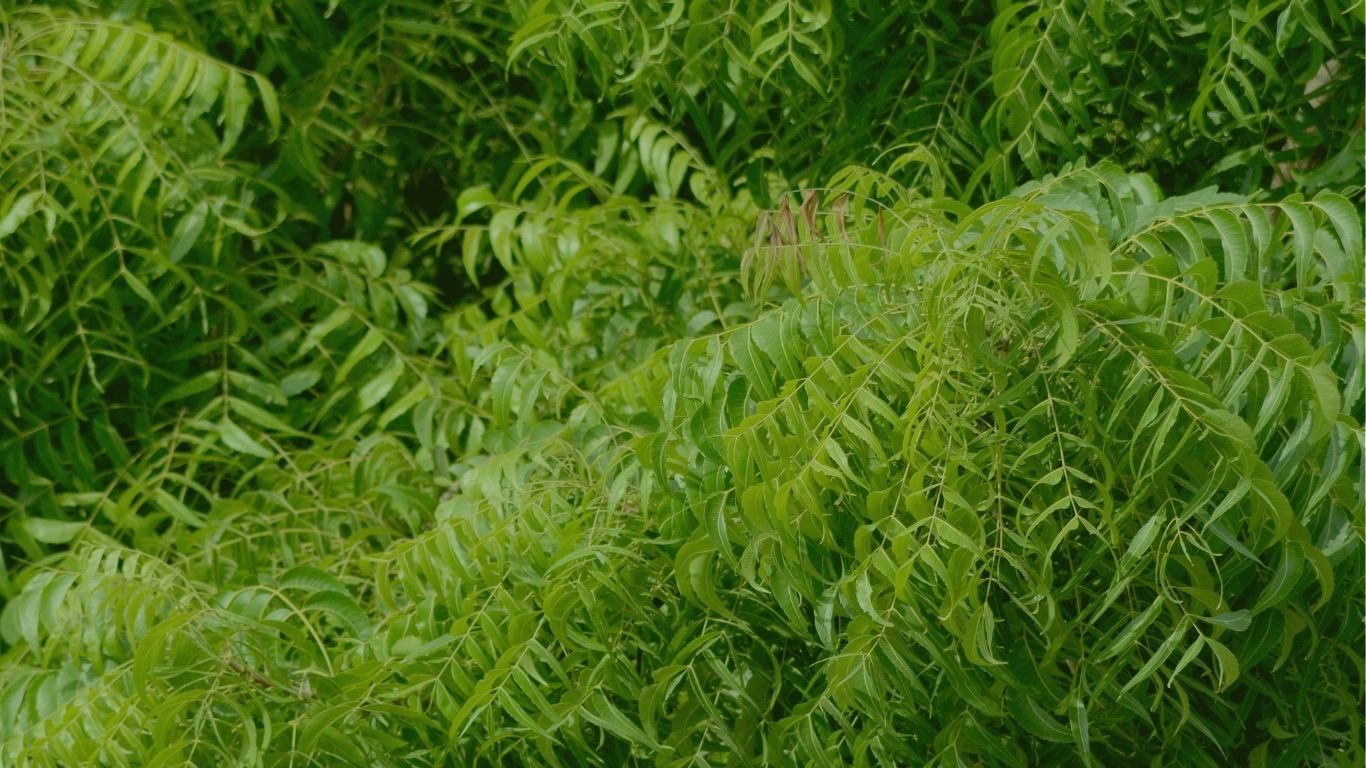
Azadirachta Indica, the Neem tree, is a member of the Mahogany family, Meliaceae. It is a fast-growing evergreen tree, native to the Indian subcontinent and parts of Southeast Asia, but has now been introduced to many other arid regions across the globe. The tree is remarkably resilient, capable of thriving in poor soils and under high temperatures, a characteristic that has earned it the name “the village pharmacy” in many cultures. Every part of the Neem tree—leaves, bark, seeds, flowers, and fruit—has been utilized in traditional medicine for its potent therapeutic properties.
Historically, Neem has been used to treat a staggering variety of conditions. Its twigs served as primitive toothbrushes, its leaves were applied to wounds and skin diseases, and its oil was used as an insect repellent and for treating various dermatological issues. Its key active compounds, such as azadirachtin, nimbin, and nimbidin, are credited with its anti-inflammatory, antifungal, antiviral, and antiseptic qualities. It is from this rich history of ethnobotanical use that homeopathy drew inspiration to create a potentized remedy.
Extraction and Preparation of Potencies
The process of creating a homeopathic remedy is known as potentization, a method that involves serial dilution and succussion (vigorous shaking). For Azadirachta Indica, the mother tincture is typically prepared from the fresh bark or leaves of the Neem tree. The plant material is cleaned, crushed, and then macerated (soaked) in a mixture of alcohol and water. This process allows the soluble active principles of the plant to be extracted into the liquid, resulting in the mother tincture, denoted as Φ (Phi) or simply as “Q” for quintessence in some systems.
From this mother tincture, the various potencies are prepared. The centesimal (C) potency scale, commonly used in homeopathy, follows a specific procedure. One drop of the mother tincture is diluted in 99 drops of a diluent (usually alcohol and water) and then succussed vigorously. This results in a 1C potency. One drop of this 1C potency is then diluted in 99 drops of fresh diluent and succussed again to create a 2C potency. This process is repeated to achieve higher and higher potencies, such as 6C, 30C, 200C, and 1M (1000C).
As with all homeopathic remedies, the fundamental principle is that the process of potentization does not merely dilute the substance but also imprints its energetic or dynamic signature onto the solvent. This “memory” of the original substance is what homeopaths believe stimulates the body’s vital force to initiate a healing response. Lower potencies (like 6X, 6C, 30C) are often used for more localized, physical symptoms, while higher potencies (200C and above) are typically reserved for deeper, constitutional issues and are always selected based on the individual’s totality of symptoms by a qualified practitioner.
The Symptom Picture of Azadirachta Indica
A homeopathic remedy is not defined by a disease name but by a unique constellation of symptoms that it can produce in a healthy person (via provings) and, therefore, cure in a sick person. The symptom profile of Azadirachta Indica is quite distinct, with a strong focus on dermatological and oral complaints.
Key characteristics and modalities guiding its use include:
-
Skin Affections: This is the primary domain of Azadirachta Indica. The remedy is indicated for a variety of skin eruptions, particularly those that are pustular, vesicular, or accompanied by intense itching and burning. It is often thought of for conditions like eczema, psoriasis, acne, and urticaria (hives). A hallmark is the worsening of the itching and the overall condition from the heat of the bed and at night, compelling the patient to scratch, sometimes until the skin bleeds. The skin may appear red, inflamed, and covered in small pustules or vesicles.
-
Dental and Oral Health: Azadirachta Indica has a strong affinity for the gums and teeth. It is a leading remedy for spongy, bleeding gums, a sensation of looseness in the teeth, and toothache. The gums may be receded, inflamed (gingivitis), and painful. There is often a characteristic foul odor from the mouth. It is also indicated for tooth decay and associated neuralgic pains.
-
Febrile States: The remedy picture includes fevers, particularly those of an intermittent type, with marked periodicity. The fever may be accompanied by intense bone pains, a feeling of bodily soreness, and profound prostration. The patient may experience heat and burning in the palms and soles.
-
Modalities: Symptoms are generally worse at night, from the heat of the bed, and from warmth in general. There is often an aggravation from eating. Conversely, some relief may be found from cold applications and in the open air.
-
General Constitution: The typical Azadirachta Indica patient may feel weak, debilitated, and worn out. There is a notable lack of vital heat, and the patient may feel chilly. The mental state can include anxiety and restlessness, often driven by the discomfort of the physical symptoms.
Therapeutic Uses and Clinical Applications
Based on its symptom picture, Azadirachta Indica is employed in homeopathic practice for a range of specific conditions.
-
Chronic Skin Diseases: It is one of the first remedies considered for stubborn, itchy skin conditions. For a patient with eczema that worsens at night, with raw, burning skin after scratching, Azadirachta Indica can provide significant relief. It is also used in the management of acne, especially when the lesions are pustular and painful, and in urticaria where the welts are red and intensely itchy.
-
Periodontal Disorders: For patients suffering from chronic gingivitis with bleeding, receding, and spongy gums, or for those experiencing tooth mobility and pain, this remedy can help strengthen the gums and reduce inflammation and bleeding. It is often used as a supportive treatment alongside conventional dental care.
-
Intermittent Fevers: In cases of fevers that recur at regular intervals, accompanied by severe bone pain and exhaustion, Azadirachta Indica can help break the febrile cycle and support recovery. Its use in malaria-like fevers is a reflection of its traditional applications.
-
Worm Infestations: Reflecting its traditional use as an anthelmintic, the homeopathic preparation is also sometimes used for intestinal worm infestations, particularly in children, where the characteristic symptoms align.
It is crucial to understand that a homeopath does not prescribe Azadirachta Indica for “psoriasis” or “gingivitis” as a diagnosis. Instead, the prescription is based on the individual’s unique expression of the illness. Two patients with the same medical diagnosis may require completely different homeopathic remedies because their symptom patterns, modalities, and general sensations differ.
Side Effects and Safety Considerations
Homeopathic medicines, due to their high dilution, are generally considered safe and non-toxic when manufactured correctly. They are not known to cause direct pharmacological side effects or drug interactions in the conventional sense.
However, two phenomena are important to note. The first is a “homeopathic aggravation,” a temporary intensification of existing symptoms that can occur after taking a well-selected remedy. This is seen as a positive sign that the vital force is responding to the medicine. The aggravation is usually short-lived and is followed by improvement. The second possibility is the appearance of new, transient symptoms related to the remedy’s pathogenetic picture; these also typically resolve quickly.
As with any homeopathic remedy, self-prescribing for chronic or serious conditions is not advisable. The selection of the correct potency and repetition schedule requires professional expertise. It is always imperative to seek a diagnosis from a qualified medical doctor for any persistent or severe health issue. Homeopathy should be viewed as a complementary system used alongside, not as a replacement for, conventional medical care.
Prevention and Constitutional Prescribing
While homeopathy is often sought for treating active disease, its principles are deeply rooted in the concept of strengthening the individual’s constitution to prevent illness. A constitutionally prescribed remedy, chosen based on a person’s physical, mental, and emotional totality, is believed to enhance overall resilience.
Azadirachta Indica is not typically considered a major constitutional polychrest like Sulphur or Lycopodium. However, an individual who consistently exhibits the Azadirachta Indica symptom picture—prone to recurrent skin eruptions, gum problems, and intermittent fevers with profound weakness—may benefit from this remedy at a constitutional level to prevent the recurrence of these patterns. A skilled homeopath would make this determination after a thorough case analysis.
Comparisons with Other Homeopathic Remedies
A remedy’s identity is often clarified by contrasting it with similar medicines. Here is how Azadirachta Indica compares to other common homeopathic remedies for skin and gum issues.
-
Azadirachta Indica vs. Sulphur: Sulphur is perhaps the most frequently used remedy for chronic skin diseases. Both remedies have intense itching worsened by heat and washing. However, the Sulphur patient is typically “hot,” with a red-faced, flushed appearance, and is worse from bathing. The skin eruption of Sulphur is often dry, scaly, and dirty-looking, whereas Azadirachta Indica tends more towards moist, pustular eruptions. Mentally, Sulphur patients are often philosophical but neglectful of their appearance, while the Azadirachta mental state is dominated by the anxiety of the physical suffering.
-
Azadirachta Indica vs. Graphites: Graphites is another key skin remedy, indicated for moist, oozing eruptions that exude a sticky, honey-like discharge. The Graphites patient is often obese, chilly, and constipated. The itching of Graphites is worse from warmth, like Azadirachta, but the presence of the thick, glutinous discharge is a key differentiator. Azadirachta eruptions are more pustular and burning without this characteristic discharge.
-
Azadirachta Indica vs. Merc Sol (Mercurius Solubilis): Both remedies are excellent for gum and mouth affections. Merc Sol is indicated for spongy, bleeding gums, foul breath, and increased salivation. The key distinction lies in the pronounced sensitivity of the Merc Sol patient; they are worse from both heat and cold, and their pains are characteristically tearing and worsening at night. Azadirachta’s oral symptoms, while similar, are more directly linked to the general modality of being worse from heat and at night, without the same extreme duality of Merc Sol.
-
Azadirachta Indica vs. Arsenicum Album: Arsenicum is a premier remedy for anxious, restless patients with burning pains. The burning of Arsenicum is relieved by heat, which is the direct opposite of Azadirachta, where heat aggravates. An Arsenicum patient with eczema will be fastidious, anxious about their health, and feel better with warm applications, while an Azadirachta patient will be restless from itching made worse by the warmth of the bed.
Frequently Asked Questions (FAQs) about Homeopathic Azadirachta Indica
Q1: What is homeopathic Azadirachta Indica, and what is its common name?
A: Homeopathic Azadirachta Indica is a natural remedy prepared from the Neem tree. In homeopathy, the raw substance (most commonly the bark or leaves) undergoes a specific process of serial dilution and succussion (vigorous shaking) to create various “potencies.” It is not used in its raw herbal form but in this highly diluted, dynamized preparation that homeopaths believe stimulates the body’s self-healing response.
Q2: For which health conditions is Azadirachta Indica most commonly used?
A: Its primary use is for skin and mucous membrane conditions. The most common applications include:
-
Skin Issues: Eczema, psoriasis, acne, urticaria (hives), and other itchy, pustular eruptions that worsen with heat and at night.
-
Oral Health Problems: Spongy, bleeding gums (gingivitis), toothache, loose teeth, and foul breath.
-
Febrile States: Intermittent fevers accompanied by bone pain and profound weakness.
It is crucial to remember that homeopathy treats the individual, not the disease label. A homeopath will prescribe it based on your unique set of symptoms, not just a diagnosis.
Q3: How is Azadirachta Indica different from using neem oil or neem leaves directly?
A: This is a key distinction. Using neem leaves or oil directly is a form of herbal medicine. The active biochemical compounds (like azadirachtin) are present in concentrated form, which can have pharmacological effects, such as being a potent antiseptic or insect repellent. Homeopathic Azadirachta Indica, especially in higher potencies, contains little to no measurable molecules of the original substance. Its action is based on the homeopathic principle of “like cures like,” where a substance that can cause symptoms in a healthy person is used in a diluted form to cure similar symptoms in a sick person. The approach, preparation, and proposed mechanism of action are fundamentally different.
Q4: What are the typical potencies of Azadirachta Indica, and how do I choose one?
A: It is available in a range of potencies, such as 6C, 30C, 200C, and 1M. Lower potencies like 6C or 30C are often used for more localized, physical symptoms (e.g., a minor skin rash or gum irritation) and can sometimes be used for self-care. Higher potencies (200C and above) are typically reserved for chronic, deep-seated conditions and should only be selected by a qualified homeopathic practitioner after a thorough consultation. If you are unsure, it is always best to seek professional guidance.
Q5: Are there any side effects of taking homeopathic Azadirachta Indica?
A: Due to the high dilutions, homeopathic medicines are generally considered safe, non-toxic, and free from conventional drug-like side effects. However, two phenomena are sometimes observed:
-
Homeopathic Aggravation: A temporary, mild worsening of existing symptoms can occur immediately after taking the remedy. This is often seen as a positive sign that the body is responding and is usually followed by improvement.
-
Proving Symptoms: If taken unnecessarily or for a long time without indication, it may potentially cause mild, transient symptoms that match its drug picture (e.g., a slight rash or itching).
Always stop the medicine if you feel unwell and consult your homeopath.
Q6: Can I use Azadirachta Indica for my child’s acne or eczema?
A: Yes, it can be a very suitable remedy for children, especially if their symptoms match the characteristic picture. If a child has itchy, red skin that they scratch raw, especially if it disturbs their sleep by worsening from the heat of the bed, Azadirachta Indica may be indicated. However, it is highly recommended to have a child’s persistent skin condition properly diagnosed by a pediatrician or dermatologist and to consult with a homeopath for the correct remedy and potency.
Q7: How does Azadirachta Indica compare to other common homeopathic skin remedies like Sulphur?
A: This is a common and important question. While both are used for itchy skin worse from heat, key differences exist:
-
Sulphur: The skin is often dry, rough, and dirty looking. The Sulphur patient is typically very “hot,” throws off blankets, and feels worse from bathing. They may have a philosophical or untidy disposition.
-
Azadirachta Indica: The eruptions are more likely to be moist, pustular, or vesicular. The itching is intensely worse at night, specifically from the heat of the bed, leading to restless scratching until the skin bleeds. The mental state is more dominated by the anxiety and restlessness caused by the physical discomfort.
Q8: Can this remedy be taken alongside my conventional medications?
A: Homeopathic medicines are generally considered compatible with conventional medications because they do not interact pharmacologically. They work on a different, energetic principle. However, it is essential to maintain open communication with all your healthcare providers. You should inform both your medical doctor and your homeopath about all the medicines and supplements you are taking to ensure coordinated and safe care. Never discontinue prescribed medication without consulting your doctor.
Q9: Where can I purchase homeopathic Azadirachta Indica?
A: It is available in many health food stores, specialty pharmacies, and through numerous reputable online retailers that specialize in homeopathic products. Ensure you are purchasing from a trusted source that follows good manufacturing practices.
Q10: Is professional consultation necessary, or can I self-prescribe?
A: For a single, acute, and minor issue (e.g., a brief episode of hives with the characteristic symptoms), self-prescribing a low potency may be attempted. However, for any chronic, recurring, or serious health condition like persistent psoriasis, severe acne, or gum disease, a consultation with a qualified homeopath is strongly advised. They can conduct a full case analysis to determine if Azadirachta Indica is the correct remedy for your constitution or if another remedy would be more effective. Self-treatment for chronic conditions can often lead to suppression of symptoms or mismanagement.