Table of Contents
ToggleHomeopathic Medicine Calotropis: A Comprehensive Guide
In the vast and intricate world of homeopathy, few remedies present such a stark portrait of violent physical suffering and profound mental anguish as Calotropis. Derived from a plant known for its toxicity and majestic beauty, Calotropis occupies a unique niche, prescribed for a specific set of symptoms that mirror the plant’s own aggressive nature. This article delves into the origin, preparation, characteristic symptoms, clinical uses, and nuanced place of Calotropis within the homeopathic materia medica.
Origin and Botanical Background
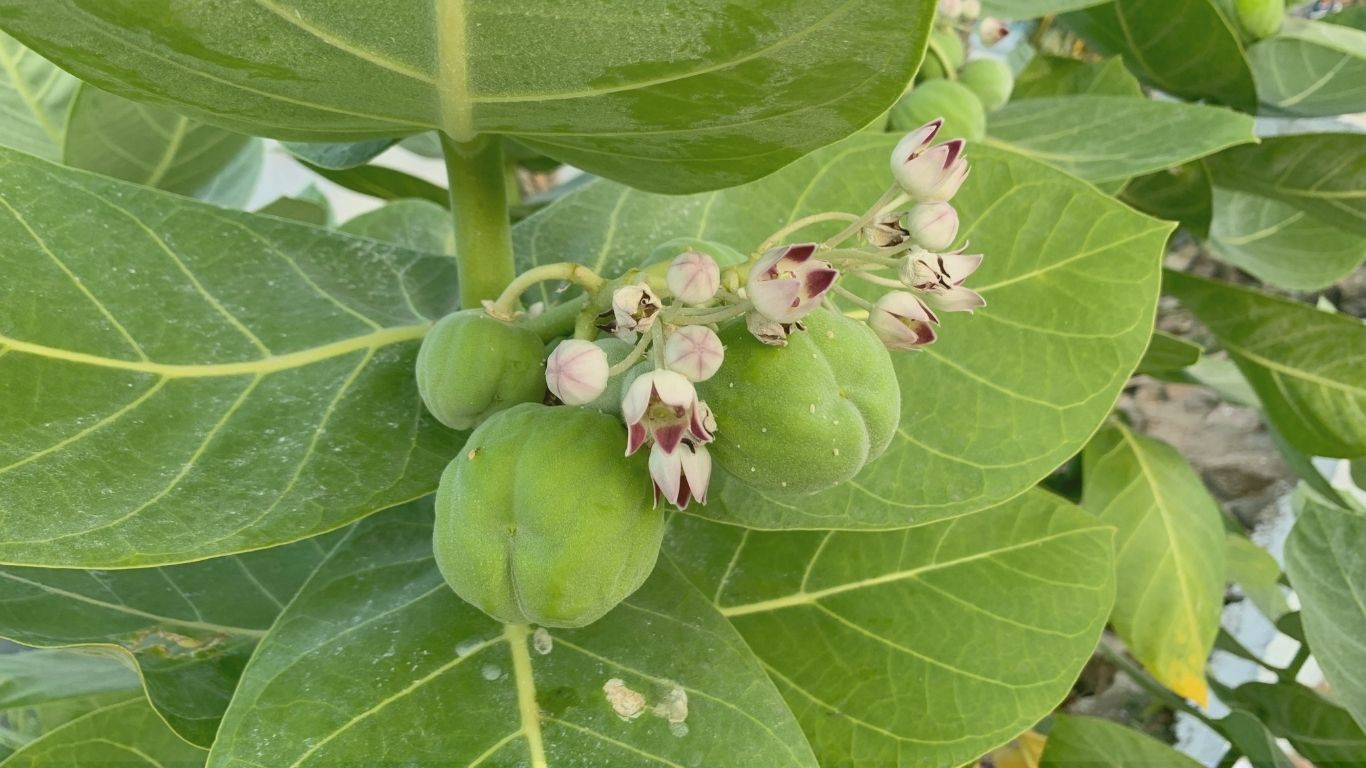
Calotropis is prepared from Calotropis gigantea, commonly known as the Crown Flower or Giant Milkweed. This resilient shrub is native to the Indian subcontinent, Southeast Asia, and parts of Africa, often thriving in arid, rocky wastelands where few other plants survive. It is a plant of contradictions: it bears beautiful, waxy lavender or white flowers with a regal, crown-like structure, adored in Hindu rituals and used to make garlands for deities. Yet, every part of the plant exudes a copious, acrid, milky latex that is highly toxic and a known irritant.
Historically, this latex was used in traditional medicine for its vesicant (blister-raising) properties and even in arrow poisons. The homeopathic remedy, true to the principle of “like cures like,” takes this dangerous substance and, through a process of serial dilution and succussion (vigorous shaking), transforms it into a dynamic healing agent. The proving of Calotropis, conducted by homeopaths to understand its symptom picture, revealed its profound action on the mucous membranes, skin, and nervous system.
Extraction and Preparation of Potencies
The homeopathic mother tincture of Calotropis is typically prepared from the fresh, milky latex of the plant. This latex is collected carefully and then undergoes the standard homeopathic process of potentization.
The method begins with a single drop of the latex being mixed with 99 drops of a diluent (usually a water-alcohol mixture). This mixture is then succussed forcefully to create the 1C potency. To make a 2C potency, one drop of the 1C is added to 99 fresh drops of diluent and succussed again. This process is repeated sequentially to produce the range of potencies homeopaths use. Common potencies for Calotropis in clinical practice include 6C, 30C, 200C, and even 1M (1000C) for deeper, constitutional cases.
It is crucial to understand that homeopathic potencies are not measures of chemical concentration but of bio-energetic information. The higher the potency, the more “deep” and less material the remedy is considered, acting on the vital force or energetic level of the patient. The selection of potency depends on the individual’s symptom similarity, vitality, and the nature of the illness—acute or chronic.
The Characteristic Symptom Picture of Calotropis
A homeopathic remedy is defined by its unique constellation of symptoms—mental, emotional, and physical. Calotropis paints a particularly vivid and distressing picture.
Mental and Emotional State: The Calotropis patient is often in a state of profound weakness and prostration, both mental and physical. There is a marked indifference—a lack of concern for family, work, or even their own illness. This can be accompanied by irritability and a desire to be left alone. A key mental symptom is a peculiar confusion about one’s own identity or a feeling of being separated from oneself. Anxiety and restlessness may be present, but they are overshadowed by overwhelming lethargy and despair.
Physical Symptoms and Modalities: The physical guiding symptoms are where Calotropis becomes unmistakable.
-
Digestive System: This is a primary arena for Calotropis. It is a leading remedy for violent, exhaustive vomiting and diarrhea, often occurring together. The vomiting is sudden, forceful, and copious, sometimes projectile. The diarrhea is profuse, watery, and gushing, likened to “rice-water” stools similar to those in cholera. This leads to extreme collapse: cold, clammy skin, a bluish pallor (cyanosis), a weak, threadlike pulse, and severe cramping in the calves and abdomen. All this is accompanied by an unquenchable thirst for cold water, which is often vomited as soon as it becomes warm in the stomach.
-
Respiratory System: Calotropis affects the lungs with a characteristic rattling cough with copious, loose mucus that the patient is too weak to expectorate. You can hear the death rattle in the chest. It is indicated in advanced stages of pneumonia, bronchitis, or COPD where the patient is sinking, cold, and bathed in sweat.
-
Skin: Reflecting its vesicant origin, Calotropis can be used for blistering eruptions, ulcers, and warts. The skin may be cold and blue.
-
Modalities: Symptoms are worse from motion, at night, and from cold. They are better from warmth and rest.
Clinical Uses and Applications
Given this symptom profile, Calotropis finds its application in specific, often severe clinical situations:
-
Gastroenteritis and Cholera-like Conditions: It is a prime remedy for acute, violent gastrointestinal infections with simultaneous vomiting and diarrhea leading to rapid dehydration and collapse. It is considered when the patient’s vitality is plummeting, and they exhibit the characteristic coldness, cyanosis, and thirst.
-
Advanced Respiratory Failure: In palliative or critical care, homeopaths may consider Calotropis for patients in the terminal stages of lung disease, with a chest full of mucus they cannot cough up, extreme weakness, and cold sweats.
-
Severe Weakness and Prostration: Any acute disease that leads to sudden, catastrophic loss of vitality, mimicking shock, can call for Calotropis.
-
Skin Affections: For blistering disorders or stubborn ulcers that fit the overall constitutional picture of the remedy.
It is vital to note that in severe, life-threatening conditions like cholera or advanced pneumonia, homeopathic care should be complementary and not a substitute for urgent conventional medical intervention, such as intravenous rehydration or oxygen therapy.
Side Effects and the Concept of “Aggravation”
In conventional terms, homeopathic medicines in high potencies are generally considered safe and non-toxic due to their extreme dilution. There is no chemical overdose. However, within homeopathic philosophy, there is a phenomenon known as a “homeopathic aggravation.”
This is a temporary intensification of existing symptoms following the correct remedy, seen as a sign that the vital force has been stirred and is beginning to react. A Calotropis aggravation might involve a brief worsening of the vomiting or lethargy before improvement begins. An experienced homeopath distinguishes this healing aggravation from a worsening of the disease state. If the wrong remedy is given, or the potency is too high for the patient’s state, it may simply produce no effect or produce new, unrelated symptoms, indicating a mismatch.
Prevention and Constitutional Prescribing
Homeopathy is primarily a system of individualized treatment rather than mass prophylaxis. The idea of a “Calotropis constitution” is not as well-defined as for remedies like Sulphur or Lycopodium. However, a person who might benefit from Calotropis in an acute crisis could be one with a tendency to sudden, violent physical reactions leading to rapid collapse. Preventatively, it is not used like a vaccine.
Its use is almost exclusively in acute, serious pathology or in the management of chronic degenerative states that mirror its acute picture. The “prevention” it offers is the resolution of the acute disease state when the symptom similarity is precise.
Comparisons with Other Homeopathic Remedies
To fully grasp Calotropis, it must be contrasted with its closest peers:
-
Versus Arsenicum Album: Both are remedies for violent vomiting and diarrhea with extreme prostration, coldness, and fear. Arsenicum patients, however, are restless, anxious, and perfectionistic, fearing death and wanting company. Their thirst is for small sips of water. The Calotropis patient is indifferent, drowsy, and desires to be left alone, with a thirst for large gulps of cold water. Arsenicum has burning pains; Calotropis has gushing evacuations.
-
Versus Veratrum Album: This is perhaps the closest analogue. Veratrum also features copious, forceful vomiting and diarrhea with cold sweat and collapse. The key differences are in the mental state and thirst. The Veratrum patient is often criticizing, preaching, or indulging in manic behavior, and they crave large quantities of ice-cold drinks and fruit. Calotropis is marked by indifference and identity confusion, with thirst for cold water that is later vomited.
-
Versus Carbo Vegetabilis: Both deal with collapse, coldness, and cyanosis (blueness). Carbo Veg is the “corpse reviver,” for patients who seem almost dead, with sluggish circulation and a desire to be fanned. Their digestion is slow with flatulence. Calotropis collapse is accompanied by the active, violent evacuation and the peculiar mental state.
-
Versus Antimonium Tartaricum: Both have rattling mucus in the chest with weakness. Antimonium Tart is for children or the elderly who are drowsy, irritable, and too weak to cough, with a moist, crackling chest. Calotropis has this symptom but within the broader context of GI collapse and identity confusion.
Frequently Asked Questions (FAQs) About Homeopathic Medicine Calotropis
Q1: What is Calotropis, and where does it come from?
A: Calotropis is a homeopathic medicine prepared from the milky latex (sap) of the Calotropis gigantea plant, commonly known as the Crown Flower or Giant Milkweed. This plant is native to parts of Asia and Africa. In its raw form, the plant’s latex is toxic and a known skin irritant. Through the homeopathic process of serial dilution and succussion (vigorous shaking), this substance is transformed into a dynamic remedy used to treat specific patterns of illness.
Q2: What are the main health conditions Calotropis is used for?
A: Calotropis is primarily considered in homeopathy for severe, acute conditions marked by rapid collapse and violent symptoms. Its main uses include:
-
Violent gastroenteritis: Characterized by simultaneous, profuse, gushing vomiting and diarrhea, leading to extreme dehydration and weakness.
-
Advanced respiratory weakness: For a rattling cough with copious mucus in the chest, where the patient is too weak to expel it, often seen in late-stage pneumonia or bronchitis.
-
States of profound prostration: When a patient experiences sudden physical and mental collapse, coldness, and a bluish pallor.
Q3: How does Calotropis differ from other common homeopathic remedies for diarrhea like Arsenicum or Podophyllum?
A: While all three can treat diarrhea, their specific symptom pictures differ:
-
Calotropis: Diarrhea and vomiting occur together violently and profusely. The patient is indifferent, drowsy, and desires to be left alone, with a thirst for large gulps of cold water.
-
Arsenicum Album: Diarrhea is burning and accompanied by intense restlessness, anxiety, and fear. The patient is chilly but desires small sips of water and seeks company.
-
Podophyllum: Diarrhea is painless, gushing, and explosive, often worse in the early morning. The patient may have liver involvement and feel better lying on the abdomen.
Q4: What are the mental or emotional symptoms of a person needing Calotropis?
A: The mental state is a key indicator. A Calotropis patient typically exhibits profound indifference and apathy. They show no concern for their family, work, or even their own illness. They may be irritable and want to be alone. A peculiar symptom is a confusion about one’s own identity or a feeling of being detached from oneself, alongside the dominant physical exhaustion.
Q5: Are there any side effects of taking Calotropis?
A: Due to the extreme dilutions used in homeopathic preparation, Calotropis is not chemically toxic and does not have drug-like side effects. However, as with any correctly matched homeopathic remedy, a “homeopathic aggravation” is possible. This is a temporary, mild intensification of existing symptoms, seen as a sign the body is responding to the remedy. If new or unrelated symptoms appear, it may indicate the remedy is not well-matched and should be discontinued.
Q6: Can Calotropis be used for prevention, like for traveler’s diarrhea?
A: Homeopathy is generally not used as a broad-spectrum preventive measure like a vaccine. Its prescription is based on the individual’s specific, presenting symptoms. While a homeopath might prescribe it at the very first signs of violent vomiting and diarrhea with the characteristic collapse and indifference, it is not typically used as a routine preventive for traveler’s diarrhea in a general population.
Q7: What potency of Calotropis is commonly used, and how often should it be taken?
A: Potency and dosage are highly individualized. For acute, severe conditions like violent gastroenteritis, lower potencies (like 6C or 30C) may be used more frequently (e.g., every 30 minutes to 2 hours) until symptoms clearly improve, after which doses are stopped. For deeper, constitutional prescriptions in chronic cases, higher potencies (200C, 1M) are used infrequently under the guidance of a qualified homeopath. Self-prescribing in serious acute illnesses is not advisable.
Q8: Can Calotropis be taken alongside conventional medicine?
A: Yes, homeopathic medicines are generally compatible with conventional medications as they operate on a different, non-biochemical principle. However, it is crucial to inform all your healthcare providers about every treatment you are using. In life-threatening situations like severe dehydration from cholera-like symptoms, conventional emergency care (e.g., IV fluids) is essential, and homeopathy can be used as a complementary support.
Q9: Is Calotropis safe for children and pregnant women?
A: Homeopathically prepared Calotropis is considered safe for all age groups when prescribed according to the principle of symptom similarity. However, due to the seriousness of the conditions it treats (like severe dehydration), administering it to children or during pregnancy should only be done under the supervision of a professional homeopath in conjunction with necessary conventional medical care.
Q10: How long does it take for Calotropis to work?
A: In the acute, violent conditions for which it is best known, a well-matched dose of Calotropis can initiate a response quite quickly, sometimes within minutes to an hour. The frequency of dosing will decrease as the violent symptoms (vomiting, diarrhea) subside and the patient’s vitality and warmth begin to return. If no positive change is observed after several doses in an acute setting, the remedy choice should be re-evaluated.
Conclusion
Calotropis gigantea, the Crown Flower, stands as a monarch in the homeopathic kingdom—a remedy of immense power and specificity. It is not a polychrest for everyday ailments but a precise tool for moments of critical physical collapse, where the vital force is ebbing rapidly amidst violent evacuations and profound mental withdrawal. Its value lies in its clear, albeit severe, symptom picture: the gushing diarrhea and vomiting, the cold, bluish collapse, the rattling chest, the overwhelming indifference, and the thirst for cold water. By understanding its distinctions from remedies like Arsenicum and Veratrum, the homeopath can wield Calotropis with precision, offering a potential pathway to stabilization and recovery when the body’s systems are in a state of tumultuous failure. It serves as a potent reminder of homeopathy’s foundational principle: that which can cause can also cure, and that even from the latex of a toxic wasteland plant, a profound healing stimulus can be born.