Table of Contents
ToggleThe Delicate Power of Cyclamen: A Deep Dive into the Homeopathic Medicine Cyclamen.
In the intricate world of homeopathy, where remedies are drawn from the plant, mineral, and animal kingdoms, the common sowbread plant, known to homeopaths as Cyclamen, presents a fascinating portrait. It is a remedy of profound subtlety, often indicated for individuals whose physical ailments are deeply intertwined with a sensitive and emotional inner world. To understand Cyclamen is to understand a state of being where disappointment and emotional upheaval manifest in a cascade of peculiar and characteristic physical symptoms, particularly affecting the senses, circulation, and female reproductive health.
Origin and Extraction: From Garden Flower to Homeopathic Tincture
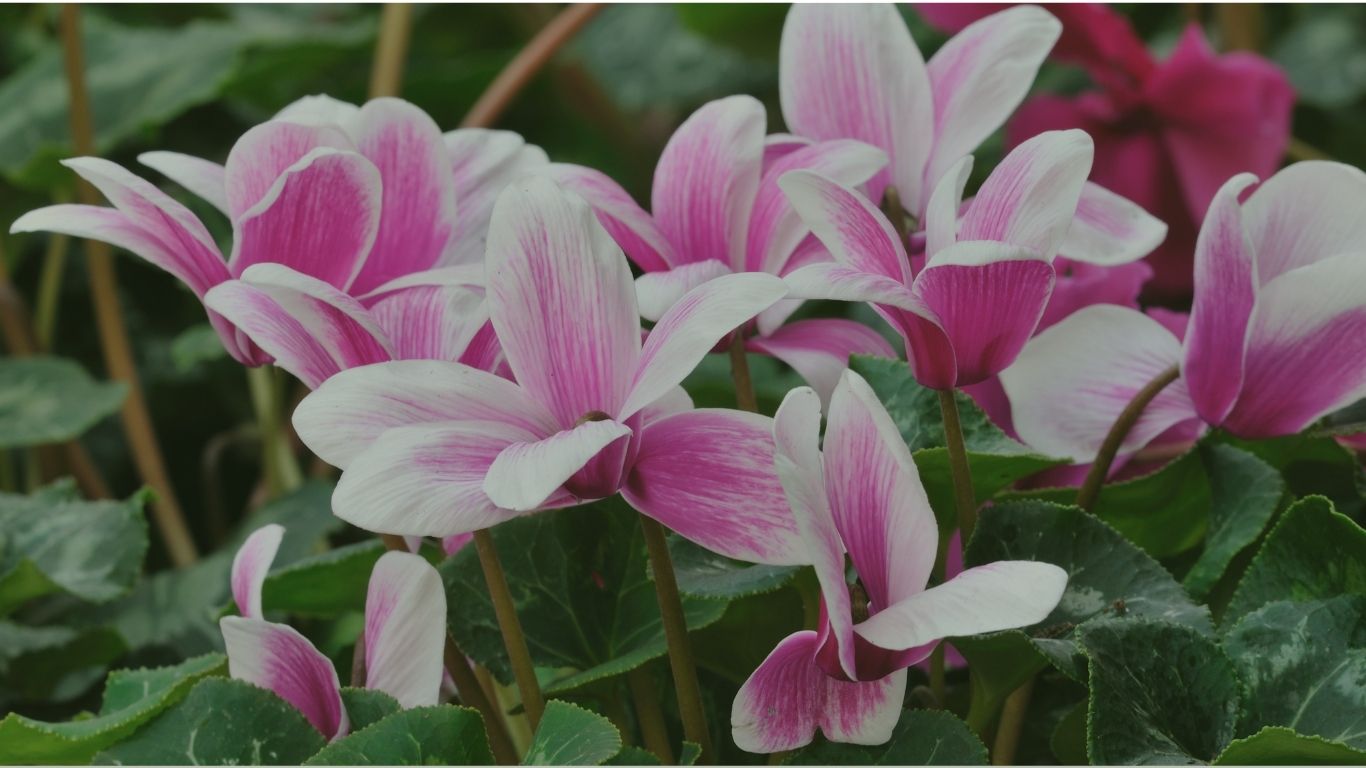
The cyclamen plant, belonging to the Primulaceae family, is a familiar sight in many gardens and homes, celebrated for its elegant, reflexed petals in shades of pink, purple, and white. The homeopathic remedy, however, is specifically prepared from Cyclamen europaeum, a species native to parts of Europe. The name “sowbread” originates from the fact that wild boars were known to dig up and eat the plant’s tuberous roots.
The process of creating the homeopathic mother tincture is meticulous and follows the principles established by Samuel Hahnemann. The fresh root of the Cyclamen plant, harvested at the peak of its flowering period, is used to ensure the full vitality of the plant is captured. This root is then chopped, pounded, and macerated in a mixture of alcohol and water. This period of maceration allows the essential energetic imprint of the plant to be transferred to the liquid solvent. After this, the mixture is strained, and the resulting liquid is the mother tincture, designated as “Cyclamen Ø”.
It is from this mother tincture that the various potencies are prepared. The process of potentization is central to homeopathy and involves serial dilution and succussion (vigorous shaking). For lower potencies like 6C or 30C, a drop of the mother tincture is diluted in a specific ratio of alcohol and water (typically 1:99 for centesimal or “C” potencies) and succussed. This process is repeated for the desired number of times. Higher potencies, such as 200C, 1M, or even 10M, undergo this process many more times. Despite the high level of dilution, homeopaths believe that succussion transfers the informational energy pattern of the substance into the dilution, making it more, not less, potent therapeutically.
The Portrait of a Cyclamen Patient: Key Symptoms and Indications
Homeopathy is a system of individualized medicine, and a remedy is chosen based on the totality of a person’s unique physical and psychological symptoms. The picture of Cyclamen is remarkably distinct, painting a portrait of an individual, often a woman, who is prone to a specific kind of emotional and physical suffering.
Mental and Emotional Symptoms:
The core of the Cyclamen state is a feeling of having been wronged, leading to a profound sense of guilt and self-reproach. The individual is frequently tearful, but these are not tears of anger; they are tears of sadness and regret, often shed in solitude. There is a marked tendency to dwell on past mistakes and perceived misdeeds. A peculiar symptom is that their mood and physical symptoms are often worse in the evening and from resting, and better from brisk motion in the open air. They may feel an aversion to company, wishing to be left alone with their thoughts. This emotional state can lead to a kind of mental paralysis where they neglect their duties and feel unable to cope with the demands of life.
Physical Symptoms and Uses:
The emotional turmoil in a Cyclamen patient finds clear expression in their physical body. The symptoms are often one-sided and involve a distortion of perception.
-
Vision and Headaches: Visual disturbances are a hallmark of Cyclamen. The patient may see flickering, shimmering lights, zig-zags, or sparks before their eyes. There is often a sensation that objects are moving or appear smaller than they really are (micropsia). These visual auras frequently precede one of its classic indications: a blinding, violent headache. This headache is typically one-sided (left-sided is common) and can be accompanied by nausea and vomiting. It is often aggravated by the slightest motion and improved by rest, cold applications, and in the open air.
-
Menstrual and Female Reproductive Issues: Cyclamen is a premier remedy for a range of menstrual disorders, especially in women who fit the emotional picture. The menses are often profuse, late, and accompanied by dark, clotted blood. A characteristic symptom is that the flow is markedly worse during the day and ceases or is scanty at night, only to return with force the next morning. There may be bearing-down pains in the uterus and labor-like cramps. These menstrual troubles are frequently triggered or worsened by emotional distress.
-
Digestive Complaints: The digestive system is another area of disturbance. There can be a complete loss of appetite, sometimes with an aversion to meat and rich food. A peculiar but strong symptom is a distorted sense of taste; food that is salty may taste sweet, and vice-versa. Nausea is common and can be triggered by the smell or sight of food, especially rich, fatty food.
-
Circulatory Symptoms: The patient may suffer from coldness, particularly in the hands and feet. There can be a sensation of icy coldness running up and down the back. This is coupled with general weakness and faintness, which aligns with the overall picture of debility and lack of vital force.
-
Respiratory and Catarrhal Conditions: Cyclamen can be indicated for colds with thick, bland (non-irritating) nasal discharge that causes a raw, sore sensation on the upper lip. There may also be sneezing and a cough that is worse in the evening.
Potency, Dosage, and Potential Side Effects
In homeopathic practice, the selection of potency is as crucial as the selection of the remedy itself and is best determined by a qualified practitioner. Lower potencies (6C, 12C, 30C) are often used for more localized, physical symptoms and may require more frequent repetition. Higher potencies (200C and above) are typically chosen for deep-seated, chronic conditions where the mental and emotional picture is very clear, and they are administered less frequently.
A significant aspect of homeopathic treatment is the concept of the “healing aggravation.” After taking a correctly chosen remedy, it is not uncommon for a patient to experience a temporary intensification of their existing symptoms. This is seen as a positive sign that the vital force has been stimulated and is beginning to respond. This aggravation is usually short-lived and is followed by improvement. Because of this, and due to the highly individualized nature of homeopathy, self-prescribing for serious or chronic conditions is not advisable.
Since homeopathic remedies are ultra-diluted, they are generally considered safe and non-toxic. The risk of direct side effects or drug interactions is minimal. However, an incorrectly chosen remedy will simply not work, and a prolonged use of a poorly matched remedy could, in theory, potentially suppress symptoms or lead to the development of new ones. The primary “side effect” is the temporary healing aggravation mentioned above.
Prevention and the Homeopathic Philosophy
Homeopathy does not operate on the principle of prevention in the same way as conventional medicine, such as with vaccines. Instead, its goal is to strengthen the individual’s vital force or inherent self-healing capacity. A person with a strong, balanced vital force is less susceptible to illness, both physical and emotional. From this perspective, a correctly prescribed constitutional remedy like Cyclamen, when it matches a person’s overall state, can help bring their system back into balance. This restored equilibrium makes them more resilient to the stresses and pathogens of life, thereby acting as a form of prevention against future illness. It is not that Cyclamen “prevents” headaches or menstrual pain specifically, but that it addresses the underlying susceptibility in the individual who is prone to experiencing those specific symptoms.
Comparative Analysis with Other Remedies
To fully appreciate Cyclamen, it is helpful to compare it with other homeopathic remedies that share some similar symptoms.
Cyclamen vs. Pulsatilla: This is one of the most important comparisons. Both remedies are often indicated for mild, gentle, tearful women with menstrual issues. However, the nature of the tears is different. A Pulsatilla patient is changeable, desires consolation and sympathy, and feels better from it. Their discharges are typically mild and yellowish-green. A Cyclamen patient, by contrast, wants to be alone with their grief, is filled with self-reproach, and their discharges are often dark and clotted. Pulsatilla’s symptoms are also generally worse from heat and better from cool, open air, while Cyclamen has more specific aggravations from rest and evening.
Cyclamen vs. Natrum Muriaticum: Both remedies cover ailments from grief and a desire to be alone. Natrum muriaticum individuals, however, harbor a deeper, more silent grief and find it difficult to cry in front of others. They are profoundly closed and can be resentful. Their headaches are often bursting in character, like a thousand little hammers knocking in the head, and they are intensely aggravated by the sun. Cyclamen’s grief is more focused on self-reproach, and their headaches are more associated with visual disturbances.
Cyclamen vs. Sepia: Sepia is a major remedy for female hormonal issues. The Sepia woman is indifferent, irritable, and exhausted. She feels dragged down and may have a bearing-down sensation as if everything will protrude from her vagina. She is better from vigorous exercise. While Cyclamen can share the bearing-down sensation and some irritability, the core emotional state of tearful self-reproach and the unique visual and taste disturbances are absent in Sepia.
Cyclamen vs. Gelsemium: For headaches, Gelsemium is a key comparison. Both can have dim vision and heaviness of the eyelids. However, the Gulsemium headache is typically a dull, heavy, bursting pain at the back of the head and neck, accompanied by profound weakness, trembling, and drowsiness. It is often brought on by anticipation or fear. The Cyclamen headache is more violent, one-sided, and preceded by sparkling, flickering visions.
Frequently Asked Questions (FAQs) About Homeopathic Medicine Cyclamen
Q1: What is the primary emotional picture of a person who would benefit from Cyclamen?
The core emotional state of a Cyclamen individual is one of self-reproach and guilt, often stemming from a feeling of having done something wrong or neglected a duty. They tend to be tearful, but unlike other remedies where tears seek comfort, Cyclamen patients often prefer to be alone with their sadness. They dwell on past mistakes and can feel a sense of moral failure. Their mood and physical symptoms are characteristically worse in the evening and from resting, and they feel better from brisk motion in the open air.
Q2: I get migraines with visual auras. How do I know if Cyclamen is right for me versus other homeopathic remedies?
Cyclamen is a top contender for migraines preceded by very specific visual disturbances. Key indicators that point to Cyclamen include:
-
Type of Aura: Seeing flickering, shimmering, or zig-zag lights, sparks, or a sensation that objects are moving or appear smaller than they are (micropsia).
-
Headache Character: The headache itself is often violent, blinding, and typically one-sided (often the left side).
-
Modalities: The pain is aggravated by the slightest movement but improves with rest, cold applications, and being in the open air.
It is differentiated from remedies like Gelsemium (dull, heavy, bursting pain with weakness and dizziness) or Natrum Muriaticum (bursting headache that feels like little hammers, worse from sun exposure).
Q3: My menstrual flow is heavy but seems to stop at night. Why is this a characteristic symptom for Cyclamen?
This is one of the most peculiar and characteristic symptoms guiding the use of Cyclamen. In homeopathy, such unique and specific symptoms are given high importance. For a Cyclamen patient, the menstrual flow is often profuse, dark, and clotted, but it has a distinct pattern of being scant or absent at night, only to return profusely upon rising in the morning. This reflects the overall modality of the remedy, where many symptoms are worse from rest and improved by motion. It signifies a particular imbalance in the vital force that Cyclamen is known to address.
Q4: Can Cyclamen be used for general sadness or depression?
Yes, but only if the specific features of the sadness match the Cyclamen picture. It is not a general remedy for all types of depression. It is specifically indicated when the low mood is dominated by guilt, self-reproach, and dwelling on past misdeeds. The person feels they are a bad person for something they did or failed to do. If the depression is characterized by a desire for sympathy (Pulsatilla), deep, silent grief (Natrum Muriaticum), or indifference and irritability (Sepia), then a different remedy would be more appropriate.
Q5: Are there any strange or peculiar symptoms associated with Cyclamen that can help identify it?
Absolutely. Homeopathy often relies on these “strange, rare, and peculiar” symptoms to pinpoint the correct remedy. For Cyclamen, these include:
-
Altered Taste: Food that is salty tastes sweet, and sweet things may taste salty or abnormal.
-
Visual Distortions: As mentioned, objects may appear to be moving or smaller than they are.
-
Day/Night Menstrual Flow: The cessation of flow at night and return in the morning.
-
Aggravation from Rich Food: The smell or sight of rich, fatty food can cause nausea.
Q6: Is Cyclamen safe to use for self-treatment? What potency should I start with?
For acute, minor issues like a headache that perfectly matches the Cyclamen picture, self-treatment with a low potency (such as 6C or 30C) can be attempted. However, due to the deep-seated emotional nature of many Cyclamen symptoms, it is often used as a constitutional remedy. A constitutional prescription requires a comprehensive assessment by a qualified homeopath to evaluate your entire physical, mental, and emotional state. For chronic conditions like recurring menstrual issues or depression, it is strongly recommended to consult a professional who can determine the correct remedy and potency (which could be much higher, like 200C or 1M) for lasting results.
Q7: What does a “healing aggravation” mean, and should I expect one with Cyclamen?
A healing aggravation is a temporary intensification of existing symptoms after taking a well-chosen homeopathic remedy. It is seen as a positive sign that the body’s healing energy has been activated. If you take Cyclamen and your headache or sadness briefly feels worse before improving, this could be a healing aggravation. It is usually short-lived. If symptoms persist or worsen significantly, it may indicate that the remedy is incorrect, and you should stop taking it and seek advice.
Q8: How is Cyclamen different from Pulsatilla? They both seem to be for tearful women.
This is a crucial distinction. While both can be for tearful women with menstrual issues, the core difference lies in the desire for consolation.
-
Pulsatilla: The person is changeable, soft, and yielding, and strongly desires sympathy and comfort. They feel much better when someone consoles them. Their discharges are typically mild and yellowish-green.
-
Cyclamen: The person wants to be left alone with their grief and self-reproach. They do not seek, and may even reject, consolation. Their discharges are often dark and clotted. Furthermore, Cyclamen has the specific visual and taste disturbances that Pulsatilla lacks.
Conclusion
Cyclamen stands as a remedy of great depth and specificity in the homeopathic materia medica. Its power lies in its ability to address a constellation of symptoms that bridge the emotional and physical realms, offering potential relief to those whose suffering is characterized by a sense of guilt, visual trickery, and female complaints that follow a distinct pattern. Like all homeopathic remedies, its successful application depends not on treating a disease name, but on a meticulous and holistic matching of the remedy’s unique symptom picture to the individual’s total expression of dis-ease.