High Cholesterol: Symptoms, Causes, Effects and Homeopathic Medicine for High Cholesterol.
Introduction
High cholesterol, also known as hypercholesterolemia, is a medical condition characterized by an elevated level of cholesterol in the
blood. Cholesterol is a waxy, fat-like substance that is found in all cells of the body. While cholesterol is essential for various bodily functions, such as hormone production and cell membrane formation, excessive levels can lead to several health problems.
Understanding Cholesterol:
Cholesterol is a fatty substance produced by the liver and obtained through dietary sources. It plays a crucial role in building cell
membranes, producing hormones, and aiding in the digestion of fats. Cholesterol is transported in the bloodstream by lipoproteins, primarily low-density lipoprotein (LDL) and high-density lipoprotein (HDL).
Types of Cholesterol:
- Low-Density Lipoprotein (LDL): Often referred to as “bad” cholesterol, LDL carries cholesterol from the liver to the cells. Excessive LDL cholesterol can lead to the buildup of plaque in the arteries, increasing the risk of atherosclerosis and cardiovascular diseases.
- High-Density Lipoprotein (HDL): Known as “good” cholesterol, HDL transports cholesterol away from the cells and back to the liver for elimination. Higher levels of HDL are associated with a lower risk of heart disease.
Causes of High Cholesterol:
Several factors contribute to the development of high cholesterol. Understanding these causes is crucial for effective prevention and
management:
- Unhealthy Diet: Diets rich in saturated and trans fats, found in red meat, full-fat dairy products, and processed foods, can elevate LDL cholesterol levels.
- Lack of Exercise: Physical inactivity can lead to weight gain and negatively impact cholesterol levels. Regular exercise helps raise HDL
cholesterol and lower LDL cholesterol. - Obesity:
Excess body weight, especially abdominal fat, is linked to higher levels of LDL cholesterol and lower levels of HDL cholesterol. - Genetics:
Family history plays a significant role in cholesterol levels. Some individuals may have a genetic predisposition to high cholesterol. - Smoking:
Tobacco smoke contains chemicals that can lower HDL cholesterol and damage blood vessel walls, increasing the risk of atherosclerosis. - Age and Gender: Cholesterol levels tend to rise with age, and women may experience changes in cholesterol levels during menopause.
Symptoms of High Cholesterol:
High cholesterol is often asymptomatic, meaning it may not present noticeable symptoms until it leads to more severe complications.
Regular cholesterol screenings are essential for early detection. In cases where symptoms do manifest, they may include:
- Angina:
Chest pain or discomfort that occurs when the heart muscle doesn’t receive enough oxygen-rich blood. - Peripheral Artery Disease (PAD):
- Reduced blood flow to the limbs, leading to pain or numbness, particularly during physical activity.
- Xanthomas:
Fatty deposits that form under the skin, often around the eyes, elbows, or knees. - Stroke:
A sudden disruption of blood flow to the brain due to a blood clot or burst blood vessel. - Heart
Attack: A blockage in the coronary arteries, leading to damage or death of part of the heart muscle.
Effects of High Cholesterol:
High cholesterol levels can have profound effects on cardiovascular health and overall well-being:
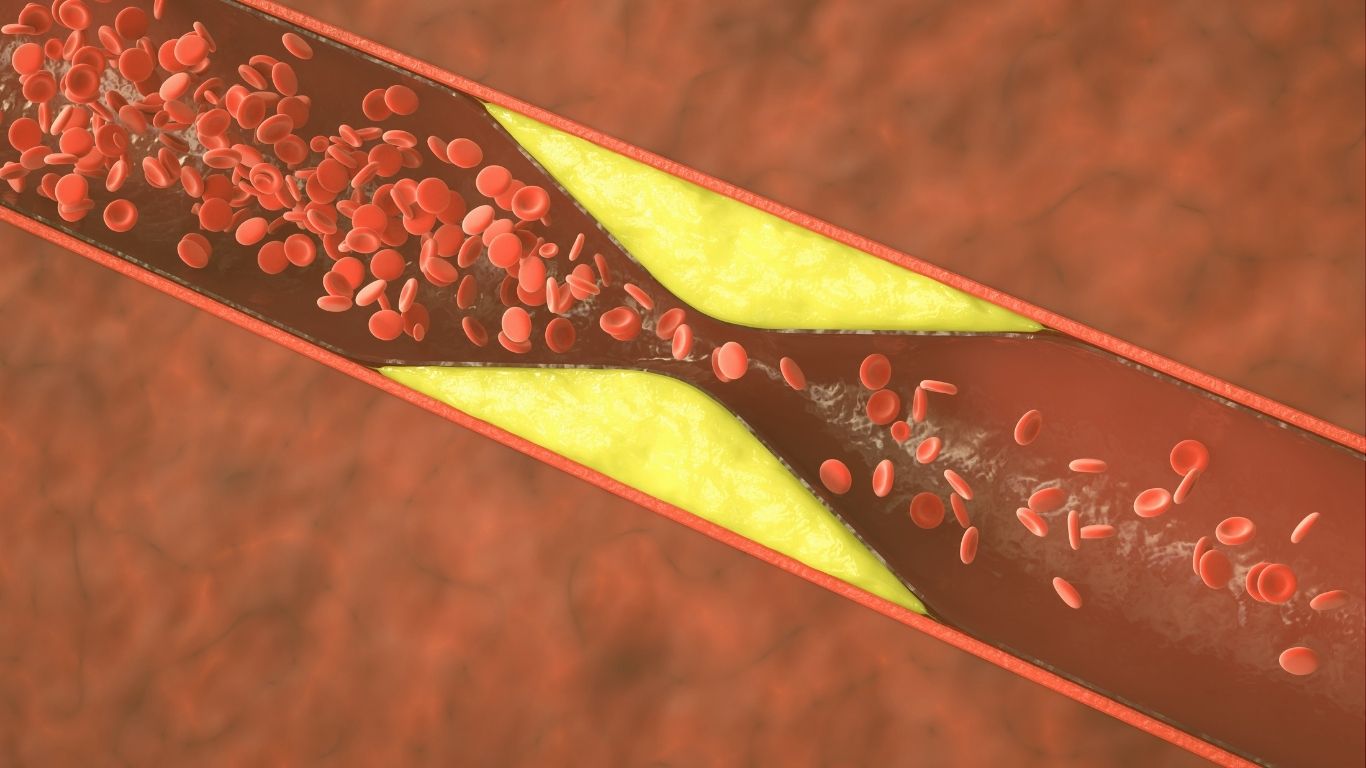
- Atherosclerosis: Elevated LDL cholesterol contributes to the formation of plaque in the arteries, narrowing and stiffening them. This condition, known as atherosclerosis, restricts blood flow and increases the risk of heart disease and stroke.
- Coronary Artery Disease (CAD): Atherosclerosis in the coronary arteries can lead to CAD, reducing blood supply to the heart muscle and increasing the
risk of heart attack. - Peripheral Artery Disease (PAD): Atherosclerosis affecting the arteries outside the heart can lead to PAD, limiting blood flow to the extremities and increasing the risk of complications like infections and gangrene.
- Increased Blood Clotting: High cholesterol levels can contribute to increased blood clot formation, raising the risk of strokes and heart attacks.
- Hypertension (High Blood Pressure): Atherosclerosis can lead to high blood pressure, further straining the cardiovascular system.
Management of High Cholesterol:
Effective management of high cholesterol involves a combination of lifestyle modifications and, in some cases, medication. Here are
key strategies for managing high cholesterol:
- Healthy Diet:
- Increase intake of fruits, vegetables, whole grains, and lean proteins.
- Limit saturated and trans fats, cholesterol-rich foods, and processed sugars.
- Incorporate heart-healthy fats, such as those found in olive oil, avocados, and nuts.
- Regular Exercise:
- Engage in at least 150 minutes of moderate-intensity aerobic exercise per week.
- Include strength training exercises to improve overall cardiovascular health.
- Weight Management:
- Achieve and maintain a healthy weight through a balanced diet and regular physical activity.
- Quit Smoking:
- Quitting smoking can improve HDL cholesterol levels and reduce the risk of atherosclerosis.
- Limit Alcohol Consumption:
- Moderate alcohol consumption may have cardiovascular benefits, but excessive drinking can elevate triglyceride levels and contribute to weight gain.
- Medication: Statins and other cholesterol-lowering medications may be prescribed when lifestyle changes alone are insufficient.
Effective Homeopathic Medicine for High Cholesterol
Homeopathic remedies
are often used for various health conditions, including high cholesterol. Some
commonly used remedies include:
Cholesterinum
This remedy is often recommended for individuals with a strong family history of high cholesterol or a tendency to develop fatty deposits in arteries. It is believed to help regulate cholesterol metabolism.
Crataegus oxyacantha
Also known as hawthorn, this remedy is used to support cardiovascular health and may help lower cholesterol levels and improve blood circulation.
Allium sativum
Commonly known as garlic, it is believed to have cholesterol-lowering properties. Garlic can be consumed raw, cooked, or in supplement form.
Nux vomica
This remedy may be recommended for individuals who have high cholesterol due to excessive consumption of fatty or rich foods. It is
also used for digestive issues and liver support.
Calcarea carbonica
This remedy is often prescribed for individuals with high cholesterol and a tendency to gain weight easily. It is believed to help balance metabolic processes.
Frequently Asked Questions (FAQs):
1. What is homeopathy, and how does it address high cholesterol levels? Homeopathy is a holistic system of medicine that
focuses on stimulating the body’s self-healing abilities. In addressing high cholesterol levels, homeopathic medicine aims to identify and treat the underlying causes, promoting overall cardiovascular health.
2. Can homeopathic medicine completely lower cholesterol levels? Homeopathic medicine aims to regulate cholesterol levels and
promote cardiovascular well-being. While it may contribute to cholesterol management, claiming a complete lowering of levels may vary among individuals. It is advisable to consult with a qualified healthcare professional for a comprehensive approach to cholesterol control.
3. Which homeopathic remedies are commonly used for high cholesterol? Popular homeopathic remedies for high cholesterol may include Allium sativum (Garlic), Crataegus oxyacantha (Hawthorn), and Cholesterinum. The selection of specific remedies depends on individual symptoms, overall health, and the unique characteristics of high cholesterol in each case.
4. Is it safe to combine homeopathic medicine with conventional cholesterol-lowering medications? Consult with a healthcare
professional before combining homeopathic medicine with conventional cholesterol-lowering medications. They can assess potential interactions and help create a treatment plan that ensures the safety and effectiveness of both approaches.
5. How long does it take to see results with homeopathic medicine for high cholesterol? The time to observe results with homeopathic medicine varies among individuals and depends on factors such as the severity of high cholesterol, overall health, and adherence to the treatment plan. Regular monitoring and follow-up with a qualified practitioner are recommended.
6. Can homeopathic medicine be used as a standalone treatment for high cholesterol? While homeopathic medicine may offer
support for managing high cholesterol, it is not advisable to use it as the sole treatment. A comprehensive approach that includes lifestyle modifications, dietary changes, and collaboration with healthcare professionals is essential for effective cholesterol management.
7. Are there lifestyle changes that complement homeopathic medicine for cholesterol control? Adopting a heart-healthy lifestyle is crucial for managing cholesterol levels. This includes maintaining a balanced diet, regular exercise, weight management, and avoiding tobacco and excessive alcohol consumption. Combining these lifestyle changes with homeopathic medicine can contribute to overall cardiovascular health.
8. Can homeopathic medicine prevent high cholesterol levels? Homeopathic medicine focuses on promoting overall health and
addressing underlying imbalances, but it cannot guarantee the prevention of high cholesterol levels. Proactive measures such as a healthy lifestyle, regular check-ups, and preventive strategies recommended by healthcare professionals are essential for cardiovascular health.
9. Is it safe to self-prescribe homeopathic medicine for high cholesterol? Self-prescribing homeopathic medicine for high
cholesterol is not recommended. A qualified homeopathic practitioner can assess individual symptoms, overall health, and the specific aspects of high cholesterol to prescribe the most appropriate remedies.
10. Where can I find a qualified homeopathic practitioner for high cholesterol concerns? Qualified homeopathic practitioners can be
found through reputable healthcare directories, recommendations from healthcare professionals, or by contacting recognized homeopathic associations. Ensure that the practitioner has the necessary credentials and experience in treating cholesterol-related issues.
Conclusion
High cholesterol is a widespread health concern with serious implications for cardiovascular health. Understanding the causes, recognizing
potential symptoms, and adopting a holistic approach to management are critical steps in preventing complications such as heart disease and stroke.
A comprehensive strategy for managing high cholesterol involves a combination of healthy lifestyle choices, regular monitoring, and,
when necessary, medical intervention. Homeopathic remedies, as part of a complementary approach, may offer support in conjunction with conventional treatments. Public awareness and education play a crucial role in promoting heart health and encouraging individuals to make informed choices regarding diet, exercise, and overall well-being. By adopting a proactive and holistic approach, individuals can take charge of their cardiovascular health, leading to a healthier and more fulfilling life. Remember, a heart-healthy lifestyle today can pave the way for a healthier tomorrow.