Table of Contents
ToggleHomeopathic Medicine for Paronychia: A Comprehensive Guide
Introduction
Of all the common afflictions that can affect our hands and feet, few are as simultaneously painful and bothersome as paronychia. This seemingly minor infection of the nail fold—the skin that frames and supports the nail—can escalate from a slight redness to a throbbing, pus-filled abscess that makes even the simplest tasks excruciating. Understanding paronychia is the first step toward effective treatment and, more importantly, prevention. This article will delve into the intricate details of this condition, exploring its symptoms, root causes, potential consequences, and the principles of homeopathic management.
Understanding the Nail’s Anatomy: Where Paronychia Strikes
To fully grasp what paronychia is, a basic understanding of the nail’s anatomy is helpful. Each nail is surrounded by a protective skin border called the nail fold. The small groove where the nail plate meets this fold is a critical juncture. It is this delicate seal that acts as a barrier against the outside world. When this barrier is compromised, whether by a cut, tear, or prolonged exposure to moisture, bacteria or fungi find an easy entry point, leading to an infection we call paronychia.
Clinically, paronychia is categorized into two main types: acute and chronic. This distinction is crucial as it influences the symptoms, cause, and treatment approach.
Acute Paronychia develops rapidly, usually over a few hours or days. It is most often a bacterial infection, with Staphylococcus aureus being the common culprit. This type is characterized by its sudden onset and intense, localized symptoms.
Chronic Paronychia, on the other hand, develops slowly, over weeks or months. It is typically a fungal infection, often caused by Candida species, though bacteria can also play a role in a mixed infection. This form is more persistent and is often linked to repeated exposure to irritants.
A Detailed Look at the Symptoms: From Redness to Pus
The symptoms of paronychia can vary depending on whether the infection is acute or chronic, but there is a significant overlap.
Symptoms of Acute Paronychia:
-
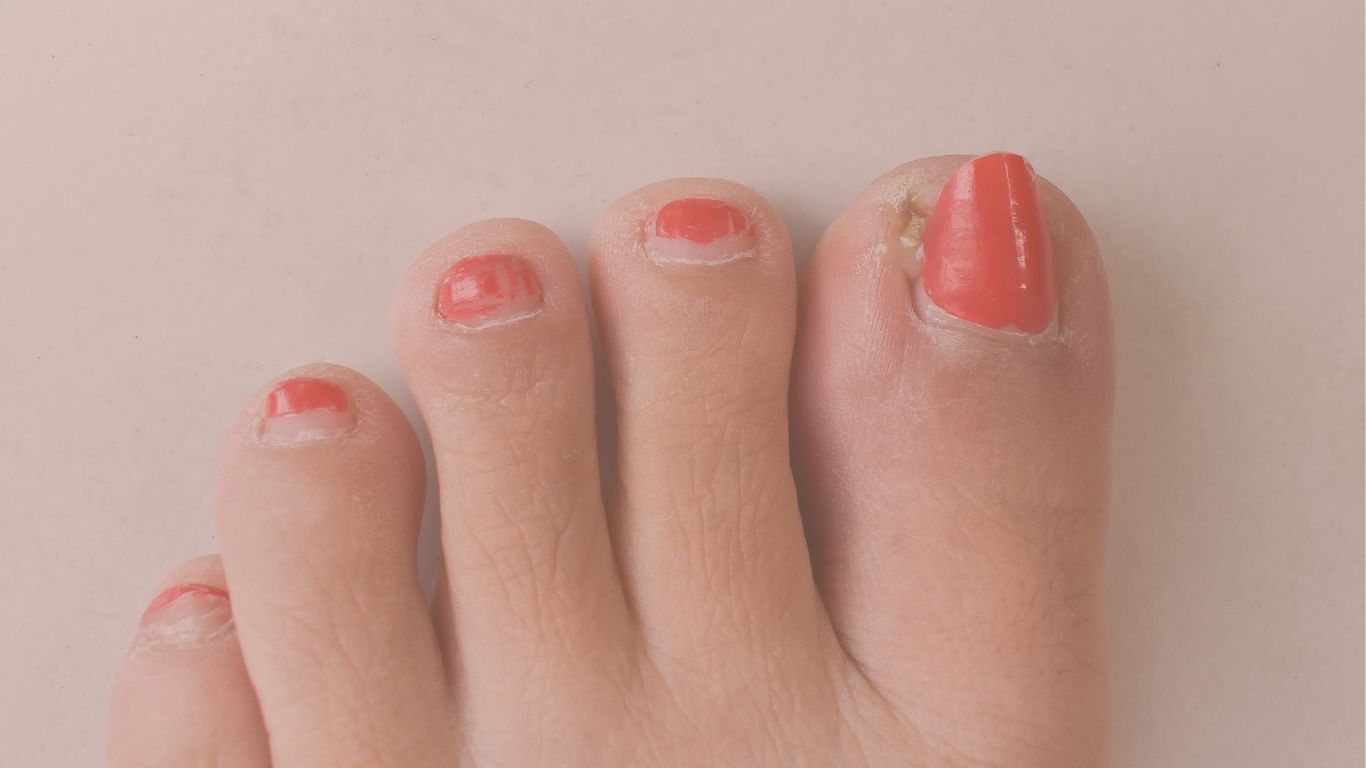
Localized Redness and Swelling: The very first sign is often a red, swollen, and tender area along the side or base of the nail. The skin appears inflamed and stretched.
-
Throbbing Pain: As the infection progresses and pus begins to collect, the pain intensifies into a constant, pulsating throb. The area becomes exquisitely tender to the touch.
-
Formation of an Abscess: In many cases, a visible collection of pus, or an abscess, forms beneath the skin of the nail fold. It may appear as a white or yellowish blister.
-
Warmth to the Touch: The infected area feels noticeably warmer than the surrounding skin, a classic sign of inflammation.
-
Changes in the Nail Plate: In severe cases, the pressure from the abscess can cause the nail plate to detach from its bed (a condition known as onycholysis) or lead to surface deformities like ridges or pits.
Symptoms of Chronic Paronychia:
-
Recurrent or Persistent Symptoms: The hallmark of chronic paronychia is its recurring nature. Symptoms may flare up and then subside partially, only to return.
-
Less Intense Pain: The pain is often more of a dull, aching sensation or a feeling of tenderness rather than the sharp, throbbing pain of an acute infection.
-
Swelling and Redness: The nail folds are consistently swollen, reddened, and may appear “boggy” or overgrown.
-
Cuticle Absence: One of the most telling signs is the disappearance of the cuticle. The protective seal between the nail fold and the nail plate is lost.
-
Nail Plate Dystrophy: The chronic inflammation directly affects nail growth. The nail plate often becomes thickened, discolored (taking on a greenish or yellowish hue, especially with Pseudomonas bacterial co-infection), and develops pronounced horizontal ridges.
-
Drainage: There may be intermittent episodes of minimal pus or a clear discharge from the nail fold.
The Root Causes: How the Protective Barrier is Breached
The fundamental cause of all paronychia is a break in the integrity of the seal between the nail fold and the nail plate. This breach allows microorganisms to invade. The specific causes, however, differ for the acute and chronic forms.
Causes of Acute Paronychia:
-
Trauma: This is the most common precipitating factor. It can be as minor as a hangnail, an accidental nail bite, a splinter, an over-zealous manicure where the cuticle is cut or pushed back too aggressively, or a finger-sucking habit in children.
-
Ingrown Toenails: When the corner of a toenail, often on the big toe, grows into the surrounding skin, it creates a perfect wound for bacteria to enter.
-
Foreign Bodies: A splinter of wood or glass embedded in the nail fold can introduce infection directly.
Causes of Chronic Paronychia:
-
Repeated Exposure to Moisture and Irritants: This is the primary driver of chronic paronychia. People whose hands are frequently wet are at high risk. This includes bartenders, dishwashers, cleaners, swimmers, nurses, and housekeepers. The constant moisture macerates the skin, breaking down the protective cuticle and creating fissures for fungi and bacteria to enter.
-
Chemical Irritants: Exposure to harsh chemicals, such as those in cleaning products, solvents, or even certain cosmetics, can cause irritant contact dermatitis, which weakens the nail fold’s defenses.
-
Underlying Skin Conditions: Individuals with eczema or psoriasis around the nails are more susceptible to developing chronic paronychia.
-
Immunosuppression: People with compromised immune systems, such as those with diabetes, HIV/AIDS, or those undergoing chemotherapy, are at a higher risk for all types of infections, including chronic paronychia.
Potential Effects and Complications: When to Seek Urgent Care
While most cases of paronychia are localized and resolve with appropriate treatment, neglecting it can lead to serious complications.
-
Nail Dystrophy: The most common long-term effect, especially of chronic paronychia, is permanent damage to the nail matrix (the root of the nail). This can result in a permanently deformed, ridged, discolored, or thickened nail.
-
Subungual Abscess: The infection can spread underneath the nail plate, making drainage more difficult and often requiring partial or complete nail removal.
-
Cellulitis: The bacterial infection can spread beyond the nail fold into the surrounding skin and soft tissue of the finger or toe, causing a more diffuse and serious infection characterized by widespread redness, swelling, and warmth.
-
Deep Space Infection: In rare cases, the infection can track deeper into the fingertip, leading to a felon, which is an abscess in the pulp of the fingertip. This is an extremely painful condition that requires surgical intervention.
-
Osteomyelitis: Even more rarely, the infection can spread to the underlying bone, which is a severe complication requiring prolonged antibiotic treatment.
It is imperative to seek immediate medical attention if you experience a high fever, chills, red streaks radiating from the infection site (a sign of lymphangitis), or if the pain becomes unbearable, as these indicate a spreading infection.
Prevention: The First Line of Defense
Preventing paronychia is significantly easier than treating it, and the strategies are straightforward.
-
Practice Proper Nail Hygiene: Keep your nails clean and dry. Trim nails straight across and avoid cutting them too short. Do not tear or bite hangnails; instead, clip them carefully with a sterilized nail clipper.
-
Protect Your Hands: Wear waterproof gloves with cotton liners whenever your hands will be immersed in water or exposed to harsh chemicals for prolonged periods.
-
Be Manicure-Wise: Choose reputable salons that sterilize their instruments. Better yet, bring your own. Avoid having your cuticles cut; instead, ask for them to be gently pushed back. Overly aggressive cuticle removal is a major cause of acute paronychia.
-
Manage Underlying Conditions: If you have diabetes, maintain tight blood sugar control. If you have eczema, work with a dermatologist to manage flare-ups around the nails.
-
Address Ingrown Toenails Promptly: Wear properly fitted shoes and trim toenails correctly to prevent them from becoming ingrown. If you have a recurring problem, see a podiatrist.
-
Stop Nail Biting and Finger Sucking: Breaking these habits is crucial for preventing repeated trauma to the nail folds.
The Homeopathic Approach to Treatment
Homeopathy offers a holistic and individualized approach to treating paronychia. It is important to note that while homeopathy can be very effective for many cases, a severe, pus-filled abscess may require conventional medical intervention, such as incision and drainage, to relieve pressure and prevent the spread of infection. It is always advisable to consult a qualified homeopathic practitioner or a medical doctor for a proper diagnosis and treatment plan.
Homeopathy does not treat the infection itself but rather the individual’s unique reaction to it. A homeopath will select a remedy based on the totality of the symptoms—the character of the pain, the appearance of the swelling, what makes it better or worse, and any accompanying constitutional symptoms.
Here are some of the most commonly indicated homeopathic remedies for paronychia:
-
Hepar Sulphuris Calcareum (Hepar sulph.): This is often the premier remedy for acute paronychia with a formed abscess. The key characteristics are extreme sensitivity to touch, cold, and drafts. The pain is splinter-like and throbbing. The pus is often thick and may have a cheesy odor. The person may be exceedingly irritable and oversensitive to the pain.
-
Silicea (Silica): Silica is a deep-acting remedy suited for both acute and chronic paronychia. It is indicated when the infection is slow to suppurate (form pus) or when the pus, once formed, is thin and watery and refuses to drain properly. It is also a key remedy for chronic paronychia where the nails are deformed, brittle, and peeling. It helps the body to expel foreign bodies, like splinters, that may be causing the infection.
-
Myristica Sebifera (Myristica): Often referred to as the “homeopathic knife,” Myristica is renowned for its ability to accelerate the suppuration process and promote the drainage of abscesses. It can help avoid the need for surgical incision by encouraging the natural rupture and healing of the infected site.
-
Apis Mellifica (Apis): Made from the honeybee, Apis is indicated when the swelling is pronounced, pink, and puffy, with a stinging, burning pain that is markedly worse from heat and better from the application of cold compresses. There is often a lack of thirst.
-
Belladonna (Belladonna): This remedy is for the very initial stages of acute paronychia, where the onset is sudden and violent. The area is intensely red, hot, swollen, and throbbing. The skin is dry and burning hot. It is often used before pus has had a chance to form.
-
Graphites (Graphites): Graphites is a primary remedy for chronic paronychia, especially in individuals with unhealthy skin and nails. The nails are thick, rough, and deformed, with a tendency to crumble. The surrounding skin is cracked, rough, and sore, and may ooze a sticky, honey-like discharge. The condition is often worse in cold weather.
-
Nitricum Acidum (Nitric acid): This remedy is useful for chronic paronychia with sharp, splinter-like pains. The nail folds are inflamed and may have ulcers that bleed easily. The person may have a tendency to develop fissures in the skin folds.
-
Calendula (Calendula): While not typically used as an internal remedy for the systemic infection, Calendula is invaluable as a topical agent. A Calendula lotion or tincture (diluted as directed) can be used to clean the area, soothe inflammation, and prevent the spread of infection due to its excellent antiseptic and wound-healing properties.
Frequently Asked Questions: Homeopathic Medicine for Paronychia
1. What is the fundamental principle behind using homeopathy for an infection like paronychia?
Homeopathy operates on the principle of “like cures like” and individualization. Instead of targeting the specific bacteria or fungus directly with an antibiotic or antifungal, homeopathy uses highly diluted natural substances that, in a healthy person, would produce symptoms similar to the infection itself. The goal is to stimulate the body’s own vital force and immune system to fight the infection and heal the tissue from within. A homeopath will select a remedy not just for “paronychia,” but for your unique presentation of it—your specific type of pain, the nature of the swelling, what makes it better or worse, and your overall constitution.
2. Can homeopathy treat a paronychia infection that already has pus?
Yes, it can. In fact, some of homeopathy’s most effective remedies are specifically indicated when an abscess has formed. Remedies like Hepar Sulph and Myristica are renowned for their ability to manage suppurative (pus-filled) infections. Hepar Sulph is for a painful, overly sensitive abscess with thick pus, while Myristica can help speed up the process of pus formation and drainage, potentially helping the abscess to rupture and heal naturally without surgical intervention.
3. How long does it take for homeopathic remedies to work on paronychia?
The response time can vary significantly based on the individual and the nature of the infection. For a recent, acute paronychia, you might see improvement in pain and redness within a few hours to a day or two of taking the correct remedy. For a long-standing chronic paronychia, the treatment is more constitutional and deep-acting, and it may take several weeks or even months to see significant and lasting improvement in the nail fold and the health of the nail itself. Patience and consistency are key, especially for chronic cases.
4. Is it safe to use homeopathy for paronychia in children?
Homeopathic remedies are generally considered very safe for children due to their high dilution, making them non-toxic and free from chemical side effects. They are a popular choice for pediatric issues. Common remedies for acute paronychia in children, often caused by nail-biting or finger-sucking, include Hepar Sulph for a painful, pus-filled infection or Calendula topically for cleansing. However, it is always recommended to consult with a professional homeopath or a healthcare provider for a proper diagnosis and dosage tailored to your child.
5. Can I use homeopathy alongside conventional treatments (like antibiotic creams)?
This is a common and important question. While homeopathic practitioners often prefer to use their system alone to avoid interactions, in practical terms, many people use them concurrently. There are no known dangerous chemical interactions between homeopathic remedies and topical antibiotic ointments. However, it is considered good practice to maintain a gap (e.g., 30 minutes to an hour) between taking a homeopathic remedy and applying any strong-smelling topical medication, as potent aromas can sometimes act as an antidote to the remedy. For serious infections, it is crucial to keep your medical doctor informed of all treatments you are using.
6. How do I know which homeopathic remedy to choose for my paronychia?
Selecting the right remedy requires matching your specific symptoms to the remedy picture. Here is a simplified guide:
-
Throbbing, red, hot pain at the very start: Think of Belladonna.
-
Splinter-like, intense pain, extreme sensitivity to touch/cold: Hepar Sulph is a top candidate.
-
To help an abscess come to a head and drain: Myristica is often called the “homeopathic knife.”
-
Stinging, burning pain relieved by cold compresses: Consider Apis Mellifica.
-
Chronic paronychia with brittle, deformed nails and a missing cuticle: Silicea or Graphites are key remedies.
For acute cases, you can try a low potency (like 6C or 30C) based on your symptoms. For chronic or recurrent paronychia, a consultation with a qualified homeopath is strongly advised for a constitutional prescription.
7. A homeopath has prescribed a remedy, but my pain is getting worse. What should I do?
It is essential to differentiate between a true aggravation and a worsening of the infection. A homeopathic aggravation is a temporary, mild intensification of existing symptoms that is often seen as a sign that the remedy is actively stimulating the body’s healing response. It is usually short-lived and is followed by significant improvement.
However, if the pain is severe and escalating, you develop a fever, see red streaks spreading from the site, or have no improvement after a reasonable period (24-48 hours for an acute case), this indicates the infection is progressing. You should stop the remedy and seek immediate conventional medical care, as you may need incision and drainage or oral antibiotics.
8. Can homeopathy prevent paronychia from recurring?
This is one of the greatest strengths of classical homeopathy, especially for chronic paronychia. While acute remedies can resolve a single flare-up, a constitutional treatment aims to correct the underlying susceptibility that makes a person prone to these infections. By addressing the individual’s overall health, vitality, and immune response, a well-chosen constitutional remedy can strengthen the body’s defenses, improve the health of the skin and nails, and significantly reduce the frequency and severity of recurrent paronychia episodes.
9. Are there any topical homeopathic applications for paronychia?
Absolutely. Calendula is the foremost homeopathic topical remedy. A Calendula tincture or lotion (properly diluted in water as per instructions) can be used as a soothing and antiseptic wash to clean the infected area several times a day. It helps to control surface infection, reduce inflammation, and promote wound healing. Hepar Sulph is also available in ointment form and can be applied topically to a suppurating paronychia where the internal remedy Hepar Sulph is also indicated.
Disclaimer: The information provided here is for educational purposes only and is not a substitute for professional medical advice, diagnosis, or treatment. Always seek the advice of your physician or another qualified health provider with any questions you may have regarding a medical condition. Never disregard professional medical advice or delay in seeking it because of something you have read here.
Conclusion
Paronychia, while common, should not be dismissed as a mere nuisance. Its ability to cause significant pain and lead to long-term nail damage or serious infection warrants attention and respect. By understanding its causes—from a simple hangnail to chronic moisture exposure—we can take proactive steps to protect our hands and feet. Prevention through proper nail care and protection is paramount. For those who develop this condition, a holistic approach that may include homeopathy can offer gentle yet effective relief by stimulating the body’s own innate healing mechanisms. However, wisdom lies in recognizing when an infection has progressed beyond self-care and requires conventional medical intervention to ensure a swift and complete recovery.