Table of Contents
ToggleHomeopathic Medicine Ginkovit: A Comprehensive Guide
In the vast and intricate world of homeopathy, where remedies are derived from sources ranging from minerals and animals to potent plants, Ginkovit holds a distinctive place. Known primarily by its common name rather than a Latin binomial in homeopathic pharmacy, Ginkovit is the homeopathic preparation of one of the world’s oldest living tree species: Ginkgo biloba. This remedy encapsulates the ancient wisdom of the ginkgo tree, transformed through the unique principles of homeopathic potentization to address a modern array of health concerns, particularly those related to circulation and cognitive function.
Origin and Historical Roots
The story of Ginkovit begins with the ginkgo tree itself, a “living fossil” that has remained virtually unchanged for over 200 million years. Native to China, the ginkgo tree is revered for its resilience, famously surviving the atomic bomb blast in Hiroshima. In traditional Chinese medicine, ginkgo seeds (bai guo) have been used for millennia for various respiratory and urinary ailments.
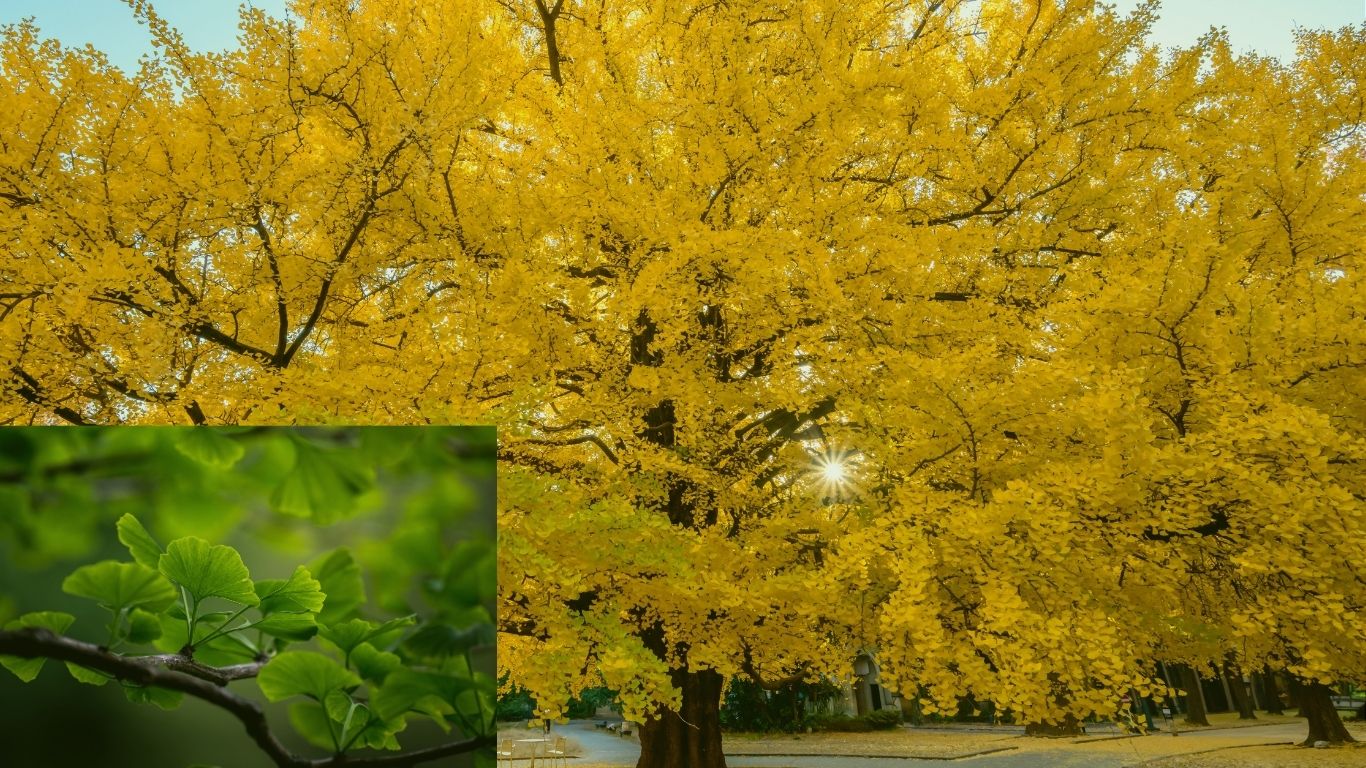
However, the homeopathic remedy Ginkovit is typically prepared from the fresh leaves of the tree, marking a departure from traditional seed use. The introduction of Ginkgo biloba into the homeopathic materia medica is a relatively recent development, coinciding with the 20th-century pharmacological rediscovery of the plant’s extract for vascular and cognitive disorders. Homeopaths, observing the plant’s physiological action—its ability to enhance peripheral and cerebral blood flow—began to “prove” the substance (testing it on healthy individuals to document symptom patterns) to understand its holistic therapeutic picture. Thus, Ginkovit emerged as a homeopathic entity, translating the ginkgo’s known biological effects into the refined, symptom-based language of homeopathy.
Extraction and Preparation: The Alchemy of Potentization
The preparation of Ginkovit follows the strict, standardized homeopathic pharmacopoeial procedures. Unlike herbal supplements that use concentrated extracts of the leaf, homeopathic preparation seeks to capture the “energy signature” or vital essence of the substance.
The process starts with the collection of fresh, healthy ginkgo leaves. These leaves are carefully cleaned and then subjected to a process of maceration in alcohol to create the mother tincture, denoted as Ø or Q. This tincture forms the foundational stock from which all subsequent dilutions are made.
The core principle of homeopathy, “like cures like,” is enacted through potentization—a serial dilution with vigorous shaking (succussion) at each step. This process is believed to release the dynamic curative power of the substance while minimizing any toxicological effects. The potencies of Ginkovit available are diverse, catering to different prescribing philosophies:
-
Low Potencies (e.g., 6X, 6C, 30C): These retain a degree of material concentration. They are often used for tangible, physical symptoms, such as acute sensations of coldness, mild circulatory complaints, or as a supportive therapy in early-stage cognitive fog. They may be repeated more frequently.
-
Medium Potencies (e.g., 200C): This is a commonly prescribed range for chronic conditions. A homeopath might select 200C for established cases of age-related memory weakness, tinnitus, or peripheral circulatory issues where the symptom picture clearly matches Ginkovit’s profile.
-
High Potencies (e.g., 1M, 10M and above): Reserved for deep-seated, constitutional conditions or strong mental-emotional symptoms. A high potency of Ginkovit might be considered for a profound sense of disconnection, chronic degenerative conditions with a vascular component, or when the patient’s vital force needs a powerful, infrequent stimulus.
The choice of potency is highly individualized, depending on the patient’s sensitivity, the depth of the illness, and the prescribing homeopath’s assessment.
The Symptom Picture: Who is Ginkovit For?
A homeopathic remedy is not prescribed for a disease name but for a unique constellation of symptoms in the individual. The “symptom picture” of Ginkovit, gathered from its provings and clinical experience, paints a portrait of a remedy deeply connected to issues of flow—both of blood and of mental processes.
Key Mental and Emotional Symptoms:
-
A sensation of mental fog, dullness, and difficulty with concentration.
-
Short-term memory weakness, especially for recent events, names, or where one placed objects.
-
A feeling of being disconnected from one’s surroundings or of the mind and body being out of sync.
-
Mental fatigue from overstudy or intellectual work, where the brain feels “drained.”
-
Irritability and anxiety, sometimes linked to a feeling of cerebral insufficiency.
Physical and General Symptoms:
-
Circulatory Issues: Cold extremities, Raynaud’s phenomenon, a sense of numbness or tingling in the limbs. A general aggravation from cold.
-
Neurological and Sensory Complaints: Tinnitus (ringing in the ears), often described as a whistling or roaring sound, potentially linked to vascular insufficiency. Vertigo or dizziness, particularly in the elderly.
-
Headaches: Heaviness in the head, congestive headaches with a feeling of fullness.
-
General Weakness: Lack of vitality, especially in the aged, with a sense of physical and mental decline.
The core theme is insufficiency—the brain and extremities are not receiving adequate nourishment or oxygenation, leading to a slowdown in function.
Primary Uses and Clinical Applications
In clinical homeopathic practice, Ginkovit is considered a significant organopathic and symptomatic remedy. Its uses are aligned with its symptom picture:
-
Age-Related Cognitive Support: It is frequently employed for mild cognitive impairment, senile dementia, and Alzheimer’s disease, particularly in early stages where memory lapses and confusion are prominent. It is used to slow progression and support mental clarity.
-
Cerebral and Peripheral Vascular Disorders: For conditions stemming from poor circulation, such as cerebral atherosclerosis, intermittent claudication (leg pain on walking), and general arteriosclerosis. The aim is to improve microcirculation.
-
Tinnitus and Vertigo: As a leading homeopathic remedy for tinnitus of vascular origin, especially when accompanied by dizziness and a feeling of fullness in the head.
-
Sequela of Stroke: Used in recovery protocols to support neurological function and cerebral blood flow after a cerebrovascular accident.
-
Altitude Sickness: Reflecting its use in herbal medicine, homeopathic Ginkovit is sometimes used preventatively for symptoms of altitude sickness, which involve hypoxia and poor circulation adaptation.
It is crucial to understand that in homeopathy, the presence of a disease label does not guarantee the prescription of Ginkovit. A patient with Alzheimer’s may receive a completely different remedy (like Baryta carbonica or Alumina) if their individual symptom pattern does not match Ginkovit’s.
Side Effects and Safety Considerations
One of the foundational tenets of homeopathy is the safety of its ultra-dilute remedies. In high potencies (like 30C and above), Ginkovit contains no measurable molecules of the original substance and is therefore devoid of biochemical side effects or herb-drug interactions. This makes it exceptionally safe for use in the elderly, those on multiple medications, and in sensitive individuals.
However, homeopathic remedies can produce a homeopathic aggravation. This is a temporary, mild intensification of existing symptoms following a correctly prescribed remedy, seen as a sign that the vital force is responding. A brief worsening of tinnitus or a headache after taking Ginkovit could be interpreted as such. If this occurs, it is typically short-lived and followed by improvement. Incorrect prescribing may lead to no effect or a proving (inducing new symptoms), which requires cessation of the remedy.
As with all homeopathic medicines, it is advised to take them on a clean palate, away from strong flavors like mint, coffee, or camphor, which some believe may antidote the effect.
Prevention and Constitutional Prescribing
While Ginkovit is often used for manifest conditions, its role in prevention is nuanced. Homeopathy is inherently a system of individualized medicine, and true preventive (“constitutional”) prescribing aims to strengthen the individual’s overall vital force based on their lifelong symptom patterns, not merely to ward off a specific disease.
That said, Ginkovit may be considered as a preventive or seasonal remedy in specific contexts. For example, an elderly person with a history of poor circulation and a family tendency to cognitive decline, exhibiting the classic Ginkovit mental fog and coldness, might use low potencies (e.g., 6C or 30C) periodically to support systemic function. Similarly, a mountaineer prone to altitude sickness might use it preventatively before ascent. This is not prevention in the public health sense, but a targeted support for a susceptible individual based on their symptom similarity to the remedy.
Comparisons with Other Key Remedies
Differentiating Ginkovit from other remedies is essential for accurate prescribing.
-
Vs. Baryta carbonica: Both are used for senility and cerebral atherosclerosis. However, Baryta carb. suits individuals who are childishly timid, shy, and have a history of delayed development. Ginkovit lacks this pronounced psychological profile, focusing more on the circulatory component of cognitive decline.
-
Vs. Alumina: Alumina is a top remedy for senile dementia with profound confusion about personal identity and a sensation of time passing too quickly. There is also severe constipation. Ginkovit’s confusion is more related to memory retrieval, not identity, and its key physical symptoms are circulatory.
-
Vs. Cannabis indica: Both can address mental fogginess and disconnection. Cannabis indica‘s confusion is more dreamy and extravagant, with thoughts seeming strange and a loss of sense of time and space. Ginkovit’s disconnection is more functional and linked to a sense of cerebral insufficiency.
-
Vs. Cinchona officinalis (China): China is a major remedy for tinnitus, but it is often worse from slightest touch and associated with anemia, weakness, and periodicity (comes and goes in cycles). Ginkovit’s tinnitus is more consistently linked to vascular issues.
-
Vs. Herbal Ginkgo biloba Extract: This is a critical distinction. The herbal extract is a standardized material dose with a measurable pharmacological effect (inhibiting platelet aggregation, increasing blood flow). It carries risks of side effects like bleeding, headaches, and GI upset, and interacts with blood thinners. Homeopathic Ginkovit, in potencies above 12C, contains no detectable molecules and works on an energetic, informational level according to homeopathic principles, aiming to stimulate the body’s self-regulation without biochemical intervention.
Frequently Asked Questions (FAQs) About Homeopathic Medicine Ginkovit
1. What exactly is homeopathic Ginkovit?
Homeopathic Ginkovit is a preparation derived from the leaves of the Ginkgo biloba tree, manufactured according to the principles of homeopathy. It undergoes a specific process of serial dilution and vigorous shaking (potentization) to create a remedy intended to stimulate the body’s self-healing mechanisms. It is distinctly different from standardized herbal ginkgo biloba supplements.
2. How is Ginkovit different from the ginkgo biloba supplements I see at the health store?
This is a crucial distinction. Herbal ginkgo biloba supplements contain a concentrated, material dose of active compounds. They act biochemically in the body to improve blood flow. Homeopathic Ginkovit, especially in medium to high potencies (like 30C and above), contains little to no measurable molecules of the original plant. Its proposed action is energetic or informational, based on the homeopathic principle of “like cures like.” It is chosen to match a patient’s specific symptom pattern, not for a general biochemical effect.
3. For which conditions is Ginkovit most commonly used?
Homeopaths most frequently consider Ginkovit for symptoms and conditions related to poor cerebral and peripheral circulation. This includes support for age-related memory lapses, concentration difficulties, tinnitus (ringing in the ears) of vascular origin, vertigo, cold extremities, and a general feeling of mental fogginess or disconnection. It is important to note that it is prescribed for the individual’s unique symptom picture, not for a diagnosed disease alone.
4. What are the common potencies available, and how do I choose?
Ginkovit is available in various potencies, such as 6X, 6C, 12C, 30C, 200C, and 1M. Lower potencies (e.g., 6X, 6C) are sometimes used for more physical, localized symptoms and may be taken more frequently. Higher potencies (e.g., 200C, 1M) are typically used for chronic, deep-seated conditions and are prescribed less often. Potency selection is complex and should be guided by a qualified homeopath based on your individual sensitivity and the nature of your complaints.
5. Is Ginkovit safe to use? Does it have side effects or interact with medications?
In its homeopathic, ultra-dilute form (especially from 12C upward), Ginkovit is generally considered extremely safe with no risk of material side effects or drug interactions. It contains no active chemical compounds that could interfere with pharmaceuticals like blood thinners. However, as with any homeopathic remedy, a correctly chosen remedy may cause a temporary “homeopathic aggravation”—a mild, short-lived intensification of existing symptoms, which is seen as a positive healing response. An incorrectly chosen remedy will simply not work.
6. Can I take Ginkovit alongside my conventional medicines?
Yes. Due to its non-material, energetic nature in potentized form, homeopathic Ginkovit is not known to interfere with conventional medications. It is considered compatible. However, it is always essential to inform all your healthcare providers—your medical doctor and your homeopath—about every treatment you are using.
7. How should I take Ginkovit? Are there any rules?
Standard homeopathic guidelines apply: take the pellets or liquid on a clean palate, ideally placing them under the tongue to dissolve. Avoid eating, drinking (especially strong flavors like mint or coffee), or brushing your teeth for about 15-20 minutes before and after taking the dose. Handle the pellets with clean, dry hands, and avoid touching them directly. Store the remedy away from strong smells, sunlight, and electronic devices.
8. Can Ginkovit be used preventatively?
Homeopathy focuses on individualized treatment. Ginkovit is not a general “preventative pill” for conditions like dementia in the public health sense. However, a homeopath may prescribe it constitutionally or in low potency for an individual who exhibits a clear Ginkovit symptom profile (e.g., chronic poor circulation, family history, and early mental fogginess) with the aim of strengthening their overall vitality and addressing underlying susceptibility.
9. How long does it take to see results with Ginkovit?
The response time varies significantly. For acute symptoms like a sudden episode of vertigo, effects may be noticed quickly. For chronic issues like age-related memory decline, it may take weeks or months of consistent, correctly prescribed treatment to observe gradual improvement. Homeopathy aims for deep, lasting change, which is often a process rather than an instant fix.
10. How is Ginkovit different from other homeopathic remedies for memory problems, like Baryta carbonica or Alumina?
While several remedies address cognitive issues, their specific symptom profiles differ greatly. Baryta carbonica is often for the elderly who are childishly timid and regressed. Alumina patients may have profound confusion about their own identity and severe constipation. Ginkovit’s core theme is insufficiency of flow—its symptoms (mental fog, cold limbs, tinnitus) are tightly linked to a perceived deficit in circulation and oxygenation to the brain and extremities. A homeopath selects based on this detailed individual picture.
11. Do I need a prescription to buy Ginkovit?
In most countries, homeopathic remedies like Ginkovit are available over-the-counter at health food stores, pharmacies, and online retailers. However, for an accurate potency selection and to ensure it is the correct remedy for your totality of symptoms, a consultation with a trained homeopathic practitioner is strongly recommended.
12. Is there scientific evidence to support the use of homeopathic Ginkovit?
The evidence base for homeopathy operates differently from conventional medicine. While there is considerable clinical experience and anecdotal evidence from homeopaths and patients, large-scale, randomized controlled trials (RCTs) on homeopathic Ginkovit specifically are limited. Research in homeopathy tends to focus on individualised treatment rather than isolated remedies for specific diseases. The debate on its mechanism of action and efficacy is ongoing within the scientific community.
Conclusion
Ginkovit stands as a fascinating bridge between an ancient botanical and modern homeopathic practice. It embodies the translation of a plant’s observed physiological action—enhancing circulation—into a finely-tuned therapeutic tool intended to address the individual’s totality of symptoms, from cold feet and ringing ears to a fading memory. Its power in homeopathy lies not in the material quantity of ginkgo leaf, but in the intelligent application of its symptom pattern through the process of potentization. As with all homeopathic remedies, its efficacy is maximized when prescribed on the basis of strict individual similarity, making it a valuable, safe, and precise instrument in the homeopath’s repertoire for supporting the mind and body where the flow of life has begun to stagnate. It reminds us that homeopathy does not treat diseases but treats the person expressing disease through their unique and characteristic symptoms.