Table of Contents
ToggleHomeopathic Medicine Liatris Spicata: The Remedy for Renal and Genitourinary Afflictions
Within the vast and intricate pharmacopoeia of homoeopathy, derived from the plant, mineral, and animal kingdoms, lies a remedy of particular significance for disorders of the urinary and reproductive systems: Liatris Spicata. Often overlooked in foundational materia medica, its specific sphere of action, built upon a scaffold of clinical observation and traditional use, makes it a valuable tool for the homoeopathic practitioner. This article delves into the origins, preparation, characteristic symptoms, therapeutic uses, and comparative landscape of this distinctive medicine.
Origin and Botanical Profile
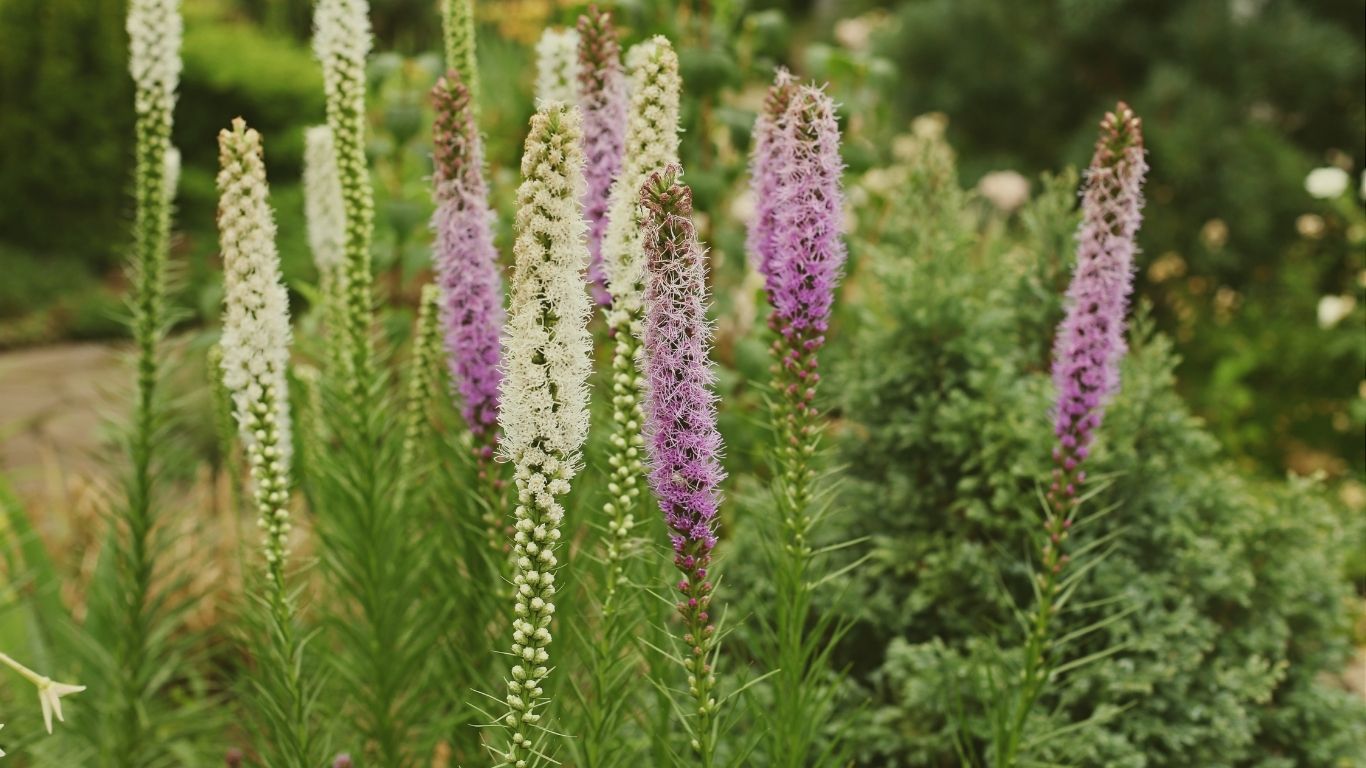
Liatris spicata, commonly known as blazing star, dense blazing star, or button snakeroot, is a perennial flowering plant native to the eastern regions of North America. It thrives in moist prairies, meadows, and marshy areas, presenting a striking visual with its tall, erect spikes densely packed with fluffy, rose-purple (or sometimes white) flower heads that bloom from the top down—a unique characteristic in the botanical world. It belongs to the Asteraceae family, a large group that includes daisies, sunflowers, and asters.
Historically, various indigenous tribes of North America utilized different species of Liatris for medicinal purposes. While specific records for Liatris spicata are less documented than for some of its relatives like Liatris squarrosa, the genus was generally known for its diuretic and antiseptic properties, used in decoctions to treat sore throats, kidney ailments, and gonorrhoea. It was this very ethnobotanical use that brought it to the attention of early American homoeopaths, who, following the principles of Dr. Samuel Hahnemann, sought to investigate its effects through the process of “proving.”
A homoeopathic proving is a systematic administration of a substance to healthy volunteers to meticulously record the constellation of physical, mental, and emotional symptoms it can produce. These symptoms then form the “image” of the remedy, guiding its therapeutic application. Liatris spicata was introduced into homoeopathic literature through such provings and clinical experience, most notably by Dr. Timothy Field Allen, who compiled its symptoms in his seminal work, “The Encyclopaedia of Pure Materia Medica.”
Extraction and Preparation of Potencies
The homoeopathic preparation of Liatris spicata follows the standardized methods of homoeopathic pharmacopoeias worldwide, ensuring consistency and safety. The process begins with the collection of the fresh, flowering plant. The entire aerial parts are typically used. This plant material is then cleaned and chopped before undergoing the initial extraction.
The primary method involves preparing a mother tincture, denoted as Ø. The fresh plant is macerated in a mixture of alcohol and water, which draws out its active botanical constituents. This liquid extract is then filtered, resulting in the mother tincture, which serves as the foundational stock for all subsequent dilutions.
From this mother tincture, the various potencies are created through a process of serial dilution and succession (vigorous shaking). This process, central to homoeopathy, is believed to potentize the energetic imprint of the substance while eliminating any toxic molecular effects. The dilutions follow specific scales:
-
Centesimal (C) Scale: One part of the mother tincture is diluted with 99 parts of a diluent (alcohol-water mixture) and succussed to produce 1C. This process is repeated to make 2C, 3C, and so on.
-
Decimal (X or D) Scale: One part is diluted with 9 parts diluent and succussed to make 1X.
-
Fifty Millesimal (LM) Scale: A more complex process involving intermediate triturations and dilutions to create potencies like 0/1, 0/2, etc.
Commonly used potencies of Liatris spicata in practice range from low potencies like 6C or 30C for more localized physical symptoms, to medium potencies like 200C, and high potencies like 1M or higher for deeper, constitutional conditions. The selection of potency is a nuanced decision made by the practitioner based on the individual’s vitality, the acuteness or chronicity of the disease, and the totality of symptoms.
The Symptom Picture: Guiding the Prescription
The therapeutic profile of Liatris spicata is sharply defined, with its action centered prominently on the kidneys, urinary tract, and female reproductive organs. Its symptom picture is not one of broad, general complaints but of specific, often distressing, functional disturbances.
Key Characteristic Symptoms:
-
Profuse Diuresis with Back Pain: This is a cardinal symptom. The remedy is indicated when there is a copious flow of pale, watery urine that is directly associated with pain in the lumbar region or the small of the back. The backache is often relieved once the urination is complete. Imagine a patient who experiences a dull, aching pressure in the kidneys, followed by the passage of a large quantity of urine, after which the back pain vanishes. This clear, cause-effect relationship is a strong pointer to Liatris.
-
Irritation and Burning: There is a marked sensation of irritation and burning extending from the kidneys down through the ureters to the bladder and urethra. This can mimic the pain of renal colic or acute cystitis.
-
Urinary Incontinence and Dribbling: Despite the profuse output, there can be a paradoxical loss of control. Dribbling of urine after micturition is a notable symptom, as is stress incontinence, particularly in women where a cough or sneeze leads to leakage.
-
Female Reproductive Sphere: Liatris has a pronounced effect on the uterus and is frequently considered in gynecological complaints. It is a leading remedy for uterine prolapse with a sensation of bearing down, as if the pelvic organs would escape. It is also indicated for menorrhagia (excessive menstrual bleeding) and metrorrhagia (bleeding between periods), especially when this bleeding is accompanied by backache relieved by the onset of flow. There may be a sensation of fullness and congestion in the pelvic region.
-
Generalities and Modalities: The patient may feel generally worse from motion and better from rest. There is often a sense of weakness or prostration associated with the urinary or hemorrhagic loss.
Primary Uses and Clinical Applications
Based on this symptom picture, Liatris spicata finds its primary clinical applications in the following conditions:
-
Chronic Renal Issues: For a sluggish kidney function where there is difficulty in initiating urination, followed by a copious flow with relief of back pain. It may be supportive in early stages of renal congestion.
-
Cystitis and Urethritis: Particularly when the burning and irritation seem to track from the kidneys downward and are associated with large quantities of pale urine.
-
Stress Urinary Incontinence: In women with weakened pelvic floor muscles, especially postpartum or post-menopausal, where leakage occurs with exertion.
-
Uterine Prolapse: As a constitutional support alongside physical therapy, for that characteristic bearing-down sensation.
-
Dysfunctional Uterine Bleeding (DUB): For menorrhagia where the bleeding is profuse, frequent, and associated with relieving lumbar ache. It is also considered in bleeding associated with uterine fibroids.
-
Post-Partum Recovery: To aid the uterus in returning to its normal tone and to address any lingering urinary incontinence or pelvic heaviness.
It is crucial to remember that homoeopathy does not treat disease names but the individual expression of illness. A diagnosis of “cystitis” may call for Cantharis (with intense, cutting pain and constant urging), Sarsaparilla (with pain only at the very end of urination), or Liatris (with the profuse flow and renal backache link). The remedy must match the patient’s unique symptom totality.
Side Effects and the Principle of Safety
One of the foundational pillars of homoeopathy is the extraordinary safety profile of its medicines, owing to the highly diluted doses employed. In the traditional pharmacological sense, Liatris spicata in material doses (as a herbal tea or crude extract) could potentially cause gastrointestinal upset or allergic reactions in sensitive individuals. However, in the homoeopathic potentized form, there is no risk of toxic or chemical side effects.
The primary consideration in homoeopathy is the aggravation of symptoms. A well-selected remedy may sometimes cause a temporary, mild intensification of existing symptoms as the vital force responds to the similar medicinal stimulus. This is seen as a positive healing reaction. If an aggravation is strong or prolonged, or if new, unrelated symptoms appear, it indicates an incorrect prescription. Furthermore, as with any intervention, an individual could have an idiosyncratic sensitivity, but this is exceedingly rare. The administration of homoeopathic remedies is always under the guidance of a qualified practitioner who can manage such responses.
Prevention and Constitutional Prescribing
Homoeopathy operates on a curative, not a prophylactic-in-the-conventional-sense, model. Liatris spicata is not given to “prevent” kidney infections or prolapse in a blanket manner. Instead, its potential preventive role lies in constitutional prescribing.
If an individual exhibits a constitution strongly aligned with the Liatris picture—prone to pelvic congestion, urinary weakness, and a history of relieved backache with urination—a well-chosen, deeper-acting potency may help to strengthen those susceptible systems, thereby increasing resilience and reducing the frequency or severity of future acute episodes. This is a holistic form of prevention, aiming to correct the underlying predisposition rather than barricading against a specific pathogen.
Comparative Analysis with Other Remedies
Placing Liatris spicata in context with other homoeopathic medicines clarifies its unique niche.
-
Vs. Cantharis: Both are used for burning urinary complaints. Cantharis has violent, cutting, scalding pain before, during, and after urination, with constant, intolerable urging and only passing drops. The pain is all-consuming. Liatris has irritation and burning, but the hallmark is the profuse, pale flow that relieves the accompanying backache. The intensity of suffering is far greater in Cantharis.
-
Vs. Sephia: Both are premier remedies for uterine prolapse and bearing-down sensations. Sephia has a classic “bearing-down as if everything would protrude,” a sensation of pelvic fullness, and is often accompanied by indifference to family, irritability, and a feeling of being worn out. The Sephia patient may have improved from vigorous exercise. Liatris shares the prolapse and bearing down but links it more to urinary symptoms and the relief of back pain with fluid release. The mental picture of Sephia is much more developed.
-
Vs. Sabina: Both are indicated for menorrhagia. Sabina is for bright red, fluid, gushing blood with clots, accompanied by labor-like pains extending from the sacrum to the pubis. It is worse for heat. Liatris bleeding is also profuse, but the key differentiating feature is the relief of lumbar backache with the onset or flow of blood.
-
Vs. Berberis Vulgaris: Perhaps its closest analogue, as both have a strong affinity for renal regions with pain radiating from the kidneys. Berberis is famous for pains that radiate in every direction from a single point, with stitching, sticking sensations. The urine may be dark, slimy, with sediment. Liatris pain is less radiating, more directly connected to the act of urination, and the urine is typically copious and pale.
FAQs: Homeopathic Medicine Liatris Spicata
Q1: What is homeopathic Liatris Spicata primarily used for?
A: Liatris Spicata is primarily used for conditions affecting the kidneys, urinary tract, and female reproductive system. Its most characteristic use is for cases involving copious, pale urine that relieves accompanying lower back pain or kidney ache. It is also a key remedy for symptoms like uterine prolapse (a bearing-down sensation), excessive menstrual bleeding (menorrhagia), and stress urinary incontinence.
Q2: Where does this remedy come from?
A: The remedy is derived from the fresh flowering plant Liatris spicata, commonly known as blazing star or button snakeroot. It is a native North American perennial. Homeopathic preparation begins by creating a mother tincture from the plant, which is then serially diluted and succussed (shaken vigorously) to produce the various potencies used in treatment.
Q3: What are the key symptoms that guide its use?
A: The guiding symptoms form a clear pattern:
-
Profuse urination of pale, watery urine.
-
Back pain or kidney pain that is relieved by urination.
-
A sensation of irritation or burning from the kidneys to the bladder.
-
Dribbling of urine after finishing, or stress incontinence.
-
In women: Uterine prolapse with bearing-down, and heavy menstrual flow that may also relieve a backache.
Q4: What potencies are commonly available and how are they chosen?
A: Liatris Spicata is available in standard homeopathic potencies such as 6C, 30C, 200C, and 1M. Lower potencies (like 6C or 30C) are often used for acute, localized symptoms. Higher potencies (200C and above) may be chosen for chronic or constitutional conditions by a trained practitioner. The selection depends on the individual’s specific symptom picture, the condition’s nature, and the prescriber’s assessment.
Q5: Are there any side effects from taking it?
A: Due to the highly diluted nature of homeopathic medicines, there are no pharmacological or toxic side effects. However, as with any well-matched homeopathic remedy, a temporary and mild aggravation of existing symptoms can occasionally occur as part of the healing response. This is usually short-lived. Any new or worsening symptoms should be discussed with your homeopath.
Q6: Can I take Liatris Spicata to prevent kidney problems or prolapse?
A: Homeopathy does not work as a blanket preventive medicine in the conventional sense. Liatris is not given to everyone to “prevent” a condition. However, a homeopath may prescribe it constitutionally to an individual whose overall health picture strongly matches the Liatris symptom profile. This aims to strengthen the system and reduce susceptibility, which may have a preventive effect on the conditions it typically treats.
Q7: How is Liatris Spicata different from Cantharis, another remedy for urinary burning?
A: This is a crucial distinction. While both have burning, Cantharis features violent, relentless pain with constant, urgent urging but only passing drops. The burning is intense and present throughout urination. Liatris, on the other hand, has irritation and burning but is defined by the large quantity of pale urine produced and the direct relief of back pain by urination. The suffering in Cantharis is typically more acute and severe.
Q8: How does it compare to Sepia for uterine prolapse?
A: Both are top remedies for a bearing-down, prolapse sensation. Sepia has a very strong constitutional picture: the patient often feels worn out, irritable, indifferent to family, and may feel better from vigorous exercise. Liatris focuses more on the physical sensation linked to urinary function and the relief of symptoms through discharge (urine or menses). The mental-emotional state is less emphasized for Liatris.
Q9: Can men benefit from Liatris Spicata?
A: Yes. While it has significant applications in female reproductive health, its primary action on the kidneys and urinary tract is not gender-specific. Men experiencing the characteristic symptom of back/kidney pain relieved by profuse urination, or certain cases of urinary incontinence or irritation, may benefit from Liatris if their symptom totality matches.
Q10: Should I self-prescribe Liatris Spicata?
A: For acute, mild symptoms that clearly match the key guiding symptoms (like a specific bout of cystitis with the classic backache-urination link), low-potency self-care may be attempted with proper knowledge. However, for chronic conditions like recurrent urinary issues, significant menorrhagia, or suspected prolapse, consultation with a qualified homeopathic practitioner is essential. They can ensure the remedy fits your complete health picture and prescribe the appropriate potency and course of treatment. Always seek conventional medical diagnosis for serious symptoms.
Conclusion
Liatris spicata stands as a testament to the precision possible within homoeopathic medicine. It may not be a polycrest (a remedy with a wide range of action) like Sulphur or Lycopodium, but its focused, reliable action on the renal-genitourinary axis makes it an indispensable remedy in its domain. From the damp prairies of North America to the pharmacy shelves of homoeopaths, its journey encapsulates the homoeopathic method: from empirical folk use, through systematic proving, to clinical verification. For the patient suffering from a specific pattern of backache relieved by copious urination, or for a woman grappling with pelvic heaviness and menorrhagia, Liatris spicata, when matched accurately to the symptom totality, can offer profound and gentle restoration, highlighting homoeopathy’s power to address the nuanced language of individual illness.