Table of Contents
ToggleHomeopathic Medicine Sarracenia Purpurea: A Comprehensive Guide
Origins and Botanical Background
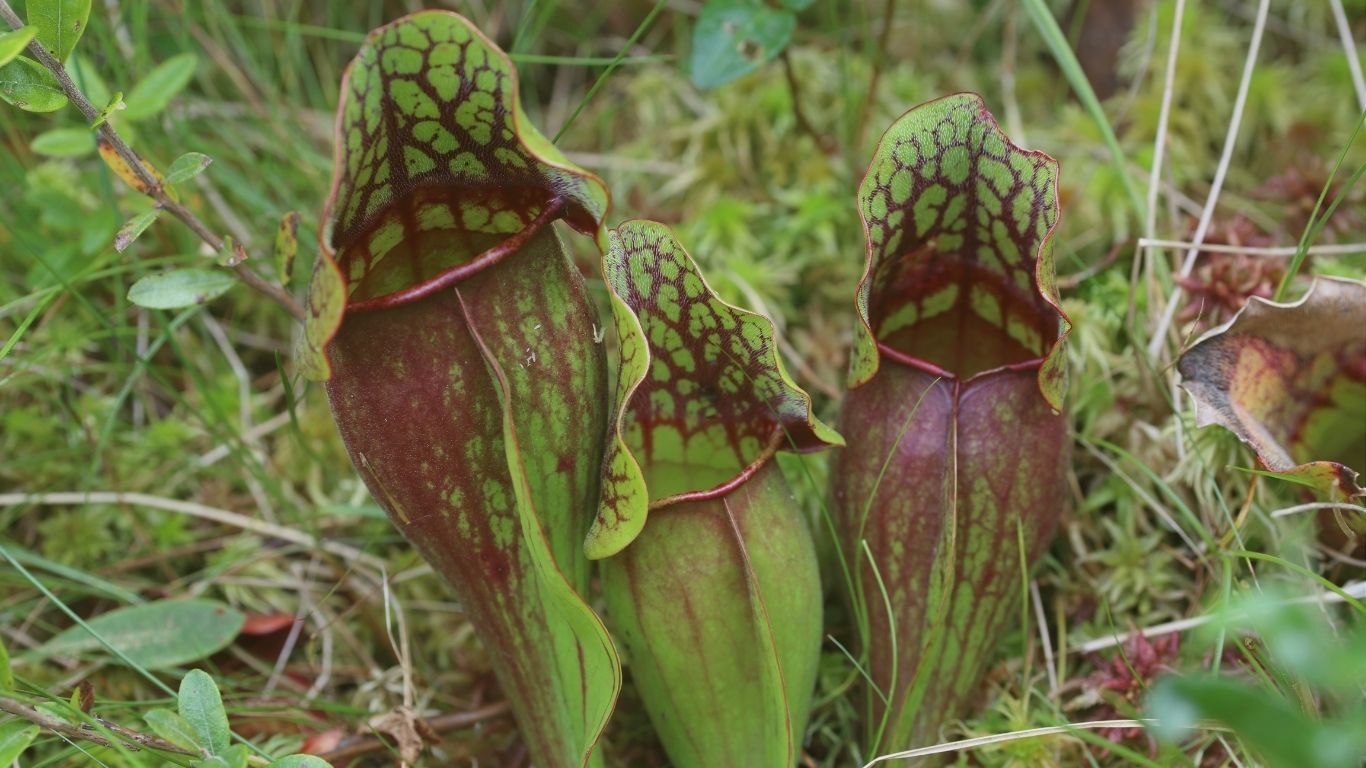
Sarracenia purpurea, commonly known as the purple pitcher plant or side-saddle flower, is a carnivorous plant native to North America. It thrives in the nutrient-poor bog environments of the eastern United States and Canada, having evolved a remarkable adaptation: its distinctive pitcher-shaped leaves form a deadly trap for insects, which are then digested to supplement the plant’s nutritional needs. The plant’s name honors Dr. Michel Sarrazin, a French-Canadian physician and naturalist who sent specimens to Europe in the 17th century.
The homeopathic remedy is derived from this entire living plant, emphasizing its connection to a life-form that survives by capturing and assimilating other organisms—a theme that carries symbolic weight in its homeopathic applications.
Extraction and Preparation: The Alchemical Journey to a Remedy
The preparation of Sarracenia purpurea follows the standard homeopathic principles of potentization established by Samuel Hahnemann. The process begins with the collection of the fresh plant, typically during its flowering period to capture its full vital energy. The whole plant—roots, leaves, and flowers—is carefully harvested and cleaned.
The first step involves creating the mother tincture, designated as “Ø”. The plant material is chopped and macerated in a mixture of alcohol and water, allowing the soluble components to extract over several weeks. This liquid is then filtered, resulting in the base tincture containing the crude botanical essence.
The true transformation into a homeopathic remedy occurs through a process of serial dilution and succussion (vigorous shaking). Starting with one drop of the mother tincture diluted in 99 drops of a water-alcohol mixture, the solution is succussed vigorously. This produces the 1C potency (1 part in 100). To create a 2C potency, one drop of the 1C is diluted in another 99 drops of diluent and succussed again. This process repeats for higher potencies. Centesimal (C) potencies are commonly used, but decimal (X or D) potencies, using a 1:10 dilution ratio, are also available.
The concept of potentization is central to homeopathy, positing that each dilution and succussion step enhances the “dynamic energy” of the remedy while eliminating any toxic molecular effects of the original substance. Higher potencies like 30C, 200C, or 1M (1000C) are believed to act more deeply on the mental and emotional planes, while lower potencies (6C, 12C) are often used for more localized physical symptoms.
Symptom Picture and Key Characteristics
The homeopathic profile of Sarracenia purpurea has been largely established through clinical observation rather than traditional proving (the method where healthy volunteers take a substance to record symptoms). Its symptom picture revolves around its most celebrated use: as a remedy for acute viral conditions, particularly those affecting the salivary glands and lymphatic system.
The core mental and emotional state, though less documented than its physical symptoms, suggests a theme of intrusion and unhealthy assimilation. Picture the quiet, passive pitcher plant waiting, then actively dissolving and absorbing what enters its space. This might metaphorically relate to states where a person feels invaded (as by a virus) or is perhaps overly absorbent of negative influences from their environment.
The primary physical symptom keynote is swelling and inflammation of the parotid glands (the salivary glands located just below and in front of the ears). The swelling is often characterized as hard, hot, and painful, extending towards the ears and neck. It is a leading remedy for mumps (epidemic parotitis), especially in the initial stages when the swelling is pronounced and the patient experiences discomfort or pain upon swallowing, chewing, or even opening the mouth.
Beyond mumps, its sphere of action extends to other viral exanthems (rashes) and glandular conditions. It has been used for symptoms accompanying measles, with a harsh, barking cough and swollen glands. Tonsillitis with similar hard, swollen glands and difficulty swallowing may also indicate Sarracenia.
Modalities, which are factors that improve or worsen symptoms, are not extensively elaborated for Sarracenia. However, warmth and rest are generally indicated, while cold and motion may aggravate the glandular pains.
Primary Uses and Clinical Applications
-
Mumps (Epidemic Parotitis): This is the classic and most well-documented use. Homeopaths prescribe Sarracenia purpurea at the onset of symptoms to potentially moderate the severity and duration of the illness. It is considered when the parotid swelling is marked and the patient feels generally unwell with fever. The intention is to support the body’s natural immune response.
-
Prophylaxis for Mumps: In homeopathic practice, Sarracenia is sometimes used preventatively during a mumps outbreak. A common protocol involves taking a single dose of a 30C or 200C potency, potentially repeated weekly while exposure risk remains high. This use is based on the homeopathic principle of “like cures like”—a substance causing symptoms in a healthy person can treat similar symptoms in a sick person—and the concept of “genus epidemicus,” where a remedy matching the outbreak’s general symptom pattern is used for prevention.
-
Other Viral Illnesses: While less specific, it may be considered in cases of viral tonsillitis, certain presentations of mononucleosis (with prominent parotid involvement), and some forms of lymphadenitis (swollen lymph nodes) where the glandular swelling is hard and prominent.
-
Supportive Care in Childhood Exanthems: It may be used as an intercurrent remedy (a remedy given during the course of another treatment) in measles or other childhood illnesses where glandular swelling becomes a predominant, distressing feature.
Side Effects, Safety, and Considerations
Within the framework of homeopathic philosophy, properly potentized remedies like Sarracenia purpurea are considered non-toxic and free from chemical side effects due to the extreme dilutions involved. There is no risk of poisoning or overdose in the conventional sense.
However, two concepts are important for understanding reactions:
-
Homeopathic Aggravation: A temporary intensification of existing symptoms following a well-indicated remedy is seen by homeopaths as a positive sign that the vital force is responding. This aggravation is usually short-lived and followed by improvement. In the context of taking Sarracenia for mumps, a slight, transient increase in swelling or discomfort could be interpreted as such an aggravation.
-
Incorrect Prescription: If a remedy is poorly matched to the patient’s overall symptom picture, it may simply have no effect. Homeopathy emphasizes individualization; Sarracenia is not a blanket “cure” for all mumps cases, but is specific to a particular presentation.
Crucially, homeopathy is not a substitute for conventional medical care in serious illness. Complications of mumps, such as orchitis (testicular inflammation), meningitis, or pancreatitis, require immediate medical attention. A responsible homeopathic approach uses remedies as a complementary support within a broader management plan that prioritizes safety, hydration, and professional medical oversight.
Comparisons with Other Homeopathic Remedies
Understanding Sarracenia’s unique place requires contrasting it with other remedies used for glandular swellings and viral infections.
Versus Belladonna: Both are used for the sudden onset of fever and inflammation. Belladonna symptoms are intensely hot, red, throbbing, and come on violently. The swelling is typically bright red and burning, and the patient may be delirious or have a flushed face. Sarracenia’s swelling is hard and focused on the parotids, with less emphasis on the dramatic heat and redness of Belladonna. Belladonna is more for the initial, fiery stage, while Sarracenia is specific to the parotid gland pathology.
Versus Mercurius Solubilis: Mercury is a major remedy for swollen, sore glands with excessive, offensive saliva. The throat and glands feel raw, and the patient is sweaty, sensitive to temperature extremes, and has a metallic taste. Sarracenia lacks this salivary component and the general Mercurius constitution. Mercurius is more for tonsillitis or advanced infected mumps with profuse salivation.
Versus Phytolacca: This is perhaps the closest analogue and most important comparison. Phytolacca (poke root) is also a prime remedy for hard, hot, painful swellings of glands, especially mammary and parotid. The key differentiating symptom is pain radiating from the swollen gland to the ear upon swallowing. Phytolacca glands feel like hard, hot balls or stones. While both are excellent for mumps, Phytolacca’s symptom of pain shooting to the ear is its hallmark. Sarracenia’s picture is somewhat simpler, focusing squarely on the parotid swelling itself.
Versus Pilocarpus: This remedy, made from jaborandi, is characterized by profuse sweating and salivation accompanying glandular swellings. It is specific for mumps where the patient drips with saliva. This clearly distinguishes it from Sarracenia, which does not have this pronounced salivary symptom.
Versus Baryta Carbonica: This remedy addresses chronic, enlarged, hard glands in individuals who are often developmentally or physically delayed. It is for recurrent, stubborn tonsillitis and lymphadenopathy in a susceptible individual, not the acute, infectious picture of Sarracenia.
Frequently Asked Questions About Homeopathic Sarracenia Purpurea
Q1: What is Sarracenia purpurea, and what is it used for in homeopathy?
Sarracenia purpurea, commonly known as the purple pitcher plant, is a carnivorous plant native to North American bogs. In homeopathy, it is primarily used as a remedy for acute conditions involving swollen glands, with its most famous application being for the mumps virus. It is specifically indicated for hard, hot, and painful swelling of the parotid salivary glands (located just below and in front of the ears). It may also be considered for other viral illnesses where glandular swelling is a prominent symptom.
Q2: How does homeopathy view this remedy’s action, given its plant origin?
Homeopathy follows the principle of “like cures like.” While a detailed “proving” (where healthy individuals take a substance to document symptoms) for Sarracenia is limited, its use is based on clinical observation. Homeopaths note a correspondence between the plant’s nature—a passive trap that assimilates insects—and the remedy’s application in conditions where the body feels invaded by a pathogen (like a virus) that affects the glandular system. The remedy’s prepared energy is believed to stimulate the body’s own healing response to reduce inflammation and swelling.
Q3: What potencies are commonly available and how do I choose one?
Sarracenia purpurea is available in various homeopathic potencies, such as 6C, 12C, 30C, and 200C. The choice depends on the situation:
-
Lower potencies (6C, 12C): Often used for more localized, physical symptoms. They may be taken more frequently (e.g., 2-3 times daily) for acute conditions like the onset of mumps.
-
Higher potencies (30C, 200C): Used for a stronger, more systemic effect and are commonly chosen for prophylactic (preventative) use during an outbreak. A single dose is often sufficient, repeated only if exposure continues.
It is always best to consult a qualified homeopathic practitioner for an individualized potency and dosage recommendation, especially for children or in complex cases.
Q4: Can Sarracenia purpurea prevent mumps?
In homeopathic practice, it is sometimes used as a prophylactic during a mumps outbreak. The concept is based on the remedy matching the general symptom pattern of the prevailing illness (the “genus epidemicus”). A common preventative protocol is a single dose of Sarracenia 30C or 200C per week while the risk of exposure exists. It is crucial to understand that this is not a substitute for conventional vaccination from a public health perspective. The efficacy of homeopathic prophylaxis is not accepted by mainstream medicine and should be discussed with both a homeopath and a medical doctor.
Q5: What are the key symptoms that indicate Sarracenia purpurea?
The main guiding symptom is marked swelling and inflammation of the parotid glands. The swelling is typically described as hard, hot, and tender to touch. It may be painful to swallow, chew, or even open the mouth. The patient often feels generally unwell with a fever. While primarily for mumps, a similar presentation of glandular swelling in other viral contexts may also call for this remedy.
Q6: Are there any side effects or risks?
Due to the extreme dilution process in homeopathic preparation, the remedy contains no detectable molecules of the original plant and is considered non-toxic. There is no risk of chemical poisoning or overdose. However, two reactions are possible:
-
A Homeopathic Aggravation: A temporary, mild worsening of symptoms can occur, which is seen as a sign the remedy is actively stimulating the body’s healing response.
-
No Effect: If the remedy is not well-matched to the individual’s complete symptom picture, it may simply not work.
Most importantly, homeopathic treatment is not a replacement for standard medical care. Serious complications of mumps (like orchitis, meningitis, or hearing loss) require immediate conventional medical attention.
Q7: How is Sarracenia different from other homeopathic remedies for mumps, like Phytolacca?
This is a key distinction. Both are excellent remedies for mumps with hard, swollen glands.
-
Sarracenia Purpurea: Its action is more focused specifically on the parotid glands. The swelling itself is the primary keynote.
-
Phytolacca (Poke Root): Its hallmark symptom is pain that radiates from the swollen gland into the ear upon swallowing. The glands may feel like hard, hot balls. Phytolacca also has a wider use for other glandular issues like mastitis.
A homeopath chooses between them based on these subtle but important symptom differences.
Q8: Can I take Sarracenia purpurea alongside conventional medicine or vaccines?
Homeopathic remedies are generally considered compatible with conventional medications, as they work on a different principle and do not interact chemically. However, you should always inform all your healthcare providers (both medical and homeopathic) about all treatments you are using. Regarding vaccines, this is a personal and complex decision. You should have a detailed conversation with your pediatrician or GP about the benefits and risks of vaccination versus homeopathic prophylaxis to make a fully informed choice for your family.
Q9: Where can I find genuine Sarracenia purpurea homeopathic medicine?
Quality homeopathic remedies are available from:
-
Reputable homeopathic pharmacies (both physical stores and online retailers).
-
Licensed homeopathic practitioners who dispense remedies directly.
-
Well-stocked health food stores or apothecaries with a homeopathy section.
Ensure the product is from a trusted manufacturer (like Boiron, Hyland’s, etc.) and clearly states the potency (e.g., Sarracenia purpurea 30C).
Q10: Should I self-prescribe or see a professional?
For acute, straightforward cases like early-stage mumps with clear symptoms, a knowledgeable individual might successfully use Sarracenia following guidebooks. However, for preventative use, for young children, if symptoms are severe, or if you are unsure about the diagnosis or remedy choice, consulting a qualified homeopath is strongly advised. They can confirm the remedy match, prescribe the correct potency and dosage, and monitor progress, ensuring safe and effective use alongside any necessary conventional care.
Conclusion:
Sarracenia purpurea stands as a fascinating example of homeopathic specificity. It is not a polychrest—a remedy with a wide range of uses like Sulphur or Lycopodium. Instead, it occupies a well-defined niche: acute, hard swelling of the parotid glands, most famously in mumps. Its origin from a carnivorous plant adds a layer of poetic resonance to its action on conditions where the body seems to be dealing with an invasive, “digestible” pathogen.
Its value lies in its precision. For a homeopathic practitioner, recognizing the clear presentation of hot, hard parotid swelling points directly to Sarracenia or its closest comparator, Phytolacca. The distinction between them refines the prescription. Its use in prophylaxis, while controversial from a scientific perspective, is a logical extension of homeopathic principles during community outbreaks.
As with all homeopathic remedies, Sarracenia purpurea’s effectiveness is tied to the accurate matching of its symptom picture to the individual patient. It underscores homeopathy’s core tenet: treat the patient, not the disease name. While “mumps” might call Sarracenia to mind, it is the specific quality of the swelling and the attendant symptoms that ultimately justify its use. In the holistic paradigm, this humble pitcher plant, transformed through dilution and succussion, offers a gentle yet targeted approach to supporting the body through acute glandular challenges.