Table of Contents
ToggleUnraveling Crohn’s Disease: A Comprehensive Guide to Symptoms, Causes, and Homeopathic Medicines for Crohn’s Disease
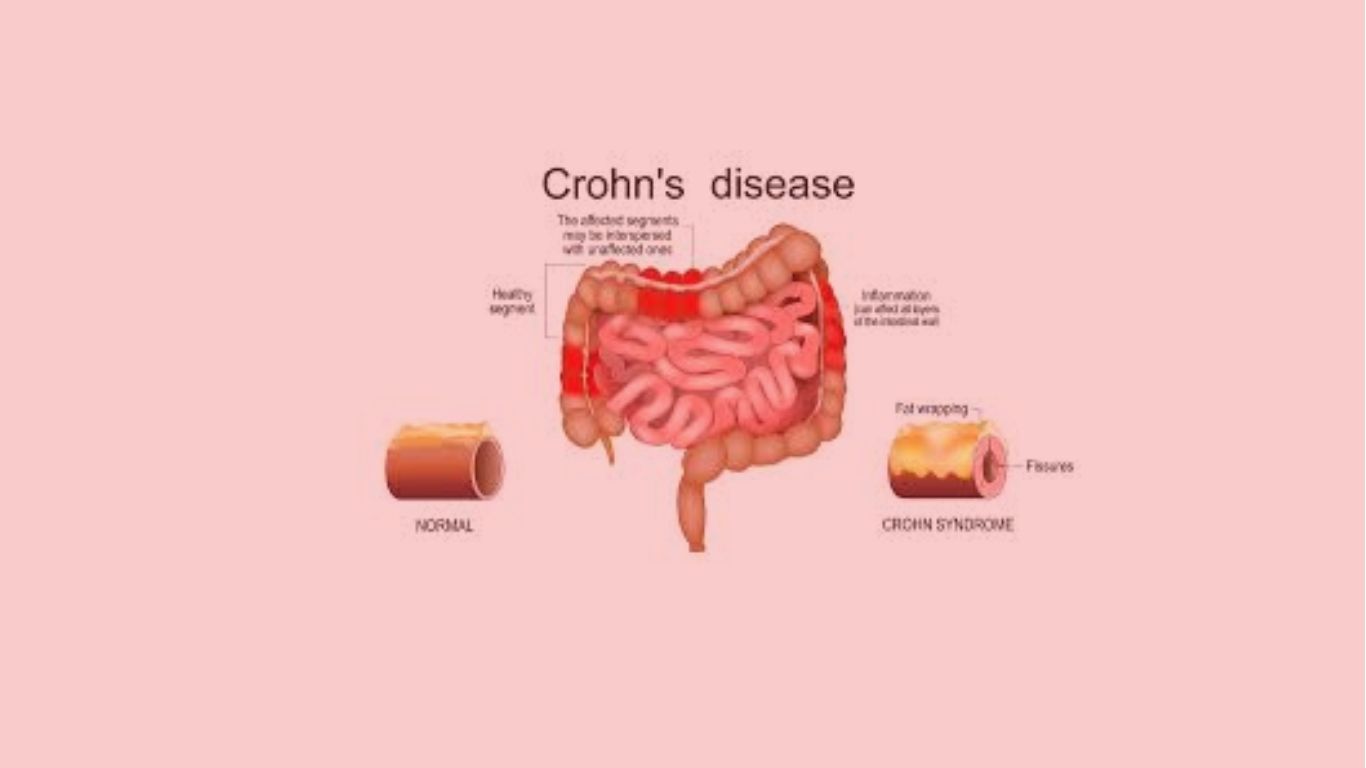
Crohn’s disease is a complex, lifelong condition that belongs to a group of illnesses known as Inflammatory Bowel Disease (IBD). It is characterized by chronic inflammation that can affect any part of the gastrointestinal (GI) tract, from the mouth to the anus, but most commonly targets the end of the small intestine (ileum) and the beginning of the colon. Unlike ulcerative colitis, which affects only the colon’s inner lining in a continuous pattern, Crohn’s disease is known for its “skip lesions”—patches of inflamed tissue interspersed with healthy areas—and its ability to penetrate through all layers of the bowel wall. This deep inflammation can lead to serious complications and significantly impact a person’s quality of life. Understanding Crohn’s requires delving into its unpredictable nature, where periods of debilitating symptoms (flare-ups) alternate with times of remission.
The Spectrum of Symptoms: More Than Just a Stomach Ache
The symptoms of Crohn’s disease are varied and extend far beyond digestive discomfort, often mimicking other conditions, which can delay diagnosis. They range from mild to severe and may develop gradually or appear suddenly.
Primary Gastrointestinal Symptoms:
-
Persistent Diarrhea: Often one of the first signs, it can be frequent and watery, sometimes containing mucus, pus, or blood.
-
Abdominal Pain and Cramping: Inflammation and ulceration can cause severe pain, typically in the lower right abdomen, but it can occur anywhere.
-
Rectal Bleeding: Bright red blood in the toilet bowl or mixed with stool is a common and alarming symptom.
-
Urgent Need to Move Bowels: A sensation of incomplete evacuation or urgent diarrhea.
-
Constipation: This may occur, often preceding a bowel obstruction.
-
Other GI Signs: These include nausea, loss of appetite, unexplained weight loss, and mouth sores.
Systemic and Extra-intestinal Symptoms:
Crohn’s is a systemic disease, meaning it affects the entire body.
-
Fatigue and Fever: Chronic inflammation leads to profound, debilitating fatigue. Low-grade fevers are common during flares.
-
Nutritional Deficiencies: Malabsorption due to small intestine inflammation can lead to deficiencies in iron (causing anemia), vitamin B12, vitamin D, and other essential nutrients.
-
Joint Pain (Arthritis): Inflammation can target the joints, causing pain and swelling in the knees, ankles, elbows, and wrists.
-
Skin Disorders: Conditions like erythema nodosum (tender red nodules on the shins) and pyoderma gangrenosum (painful, ulcerating sores) can occur.
-
Eye Inflammation: Uveitis or episcleritis can cause eye pain, redness, and blurred vision.
-
Liver and Bile Duct Inflammation: Conditions like primary sclerosing cholangitis, though more common in ulcerative colitis, can also be associated with Crohn’s.
-
Osteoporosis: Due to chronic inflammation and steroid use, bone density can decrease.
Complications and Long-Term Effects:
The transmural nature of Crohn’s inflammation can lead to serious complications:
-
Fistulas: Abnormal tunnels connecting the intestine to the skin, another organ (like the bladder or vagina), or another loop of intestine.
-
Abscesses: Pockets of infection, often in the abdomen or around the anus.
-
Strictures: Chronic inflammation can lead to scarring and narrowing of the bowel, causing obstructive symptoms like severe cramping, vomiting, and constipation.
-
Bowel Perforation: A rare but life-threatening rupture in the intestinal wall.
-
Increased Risk of Colon Cancer: Long-standing, extensive colon inflammation elevates colorectal cancer risk, necessitating regular surveillance.
Unraveling the Causes: A Perfect Storm of Factors
The exact cause of Crohn’s disease remains elusive. Researchers believe it results from a combination of factors—a “perfect storm” where a genetically susceptible individual experiences an abnormal immune response to environmental triggers in the gut.
1. Immune System Dysfunction: The prevailing theory is that in Crohn’s, the immune system mistakenly attacks harmless bacteria, food, or other substances in the gut as if they were foreign invaders. This misdirected attack causes chronic inflammation that does not subside, leading to tissue damage. It’s an issue of immune regulation, not simply an overactive immune system.
2. Genetics: Crohn’s has a strong genetic component. Having a first-degree relative (parent, sibling, or child) with IBD significantly increases your risk. Over 200 genes have been linked to IBD, many involved in how the body recognizes and responds to microbes. The most well-studied is the NOD2/CARD15 gene.
3. Gut Microbiome (Dysbiosis): The trillions of bacteria residing in our intestines play a crucial role in health. In Crohn’s, there is often an imbalance in this microbial community—a reduction in beneficial bacteria and an increase in potentially harmful ones. This dysbiosis may trigger or perpetuate the inflammatory response.
4. Environmental Triggers: Genetics loads the gun, but environment pulls the trigger.
-
Diet: Western diets high in processed foods, refined sugars, and unhealthy fats, and low in fiber, are associated with higher IBD risk.
-
Smoking: This is the most significant controllable risk factor. Smokers are twice as likely to develop Crohn’s, and it leads to more severe disease and complications.
-
Medications: Nonsteroidal anti-inflammatory drugs (NSAIDs like ibuprofen) can trigger flares. Antibiotics, especially in childhood, may alter the gut microbiome.
-
Geography and Hygiene: Crohn’s is more common in industrialized nations, urban areas, and northern climates. The “hygiene hypothesis” suggests that reduced exposure to microbes in childhood may hinder proper immune system development.
-
Stress: While not a direct cause, significant psychological stress can exacerbate symptoms and trigger flare-ups by influencing gut motility, permeability, and the immune response.
Prevention and Management: A Proactive Approach
There is no known way to prevent Crohn’s disease entirely due to its genetic underpinnings. However, strategies focus on reducing risk, achieving and maintaining remission, and preventing complications—a concept known as secondary prevention.
Lifestyle and Dietary Management:
-
Smoking Cessation: This is the single most important action a person with Crohn’s can take to improve their long-term outlook.
-
Nutritional Therapy: Diet is a cornerstone of management. While no single diet works for everyone, approaches like the low-FODMAP diet (for symptom control), the Specific Carbohydrate Diet (SCD), or a Mediterranean-style diet rich in anti-inflammatory foods can be beneficial. Elemental or polymeric diets are sometimes used to induce remission, especially in children.
-
Stress Reduction: Incorporating mindfulness, meditation, yoga, cognitive behavioral therapy (CBT), or regular gentle exercise can help modulate the brain-gut axis and reduce flare frequency.
-
Regular Monitoring: Adhering to scheduled colonoscopies and imaging is vital for monitoring disease activity, screening for cancer, and adjusting treatment.
Conventional Medical Treatment:
Conventional medicine aims to reduce inflammation, relieve symptoms, and achieve mucosal healing. Treatments are stepped up based on disease severity:
-
Anti-inflammatory Drugs: Aminosalicylates (for mild colonic disease) and corticosteroids (for short-term flare control).
-
Immunomodulators: Drugs like azathioprine and methotrexate suppress the immune system long-term.
-
Biologic Therapies: These are targeted antibodies (like anti-TNF drugs such as infliximab and adalimumab, or newer agents targeting integrins and interleukins) that block specific pathways of inflammation.
-
Surgery: Up to two-thirds of patients will require surgery to remove damaged sections of intestine, drain abscesses, or treat fistulas. Surgery is not a cure, as inflammation often recurs at other sites.
Exploring Homeopathic Treatment: A Complementary Perspective
Homeopathy is a system of alternative medicine based on the principle of “like cures like”—using highly diluted substances that, in larger amounts, would produce symptoms similar to the disease being treated. It views illness as a manifestation of a deeper imbalance in the body’s vital force and treats the individual holistically, not just the disease label.
The Homeopathic Approach to Crohn’s:
A homeopath does not treat “Crohn’s disease” per se but rather the unique symptom picture of the individual. The consultation is extensive, covering physical symptoms, emotional state, personality traits, food cravings/aversions, and modalities (what makes symptoms better or worse). The goal is to find a single, constitutional remedy that matches the totality of the person.
Commonly Considered Remedies (to be prescribed only by a qualified practitioner):
-
Mercurius Corrosivus: Indicated for severe, bloody diarrhea with extreme tenesmus (constant, ineffectual urge to pass stool) and burning pain. The person may be restless, anxious, and have offensive breath.
-
Argentum Nitricum: Suits anxious, impulsive individuals whose diarrhea and bloating are triggered by anticipation (e.g., before an event). Diarrhea can be greenish and explosive, accompanied by loud gas.
-
Sulphur: For burning sensations everywhere—stool, anus, abdomen. Stools are often urgent, waking the person early in the morning. A characteristic “philosopher of the ragged” disposition—intellectually inclined but untidy.
-
Podophyllum: For painless, profuse, gushing diarrhea that may alternate with constipation. Prolapse of the rectum may be present. Symptoms are often worse in the early morning.
-
Arsenicum Album: For burning pain relieved by warmth and small sips of warm drinks. Diarrhea is accompanied by profound exhaustion, anxiety, and restlessness. The person is fastidious and fearful of being alone.
Integration, Evidence, and Caution:
It is critical to approach homeopathy as a complementary, not alternative, therapy. No credible scientific evidence suggests homeopathy can replace conventional medicine in managing the underlying inflammation of Crohn’s or preventing its serious complications.
However, some patients report that a carefully selected homeopathic remedy, under the guidance of an experienced practitioner, can help with:
-
Improving overall well-being and energy levels.
-
Modulating stress and anxiety related to the condition.
-
Potentially alleviating some subjective symptoms.
Crucial Considerations:
-
Never discontinue conventional medications without explicit guidance from your gastroenterologist. Doing so can lead to dangerous flare-ups and complications.
-
Inform all your healthcare providers about every therapy you are using. A collaborative approach is safest.
-
Beware of “miracle cures.” Reputable homeopaths do not claim to cure Crohn’s but aim to support the body’s own healing capacity.
-
Seek a qualified practitioner. Look for a licensed homeopath with experience in managing chronic complex conditions, preferably one who is open to working alongside your medical team.
Frequently Asked Questions (FAQs): Homeopathic Medicines for Crohn’s Disease
Q1: Can homeopathy cure Crohn’s disease?
A: Homeopathy does not claim to “cure” chronic autoimmune conditions like Crohn’s disease in the conventional sense. Instead, it aims to manage the condition holistically by addressing the individual’s unique symptom picture, improving their vital force or immune response, and potentially reducing the frequency and severity of flare-ups. The goal is to support the body’s own healing mechanisms to achieve a better state of balance and well-being.
Q2: How is a homeopathic remedy selected for someone with Crohn’s?
A: Selection is highly individualized. A qualified homeopath will conduct a detailed consultation lasting an hour or more. They will ask not only about your specific Crohn’s symptoms (e.g., nature of pain, type of diarrhea, timing) but also about your emotional state, fears, food cravings, reactions to weather, sleep patterns, and overall personality. This “totality of symptoms” is used to match you with a single constitutional remedy, such as Argentum Nitricum for anxiety-driven symptoms or Mercurius Corrosivus for severe, burning diarrhea.
Q3: Can I use homeopathy instead of my prescribed medications (like biologics or steroids)?
A: Absolutely not. It is critical that you do not stop or reduce your conventional medications without the direct supervision of your gastroenterologist. Homeopathy should be considered a complementary therapy, not an alternative. Its role is to work alongside conventional treatment, possibly helping with overall vitality and symptom burden, but it does not replace drugs that are scientifically proven to reduce intestinal inflammation and prevent dangerous complications like fistulas or strictures.
Q4: Are homeopathic medicines safe to take with my other Crohn’s medications?
A: In general, due to the high dilutions used, homeopathic remedies are considered physically safe and are unlikely to cause direct chemical interactions with conventional drugs. However, you must always inform both your homeopath and your gastroenterologist about all treatments you are using. The primary risk lies in the potential delay of effective conventional care if homeopathy is used as a substitute, not in direct drug-remedy interaction.
Q5: How long does it take to see results with homeopathic treatment for Crohn’s?
A: The timeline varies greatly depending on the individual, the chronicity of the disease, and the accuracy of the remedy match. Some people may report an initial sense of improved well-being or subtle shifts in energy or mood within weeks. For changes in the core gastrointestinal symptoms or disease activity, it may take several months of consistent treatment under a practitioner’s guidance. Homeopathy is generally a long-term management strategy.
Q6: Will my homeopath recommend dietary changes as well?
A: A holistic homeopath often will. They understand that diet plays a significant role in managing Crohn’s symptoms. They may offer general nutritional guidance aligned with your overall treatment plan, such as suggesting anti-inflammatory foods or identifying personal trigger foods based on your case. However, for a specific, detailed diet plan (like the Low FODMAP or SCD), they may recommend you also consult a registered dietitian who specializes in IBD.
Q7: Are there any side effects of homeopathic medicines?
A: Homeopathic remedies are non-toxic. However, a small number of individuals may experience a “homeopathic aggravation” shortly after starting a remedy. This is a temporary, mild intensification of existing symptoms, seen as a sign that the remedy has stimulated the body’s healing response. It typically passes quickly. Any new, severe, or persistent symptoms should be reported immediately to your homeopath and medical doctor.
Q8: How do I find a qualified homeopath for Crohn’s disease?
A: Look for a licensed or registered healthcare professional who has specific training in homeopathy. Seek practitioners who:
-
Have experience managing complex chronic conditions like autoimmune disorders.
-
Are willing to communicate with your gastroenterologist (with your permission).
-
Do not promise a cure or insist you stop your conventional medications.
-
Are certified by a recognized national body (e.g., in North America, look for a Diplomate of the American Board of Homeotherapeutics [DABHt] or a practitioner registered with a Canadian provincial college).
Q9: Can homeopathy help with the stress and anxiety that comes with having Crohn’s?
A: Yes, this is considered one of the potential strengths of homeopathy. Since the constitutional remedy is chosen based on your mental and emotional state as well as your physical symptoms, it is intended to address the whole person. Remedies can be selected to help with anxiety, depression, fatigue, and the emotional toll of a chronic illness, which can indirectly benefit physical health by modulating the gut-brain axis.
Q10: What should I do if I have a severe flare-up while using homeopathy?
A: A severe flare-up is a medical situation that requires immediate conventional medical attention. Contact your gastroenterologist promptly. Homeopathy is not an emergency therapy for acute, severe inflammation, bleeding, or obstruction. Your homeopathic treatment plan can be adjusted after the acute crisis is managed with conventional care. Always prioritize safety and follow your established medical plan for flares.
Conclusion
Living with Crohn’s disease is a lifelong journey marked by uncertainty, but it is not without hope or strategy. It demands a multifaceted, personalized approach to care. Understanding the intricate interplay of symptoms, acknowledging the multifactorial causes, and proactively managing lifestyle factors form the bedrock of living well with this condition. Conventional medicine provides essential tools to control inflammation and prevent tissue damage, while complementary approaches like homeopathy, when used judiciously and ethically, may offer additional support for holistic well-being. The path forward lies in building a trusted healthcare team, becoming an informed advocate for your own health, and recognizing that management is a dynamic process of adaptation and resilience. Through continued research and integrated care, the goal of sustained remission and a high quality of life is increasingly attainable for those navigating the challenges of Crohn’s disease.