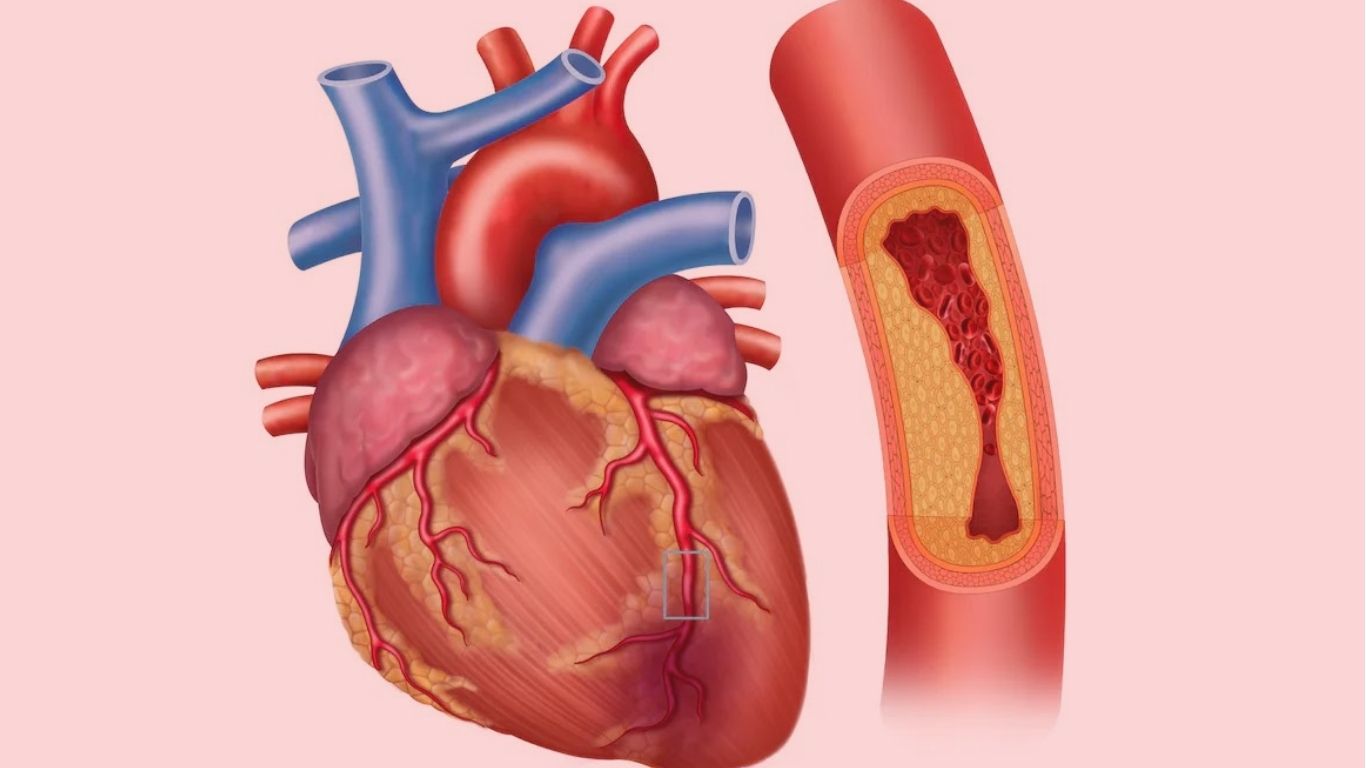
Explore Heart Blockage: Symptoms, Causes, Effects, and Effective Homeopathic Medicines for Heart Blockage.
Introduction:
Heart blockage, also known as coronary artery disease (CAD) or atherosclerosis, is a serious medical condition characterized by the
narrowing or blockage of the blood vessels that supply oxygen and nutrients to the heart muscle. It occurs when plaque, a sticky substance made up of cholesterol, fat, calcium, and other materials, builds up in the arteries over time. This buildup gradually restricts blood flow to the heart, leading to various health complications.
Symptoms of Heart Blockage:
The symptoms of heart blockage can vary widely and may range from mild discomfort to severe chest pain. Recognizing these signs is crucial for early intervention and prevention of complications. Common symptoms include:
- Chest Pain or Discomfort: The hallmark symptom of heart blockage is angina, a type of chest pain or discomfort. It may feel like pressure, squeezing, fullness, or pain in the center of the chest.
- Shortness of Breath: As the heart struggles to pump blood efficiently, individuals with heart blockage may experience shortness of breath, especially during physical activity or even at rest.
- Fatigue: Reduced blood flow to the heart can lead to fatigue and weakness. Individuals may find themselves easily exhausted, even after minimal exertion.
- Irregular Heartbeat: Heart blockage can disrupt the normal rhythm of the heart, leading to palpitations or an irregular heartbeat.
- Nausea and Sweating: Some people may experience nausea, vomiting, and sweating, which are additional symptoms that should not be ignored.
Causes of Heart Blockage:
Understanding the root causes of heart blockage is crucial for prevention and effective management. The primary cause is the buildup of
plaque within the coronary arteries, leading to atherosclerosis. Several factors contribute to the development of heart blockage:
- Unhealthy Lifestyle Choices: Sedentary lifestyles, poor dietary habits, and lack of exercise contribute significantly to the accumulation of plaque in the arteries. Diets high in saturated and trans fats, cholesterol, and sodium can exacerbate the risk.
- Smoking and Tobacco Use: Tobacco smoke contains harmful chemicals that damage blood vessels and increase the risk of atherosclerosis. Smokers are at a higher risk of developing heart blockage compared to non-smokers.
- Hypertension (High Blood Pressure): Elevated blood pressure puts strain on the arteries, promoting the formation of plaque. It is a major risk factor for heart blockage and other cardiovascular diseases.
- Diabetes: Individuals with diabetes are at an increased risk of heart blockage due to the impact of high blood sugar levels on blood vessels.
- Genetic Factors: A family history of cardiovascular diseases can predispose individuals to heart blockage. Genetic factors may influence cholesterol levels, blood pressure, and overall heart health.
Effects of Heart Blockage:
Heart blockage can have profound effects on an individual’s health and quality of life. The consequences of untreated or poorly managed
heart blockage include:
- Myocardial Infarction (Heart Attack): Severe blockages in the coronary arteries can lead to a heart attack. A heart attack occurs when the blood supply to a part of the heart muscle is blocked, causing damage or death to the affected tissue.
- Heart Failure: Chronic and untreated heart blockage can result in heart failure, where the heart is unable to pump blood effectively. This condition can lead to fluid buildup in the lungs and other parts of the body.
- Arrhythmias: Heart blockage can disrupt the electrical signals in the heart, leading to irregular heartbeats or arrhythmias. This can further compromise the heart’s ability to function properly.
- Stroke: In some cases, blood clots can form in the narrowed arteries and travel to the brain, causing a stroke. The risk of stroke is heightened in individuals with heart blockage.
- Reduced Quality of Life: Persistent symptoms such as chest pain, shortness of breath, and fatigue can significantly impact an individual’s daily life, limiting their physical activity and overall well-being.
Prevention
Prevention plays a crucial role in managing heart blockage. Adopting a healthy lifestyle is key to reducing the risk of developing this
condition. Here are some effective preventive measures:
- Balanced Diet: Follow a heart-healthy diet rich in fruits, vegetables, whole grains, lean proteins, and healthy fats while limiting saturated and trans fats, cholesterol, sodium, and added sugars.
- Regular Exercise: Engage in regular physical activity to maintain a healthy weight, improve cardiovascular health, and lower cholesterol levels. Aim for at least 150 minutes of moderate-intensity aerobic exercise or 75 minutes of vigorous exercise per week.
- Quit Smoking: Smoking damages the blood vessels and contributes to the development of plaque. Quitting smoking reduces the risk of heart blockage significantly.
- Control Blood Pressure and Cholesterol: Monitor and manage high blood pressure and cholesterol levels through a combination of a healthy diet, regular exercise, and, if necessary, medications prescribed by a healthcare professional.
- Manage Diabetes: If you have diabetes, it is crucial to control blood sugar levels effectively to reduce the risk of heart blockage. Regular monitoring, medication, a balanced diet, and exercise are important for diabetes management.
Homeopathic Medicines for Heart Blockage
Homeopathic medicine, as an alternative system of medicine, aims to stimulate the body’s self-healing abilities. It considers the individual’s unique symptoms and overall health condition. While there are various homeopathic medicines that may be prescribed based on specific symptoms and characteristics of the patient, it is essential to consult with a qualified homeopathic practitioner for proper diagnosis and treatment. Some commonly used homeopathic medicines for heart-related conditions include:
Crataegus
This remedy is known for its beneficial effects on the heart and circulatory system. It is often prescribed for managing cardiac symptoms such as angina, irregular heart rhythms, and palpitations.
Aurum Metallicum
It is recommended when there is severe constriction and blockage of the arteries. It may be used for individuals experiencing depression along with heart symptoms.
Digitalis
This remedy is useful when there is a weak or irregular heartbeat, and the person experiences palpitations, shortness of breath, and swelling in the legs.
Cactus Grandiflorus
It is prescribed when there is a feeling of tightness or constriction in the chest. This remedy is often used for angina, palpitations, and arrhythmias.
Lachesis
This remedy may be considered for individuals with a history of high blood pressure, hot flushes, and palpitations. It is also used when the symptoms worsen during sleep.
It is crucial to note that homeopathic treatment should be personalized and tailored to each individual’s specific symptoms and overall
health. Therefore, it is strongly recommended to consult a qualified homeopathic practitioner for a thorough evaluation and appropriate treatment plan.
Frequently Asked Questions (FAQs):
1. What is homeopathy and how does it work in treating heart blockage? Homeopathy is a holistic system of medicine that uses
highly diluted substances to stimulate the body’s self-healing abilities. In the context of heart blockage, homeopathic remedies aim to address the underlying causes and promote overall cardiovascular health.
2. Can homeopathic medicines completely cure heart blockage? Homeopathic treatments are designed to support the body’s natural
healing processes, but they may not guarantee a complete cure for heart blockage. It is essential to consult with a qualified healthcare professional for a comprehensive approach to heart health, combining conventional and complementary therapies.
3. What are some commonly used homeopathic medicines for heart blockage? Popular homeopathic medicines for heart blockage may include Crataegus oxyacantha (Hawthorn), Aurum metallicum (Gold), and Convallaria majalis (Lily of the Valley). However, the selection of remedies should be personalized based on an individual’s specific symptoms and overall health.
4. Are homeopathic medicines safe to use alongside conventional medications for heart blockage? It’s crucial to consult with a
healthcare professional before combining homeopathic medicines with conventional medications. A qualified practitioner can assess potential interactions and help create a safe and effective treatment plan tailored to the individual’s needs.
5. How long does it take to see results with homeopathic medicines for heart blockage? The time it takes to see results varies among
individuals and depends on various factors such as the severity of the condition, overall health, and adherence to the treatment plan. Patience is essential, and consistent follow-up with a healthcare provider is recommended.
6. Are there lifestyle changes that complement homeopathic medicines for heart blockage? Yes, adopting a heart-healthy
lifestyle is crucial. This includes maintaining a balanced diet, regular exercise, stress management, and avoiding tobacco and excessive alcohol consumption. Combining these lifestyle changes with homeopathic remedies can contribute to better overall cardiovascular health.
7. Can homeopathic medicines prevent heart blockage? While homeopathic medicines may support cardiovascular health, they are not a guaranteed preventive measure for heart blockage. A comprehensive approach that includes a healthy lifestyle, regular medical check-ups, and preventive measures recommended by healthcare professionals is essential for heart health.
8. Are homeopathic medicines suitable for everyone with heart blockage? Individual responses to homeopathic treatments vary, and
not every remedy is suitable for everyone. It’s essential to consult with a qualified homeopathic practitioner to determine the most appropriate medicines based on an individual’s unique symptoms and health history.
9. Can I self-prescribe homeopathic medicines for heart blockage? Self-prescribing homeopathic medicines for heart blockage is not
recommended. A qualified homeopathic practitioner can assess your specific condition and prescribe remedies tailored to your individual needs. Self-prescribing may lead to inappropriate treatment and delay in seeking necessary medical care.
10. Where can I find a qualified homeopathic practitioner for heart blockage? You can find qualified homeopathic practitioners
through reputable healthcare directories, recommendations from healthcare professionals, or by contacting recognized homeopathic associations. Always ensure that the practitioner has the necessary credentials and experience in treating cardiovascular conditions.
Conclusion:
In conclusion, heart blockage is a serious and potentially life-threatening condition that requires prompt attention and intervention.
Recognizing the symptoms, understanding the causes, and appreciating the potential effects are crucial steps in managing and preventing heart blockage. Lifestyle modifications, including a healthy diet, regular exercise, and avoiding tobacco, play a pivotal role in reducing the risk of heart blockage.
Regular health check-ups and screenings are essential, especially for individuals with a family history of cardiovascular diseases or
other risk factors. Early detection allows for timely interventions, potentially preventing the progression of heart blockage and its associated
complications.
Moreover, public awareness campaigns and educational initiatives are vital in promoting heart health and empowering individuals to
make informed choices about their lifestyle. Governments, healthcare professionals, and communities must work together to create an environment that supports cardiovascular health through policies, access to healthcare, and public health initiatives.
In essence, the fight against heart blockage requires a comprehensive and collaborative approach. By fostering a culture of prevention,
raising awareness, and ensuring access to healthcare, we can collectively work towards reducing the burden of heart blockage and improving the overall cardiovascular health of our communities. Remember, a heart-healthy lifestyle today can pave the way for a healthier and happier tomorrow.