Table of Contents
ToggleItching: A Comprehensive Guide to Types, Causes, Effects, and Homeopathic Medicines for Itching
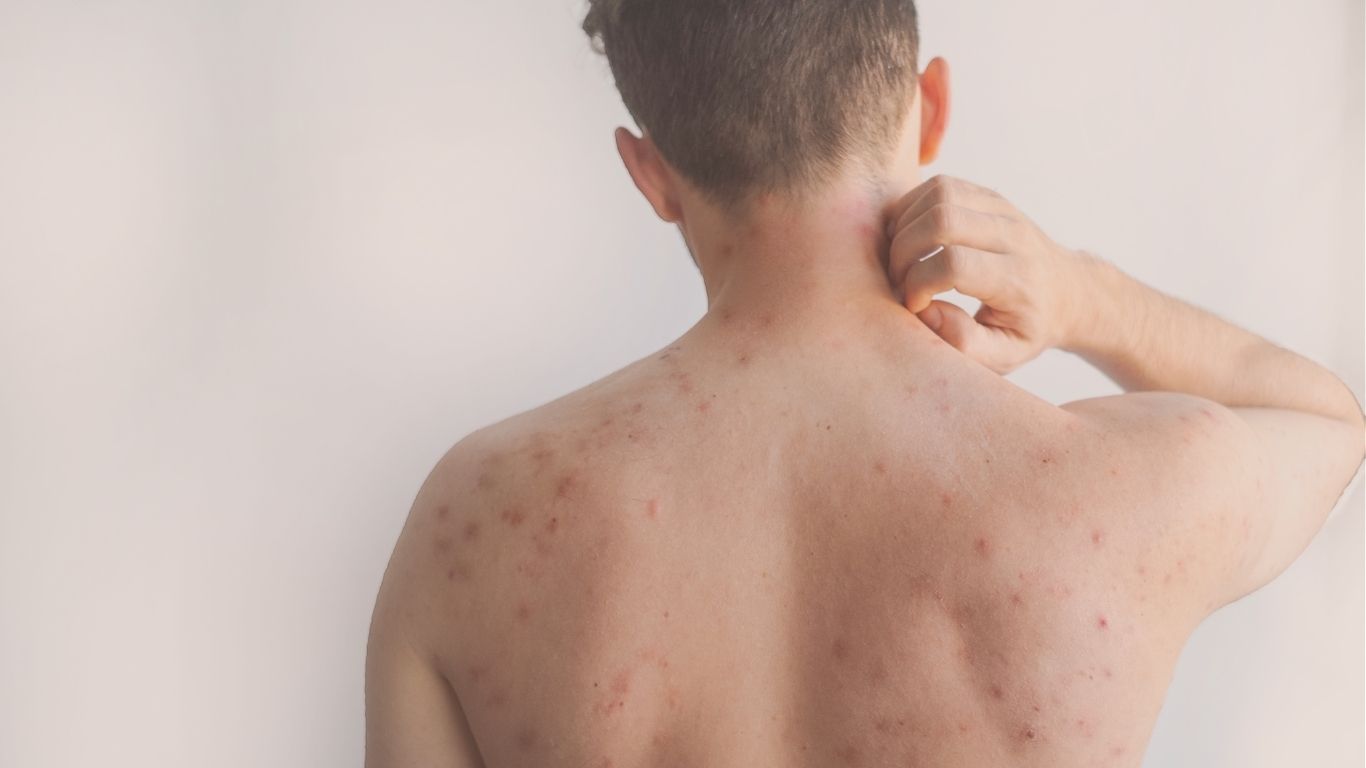
Itching, medically termed pruritus, is the most common symptom in dermatology and one of the most distressing sensations a human being can experience. It is defined as an unpleasant cutaneous sensation that provokes the desire to scratch. While occasional itching is a normal protective mechanism—alerting us to insects or irritants on the skin—persistent or chronic itching can become a debilitating condition that severely impacts quality of life. This article provides a detailed exploration of itching, examining its classification, underlying mechanisms, associated symptoms, root causes, physical and psychological effects, preventive strategies, and the holistic approach of homeopathic treatment.
Understanding the Sensation of Itch
To understand itching, one must first recognize it as a distinct sensory modality, separate from pain or touch. For decades, itch was considered a low-intensity form of pain, but modern neuroscience has firmly established that itch operates through dedicated neural pathways. Specialized nerve endings called pruritoceptors are located at the dermoepidermal junction of the skin. These are primarily unmyelinated C-fibers that are distinct from pain fibers, transmitting signals along the spinothalamic tract to the cerebral cortex.
The sensation of itch can be divided into two broad categories based on origin. Mechanical itch is triggered by light tactile stimuli such as a feather or a piece of wool against the skin. Chemical itch is triggered by the release of pruritogens—substances that activate itch fibers. The most well-known pruritogen is histamine, released from mast cells during allergic reactions. However, many non-histaminergic pathways exist, involving substances such as substance P, interleukin-31, tryptase, and opioids. This is why antihistamines often fail to relieve certain types of itching, such as that seen in lymphoma or kidney disease.
Detailed Classification of Itch Types
Classifying itch is essential for accurate diagnosis and treatment. The most widely accepted classification system divides pruritus into four main categories based on origin, though many clinical cases involve overlapping mechanisms.
Dermatological Pruritus
This is itch originating from diseased or inflamed skin. The skin itself is the source of the problem, and visible skin lesions are almost always present. Common conditions include atopic dermatitis, contact dermatitis, psoriasis, urticaria, lichen planus, scabies, and fungal infections. In dermatological pruritus, inflammatory mediators are released locally within the skin, directly activating pruritoceptors. The resulting itch-scratch cycle is particularly destructive. Scratching damages the epidermal barrier, releasing more inflammatory cytokines, which in turn intensifies the itch sensation.
Systemic Pruritus
Systemic pruritus occurs in the absence of primary skin disease. The skin appears normal aside from secondary scratch marks. The itch is a symptom of an underlying internal disorder, and the pruritogens reach the skin through the bloodstream. Common systemic causes include chronic kidney disease, cholestatic liver disease, thyroid disorders, polycythemia vera, iron deficiency anemia, and certain malignancies such as Hodgkin lymphoma. Renal pruritus, for example, is now understood to involve imbalances in the mu-opioid and kappa-opioid receptor systems, not simply accumulated urea as once believed.
Neuropathic Pruritus
Neuropathic itch arises from damage or dysfunction within the nervous system itself. Unlike dermatological itch, the skin is not the source; rather, the nerves are misfiring along the afferent pathway. Conditions such as postherpetic neuralgia, multiple sclerosis, stroke, brain tumors, and nerve entrapment syndromes can produce intense localized or generalized itching. This itch is often described as burning, stinging, or crawling, and it rarely responds to antihistamines or topical steroids.
Psychogenic Pruritus
Psychogenic itch is associated with psychiatric or emotional disorders. The sensation is genuine and not simply imagined, but it is driven or exacerbated by psychological distress. Conditions such as anxiety, depression, obsessive-compulsive disorder, and delusional parasitosis fall into this category. Stress is a potent activator of mast cell degranulation and neurogenic inflammation, meaning psychological states can directly trigger physical itching.
Symptoms Associated with Itching
Itching rarely occurs in isolation. The associated symptoms often provide vital clues regarding the underlying cause and must be carefully evaluated.
Primary Symptoms
The primary symptom is, of course, the sensation of itching itself. However, the character of the itch varies. It may be described as pricking, burning, crawling, stinging, or tickling. Some patients report superficial itching confined to the outer skin layers, while others describe a deep, insatiable itch that scratching cannot reach.
Secondary Skin Changes
Chronic scratching produces visible changes to the skin. Excoriations are linear abrasions caused by fingernails. Lichenification refers to thickened, leathery skin with exaggerated markings, resulting from prolonged rubbing. Prurigo nodules are firm, dome-shaped bumps that develop in response to repeated scratching. Hyperpigmentation or hypopigmentation may occur in areas of chronic inflammation.
Systemic Symptoms
When itching is secondary to systemic disease, accompanying symptoms may include fatigue, weight loss, night sweats, jaundice, pallor, or polyuria. The presence of such symptoms warrants immediate investigation beyond the skin.
Causes of Itching: A Multifactorial Web
The causes of itching are extraordinarily diverse, spanning dermatology, internal medicine, neurology, and psychiatry. A thorough understanding of these causes is essential for effective management.
External and Environmental Causes
Dry skin, or xerosis, is the most common cause of itching worldwide. It is exacerbated by low humidity, cold weather, excessive bathing with hot water, and harsh soaps. Irritants such as wool, fiberglass, and certain chemicals directly activate pruritoceptors. Insect bites introduce foreign proteins and histamine into the skin. Allergens in topical products, cosmetics, or laundry detergents trigger delayed-type hypersensitivity reactions.
Dermatological Diseases
Inflammatory skin diseases are a primary cause. Atopic dermatitis involves a defective skin barrier and immune dysregulation. Psoriasis involves rapid keratinocyte turnover and neurogenic inflammation. Urticaria involves massive histamine release from mast cells. Infections such as scabies, pediculosis, and fungal infections provoke intense itching through direct infestation or immune response.
Systemic Diseases
Chronic kidney disease is a well-established cause of generalized itching, particularly in advanced stages and dialysis patients. Cholestatic liver diseases, including primary biliary cholangitis and obstructive jaundice, cause itching due to accumulation of bile salts and possibly lysophosphatidic acid. Endocrine disorders such as hyperthyroidism and hypothyroidism alter metabolic rate and skin perfusion, provoking pruritus. Hematologic conditions like polycythemia vera cause aquagenic pruritus—itching triggered by contact with water. Iron deficiency anemia, even without anemia, can cause generalized itching. Malignancies, particularly Hodgkin lymphoma, leukemia, and certain solid tumors, may present with paraneoplastic pruritus as an early sign.
Medications
Numerous drugs can induce itching as a side effect. Opioids are notorious for causing histamine release and central itch. Antimalarials, certain antibiotics, and antifungal agents may cause cholestatic or allergic pruritus. Chemotherapeutic agents and targeted cancer therapies frequently cause xerosis and pruritus.
Neurological Causes
Nerve compression syndromes, diabetic neuropathy, and postherpetic neuralgia produce localized neuropathic itch. Brain lesions affecting the sensory pathways can produce contralateral or generalized itching.
Psychological Causes
Stress, anxiety, and depression are powerful modulators of itch perception. Psychiatric disorders may manifest with primary itching, and the distress of chronic itch can itself induce secondary depression and anxiety, creating a bidirectional relationship.
The Physical and Psychological Effects of Chronic Itching
The effects of chronic itching extend far beyond the skin. While acute itch serves a protective function, chronic itch is a pathological state that causes significant suffering.
Physical Effects
The most immediate physical effect is skin damage. The mechanical trauma of scratching disrupts the epidermal barrier, increasing transepidermal water loss and permitting entry of allergens and microbes. Secondary bacterial infections, particularly with Staphylococcus aureus, are common. Chronic rubbing leads to lichenification and nodular prurigo, which are notoriously difficult to reverse. Sleep deprivation is almost universal among patients with moderate to severe itching, as the sensation intensifies at night when external distractions are absent. Fatigue, impaired concentration, and reduced immune function follow.
Psychological Effects
The psychological toll of chronic itching is profound and frequently underestimated. Patients report feelings of helplessness, embarrassment, and social isolation. Visible scratch marks or disfiguring skin conditions attract unwanted attention and stigma. Concentration is impaired by the constant intrusion of itch. Depression and anxiety are common comorbidities, with some studies indicating that the quality of life impairment in severe pruritus rivals that of chronic pain. In extreme cases, suicidal ideation has been reported.
Social and Occupational Effects
Itching disrupts sleep, impairing daytime performance. Physical tasks requiring focus become difficult. Social interactions may be avoided due to embarrassment about scratching in public or the appearance of the skin. Occupational limitations may arise if the work environment exacerbates the condition or if appearance-based professions are involved.
Prevention of Itching
Prevention is always preferable to treatment, particularly when itching is triggered by identifiable environmental or behavioral factors.
Skin Barrier Preservation
Maintaining an intact and hydrated stratum corneum is the single most effective preventive measure against xerotic itch. Daily use of fragrance-free emollients restores lipid content and reduces transepidermal water loss. Bathing should be limited to short durations with lukewarm water, using gentle, pH-balanced cleansers. Immediately after bathing, emollients should be applied to damp skin to lock in moisture.
Trigger Avoidance
Patients with sensitive skin or known allergies should avoid known triggers. This includes wearing soft, breathable fabrics such as cotton and avoiding wool and synthetic fibers. Laundry detergents should be free of fragrances and dyes. Household humidity should be maintained at adequate levels, particularly during winter months when indoor heating dries the air.
Stress Management
Given the intimate connection between the nervous system and the skin, stress reduction is a critical preventive strategy. Mindfulness meditation, deep breathing exercises, yoga, and adequate sleep hygiene reduce systemic cortisol levels and stabilize mast cell activity.
Medical Monitoring
Patients with chronic systemic diseases known to cause pruritus should receive regular monitoring and optimal management of their underlying condition. Adequate dialysis, optimal thyroid hormone levels, and iron repletion can prevent or reduce the severity of associated itching.
Homeopathic Treatment of Itching
Homeopathy offers a unique and individualized approach to the treatment of itching. It is not a one-size-fits-all system; rather, it is based on the principle of similitude—”like cures like”—and the recognition that the same skin eruption in two different people may require entirely different remedies based on their constitutional makeup, mental state, and characteristic symptoms.
Principles of Homeopathic Prescribing
In homeopathy, itching is not merely a symptom to be suppressed. It is viewed as an expression of the body’s attempt to restore balance, and the remedy is selected to match the totality of the patient’s symptoms. The homeopath considers the precise sensation of the itch (burning, biting, crawling), the modalities that worsen or improve it (heat, cold, bathing, scratching), the appearance of any eruption, the mental and emotional state, and the patient’s overall constitution.
Key Homeopathic Remedies for Itching
Sulphur
Sulphur is one of the most frequently indicated remedies for itching, particularly when it is chronic and recurrent. The hallmark is intense burning itching that is worse from warmth, from bathing, and at night. Scratching provides temporary relief but is quickly followed by burning and rawness. The skin is dry, rough, and unhealthy, with a tendency to pustular eruptions. The patient often feels heated and throws off covers at night. Sulphur suits individuals who are philosophical, untidy, and intellectually driven but physically sluggish.
Apis Mellifica
Apis is specific for itching accompanied by stinging pain, like bee stings. The skin appears pink or red and is puffy and edematous. The itching and swelling are worse from heat and touch and are relieved by cold applications. Apis is often indicated in urticaria and allergic rashes. The patient may be irritable, busy, and averse to being disturbed.
Rhus Toxicodendron
This remedy is characteristic of itching associated with vesicular eruptions, such as eczema or poison ivy. The itching is intense and maddening, but it is paradoxically relieved by very hot water applications. The patient is extremely restless and cannot stay still, constantly moving to find a comfortable position. The eruption is worse in cold, damp weather and better with warmth and motion.
Graphites
Graphites is indicated for dry, rough skin that cracks easily, particularly on the hands, fingertips, and behind the ears. The itching is often worse at night. A characteristic feature is the exudation of a thin, sticky, honey-like fluid from the eruptions. The patient tends to be sluggish, chilly, and overweight, with a tendency toward digestive complaints.
Mezereum
This remedy is valuable for intensely itching crusty eruptions, particularly on the scalp and face. The crusts are thick and hard, and underneath they exude a thick, yellow pus. The itching is maddening, and scratching leads to bleeding and burning. The patient is extremely sensitive to cold air.
Dolichos Pruriens
Dolichos is a specific remedy for intense itching without any visible eruption, particularly in liver disease and jaundice. The itching is so severe it prevents sleep. It is also useful in herpes zoster before the vesicles appear, during the prodromal itching stage.
Arsenicum Album
Arsenicum is indicated for burning itching that is worse at night and from cold, and is relieved by warmth. The skin is dry, scaly, and unhealthy-looking. The patient is anxious, restless, fastidious, and often chilly, with a profound fear of disease and death.
Natrum Muriaticum
This remedy suits dry, chapped skin, particularly at the bends of joints and margins of the hairline. The itching is worse from heat, exertion, and emotional stress. The patient is often reserved, grief-stricken, or has suppressed emotions, and craves salt.
The Holistic Approach
The homeopathic treatment of itching extends beyond the prescription of the remedy. Dietary advice may include reducing intake of stimulants such as coffee, alcohol, and highly spiced foods, which can aggravate pruritus. Avoidance of chemical irritants in soaps and detergents is emphasized. The homeopath also addresses the psychological component, recognizing that suppressed emotions, stress, and grief are often intimately tied to skin eruptions.
Chronic and Constitutional Treatment
For acute, self-limiting itching—such as a mosquito bite or mild contact dermatitis—a single dose of a well-indicated remedy may resolve the symptom rapidly. However, for chronic itching, constitutional treatment is necessary. This involves a detailed case-taking process that explores the patient’s physical health, emotional patterns, life history, and genetic predispositions. A constitutional remedy prescribed on this deep level aims not merely to suppress the itch but to restore overall equilibrium, reducing susceptibility to the underlying imbalance that produces chronic pruritus.
Frequently Asked Questions About Homeopathic Medicines for Itching
Homeopathy remains one of the most misunderstood yet widely practiced systems of medicine for treating chronic skin conditions and itching. Patients often have legitimate questions about how it works, what to expect, and whether it is safe to use alongside conventional treatments. Below is a comprehensive compilation of the most frequently asked questions regarding homeopathic treatment for itching, answered in detail to provide clarity and guidance.
1. How do homeopathic medicines work to stop itching?
Homeopathic medicines do not work by directly blocking histamine receptors or suppressing inflammatory mediators in the way that antihistamines or steroid creams do. Instead, homeopathy operates on the principle of similitude—that a substance capable of producing certain symptoms in a healthy person can stimulate the body to resolve those same symptoms when given in a highly diluted form to a person who is sick.
In the context of itching, the homeopathic remedy acts as a gentle signal to the body’s vital force, or self-regulating mechanism. It encourages the organism to recognize that the intense itch sensation is inappropriate and to rebalance the neural and immune signaling involved. This is why homeopathic treatment often takes longer to act initially but produces more sustainable results by addressing the underlying susceptibility rather than merely masking the itch.
2. Are homeopathic medicines safe for children and infants with itching?
Yes, homeopathic medicines are exceptionally safe for children and infants when prescribed correctly. Because they are prepared through a process of serial dilution and succussion, the final preparations contain negligible to zero molecular traces of the original substance. This eliminates any risk of toxicity, drug interactions, or metabolic burden on the developing liver and kidneys.
Infants with atopic dermatitis, cradle cap, or teething-related facial rashes often respond beautifully to remedies such as Chamomilla for hot, cross, irritable itching, or Calcerea Carbonica for sour-smelling, moist eruptions on the scalp. Parents should still consult a qualified homeopathic practitioner rather than self-prescribing for very young children, as accurate remedy selection requires careful observation of the infant’s behavior and physical symptoms.
3. How long does homeopathic treatment take to relieve itching?
The speed of relief depends entirely on the nature and chronicity of the condition. In acute itching, such as an insect bite, mild allergic rash, or sudden urticaria, a well-selected homeopathic remedy can produce noticeable improvement within minutes to hours. Apis Mellifica for stinging, heat-aggravated hives, for example, often brings relief remarkably quickly.
In chronic conditions such as longstanding eczema, psoriasis, or neurodermatitis, treatment is necessarily slower and more progressive. The body must be gently guided out of a deeply entrenched pathological pattern. Initial relief of itching may occur within days to weeks, but complete healing of the skin and reduction in recurrence frequency may take several months of consistent constitutional treatment. Patience and adherence to the prescribed regimen are essential.
4. Can I take homeopathic medicines alongside antihistamines or steroid creams?
Yes, homeopathic medicines can generally be taken alongside conventional medications without adverse interactions. However, there are important considerations regarding timing and long-term strategy. Homeopathic remedies are absorbed through the mucous membranes of the mouth, and strong-tasting substances such as mint, coffee, or toothpaste used immediately before or after dosing may theoretically interfere with absorption.
Regarding corticosteroids, it is not advisable to discontinue steroid creams abruptly when beginning homeopathic treatment. This can provoke a severe rebound flare. Ideally, the patient works with both their dermatologist and homeopath to gradually and safely taper topical steroids as the homeopathic remedy takes effect and the skin begins to stabilize. The goal is not to replace one suppressive therapy with another, but to restore the skin’s natural resilience so that external medications are no longer required.
5. Why do my symptoms sometimes get worse before they get better?
This phenomenon, known as a healing aggravation or homeopathic aggravation, is a well-documented and generally favorable sign in classical homeopathy. It indicates that the remedy has been correctly selected and that the vital force is responding by mounting a heightened but temporary inflammatory reaction before resolution occurs.
In itching disorders, this may manifest as a brief intensification of the itch or a temporary increase in visible eruption before the skin begins to clear. The aggravation is typically short-lived, lasting hours to a few days. If the aggravation is severe or prolonged, the remedy potency may be too high or the dose too frequent, and the prescribing homeopath should be consulted for adjustment. Patients should never simply stop the remedy abruptly without guidance, as this can interrupt the curative process.
6. Is homeopathy effective for itching caused by serious diseases like kidney failure or liver disease?
Homeopathy can provide significant palliative relief and improve quality of life in cases of systemic pruritus associated with serious internal disease, but it is not a substitute for essential conventional medical management such as dialysis, ursodeoxycholic acid, or other disease-specific treatments.
In renal pruritus, for example, remedies such as Dolichos Pruriens or Arsenicum Album may reduce the intensity of the maddening, sleepless itching that plagues many dialysis patients. In cholestatic pruritus, remedies like Phosphorus or Chelidonium may offer relief. However, the underlying organ dysfunction remains, and homeopathic treatment must be integrated into a comprehensive medical plan. The role of homeopathy here is to improve comfort and reduce suffering, not to claim reversal of end-stage organ failure.
7. Can homeopathy cure chronic eczema or psoriasis permanently?
The term cure is complex in chronic, constitutional diseases. Homeopathy does not promise a magic bullet that eradicates the genetic and immunological predisposition to eczema or psoriasis. However, it can achieve long-term remission in a significant number of cases, often reducing the frequency, duration, and severity of flares to the point where the patient is essentially symptom-free for years.
True homeopathic cure involves more than clearing the skin. It requires that the patient’s overall health improves—better sleep, improved digestion, greater emotional stability—and that the susceptibility to recurrent itching diminishes. This is a deeper standard of healing than simply suppressing the visible rash. Patients with realistic expectations and commitment to constitutional treatment often achieve excellent outcomes.
8. Are there any side effects of homeopathic medicines for itching?
Properly prescribed homeopathic remedies in appropriate potency and dosage have no direct toxic side effects. They do not cause drowsiness, dry mouth, gastrointestinal bleeding, skin atrophy, or any of the common adverse effects associated with antihistamines, corticosteroids, or immunosuppressants.
The only potential adverse effects are related to incorrect prescribing. If a remedy is chosen poorly, it may simply fail to act. In some cases, it may produce a prolonged or unnecessary aggravation. This is why consulting a trained professional is strongly recommended. Self-prescribing based on a single symptom, such as “itching,” without considering the totality of the case often leads to disappointment.
9. What potency should I choose for itching—low or high?
Potency selection is a complex decision that depends on the sensitivity of the patient, the nature of the condition, and the depth of pathology. In classical homeopathy, low potencies such as 6C, 12C, or 30C are often used for acute, superficial itching and are repeated frequently, sometimes every few hours. High potencies such as 200C, 1M, or 10M are reserved for chronic, deep-seated constitutional conditions and are given infrequently.
For the layperson self-prescribing for a simple, acute itch, a 30C potency taken three to four times daily for one to three days is generally appropriate. If no improvement occurs despite correct remedy selection, professional advice should be sought. There is no universal “best” potency, and the same patient may respond differently to different potencies at different stages of their illness.
10. Can I take more than one homeopathic remedy at a time for itching?
Classical homeopathy strictly prescribes one single remedy at a time. This is because the vital force responds best to a single, precise stimulus. Giving multiple remedies simultaneously, or alternating them without clear indication, confuses the system and makes it impossible to determine which remedy is acting and whether the response is favorable.
There are, however, exceptions in certain complex or combination formulas marketed for skin conditions. While these may provide temporary symptomatic relief, they rarely produce the deep, lasting cure that a well-chosen single constitutional remedy can achieve. For serious or chronic itching, the classical approach is strongly recommended over polypharmacy.
11. Is it necessary to avoid certain foods or drinks during homeopathic treatment?
Classical homeopathy traditionally advises avoiding strong aromatic substances such as coffee, mint, camphor, and highly perfumed products around the time of taking the remedy. This is not because these substances are inherently antidotal to all remedies in all cases, but because they have strong odors and volatile oils that can interfere with the fine sensory absorption of the remedy on the oral mucosa.
Regarding diet for itching itself, homeopaths often recommend reducing inflammatory triggers such as excessive sugar, refined carbohydrates, alcohol, and spicy foods. This is not strictly an antidote to the medicine but a supportive measure to reduce the overall burden of inflammation on the body. Dairy and gluten are common triggers in eczema and may be trialed for elimination under professional guidance.
12. How do I store homeopathic medicines properly?
Homeopathic remedies are sensitive to extreme temperatures, direct sunlight, and strong electromagnetic fields. They should be stored in a cool, dark, dry place away from computers, televisions, microwaves, and mobile phones. The original container should remain tightly sealed, and the pellets should not be touched with the fingers, as oils and residues can contaminate them. Instead, the recommended method is to tip the required number of pellets directly into the cap and then into the mouth.
Improper storage does not render a remedy toxic, but it may diminish its therapeutic activity. Remedies stored for many years beyond their expiry date may lose potency and should be replaced.
13. Why did my itching come back after stopping the homeopathic medicine?
It is not uncommon for chronic itching to return temporarily after discontinuing a homeopathic remedy. This does not necessarily indicate failure. In many cases, the remedy has stimulated a curative response, but the vital force requires ongoing support until the system is fully stabilized.
When patients stop their remedy abruptly at the first sign of improvement, the underlying susceptibility may still be present, and symptoms can resurface. The correct approach is to follow the prescribing homeopath’s guidance regarding when to repeat the dose and when to stop. In some cases, a single dose of a high potency remedy is sufficient to trigger a long-lasting improvement. In others, periodic repetition is necessary. Relapses are often milder and shorter than the original episode and respond readily to the same remedy.
14. Can homeopathy help with pregnancy-related itching?
Yes, homeopathy offers safe and effective options for itching during pregnancy, a time when many conventional medications are contraindicated. Pruritic urticarial papules and plaques of pregnancy, intrahepatic cholestasis of pregnancy, and simple dry skin itching can all be addressed with carefully selected remedies.
Remedies such as Sepia, Pulsatilla, or Natrum Muriaticum are commonly indicated based on the accompanying symptoms and emotional state. However, pregnancy is a period requiring particular caution. Self-prescribing is not advisable. A qualified homeopath with experience in obstetric care should be consulted to ensure both maternal and fetal well-being.
15. Is homeopathic treatment for itching expensive?
Relative to lifelong reliance on steroid creams, frequent dermatologist visits, and immunosuppressive medications, homeopathic treatment is generally very affordable. Initial constitutional consultations with a professional homeopath may involve a higher upfront fee due to the extensive case-taking process, which can last one to two hours. However, the remedies themselves are inexpensive, and follow-up consultations are typically shorter and less frequent as improvement occurs.
When considering cost, patients should also consider the value of improved quality of life, reduced absenteeism from work, and freedom from the physical and emotional burden of chronic itching. In this context, homeopathy represents excellent value for money.
16. What should I do if the homeopathic remedy does not work?
If a correctly selected homeopathic remedy fails to produce any effect after an adequate trial period, several possibilities exist. The potency may be too low or too high for the individual. The dose frequency may be inappropriate. There may be ongoing exposure to an antidoting factor or a persistent underlying cause that has not been addressed, such as undiagnosed celiac disease, scabies infestation, or a medication side effect.
Alternatively, the initial remedy selection may have been incorrect. Homeopathic prescribing is an art and a science that requires careful observation and sometimes revision. Failure of one remedy does not mean failure of homeopathy; it means further investigation is needed. A competent homeopath will reassess the case, consider new symptoms that have emerged, and select a different remedy or adjust the potency.
17. Can children outgrow eczema with homeopathic treatment?
While the constitutional tendency toward eczema is inherited and may persist to some degree, many children treated constitutionally with homeopathy experience such significant improvement that they appear to have outgrown their condition entirely. The skin clears, sleep normalizes, irritability subsides, and the child becomes less reactive to allergens and environmental triggers.
This is one of the most rewarding aspects of homeopathic pediatrics. By treating the child rather than the rash, homeopathy supports the developing immune system in maturing beyond the atopic phenotype. Early intervention offers the best prognosis.
18. Is there scientific evidence supporting homeopathy for itching?
The scientific literature on homeopathy remains a subject of debate. There are numerous observational studies, case series, and clinical trials demonstrating positive outcomes in atopic dermatitis and other pruritic conditions. Critics point to methodological limitations and the implausibility of ultra-high dilutions according to current pharmacological models.
Proponents argue that homeopathy operates on principles not yet fully explained by conventional science and that clinical outcomes and patient-reported improvements cannot be dismissed solely due to theoretical objections. Many patients choose homeopathy not because of double-blind placebo-controlled trials, but because they have personally experienced relief where conventional medicine offered only suppression and side effects.
19. Can stress-related itching be treated with homeopathy?
Stress is one of the most potent triggers of itching, and homeopathy is exceptionally well-suited to treating conditions with a strong psychosomatic component. Remedies such as Ignatia Amara for grief-related itching, Natrum Muriaticum for suppressed emotion, and Arsenicum Album for anxious, restless itching address both the mental state and the physical symptom simultaneously.
By treating the underlying emotional terrain, homeopathy reduces the reactivity of the nervous system and the skin. Patients often report not only clearer skin but also greater emotional resilience and calmness.
20. How do I find a qualified homeopath for itching treatment?
Finding a qualified homeopath requires diligence. In many countries, homeopathy is regulated, and practitioners must complete accredited professional training programs. Look for practitioners registered with recognized professional bodies. A qualified homeopath will take a detailed case history, ask extensive questions about your physical symptoms, emotional state, sleep patterns, food preferences, and medical history. They will not simply prescribe based on the name of your diagnosis.
Beware of practitioners who promise instant cures, claim homeopathy can replace essential conventional treatment for serious diseases, or use only pre-packaged combination formulas without individualizing the prescription. True classical homeopathy is an individualized, holistic discipline that honors the complexity and uniqueness of every patient seeking relief from the torment of persistent itching.
Conclusion
Itching is a complex and multifaceted symptom that ranges from a fleeting annoyance to a devastating chronic condition. Its causes are legion, spanning dermatological, systemic, neurological, and psychological domains. Effective management requires accurate classification, a thorough search for underlying etiology, and a treatment approach that addresses both the symptom and the person experiencing it.
Homeopathy offers a valuable and distinct perspective. By treating the individual rather than the disease, and by selecting remedies based on the unique totality of symptoms, homeopathy can provide profound relief, particularly in chronic and therapy-resistant cases. It does not simply suppress the itch; it seeks to restore the internal balance that allows the skin—and the person—to heal. In an era of increasing interest in personalized and integrative medicine, the homeopathic approach to itching remains as relevant and effective as ever.