Table of Contents
ToggleDiscover homeopathic medicines for sinus infections (sinusitis). Explore symptoms, causes, effects and prevention.
Introduction
If you’ve ever experienced a lingering cold that seems to settle deep in your face, creating pressure, pain, and a feeling of fullness that won’t quit, you’ve likely encountered a sinus infection. Medically termed sinusitis, this common condition affects millions each year, turning simple acts like bending over or breathing through your nose into uncomfortable chores. Far more than just a “stuffy nose,” sinusitis represents a complex interplay of anatomy, inflammation, and often, our own immune responses. Understanding its nuances is key to finding relief and preventing its recurrence.
What Are Sinus Infections?
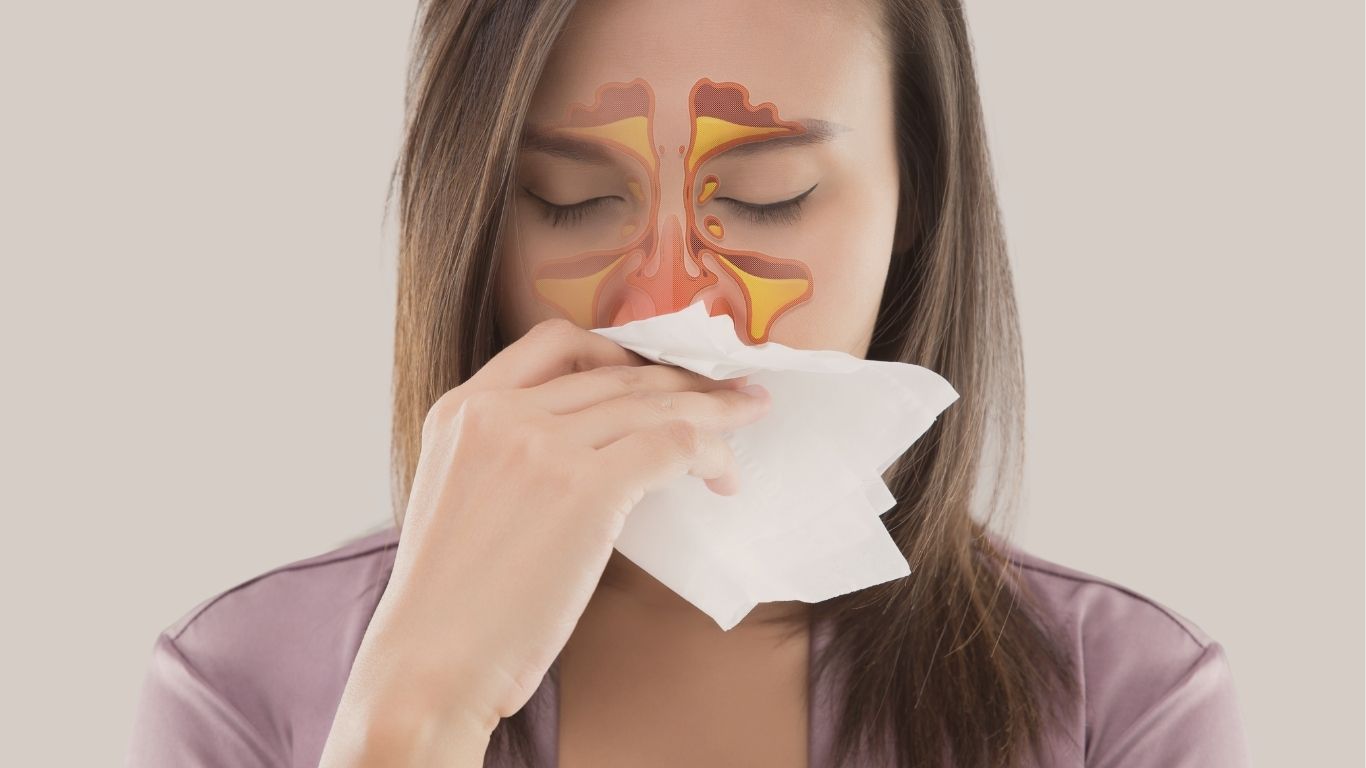
To understand sinusitis, we must first appreciate the sinuses themselves. We have four pairs of hollow, air-filled cavities located within the bones surrounding our nose: the maxillary (cheekbones), frontal (forehead), ethmoid (between the eyes), and sphenoid (behind the eyes). Lined with a soft, pink tissue called mucosa, their primary roles are to lighten the skull, resonate our voice, and produce mucus. This mucus is not an enemy; it’s a crucial defender, trapping dust, pathogens, and pollutants before they can reach our lungs. Tiny, hair-like structures called cilia then sweep this mucus toward the back of the throat, where it is harmlessly swallowed.
Sinusitis occurs when these drainage pathways become blocked. When the sinus openings are obstructed, mucus accumulates, creating a stagnant pool that becomes a perfect breeding ground for viruses, bacteria, or fungi. This leads to inflammation and swelling of the sinus lining, the hallmark of a sinus infection. The condition is broadly categorized by duration. Acute sinusitis often follows a cold and lasts up to four weeks. Subacute sinusitis lingers for four to twelve weeks. Recurrent acute sinusitis involves several distinct acute episodes within a year. Chronic sinusitis, a more persistent and complex form, continues for twelve weeks or more despite treatment attempts.
Symptoms: The Many Faces of Discomfort
The symptoms of sinusitis can range from mildly annoying to utterly debilitating, and they often mirror those of a common cold. The key differentiator is the duration and the specific combination of signs.
The cardinal symptoms include facial pressure and pain, often described as a dull, throbbing ache that worsens when bending forward. This pain is location-specific: forehead pain suggests frontal sinus involvement, cheek pain or toothache points to maxillary sinuses, pain between or behind the eyes indicates ethmoid issues, and deep earache, neck pain, or pain at the top of the head can signal sphenoid sinusitis.
Nasal congestion and obstruction are almost universal, making breathing through the nose difficult. This is accompanied by discolored nasal discharge—thick, yellow or green mucus draining from the nose or down the back of the throat (postnasal drip). A significantly reduced sense of smell (anosmia) and taste is another common and frustrating symptom.
Other frequent effects include a persistent cough (often worse at night due to postnasal drip), fatigue from poor sleep and the body’s immune battle, sore throat from drainage, and halitosis (bad breath). Some may experience fever, dental pain, or a feeling of fullness in the ears.
In chronic sinusitis, symptoms like facial pressure, nasal obstruction, thick discharge, and anosmia persist, often accompanied by a sense of fatigue and malaise that can significantly impact quality of life.
Causes and Contributing Factors: Why Do Sinuses Rebel?
The initial trigger for most acute sinus infections is a viral upper respiratory infection—the common cold. This viral invasion causes inflammation and swelling of the nasal passages, blocking the sinus ostia (drainage holes). In a small percentage of cases, a secondary bacterial infection may develop in the mucus-filled sinuses. Common bacteria include Streptococcus pneumoniae and Haemophilus influenzae.
However, sinusitis is not solely an infectious disease. Several underlying factors can predispose individuals to repeated or chronic episodes. Allergies (allergic rhinitis) are a prime culprit, causing chronic inflammation and swelling of the nasal mucosa. Anatomical variations, such as a deviated nasal septum, nasal polyps (soft, painless growths), or narrow sinus passages, can physically obstruct drainage.
Environmental irritants like cigarette smoke, air pollution, and strong chemical fumes can damage cilia and inflame the lining. Immune system deficiencies or disorders like cystic fibrosis and GERD (Gastroesophageal Reflux Disease) can also play a significant role. Furthermore, activities like frequent flying or scuba diving, which involve rapid pressure changes, can trigger sinus barotrauma and subsequent infection.
Effects and Complications: Beyond the Congestion
While most cases of acute sinusitis resolve without serious issue, untreated or severe infections can lead to complications, albeit rarely. Because the sinuses are located near vital structures, infection can spread. Potential complications include chronic sinusitis, which becomes a self-perpetuating cycle of inflammation. Asthma flare-ups can be triggered by the inflammatory process of sinusitis. Vision problems may occur if the infection spreads to the eye socket, causing reduced vision or even blindness. In extremely rare cases, infection can spread to the protective membranes and fluid surrounding the brain and spinal cord, causing meningitis, or lead to bone infections (osteomyelitis) or skin infections (cellulitis) in the face.
The less dramatic but equally impactful effect is on daily life. Chronic sinusitis can lead to significant fatigue, decreased productivity, poor sleep quality, and a diminished sense of well-being, often contributing to feelings of frustration and depression.
Prevention: Building a Moat Around Your Sinuses
While not all sinus infections can be prevented, proactive strategies can drastically reduce their frequency and severity. Hygiene is the first line of defense. Regular and thorough handwashing minimizes exposure to cold and flu viruses. Managing allergies effectively with guidance from a doctor, using medications or immunotherapy, is crucial for allergy sufferers.
Staying well-hydrated thins mucus, promoting better drainage. Using a humidifier in dry indoor environments can prevent the nasal passages from becoming dry and irritated. Nasal irrigation with a saline solution, using a neti pot or squeeze bottle, is one of the most effective preventive and therapeutic tools. It flushes out allergens, irritants, and thick mucus.
Avoiding known irritants, especially tobacco smoke, is non-negotiable. Supporting overall immune health through a balanced diet, regular exercise, and stress management can bolster your body’s defenses. Lastly, using over-the-counter decongestant sprays during a cold should be limited to three days to avoid rebound congestion.
Homeopathic Treatment: A Individualized Approach
Homeopathy offers a distinct perspective on sinusitis, viewing it not as an isolated disease to be suppressed, but as a manifestation of an underlying imbalance in the individual’s vital force. Homeopathic treatment is highly individualized, aiming to stimulate the body’s innate self-healing mechanisms. A homeopathic practitioner selects a remedy based on the totality of the person’s unique symptoms, emotional state, and constitution, not just the diagnosis of “sinusitis.”
Several homeopathic remedies are commonly considered for sinusitis, each with a specific symptom profile. It is important to note that these are examples and professional guidance is recommended for chronic or severe cases.
Kali Bichromicum is a prime remedy for thick, sticky, stringy mucus that is difficult to expel. The discharge is often yellow-green and may be felt as a postnasal drip. Pain is typically sharply localized to a small spot, often between the eyes or at the root of the nose, and there may be a feeling of emptiness or pressure in the sinuses.
Pulsatilla is indicated when the mucus is thick, yellow-green, and bland (non-irritating). Symptoms are characteristically changeable, and the person is often weepy, clingy, and seeks comfort and open air, which makes them feel better. Congestion is often worse in warm rooms and at night.
Hydrastis Canadensis is useful for thick, ropy, yellow postnasal drip that feels like it is constantly trickling down the throat. There is often a feeling of rawness and soreness in the nasal passages and frontal sinuses, accompanied by weakness and sometimes constipation.
Silicea is considered for chronic sinusitis where the infection seems to linger, with thick, yellow, offensive pus. It is suited to individuals who are often thin, prone to fatigue, and feel the cold intensely. There may be a sensation of a plug at the root of the nose.
Mercurius Solubilis is indicated when there is both excessive saliva and thick, green, offensive nasal discharge. The person may have bad breath, a coated tongue, and feel worse at night and in damp weather. Sensitivity to both heat and cold is common.
Hepar Sulphuris Calcareum is the remedy for sinusitis that is extremely sensitive to touch, cold air, and drafts. The pain is often splinter-like, and the infection may be suppurative (forming pus). The person can be very irritable and sensitive.
In addition to these, homeopathic nasal sprays with combinations of remedies like Luffa operculata, Galium aparine, and Saccharum officinale are sometimes used to relieve local congestion and inflammation.
Homeopathy’s role is often seen in managing acute flare-ups, reducing the frequency of recurrent infections, and addressing the chronic predispositions in cases of chronic sinusitis. It is considered a safe system of medicine with minimal risk of side effects when used appropriately. However, for severe, acute bacterial sinusitis with high fever and intense pain, conventional medical evaluation and possible antibiotic treatment are essential. A collaborative approach, using homeopathy for constitutional treatment and prevention while relying on conventional medicine for acute crises, is a path many choose.
Frequently Asked Questions: Homeopathic Medicines for Sinusitis
1. What is the fundamental principle behind using homeopathy for sinus infections?
Homeopathy operates on the principle of “like cures like” and individualized treatment. It uses highly diluted natural substances that, in a healthy person, would produce symptoms similar to those of the sinus infection. The goal is not to attack bacteria or viruses directly, but to stimulate the body’s own innate self-healing and immune response. A homeopath selects a remedy based on your unique and specific set of symptoms—such as the exact nature of your pain, the color and consistency of mucus, your emotional state, and what makes you feel better or worse—rather than just the generic diagnosis.
2. Are homeopathic medicines safe to use for acute sinusitis?
Yes, when used correctly, homeopathic medicines are considered extremely safe with a very low risk of side effects or drug interactions. They are non-habit-forming and do not cause drowsiness or the “rebound congestion” associated with long-term use of conventional decongestant nasal sprays. They can be a gentle option for both adults and children. However, it is always advisable to consult a practitioner for persistent or severe symptoms.
3. Can homeopathy treat chronic or recurrent sinusitis?
Yes, this is often where homeopathy can be particularly valuable. While acute flare-ups can be managed with specific remedies, a professional homeopath will typically focus on constitutional treatment for chronic or recurrent cases. This involves a deep assessment of your overall physical, mental, and emotional makeup to find a core remedy that addresses your underlying susceptibility to sinus issues. The aim is to reduce the frequency, severity, and duration of episodes over time by strengthening your system’s resilience.
4. How do I know which homeopathic remedy is right for my sinusitis?
Choosing the correct remedy requires matching your precise symptoms to the remedy’s known profile. For example:
-
Kali Bichromicum: For thick, sticky, stringy mucus that is hard to blow out; pain is pinpointed to a small spot.
-
Pulsatilla: For thick, yellow, bland discharge with a weepy, clingy mood; symptoms are changeable and better in open air.
-
Hydrastis: For constant, thick, ropy postnasal drip with a raw sensation in the sinuses.
A brief trial of a well-matched remedy for an acute episode may bring relief. For chronic issues or if you are unsure, consulting a qualified homeopath is essential for an accurate prescription.
5. Can I use homeopathic medicines alongside my conventional antibiotics or allergy medications?
Generally, yes. Homeopathic medicines are not known to interfere with the chemical action of conventional drugs. Many people use them in an integrative approach. However, it is crucial to inform all your healthcare providers—your MD and your homeopath—about all the medicines and supplements you are taking. A homeopath may advise on the timing of doses to ensure optimal effect from both systems of medicine.
6. How long does it take for homeopathic remedies to work on sinusitis?
For an acute sinus infection, a well-chosen remedy can often bring noticeable relief within hours to a day or two, especially in easing pain, pressure, and discharge. For chronic sinusitis, constitutional treatment is a longer-term process. You may see gradual improvement over weeks and months as the frequency of infections decreases. Patience and consistent follow-up with your practitioner are key.
7. Are there any dietary or lifestyle restrictions while taking homeopathic medicines?
Traditional homeopathic advice often suggests avoiding strong aromatic substances that might theoretically interfere with the remedy’s action. This commonly includes coffee, peppermint (in toothpaste or tea), camphor (in some balms), and eucalyptus. The recommendation is to avoid these for about 15-30 minutes before and after taking a remedy. It’s best to clarify specific instructions with your homeopath, as practices can vary.
8. Where can I purchase homeopathic medicines, and how are they taken?
High-quality homeopathic medicines are available in specialized homeopathic pharmacies, many health food stores, and increasingly, online. They commonly come as small white pellets (globules) or liquid dilutions. They are taken orally, allowed to dissolve under the tongue on a clean palate, away from food or strong flavors. Dosing frequency for acute issues can be several times a day, tapering off as symptoms improve.
9. What should I do if my symptoms get worse after taking a homeopathic remedy?
A temporary, mild aggravation of symptoms is sometimes seen as a positive sign that the remedy is actively stimulating the healing response. This should be brief and followed by clear improvement. If the aggravation is severe, prolonged, or concerning, you should stop the remedy and contact your homeopath or healthcare provider immediately. It may indicate the remedy was not the correct match.
10. When should I absolutely seek conventional medical care instead of relying solely on homeopathy?
Homeopathy is a complementary system. Seek immediate conventional medical attention if you experience severe symptoms such as:
-
High fever (over 103°F or 39.4°C)
-
Sudden severe facial pain or swelling, especially around the eyes.
-
Visual changes (double vision, loss of vision).
-
Symptoms of confusion, stiff neck, or severe headache, which could indicate a serious complication.
-
Symptoms that are rapidly worsening or not improving after a reasonable trial of homeopathic care.
Homeopathy works best as part of a coordinated and sensible healthcare plan, not as a replacement for necessary emergency or conventional medical intervention.
Conclusion
Sinusitis is a multifaceted condition that demands a nuanced understanding. From its anatomical origins to its varied triggers and wide-ranging effects, it is more than a simple nuisance. Effective management combines proactive prevention, savvy symptom recognition, and a treatment philosophy—whether conventional, homeopathic, or integrative—that addresses the root causes and the individual as a whole. By listening to the messages our sinuses send, we can work towards not just temporary relief, but lasting respiratory health.













1 thought on “Homeopathic Medicines for Sinus infections (Sinusitis)”