Table of Contents
ToggleWrinkles: The Landscape of Time: A Comprehensive Guide and Homeopathic Medicines for Wrinkles
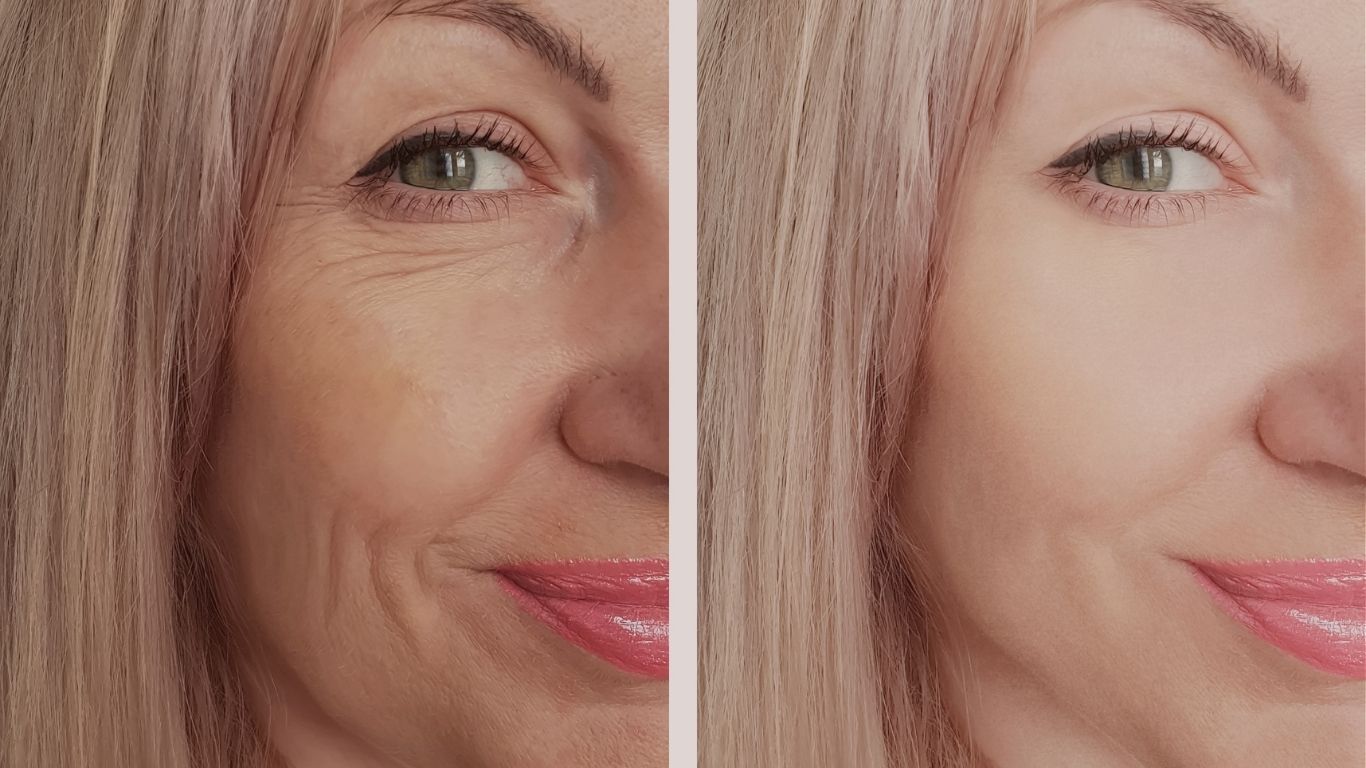
Wrinkles, those fine lines and creases that etch themselves onto our skin, are a universal and inevitable part of the human experience. They are the topographical map of a life lived, reflecting years of expression, experience, and exposure. While often viewed through the lens of cosmetic concern, understanding wrinkles involves delving into the complex biology of skin, the myriad forces that accelerate their formation, and the holistic approaches, including homeopathy, that aim to address them. This detailed exploration covers their symptoms, root causes, broader effects, preventive strategies, and the principles of homeopathic management.
Understanding the Symptoms: More Than Just Lines
Wrinkles are not a monolithic phenomenon; they manifest in distinct types and stages, each with its own character.
1. Fine Lines: These are the earliest, most superficial wrinkles. They appear as subtle, shallow traces, often first noticed around the eyes (crow’s feet), mouth, and forehead. They are primarily visible when the face is in motion, such as when smiling or squinting, and may disappear when the skin is relaxed.
2. Static Wrinkles: As skin loses elasticity and collagen, fine lines deepen into permanent grooves that are visible even when the facial muscles are at rest. Common examples include the nasolabial folds (lines running from the sides of the nose to the corners of the mouth) and horizontal lines across the forehead.
3. Wrinkle Folds: These are the most pronounced, resulting from the combined effects of skin sagging and volume loss in the deeper facial structures. They create dramatic folds, such as the marionette lines that run from the corners of the mouth down to the chin, or the sagging of the jowl area.
4. Textural Changes: Accompanying visible lines are often changes in skin texture. The skin may appear leathery, dry, thin, or finely wrinkled like parchment. A loss of the youthful, smooth radiance is a key symptomatic change.
Delving into the Causes: The Intrinsic and Extrinsic Architects
Wrinkle formation is a dance between intrinsic (genetic, biological) aging and extrinsic (environmental, lifestyle) aging. They are often termed “chronological aging” and “photoaging,” respectively.
Intrinsic Causes:
-
Genetic Blueprint: Your genes largely determine your skin’s thickness, oil production, and the age at which collagen and elastin production naturally begin to decline.
-
Chronological Aging: As we age, critical processes slow down. Fibroblasts produce less collagen and elastin—the structural proteins that provide strength and snap. The skin’s natural renewal cycle decelerates, leading to a buildup of dead, dull surface cells. Subcutaneous fat diminishes, particularly in the cheeks, temples, and chin, leading to hollowing and loosening of the skin.
-
Hormonal Changes: Significant shifts, particularly the drop in estrogen during menopause, can drastically reduce skin moisture and collagen synthesis, leading to sudden increases in dryness and wrinkling.
Extrinsic Causes (The Accelerators):
-
Sun Exposure (Photoaging): Ultraviolet (UV) radiation is the single greatest accelerator of wrinkles. UVA rays penetrate deeply, degrading collagen and elastin fibers. UVB rays damage the skin’s surface. Together, they cause oxidative stress, break down supportive structures, and impair the skin’s ability to repair itself. This leads to deep wrinkles, uneven pigmentation, and a leathery texture.
-
Smoking: The chemicals in cigarette smoke constrict blood vessels, starving the skin of oxygen and nutrients. They also directly damage collagen and elastin. The repetitive facial motions of smoking (pursing lips, squinting eyes) create characteristic wrinkle patterns.
-
Facial Expressions & Sleep Positions: Habitual expressions like frowning, squinting, or smiling create grooves beneath the skin’s surface. Over decades, these grooves become permanent. Similarly, sleeping with your face pressed into a pillow can create “sleep lines” that eventually become etched on the skin.
-
Poor Nutrition & Dehydration: A diet deficient in antioxidants (Vitamins C, E, A), healthy fats, and proteins deprives the skin of the building blocks it needs for repair and protection. Chronic dehydration makes skin less plump, making wrinkles more apparent.
-
Environmental Stressors: Pollution, especially particulate matter, can generate free radicals that damage skin cells and accelerate aging. Extreme weather conditions (wind, cold) can strip the skin’s natural moisture barrier.
The Multifaceted Effects: Beyond the Mirror
The impact of wrinkles extends far beyond cosmetic appearance, influencing psychological, social, and even physical well-being.
Psychological & Social Effects: In a youth-oriented culture, wrinkles can be unfairly stigmatized as signs of declining vitality or competence. This can lead to diminished self-esteem, social anxiety, and in some cases, contribute to conditions like depression. Individuals may feel their external appearance no longer matches their internal sense of self, leading to a phenomenon sometimes termed “dysphoria of aging.” Professionally, studies have shown that ageism can manifest, with individuals facing unconscious bias.
Physical Effects: Very deep wrinkles, especially in areas with thin skin, can sometimes trap moisture and bacteria, leading to minor skin irritations or infections. The thinning of the skin associated with aging also makes it more fragile and prone to injury.
The Positive Narrative: It is crucial to counterbalance this with the positive narrative. For many, wrinkles represent wisdom, resilience, and a life rich with experience. They are the marks of laughter, concentration, and empathy—a history written on the skin.
The Pillars of Prevention: Proactive Skin Longevity
While wrinkles cannot be stopped entirely, their onset and severity can be dramatically slowed through consistent, intelligent prevention.
1. Sun Protection is Non-Negotiable: Daily use of a broad-spectrum sunscreen with an SPF of 30 or higher is the most effective anti-aging strategy. This includes cloudy days and winter months. Supplement with wide-brimmed hats, sunglasses, and seeking shade.
2. Embrace a Skin-Nourishing Diet: Consume a diet rich in colorful fruits and vegetables (antioxidants), fatty fish (omega-3s), nuts, seeds, and lean proteins. Stay impeccably hydrated by drinking water throughout the day.
3. Cultivate a Superior Skincare Routine:
-
Cleanse Gently: Avoid harsh soaps that strip natural oils.
-
Moisturize Religiously: A good moisturizer traps water in the skin, temporarily plumping up cells and making wrinkles less visible.
-
Incorporate Actives: Vitamin C serums (antioxidant), Retinoids (Vitamin A derivatives that boost collagen and cell turnover), and Niacinamide (improves elasticity and barrier function) are gold-standard ingredients supported by science.
4. Make Lifestyle Commitments: Quit smoking entirely. Limit alcohol consumption, as it dehydrates the skin. Prioritize quality sleep (7-9 hours) in a supine position to avoid sleep lines. Manage chronic stress through mindfulness, yoga, or meditation, as stress hormones like cortisol can break down collagen.
The Homeopathic Perspective: Treating the Individual Terrain
Homeopathy offers a distinct, holistic approach to managing wrinkles. It does not seek to merely erase a symptom but to understand and address the underlying constitutional state of the individual that may predispose them to premature or severe aging. Treatment is highly individualized.
Core Philosophy: Homeopathy views wrinkles not as an isolated local problem, but as an outward expression of the body’s internal vitality. Premature aging may indicate a constitutional weakness or imbalance. The homeopath will conduct a detailed interview, considering not just the skin’s appearance but also the person’s overall health, temperament, responses to environment, and genetic predispositions.
Commonly Used Homeopathic Remedies (Must be prescribed by a qualified practitioner):
-
Silicea (Silica): Often considered for individuals who age prematurely, with thin, withered, pale skin that looks old. They may be intellectually keen but physically frail, prone to fatigue and chilliness. Suits wrinkles that appear early, especially with unhealthy skin that is prone to infections or slow healing.
-
Phosphoric Acid: Indicated for profound exhaustion and grief, which can manifest as a sudden, aged appearance. The face may look sunken, with dark circles and hollow eyes. Suits wrinkles that seem to appear after a period of intense mental stress or emotional shock.
-
Sabadilla: Thought of for skin that appears excessively wrinkled, dry, and withered, looking much older than the person’s chronological age. Often considered with a history of allergies or nervous sensitivity.
-
Radium Bromatum: Used in cases of advanced photoaging, where the skin appears deeply wrinkled, leathery, spotted, and has suffered significant damage from sun or radiation exposure. There may be a burning sensation.
-
Abrotanum (Southernwood): Particularly considered for wrinkled skin in children or young people, or when the face looks withered and old, while the body may be emaciated. Suits cases where malnutrition or wasting diseases are part of the history.
-
Baryta Carbonica: For a prematurely aged appearance, often in individuals who may be shy, have delayed development, or suffer from recurrent ailments. The skin may be loose and hang in folds.
Adjuvant Support: Homeopathic practitioners often complement constitutional treatment with tissue salts (biochemic salts) like Silicea for skin elasticity, Kali Phos for nerve health and stress-related aging, and Natrum Mur for deeply dehydrated, cracked skin.
Important Considerations: Homeopathy is a slow, deep-acting system. Results, if they occur, take time and require patience. It does not replace sun protection or a healthy lifestyle but aims to work alongside them to improve the body’s inherent resilience. A qualified homeopath should always be consulted for an individualized prescription, as self-prescribing for a constitutional issue is not advisable.
Frequently Asked Questions (FAQs) About Homeopathic Medicines for Wrinkles
1. Can homeopathic medicines completely eliminate my wrinkles?
Homeopathy does not aim to “eliminate” wrinkles like a filler or laser might. Instead, it focuses on improving the underlying vitality of the skin and the body’s constitution. The goal is to slow down premature aging, improve skin texture, hydration, and elasticity, which may make wrinkles appear less prominent. Results vary greatly depending on the individual’s age, skin history, and overall health.
2. How do I know which homeopathic remedy is right for me?
This is the most critical point. In classical homeopathy, there is no single “wrinkle remedy.” The correct remedy is chosen based on a full picture of you as an individual. A qualified homeopath will conduct a detailed consultation, considering not just your wrinkles, but also your skin type, general health, temperament, how you react to heat/cold, stress, your medical history, and even your food cravings. Self-prescribing for a deep-seated issue like aging is strongly discouraged.
3. Are homeopathic medicines safe to use with my regular skincare products?
Generally, yes. Homeopathic medicines are non-invasive and typically have no chemical interaction with topical creams or serums. However, it’s best to inform your homeopath about all products and medications you use. Some practitioners advise taking the remedies away from strong substances like coffee, mint (toothpaste is fine), or camphor, as they are believed to potentially interfere with the action of the remedy.
4. How long will it take to see results with homeopathic treatment for wrinkles?
Patience is key. Homeopathy is not a quick fix. Since it works on a deep, constitutional level, changes occur gradually. You might first notice improvements in overall skin hydration, brightness, or texture. A reduction in the depth of fine lines may follow. A minimum commitment of 3-6 months is often necessary to assess the response, and treatment can be ongoing for optimal benefits.
5. Can homeopathy help with deep, static wrinkles caused by sun damage?
Homeopathy can be part of a management plan for sun-damaged skin. Remedies like Radium Bromatum are often considered for skin that is deeply wrinkled, leathery, and spotted from chronic sun exposure. The aim would be to support the skin’s healing processes and improve its overall quality, though it is unlikely to completely reverse deep, established folds. It works best as a complementary approach alongside sun protection and professional dermatological care.
6. I’m already using retinoids or vitamin C serum. Should I stop if I start homeopathy?
No, you do not need to stop evidence-based topical treatments unless advised by a healthcare professional. Many homeopaths view their treatment as working on an internal, energetic level while topical actives work on the skin’s surface biology. The two can often be complementary. Always communicate all your regimens to both your dermatologist and homeopath.
7. Are there any homeopathic creams or ointments for wrinkles I can apply directly?
While some companies sell homeopathic topical preparations, classical homeopathic treatment is primarily based on orally administered remedies (pellets or liquids). The philosophy holds that the internal constitutional remedy will manifest its effects outwardly on the skin. Topical applications are considered more superficial and are not the mainstay of constitutional anti-aging treatment.
8. What lifestyle changes should I make alongside homeopathic treatment for best results?
Any competent homeopath will emphasize that medicine alone is not enough. They will strongly reinforce the pillars of prevention: strict sun protection with sunscreen and hats, a nutrient-rich diet full of antioxidants, adequate hydration, quitting smoking, managing stress, and ensuring quality sleep. Homeopathy is seen as a catalyst to help your body utilize these healthy practices more effectively.
9. Is homeopathic treatment for wrinkles expensive?
Costs vary by practitioner and region. Typically, there is an initial, longer consultation fee (which can be substantial), followed by lower fees for shorter follow-up visits every 4-8 weeks. The actual medicines themselves are usually inexpensive. When considering cost, factor in the commitment to a longer-term process rather than a single procedure.
10. Can homeopathy prevent wrinkles from forming in the first place?
This is where homeopathy’s preventive philosophy shines. By addressing constitutional weaknesses, improving overall vitality, and helping the body better manage stress and environmental insults, homeopathic treatment can be a valuable part of a proactive strategy to maintain skin health and potentially delay the signs of premature aging. Starting in one’s 30s or early 40s, before deep wrinkles set in, is often considered an ideal time for a constitutional approach.
Conclusion: A Holistic Embrace of Aging
Wrinkles are a complex interplay of biology, environment, and time. Viewing them solely as flaws to be eradicated does a disservice to our humanity. The most empowered approach combines pragmatic, evidence-based prevention—centered on sun protection and skincare—with an appreciation for the body’s natural journey. For those seeking an alternative path, homeopathy offers a unique constitutional model that considers the person behind the skin. Ultimately, whether one chooses advanced dermatology, holistic practices, or a blend of both, the goal should be healthy, resilient skin and a mindset that honors the story it tells. True beauty lies not in the absence of lines, but in the vitality that shines through them.













1 thought on “Homeopathic Medicines for Wrinkles”