
Table of Contents
ToggleBronchitis: Causes, Effects, Prevention and Homeopathic Remedies for Bronchitis
Introduction
Coughing that lingers for weeks, chest discomfort that makes every deep breath a conscious effort, and the nagging feeling that your body is fighting something that just won’t let go—this is the reality for millions of people who experience bronchitis each year. Whether you’re currently battling a stubborn cough or simply want to understand this common respiratory condition better, knowing what happens inside your airways can make a significant difference in how you manage and recover from bronchitis.
What Is Bronchitis? Defining the Condition
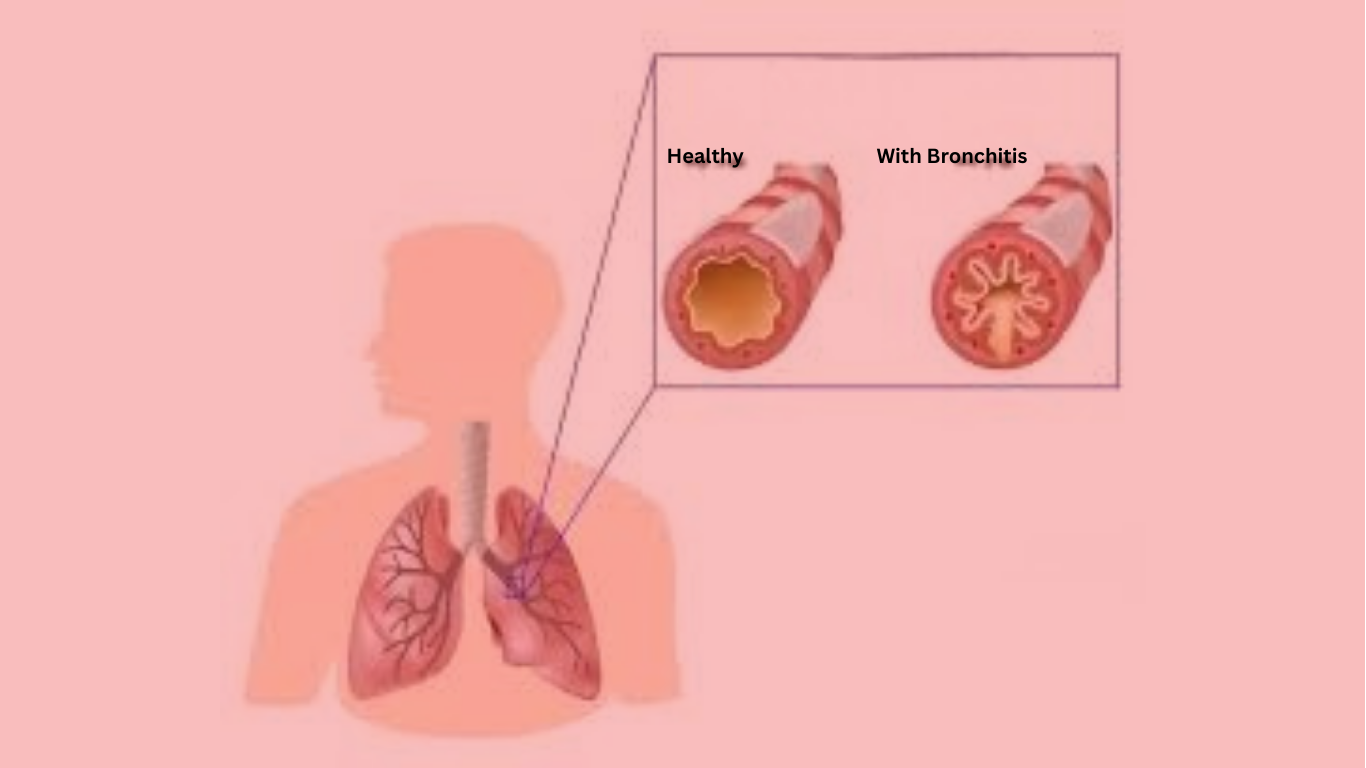
Bronchitis refers to the inflammation of the bronchial tubes—the airways that carry air from your windpipe (trachea) into your lungs. When these tubes become irritated and swollen, they produce excess mucus, triggering a persistent cough as your body attempts to clear the airways . Think of your bronchial tubes as tree branches delivering air to the leaves (your lungs). When those branches become inflamed and clogged, the entire system struggles to function properly.
The condition typically falls into two distinct categories: acute bronchitis and chronic bronchitis. Understanding which type you’re dealing with is crucial because they have different causes, durations, and treatment approaches .
Acute bronchitis is often called a “chest cold.” It develops rapidly, usually following a viral infection like the common cold or flu. The hallmark symptom is a cough that may last one to three weeks. This is the form most people experience when they say they have bronchitis, and it’s generally self-limiting—meaning it resolves on its own without requiring extensive medical intervention .
Chronic bronchitis, by contrast, is a more serious, long-term condition. Medical professionals diagnose chronic bronchitis when a person has a productive cough that lasts at least three months, with recurring episodes occurring for at least two consecutive years . This form of bronchitis is actually a type of chronic obstructive pulmonary disease (COPD) and represents permanent damage to the airways that requires ongoing management .
Recognizing the Symptoms of Bronchitis
The symptom profile of bronchitis can vary depending on whether you’re experiencing acute or chronic forms, but there are common threads that tie them together.
Acute Bronchitis Symptoms
Acute bronchitis typically begins with the familiar signs of a common cold: runny nose, sore throat, and general fatigue . Then, after several days, the cough emerges. Initially, the cough is usually dry and hacking, but over time it often becomes productive, bringing up mucus that can range from clear to white, yellow, or even green .
Many people become concerned when they see yellow or green mucus, mistakenly believing this signals a bacterial infection requiring antibiotics. However, this color change simply indicates that immune cells called neutrophils have moved into the airways to fight the inflammation—it does not automatically mean bacteria are present .
Other symptoms you might experience include:
Chest soreness or tightness from persistent coughing
Mild wheezing or shortness of breath, particularly during physical activity
Low-grade fever (typically below 100.4°F or 38°C)
Fatigue that can persist even after other symptoms improve
One of the most frustrating aspects of acute bronchitis is how long the cough can last. While most people feel better within a couple of weeks, the cough can persist for two to three weeks or even longer in some cases . This happens because even after the infection clears, the cough reflex can remain hypersensitive—a phenomenon known as “cough hypersensitivity” .
Chronic Bronchitis Symptoms
With chronic bronchitis, symptoms develop gradually and persist over time. The defining feature is a daily cough that produces mucus, lasting for months at a stretch. As the condition progresses, symptoms typically worsen:
The cough becomes more persistent and severe
Mucus may become thicker and more difficult to clear
Shortness of breath develops, especially with exertion
Wheezing becomes more frequent
Fatigue is ongoing
Recurrent respiratory infections are common
People with chronic bronchitis often notice their symptoms are worst in the morning and during cold, damp weather . Over time, the constant inflammation can lead to permanent changes in the airways, making breathing increasingly difficult.
What Causes Bronchitis? Understanding the Triggers
The causes of bronchitis differ significantly between acute and chronic forms, though there can be some overlap in contributing factors.
Causes of Acute Bronchitis
In more than 95% of cases, acute bronchitis is caused by viruses . The same viruses that cause the common cold and influenza—including rhinovirus, respiratory syncytial virus (RSV), adenovirus, and coronaviruses—are typically responsible . This is why acute bronchitis often develops during cold and flu season, when these viruses circulate widely in communities.
Bacterial infections cause less than 5% of acute bronchitis cases . When bacteria are responsible, common culprits include Mycoplasma pneumoniae, Chlamydia pneumoniae, and Bordetella pertussis (the bacterium that causes whooping cough). Bacterial bronchitis is more likely to occur in outbreaks, when multiple people in the same area develop symptoms around the same time .
Beyond infectious causes, acute bronchitis can also be triggered by:
Inhalation of irritants such as tobacco smoke, air pollution, or chemical fumes
Significant exposure to dust or ammonia
In rare cases, fungal infections
Causes of Chronic Bronchitis
Chronic bronchitis develops from long-term irritation and damage to the airways. By far the most common cause is cigarette smoking . The constant exposure to smoke damages the delicate cilia—tiny hair-like structures that line the airways and help sweep mucus out of the lungs. When these cilia stop working effectively, mucus accumulates, creating an environment where inflammation persists and infections take hold more easily.
Other causes of chronic bronchitis include:
Long-term exposure to secondhand smoke
Occupational exposure to dust, fumes, or chemical vapors (common in mining, grain handling, textile manufacturing, and chemical industries)
Heavy air pollution
Frequent respiratory infections during childhood
Gastroesophageal reflux disease (GERD), which can cause small amounts of stomach acid to be aspirated into the airways
Risk Factors That Increase Susceptibility
Certain factors make some people more vulnerable to developing bronchitis or experiencing more severe symptoms:
Age: Young children and older adults are more susceptible due to developing or declining immune systems
Smoking: This is the single biggest risk factor, particularly for chronic bronchitis
Weakened immunity: People with compromised immune systems face higher risks
Occupational exposures: Jobs that involve inhaling dust or fumes increase risk
Air pollution: Living in areas with poor air quality raises susceptibility
Underlying health conditions: Asthma, allergies, and GERD can all contribute to bronchitis risk
The Physical Effects of Bronchitis on the Body
Understanding what happens inside your body during bronchitis helps explain why you feel the way you do. When viruses or irritants invade the bronchial tubes, they damage the delicate epithelial lining that protects these airways . This triggers an inflammatory response—your body’s attempt to fight off the invader and begin healing.
This inflammation causes several physical changes:
The airway lining swells, narrowing the passages through which air must travel. This narrowing is why you might feel chest tightness or experience wheezing, particularly when you’re trying to exhale .
Mucus glands go into overdrive, producing excess mucus in an attempt to trap and eliminate the irritants. This mucus accumulates in the airways, triggering cough reflexes as your body tries to clear the passages .
The cilia—those tiny hair-like structures—slow down or stop working effectively. Normally, they beat in coordinated waves to sweep mucus up and out of the lungs. When they’re damaged, mucus lingers, prolonging symptoms and creating an environment where secondary infections can take hold .
For most people with acute bronchitis, these effects are temporary. Once the infection clears, the inflammation subsides, and the airways gradually return to normal. However, repeated episodes of acute bronchitis can cause cumulative damage, potentially leading to chronic bronchitis over time .
In chronic bronchitis, these changes become permanent. The airways undergo structural remodeling, with thickening of the airway walls and permanent narrowing. The mucus glands remain enlarged and overactive. This is why chronic bronchitis is considered a serious, irreversible condition that requires lifelong management .
Complications: When Bronchitis Becomes More Serious
While acute bronchitis itself rarely causes serious complications, it can sometimes lead to more significant problems, particularly in vulnerable individuals.
The most concerning complication is pneumonia—an infection that moves from the airways into the lung tissue itself. This can happen when the viral infection spreads, or when bacteria take advantage of the damaged airways to establish a secondary infection . Pneumonia is more likely to develop in people who smoke, adults over 60, and those with compromised immune systems .
People with underlying respiratory conditions like asthma or COPD may experience worsening of their baseline symptoms. An episode of acute bronchitis can trigger a severe flare-up of these conditions, requiring more intensive treatment .
In chronic bronchitis, the ongoing inflammation and mucus production create an environment where respiratory infections become more frequent and harder to shake. Over time, the progressive airway damage leads to declining lung function, increasing disability, and reduced quality of life .
Preventing Bronchitis: Practical Strategies
Preventing bronchitis largely revolves around reducing your exposure to the viruses and irritants that cause it, while supporting your body’s natural defenses.
Infection Prevention
Since viruses cause the vast majority of acute bronchitis cases, infection prevention strategies are your first line of defense:
Hand hygiene: Regular handwashing with soap and water, or using alcohol-based hand sanitizers, can significantly reduce virus transmission
Avoid close contact: During cold and flu season, try to maintain distance from people who are obviously ill
Mask-wearing: In crowded indoor spaces during respiratory virus season, masks can provide additional protection
Cover your cough: If you’re ill, covering coughs and sneezes protects others from infection
Lifestyle and Environmental Measures
Reducing exposure to airway irritants is crucial, particularly for preventing chronic bronchitis:
Avoid smoking: If you smoke, quitting is the single most important step you can take. If you don’t smoke, don’t start
Avoid secondhand smoke: Protect yourself from others’ smoke whenever possible
Reduce occupational exposures: Use appropriate protective equipment if your job involves dust, fumes, or chemicals
Monitor air quality: On days with poor air quality, limit time outdoors and keep windows closed
Use humidifiers: Dry air can irritate airways; maintaining indoor humidity between 30-50% may help
Stay hydrated: Drinking plenty of fluids helps keep mucus thinner and easier to clear
Homeopathic Approaches to Bronchitis
Homeopathy offers an alternative approach to managing bronchitis symptoms, based on the principle of “like cures like”—using highly diluted substances that would produce similar symptoms in a healthy person to stimulate the body’s healing response .
It’s important to note that homeopathic remedies are highly individualized. The appropriate remedy depends not just on the symptoms of bronchitis, but on the person’s overall constitution, emotional state, and specific symptom patterns. The remedies described below should be chosen based on how closely your symptom picture matches the characteristic profile.
Primary Homeopathic Remedies
Several homeopathic remedies are commonly used for bronchitis, each corresponding to a particular symptom pattern .
Bryonia is often indicated when the cough is dry, hard, and painful. The person feels worse with any movement and may instinctively hold their chest while coughing to minimize the pain. There’s typically extreme dryness of mucous membranes, with intense thirst. Emotionally, the person tends to be irritable and wants to be left alone. This remedy is particularly helpful in the early stages of bronchitis when the cough is still dry and painful.
Causticum suits a deep, racking cough that feels like it’s tearing from the chest. The person feels mucus stuck in the throat and upper chest and coughs continually trying to dislodge it. There’s often rawness and soreness in the chest, with a sensation of having a rock inside. Interestingly, drinking something cold may provide relief, though cool air typically makes the cough worse.
Pulsatilla is helpful when bronchitis comes with thick, yellow mucus that’s difficult to cough up. The cough tends to be dry and tight at night but loosens in the morning. The person feels worse in warm, stuffy rooms and better in open air, and typically has little thirst. Emotionally, the person (often a child) seeks attention and comfort, wanting to be held and reassured.
Other Commonly Used Remedies
Additional homeopathic remedies may be appropriate for specific symptom presentations :
Antimonium tartaricum is indicated when there’s a feeling of huge mucus accumulation in the chest that the person can’t cough up. Breathing produces a bubbly, rattling sound, and the cough is exhausting and ineffective. The person may feel drowsy and prefer lying on the right side.
Hepar sulphuris suits a cough that’s hoarse and rattling, producing yellow mucus. The person is extremely sensitive to cold—even putting an arm out from under the covers can trigger coughing. They may feel irritable and out of sorts, reflecting physical sensitivity with emotional vulnerability.
Kali bichromicum matches a hacking, metallic cough that produces stringy, sticky yellow mucus. There’s often a sensation of coldness in the chest, and coughing can cause pain behind the breastbone. Symptoms are typically worse in the early morning and after eating.
Silicea is helpful for people who seem to have bronchitis for weeks on end or throughout the winter. The cough requires great effort and may bring up yellow or greenish mucus. These individuals typically have low stamina, feel chilled, and have poor resistance to infections .
Dulcamara is particularly relevant when bronchitis develops after exposure to cold, damp weather. The person easily becomes ill when the weather turns cool and wet, with a tickly, hoarse cough .
Important Considerations About Homeopathy
If you’re considering homeopathic treatment for bronchitis, several points deserve attention:
First, the effectiveness of homeopathic remedies is a subject of ongoing debate. While many people report benefit, the FDA notes that “homeopathic products have not been evaluated by the Food and Drug Administration for safety or efficacy” and states that it is “not aware of scientific evidence to support homeopathy as effective” . The German S3 guideline on acute cough, which systematically reviewed available evidence, found that the evidence base for herbal and homeopathic remedies is heterogeneous and clinical relevance unclear .
Second, homeopathic treatment should be individualized. The remedies described above are not interchangeable—choosing the wrong one is unlikely to provide benefit. Consultation with a qualified homeopathic practitioner is recommended rather than self-prescribing .
Third, homeopathy should complement, not replace, conventional medical care. If you have warning signs of serious illness—high fever, shortness of breath, chest pain, or coughing up blood—seek medical attention promptly rather than relying solely on homeopathic remedies.
When to Seek Medical Care
While most cases of bronchitis resolve on their own, certain symptoms warrant medical evaluation. The following “red flags” suggest you may need professional assessment :
Shortness of breath at rest or with minimal exertion
Chest pain that’s severe or pleuritic (worsens with deep breathing)
High fever (above 101.3°F or 38.5°C) or fever lasting more than a few days
Coughing up blood
Bluish lips or fingertips (signs of oxygen deprivation)
Confusion or disorientation
Symptoms that improve then suddenly worsen
Cough lasting more than three weeks without improvement
Underlying health conditions like heart disease, COPD, or a weakened immune system
Infants, older adults, and pregnant women should have a lower threshold for seeking medical care, as they face higher risks of complications .
Frequently Asked Questions About Homeopathic Remedies for Bronchitis
Understanding Homeopathy for Bronchitis
Q1: How does homeopathy approach bronchitis treatment differently from conventional medicine?
A: Homeopathy takes a fundamentally different approach to treating bronchitis compared to conventional medicine. Rather than focusing solely on suppressing symptoms like cough or mucus production, homeopathy views bronchitis as a manifestation of your body’s attempt to heal itself. The goal is to stimulate your vital force—your body’s innate healing ability—to complete the healing process more effectively.
Conventional medicine typically categorizes everyone with bronchitis similarly and prescribes standard treatments based on the diagnosis alone. Homeopathy, by contrast, emphasizes individualization. Two people with bronchitis might receive completely different homeopathic remedies based on their unique symptom patterns, emotional states, and even the specific characteristics of their cough—whether it’s dry or loose, worse at night or morning, triggered by cold air or warmth, and accompanied by thirst or its absence.
This个性化 approach means that homeopathic treatment considers the whole person, not just the diseased part. A homeopath will ask seemingly unrelated questions about your sleep patterns, food preferences, emotional responses, and what makes you feel better or worse overall, using this information to match you with the most similar remedy.
Q2: Can homeopathy cure bronchitis completely?
A: The answer depends on what type of bronchitis you’re referring to and what you mean by “cure.” For acute bronchitis, homeopathic remedies can often help your body resolve the infection more quickly and comfortably. Many people report that appropriate homeopathic treatment shortens the duration of illness and reduces symptom severity. Since acute bronchitis is typically self-limiting, homeopathy supports your natural healing processes rather than directly killing pathogens.
For chronic bronchitis, the situation is more complex. Homeopathy may help manage symptoms, reduce the frequency and severity of flare-ups, and improve overall quality of life. Some practitioners believe that deep-acting constitutional treatment can modify the underlying susceptibility that leads to recurrent respiratory issues. However, if structural damage to the airways has already occurred—as in advanced chronic bronchitis—complete “cure” in the sense of regenerating damaged tissue may not be possible. The focus shifts to management, prevention of deterioration, and optimizing function.
It’s important to maintain realistic expectations and understand that homeopathy works best as part of an integrated approach, particularly for chronic conditions where conventional monitoring and treatments may also be necessary.
Q3: How quickly do homeopathic remedies work for bronchitis?
A: The speed of response varies considerably based on several factors: the acuteness of the condition, how precisely the remedy matches your symptoms, your individual sensitivity, and whether there are complicating factors.
In acute bronchitis, if the correctly chosen remedy is taken, improvement can sometimes be noticed within hours. The cough may become less frequent or less painful, mucus might loosen and become easier to expel, and overall sense of well-being often improves. More commonly, noticeable progress occurs over 24 to 48 hours. If no improvement occurs within this timeframe, it usually indicates that either the remedy was incorrect or the condition requires a different approach.
For chronic bronchitis, responses are typically more gradual. You might notice over weeks that flare-ups become less severe, you recover more quickly from colds that would previously “go to your chest,” or your baseline breathing improves. Constitutional treatment for chronic conditions is generally considered a longer-term process, with periodic reassessment and remedy adjustments.
Q4: Are homeopathic remedies safe for everyone with bronchitis?
A: Homeopathic remedies are highly diluted and generally recognized as safe for most people, including infants, pregnant women, and the elderly, when used appropriately. They don’t interact with conventional medications and produce no toxic effects or drug interactions. This safety profile is one of homeopathy’s advantages.
However, “safe” doesn’t mean “appropriate for everyone in every situation.” Several important considerations apply:
First, the remedy itself is safe, but relying on homeopathy alone when you have warning signs of serious illness is not safe. Symptoms like high fever, shortness of breath, chest pain, or coughing up blood require immediate medical evaluation regardless of what homeopathic remedies you’re taking.
Second, individuals with asthma or COPD should be particularly cautious. While homeopathy may help these conditions, respiratory status can deteriorate rapidly. Any worsening of breathing should prompt immediate conventional medical attention.
Third, some homeopathic remedies come in pellet or tablet forms that contain lactose or sucrose, which may be relevant for people with diabetes or severe lactose intolerance. Liquid dilutions are available as alternatives.
Always inform all your healthcare providers about any homeopathic remedies you’re taking, and never discontinue prescribed conventional medications without consulting your doctor.
Selecting the Right Remedy
Q5: How do I know which homeopathic remedy is right for my bronchitis?
A: Selecting the correct homeopathic remedy requires careful observation of your unique symptom pattern. Homeopathy operates on the principle of “like cures like”—the substance that would produce certain symptoms in a healthy person can help a sick person experiencing similar symptoms. This means you need to match your symptom picture to the remedy picture.
For bronchitis, key observations include:
Cough characteristics: Is your cough dry, hacking, and painful, or loose and rattling? Does coughing come in fits, or is it a single cough at a time? What triggers it—cold air, talking, lying down, or eating?
Mucus details: Is there any mucus production? If so, what color is it (clear, white, yellow, green)? What’s its consistency (watery, thick, stringy, frothy)? Is it easy or difficult to cough up?
Chest sensations: Do you feel rawness, soreness, tightness, or burning in your chest? Is there wheezing?
Modifying factors: What makes your cough better or worse? Time of day, position, temperature, movement, eating, or drinking?
Associated symptoms: Do you have fever, thirst, appetite changes, or emotional symptoms? Are you irritable, weepy, anxious, or indifferent?
General constitution: What’s your overall temperament? Do you tend to feel hot or cold? What are your food preferences?
This level of detail determines which remedy matches your case. For example, someone with a dry, painful cough that’s worse with any movement and better with pressure on the chest might need Bryonia. Someone with a loose, rattling cough, scanty thirst, and a desire for fresh air and company might need Pulsatilla.
Q6: What is the difference between acute and constitutional homeopathic prescribing for bronchitis?
A: This distinction is fundamental in homeopathic practice. Acute prescribing addresses the immediate episode of illness—the bronchitis you’re experiencing right now. The focus is on your current symptoms, and the remedy is chosen based on the present picture. Once the acute illness resolves, you stop taking the remedy. This approach is suitable for self-limiting conditions and is what most people use when treating acute bronchitis at home.
Constitutional prescribing, by contrast, looks at the person as a whole over time. A homeopath considers your physical, emotional, and genetic makeup, your lifelong health patterns, your susceptibilities, and how you respond to stress. The goal is to find a deep-acting remedy that addresses your underlying vulnerability to respiratory infections and other health issues. Constitutional treatment is typically used for chronic conditions, recurrent acute illnesses (like someone who gets bronchitis every winter), or when someone wants to improve overall health and resilience.
For someone with recurrent bronchitis, a constitutional remedy might reduce their susceptibility over time, so they catch fewer colds and those colds don’t so often turn into bronchitis. During an acute episode, they might still use an acute remedy for immediate symptom relief, but the constitutional treatment addresses the bigger picture.
Q7: Can I use multiple homeopathic remedies together for bronchitis?
A: In classical homeopathy, the standard approach is to use one single remedy at a time. This allows the practitioner to observe clearly how that remedy affects the person and make adjustments based on the response. Using multiple remedies simultaneously makes it difficult to know which one is producing which effect.
However, there are situations where combination remedies might be used. Some manufacturers produce fixed combinations for respiratory conditions, containing several remedies commonly indicated for coughs and colds. These are designed for simple acute conditions and can be convenient for home use. The trade-off is that they lack the precision of a well-chosen single remedy.
Some homeopaths also use “alternating” remedies in acute situations—for example, giving one remedy for the cough and another for associated symptoms like fever. This is controversial within homeopathy and requires significant expertise.
For self-treatment of acute bronchitis, it’s generally best to select one remedy that most closely matches your symptom picture, observe the response, and change only if there’s no improvement after an appropriate interval.
Q8: How do I take homeopathic remedies correctly?
A: Proper administration can affect how well homeopathic remedies work. Follow these general guidelines:
Dosage form: Remedies typically come as small lactose/sucrose pellets or liquid drops. Pellets should not be touched with your hands—tip them directly into the cap and then into your mouth, or use a clean spoon. Allow them to dissolve under your tongue.
Timing: Take remedies away from meals, ideally at least 15-20 minutes before or after eating or drinking anything other than plain water. This means avoiding coffee, strong mints, toothpaste, or strongly flavored foods immediately before or after dosing.
Frequency for acute conditions: In acute bronchitis, a common approach is to take one dose (typically 3-5 pellets or 5-10 drops) and wait. If improvement begins, don’t repeat—let the remedy work. If improvement starts but then plateaus or regresses, you might repeat. If no improvement occurs within a few hours, the remedy may be incorrect. Some protocols suggest dosing every 2-4 hours in acute situations, but less frequent dosing is often more effective.
Frequency for chronic conditions: Constitutional treatment follows a different pattern, often with once-daily or less frequent dosing, as determined by your homeopath.
Storage: Keep remedies in a cool, dark place away from strong odors (camphor, menthol, perfumes) and electromagnetic fields. Don’t store them in the bathroom where humidity fluctuates.
Q9: What should I do if my symptoms get worse after taking a homeopathic remedy?
A: This situation requires careful interpretation. In homeopathy, there’s a concept called “homeopathic aggravation”—a temporary worsening of symptoms shortly after taking the correct remedy. This is understood as the vital force mounting a stronger healing response, and it’s typically brief (hours to a day) followed by improvement. It’s more common with high potencies and in sensitive individuals.
However, worsening symptoms could also mean:
The remedy is incorrect and your condition is progressing naturally
You’re having an unrelated development in your illness
Your bronchitis is more serious than initially thought and requires medical attention
How to respond:
Stop taking the remedy immediately
Observe carefully—if the worsening is mild and you start improving within hours, it may have been a temporary aggravation
If symptoms continue to worsen or if you develop any red flag symptoms (difficulty breathing, high fever, chest pain), seek medical attention promptly
Contact your homeopath or healthcare provider for guidance
Never assume that worsening symptoms are necessarily a “good sign”—always err on the side of caution with respiratory symptoms.
Q10: What potency should I use for homeopathic bronchitis remedies?
A: Potency selection depends on the acuteness of the condition, your sensitivity, and whether you’re self-treating or working with a practitioner. Here are general guidelines:
For acute, self-limiting conditions like typical bronchitis, lower to medium potencies are commonly used for self-treatment:
6C or 12C: These are low potencies, gentle, and can be repeated more frequently. They’re a good starting point for home users.
30C: This medium potency is very popular for acute conditions. It’s strong enough to be effective but generally safe for home use with appropriate observation.
Higher potencies (200C and above) are typically reserved for constitutional prescribing by experienced practitioners. They act more deeply and are usually given less frequently, as their effects are longer-lasting.
If you’re using a kit for acute prescribing, 30C is a versatile choice. The key principle is to use the minimum dose necessary—start with one dose, observe, and repeat only as needed. More frequent dosing doesn’t equal better results; often less is more in homeopathy.
Specific Remedies and Their Indications
Q11: Can you explain the key differences between Bryonia and Causticum for bronchitis?
A: Bryonia and Causticum are both commonly indicated for bronchitis, but they address very different symptom pictures. Understanding these differences is crucial for correct remedy selection.
Bryonia (Wild Hops)
The Bryonia cough is typically dry, hard, and painful. The person feels better from pressure on the chest—they may instinctively hold their chest while coughing. The key feature is that any movement worsens the cough. Even slight motion can trigger a coughing fit, so the person wants to lie absolutely still. They’re often irritable and want to be left alone. There’s usually intense thirst for large quantities of cold water at long intervals. The cough is worse when entering a warm room and better from cool air. The person may have a headache that feels like it would burst with coughing. This remedy is particularly suited to the early, dry stage of bronchitis when the cough is still non-productive.
Causticum (Hahnemann’s Tincture)
The Causticum cough is deep, racking, and seems to come from the chest. The person feels mucus stuck in the throat or upper chest that they can’t quite cough up, leading to constant attempts to clear it. There’s often rawness and soreness in the chest, with a sensation of having a rock inside. The cough may be so violent that it causes involuntary urination (especially in women and children) or makes the person hoarse. Interestingly, drinking something cold may provide relief, though cool air typically worsens the cough. The person may feel better in damp, rainy weather. Emotionally, they tend to be sympathetic and compassionate, deeply affected by others’ suffering. This remedy suits bronchitis when there’s persistent, ineffective coughing with rawness and mucus that feels stuck.
The choice between them depends entirely on which symptom pattern matches your experience.
Q12: When should I choose Antimonium tartaricum for bronchitis?
A: Antimonium tartaricum (Ant-tart) is one of the most important remedies for a specific type of bronchitis—when there’s a tremendous accumulation of mucus in the chest that the person cannot cough up. This creates a characteristic sound: breathing becomes loud and rattling (“moist rales”), yet the cough is weak and ineffective at bringing anything up. This is often described as “the chest is full of mucus but the cough is dry” because it fails to expel anything.
Key indications include:
Rattling, bubbly breathing that can be heard across the room
Drowsiness and weakness—the person may be so exhausted they fall asleep while coughing
Tendency to lie on the right side with the head low
Nausea or vomiting may be triggered by coughing
The tongue often has a thick white coating
The person may be irritable and want to be left alone
This remedy is particularly valuable in bronchitis affecting children and the elderly, where the inability to clear mucus can lead to more serious complications. It’s indicated when the person seems overwhelmed by the amount of mucus their body is producing but lacks the strength to expel it effectively. In conventional terms, this picture might correspond to bronchiolitis in infants or hypostatic pneumonia in bedridden elderly patients.
Antimonium tartaricum should be considered when the breathing sounds alarming—full of mucus—yet the cough accomplishes little. The person’s drowsiness and weakness are important confirming symptoms.
Q13: What symptom picture indicates Pulsatilla for bronchitis?
A: Pulsatilla (Windflower) is a beautifully individualized remedy that suits a particular type of person and a particular type of bronchitis. The Pulsatilla patient tends to be gentle, mild, yielding, and emotionally sensitive—often tearful when discussing their symptoms. They seek comfort and reassurance, wanting to be held and consoled.
For bronchitis, the Pulsatilla symptom picture includes:
Thick, yellow-green mucus that’s difficult to cough up, especially in the morning
The cough is dry and tight at night, preventing sleep, but loose in the morning when mucus finally mobilizes
Changeable symptoms—the cough may come and go unpredictably
Little or no thirst, even with fever (a hallmark Pulsatilla feature)
Worse in warm, stuffy rooms and better in cool, open air
Better from gentle motion and worse from lying down at night
The person often feels better when sitting upright
Children needing Pulsatilla are often clingy and want to be carried or held. They may be weepy and want their mother constantly. The symptoms tend to shift—the cough may disappear in one setting only to reappear in another.
Pulsatilla is particularly suited to bronchitis that lingers after a cold, especially when the discharge has become thick and yellow. It’s also commonly indicated for children and young women, though anyone with this emotional and symptom picture can benefit regardless of age or gender.
Q14: Is Hepar sulphuris useful for bronchitis with sensitivity to cold?
A: Hepar sulphuris (Hepar sulph, or Calcium sulphide) is extremely useful for a specific type of bronchitis characterized by extreme sensitivity to cold and a particular quality of cough and mucus.
The Hepar sulphuris patient is hypersensitive to cold in every form—even putting a hand out from under the covers can trigger coughing. They feel chilly and cannot get warm enough. Any exposure to cold air, cold drinks, or cold drafts worsens their symptoms.
The bronchitis picture includes:
A hoarse, croupy, rattling cough that’s worse in the morning
Yellow, thick, offensive mucus that’s difficult to expectorate
The person may sweat easily, with sour-smelling perspiration
Extreme irritability—the patient is oversensitive to pain, touch, and noise, and may be angry or cross when ill
The throat and chest feel raw and scraped
Worse from dry cold winds, better from warmth and wrapping up
This remedy is often indicated when bronchitis develops after exposure to dry, cold wind. The cough may sound like a seal’s bark, and the person feels every draft as painful. They may need to wear a scarf even indoors to protect their throat and chest.
Hepar sulphuris can be particularly helpful when there’s a tendency for respiratory infections to settle in the chest and when there’s great sensitivity to cold. It’s also useful when there’s a sensation of a fishbone or splinter in the throat, though this is more typical of throat conditions than bronchitis specifically.
Q15: What are the indications for Kali bichromicum in bronchitis?
A: Kali bichromicum (Potassium bichromate) is distinctive in homeopathy for its affinity for mucous membranes and its characteristic production of tough, stringy, ropy mucus. This is the keynote feature that points toward this remedy.
In bronchitis, Kali bichromicum is indicated when:
The mucus is thick, stringy, and tenacious, forming long strands that are difficult to cough up. It may be yellow or greenish and can be drawn out into threads
There’s a feeling of a plug or lump in the chest that the person tries to cough loose
The cough is hacking and metallic in quality
There’s often pain at the root of the nose or behind the breastbone (sternum)
Symptoms are worse in the morning and better with warmth
The person may have alternating symptoms—for example, the chest congestion clears temporarily, only to return, or symptoms move from one location to another
The tongue may have a map-like appearance with smooth, red patches
Kali bichromicum suits bronchitis that has become chronic or lingers for weeks. It’s particularly helpful when the thick, stringy mucus is the dominant feature and when the person experiences sinus involvement along with chest symptoms—nasal discharge that’s similarly stringy, with pain at the bridge of the nose.
The person needing Kali bichromicum may appear irritable and precise, with a tendency to be orderly and detail-oriented. They feel worse from cold and better from warmth, and may crave beer or sour things.
Q16: When would you use Dulcamara for bronchitis?
A: Dulcamara (Bittersweet or Woody Nightshade) is the remedy par excellence for conditions brought on by exposure to cold, damp weather. Its indications center around this cause above all others.
Consider Dulcamara when bronchitis develops under these specific circumstances:
After getting chilled while damp—for example, getting caught in cold rain, wearing damp clothes, or going from heat into cold, wet conditions
During sudden weather changes from warm to cold and damp
In the fall, when damp, chilly weather follows warm summer months
After suppressed perspiration from being chilled when overheated
The bronchitis symptoms include:
A hoarse, croupy cough that’s worse with dampness and cold
Thick, profuse mucus that’s difficult to cough up
Rattling in the chest with breathing
The person feels generally chilly and stiff, with aching in the back and limbs
Symptoms are worse at rest and better with movement
Dulcamara is particularly suited to people who are sensitive to damp weather changes—those who “feel the weather in their bones” and predict storms by how they feel. They may have a tendency to get respiratory illnesses every fall or whenever the weather turns wet and cold.
This remedy can be thought of as the “change of season” remedy, especially when the season changes from warm to cool and damp. If your bronchitis reliably appears when you’re caught in autumn rain or after working in cold, damp conditions, Dulcamara should be high on your list of considerations.
Safety and Practical Considerations
Q17: Are there any side effects of homeopathic remedies for bronchitis?
A: Homeopathic remedies are highly diluted—often to the point where no molecules of the original substance remain. This means they don’t produce toxic side effects or drug interactions in the conventional sense. The remedies themselves are generally considered extremely safe.
However, a few phenomena can occur:
Homeopathic aggravation: As mentioned earlier, some people experience a temporary worsening of symptoms shortly after taking the correct remedy. This is understood as the vital force mounting a stronger healing response. It’s usually brief (hours to a day) and followed by improvement. If it occurs, stop the remedy and let it work.
Proving symptoms: If you take a remedy that doesn’t match your condition, or take it too frequently, you might develop symptoms that the remedy could cause in a healthy person—this is called a “proving.” For example, someone taking Bryonia inappropriately might develop a dry, painful cough even if they didn’t have one before. Stopping the remedy allows these symptoms to fade.
Delayed medical care: The most significant “side effect” of using homeopathy is the risk of delaying appropriate medical treatment for serious conditions. This is why it’s crucial to recognize red flag symptoms that require conventional evaluation.
Allergic reactions: Extremely rare, but possible if someone has allergies to the lactose/sucrose base of the pellets.
Overall, when used appropriately and with proper medical oversight when needed, homeopathic remedies have an excellent safety profile.
Q18: Can homeopathic remedies interact with prescription medications for bronchitis?
A: Homeopathic remedies are so highly diluted that they don’t produce biochemical interactions with prescription medications. They don’t affect how drugs are metabolized in the liver or alter their mechanism of action. This is one reason homeopathy can be safely used alongside conventional treatment.
However, there are two important considerations:
First, while the remedies themselves don’t interact, the condition being treated may affect medication needs. For example, if homeopathic treatment successfully reduces inflammation in chronic bronchitis, a person might eventually need lower doses of their conventional medications. This should always be managed by the prescribing physician—never adjust your own medications.
Second, some substances are considered “antidotes” to homeopathic remedies in the homeopathic understanding. Strong camphor, menthol, eucalyptus, peppermint, and coffee are traditionally thought to interfere with remedy action. While this isn’t a drug interaction in the conventional sense, if you’re using homeopathy, you might want to avoid strong mints, camphor-based rubs on the chest, or excessive coffee around the time you take your remedy.
Always inform all your healthcare providers about any homeopathic remedies you’re using, and never discontinue prescribed medications without consulting your doctor.
Q19: When should I NOT rely on homeopathy for bronchitis and seek conventional medical care instead?
A: This is perhaps the most important question to understand. Homeopathy can be wonderful for many cases of bronchitis, but certain situations demand conventional medical evaluation. Seek immediate medical attention if you experience:
Red flag symptoms:
Shortness of breath at rest or with minimal exertion
Difficulty speaking in full sentences due to breathlessness
Chest pain that’s severe or worsens with deep breathing
Coughing up blood (even small amounts)
High fever (above 101.3°F or 38.5°C) or fever lasting more than a few days
Bluish lips or fingertips (signs of oxygen deprivation)
Confusion, drowsiness, or difficulty waking
Symptoms that improve then suddenly worsen
High-risk individuals should have lower threshold for seeking care:
Infants under 6 months with any respiratory symptoms
Elderly adults (over 65)
People with chronic conditions like asthma, COPD, heart disease, diabetes
Anyone with a weakened immune system
Pregnant women
Situations requiring medical evaluation:
Cough lasting more than 3 weeks without improvement
Recurrent bronchitis (multiple episodes per year)
Suspected whooping cough (pertussis)
Exposure to tuberculosis
No improvement after 48 hours of appropriate homeopathic treatment
Homeopathy works best when used judiciously, with clear understanding of when professional medical help is necessary.
Q20: How do I find a qualified homeopathic practitioner for bronchitis treatment?
A: Finding a well-trained, experienced homeopath can make a significant difference in your treatment outcome, especially for chronic or recurrent bronchitis. Here’s how to approach your search:
Credentials and training: Look for practitioners who have completed recognized professional training programs in homeopathy. In some countries, homeopathy is regulated and practitioners must meet specific educational standards. In others, it’s unregulated, requiring more diligence on your part.
Professional memberships: Many countries have professional homeopathic organizations that maintain directories of members who adhere to codes of ethics and continuing education requirements. Examples include the North American Society of Homeopaths (NASH) in the US, the Society of Homeopaths in the UK, and similar bodies elsewhere.
Experience: Ask about their experience treating respiratory conditions specifically. While a good constitutional homeopath can treat many conditions, someone with particular interest and experience in respiratory illness may offer additional insight.
Integrated approach: Consider practitioners who work collaboratively with conventional medicine, understand its value, and recognize when referral is appropriate. Avoid anyone who advises against necessary conventional care or makes unrealistic promises.
Initial consultation: A thorough constitutional consultation typically lasts 60-90 minutes for an initial visit. The homeopath should ask detailed questions about your physical symptoms, emotional state, medical history, and many aspects of your life and preferences. This comprehensive approach is essential for good prescribing.
Cost and follow-up: Understand the fee structure and what follow-up care includes. Constitutional treatment is typically a process over time, not a one-time prescription.
Remember that homeopathy is complementary to conventional medicine, not a replacement for it. A good homeopathic practitioner will understand this and work in your best interest, including coordinating with your other healthcare providers when appropriate.
Conclusion
Bronchitis represents one of the most common reasons people visit their doctors, and for good reason—a persistent, mucus-producing cough can disrupt sleep, work, and daily life in significant ways. Understanding whether you’re dealing with acute bronchitis (the common, self-limiting form) or chronic bronchitis (the more serious, long-term condition) is the essential first step toward appropriate management.
For acute bronchitis, the message is reassuring but often counterintuitive: this condition is typically viral, antibiotics won’t help, and the focus should be on symptom relief while your body heals. Rest, hydration, and patience are your primary tools, along with OTC remedies for comfort. The cough may linger longer than you’d like, but it will eventually resolve.
For chronic bronchitis, the path forward involves more comprehensive management, with smoking cessation as the single most important intervention, along with medications to manage symptoms and prevent exacerbations.
Whether you explore conventional treatment, homeopathic options, or a combination of approaches, the goal remains the same: supporting your body’s natural healing processes while minimizing discomfort and preventing complications. By understanding the nature of bronchitis and your treatment options, you can make informed decisions that support your respiratory health both now and in the future.













1 thought on “Homeopathic Remedies for Bronchitis”