Table of Contents
ToggleUnderstanding Fatty Liver: A Comprehensive Guide to Symptoms, Causes, Effects, Prevention, and Homeopathic Remedies for Fatty Liver
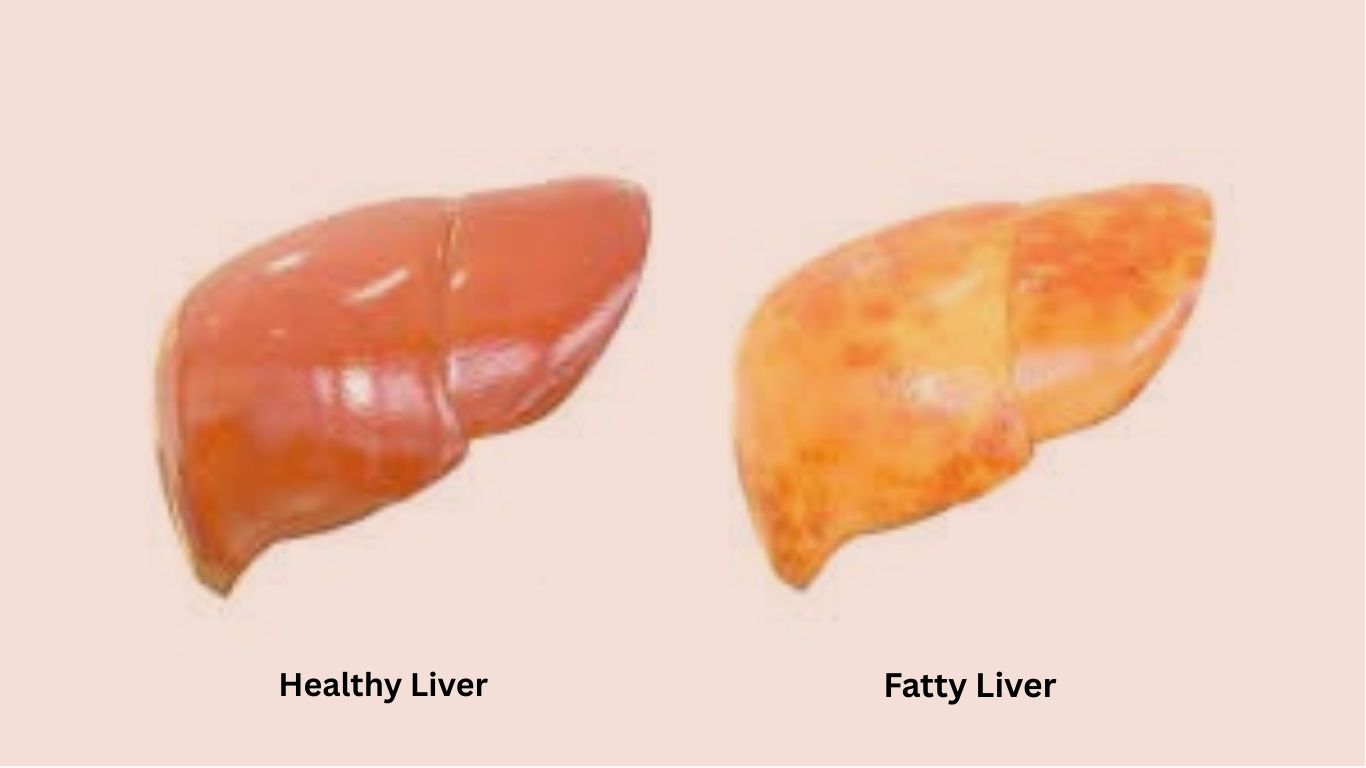
Fatty liver disease, now more accurately referred to under the umbrella term Steatotic Liver Disease (SLD), is a condition that has reached epidemic proportions globally. It is estimated that up to 38% of the world’s population may be affected, making it the most common form of chronic liver disease . Despite its prevalence, it remains a silent threat; many people walk around with a liver burdened by excess fat without realizing the danger lurking beneath the surface. To understand fatty liver is to understand a condition that is intrinsically linked to the modern metabolic crisis—a combination of dietary excess, sedentary living, and systemic inflammation.
This article provides a detailed exploration of fatty liver disease. We will dissect the updated nomenclature, the subtle and overt symptoms, the root causes, the cascade of effects on the body, and the evidence-based prevention strategies. Finally, we will delve into the holistic approach of homeopathic treatment, examining recent case studies and the philosophy behind individualized care.
The New Language of Fatty Liver: Why Terminology Matters
For years, patients and doctors used the terms “Non-Alcoholic Fatty Liver Disease” (NAFLD) and “Non-Alcoholic Steatohepatitis” (NASH). However, medical consensus shifted significantly in 2023 and 2024. Experts moved away from this terminology because it defined the disease by what it was not (non-alcoholic) rather than what it was. Today, the preferred terms are Metabolic Dysfunction-Associated Steatotic Liver Disease (MASLD) and Metabolic Dysfunction-Associated Steatohepatitis (MASH) .
This change is not merely semantic. It is a positive diagnosis based on the presence of at least one cardiometabolic risk factor, such as obesity, type 2 diabetes, hypertension, or dyslipidemia . The umbrella term Steatotic Liver Disease (SLD) now encompasses MASLD, Alcohol-Related Liver Disease (ALD), a mixed category called Met-ALD (for those with metabolic risk factors who also drink moderately), and Cryptogenic SLD (where the cause is unknown) . Understanding this nomenclature is the first step in grasping the complexity of the condition.
Symptoms: The Silent Cry of the Liver
The liver is a remarkably stoic organ. It can sustain significant damage and still function adequately, often without sending clear pain signals. This is why fatty liver is frequently described as a “silent disease.”
Early and Non-Specific Symptoms:
In the initial stages of simple steatosis (fat accumulation without significant inflammation), most individuals are asymptomatic. When symptoms do appear, they are often vague and easily dismissed. Patients may report persistent fatigue or a general feeling of being unwell (malaise) . Some experience a dull ache or sensation of fullness in the upper right quadrant of the abdomen, the area just beneath the ribs where the liver resides . This discomfort is usually due to hepatomegaly—an enlargement of the liver that stretches its surrounding capsule.
Advanced Symptoms:
As the disease progresses from MASLD to MASH (inflammation) and eventually to cirrhosis (scarring), the clinical picture becomes more alarming. The accumulation of scar tissue hardens the liver and impairs its ability to perform vital functions. At this stage, symptoms may include jaundice, a yellowing discoloration of the skin and the whites of the eyes, indicating that the liver can no longer effectively process bilirubin . Patients may develop ascites, a visible swelling of the abdomen caused by fluid retention, or edema in the ankles and legs . Severe itching (pruritus) is common, as bile salts deposit under the skin. In the most advanced stages, toxins build up in the bloodstream and travel to the brain, causing hepatic encephalopathy—a state marked by confusion, drowsiness, and slurred speech . Additionally, spider-like blood vessels (spider angiomas) may appear on the skin, and the spleen may become enlarged .
Root Causes and Risk Factors
The etiology of fatty liver is a complex interplay of genetics, metabolism, and environment. While the end result—fat in the liver—is the same, the pathway differs depending on the type.
Metabolic and Dietary Causes (MASLD):
MASLD is intrinsically linked to insulin resistance. Insulin is responsible for regulating blood sugar and controlling the release of fatty acids. When cells become resistant to insulin, the pancreas produces more of it, leading to an increased release of free fatty acids into the bloodstream, which are subsequently taken up and stored by the liver . This is why conditions like type 2 diabetes and pre-diabetes are major drivers of the disease.
Obesity, particularly visceral adiposity (fat stored deep in the abdomen surrounding the organs), is another primary driver . However, it is a misconception that only individuals with obesity develop fatty liver. People of normal weight can suffer from MASLD, often due to a diet high in refined carbohydrates and fructose. High-fructose corn syrup, found in sodas and processed foods, is uniquely hepatotoxic; it is metabolized directly by the liver and converted into fat via a process called de novo lipogenesis .
Toxic and Pharmacological Causes:
For Alcohol-Related Liver Disease (ALD), the cause is the chronic hepatotoxic effect of ethanol. The liver breaks down alcohol, producing harmful byproducts that kill liver cells and promote fat accumulation . The risk is dose-dependent, though genetic susceptibility varies.
Interestingly, fatty liver can also be induced by certain medications. Corticosteroids, tamoxifen (used in breast cancer treatment), and some chemotherapy agents can trigger hepatic steatosis . Rarely, it is caused by genetic metabolic diseases or pregnancy-related acute fatty liver, the latter being a distinct and obstetric emergency .
Genetic Predisposition:
Genetics play a substantial role. An individual with a first-degree relative who has MASLD has a 12 times higher risk of developing the condition themselves . Specific gene variants, such as PNPLA3 and TM6SF2, have been identified as significant modifiers of disease progression, influencing how the liver handles fat metabolism .
The Cascade of Effects: From Steatosis to Systemic Failure
Fatty liver is not a static condition; it is a dynamic process. The effects of the disease ripple far beyond the liver itself.
Hepatic Effects:
The initial accumulation of triglycerides is relatively benign (steatosis). However, when the fat becomes toxic (lipotoxicity), it triggers oxidative stress and inflammation, marking the transition to MASH . The liver, attempting to repair this chronic inflammation, lays down collagen and scar tissue. This process, fibrosis, is the critical tipping point. Once significant fibrosis develops, it can progress to cirrhosis, where the liver architecture is destroyed, replaced by nodules and scar tissue that block blood flow and function . Cirrhosis is generally irreversible and significantly increases the risk of hepatocellular carcinoma (liver cancer) .
Extra-Hepatic (Systemic) Effects:
The liver is central to systemic metabolism. When it fails, the body fails. The most immediate danger for patients with MASLD is not actually liver failure, but cardiovascular disease. The same metabolic dysfunction that causes fat to accumulate in the liver also accelerates atherosclerosis in the coronary arteries . Patients with fatty liver are at a significantly higher risk of heart attacks and strokes. Furthermore, cirrhosis leads to portal hypertension, which can cause life-threatening complications such as esophageal varices (swollen veins that can rupture and bleed) and hypersplenism .
Prevention and Conventional Management
Prevention is arguably the most powerful tool against fatty liver, as the condition is largely a product of lifestyle. Unlike many genetic diseases, MASLD can be prevented and, in its early stages, reversed.
Weight Loss as Therapy:
The cornerstone of both prevention and treatment is weight loss. Losing just 5% of total body weight can reduce hepatic fat content. However, to resolve the inflammation associated with MASH, a loss of 7% to 10% is typically required . Importantly, the method matters. Crash dieting or very low-calorie diets can actually worsen the condition by flooding the liver with free fatty acids. Gradual, sustained weight loss of 1 to 2 pounds per week is the recommended approach .
Dietary Patterns:
There is no single “fatty liver diet,” but there are established nutritional principles. The Mediterranean diet is consistently recommended by recent global guidelines . This pattern emphasizes high consumption of vegetables, fruits, whole grains, legumes, nuts, and olive oil, with moderate intake of fish and poultry and limited red meat. Patients are advised to strictly limit added sugars, refined carbohydrates (white bread, white rice), and sugary beverages, as these are directly converted to fat in the liver .
Physical Activity:
Exercise improves insulin sensitivity and promotes weight loss. The general recommendation is at least 150 minutes of moderate-intensity aerobic activity per week, combined with resistance training to build muscle mass, which increases resting metabolic rate .
Pharmacological Advances:
For years, there were no FDA-approved drugs specifically for fatty liver. This changed recently with the approval of resmetirom (Rezdiffra), a thyroid hormone receptor beta agonist that reduces liver fat and fibrosis in patients with non-cirrhotic MASH . Additionally, incretin mimetics (like semaglutide), originally approved for diabetes and obesity, have shown substantial benefits in resolving MASH . Vitamin E is sometimes used off-label for non-diabetic patients with biopsy-proven MASH, though its use is controversial due to long-term safety concerns .
A Deep Dive into Homeopathic Treatment
While conventional medicine focuses on quantifiable metrics—weight loss percentage, liver enzyme levels, and fibrosis regression—homeopathy offers a distinct and parallel pathway. It is crucial to state that no major international medical society (such as EASL or AASLD) currently recommends homeopathy as a substitute for evidence-based lifestyle and pharmacological interventions. However, recent academic interest has surged, particularly regarding the integration of homeopathy as a complementary system to manage symptoms and improve constitutional health.
The Philosophy of Individualization:
Homeopathy operates on the principle of “like cures like” and the necessity of treating the individual, not the disease. In the context of fatty liver, this means that two patients with identical ultrasound reports might receive completely different homeopathic remedies based on their unique physical, emotional, and psychological symptom profiles. The goal is not to directly “burn fat” from the liver, but to stimulate the body’s vital force to correct the underlying metabolic dysregulation .
Clinical Evidence: The Lycopodium Case Series
The most specific and compelling data regarding homeopathy and fatty liver comes from a 2024 case series published in the African Journal of Biomedical Research . This study documented three patients with ultrasonography-confirmed NAFLD who were treated with a single dose of Lycopodium clavatum 200C. The remedy was selected based on individualized symptomatology.
Lycopodium is a remedy often indicated for patients with digestive disturbances, a strong craving for sweets and warm food, a tendency to bloating, and right-sided abdominal complaints. They may intellectually be sharp but physically lack stamina. In this case series, the patients who received Lycopodium showed significant improvement in clinical symptoms and, notably, a reduction in hepatic fat on follow-up imaging over six months. The authors concluded that this individualized approach offered a safe, side-effect-free adjunctive strategy, while also calling for larger controlled trials to validate these observations .
Other Constitutional Remedies and Approaches:
A comprehensive review of homeopathic approaches to NAFLD highlights that no single “fatty liver pill” exists in homeopathy . Instead, the homeopath seeks to identify the miasmatic background and constitutional type.
-
Chelidonium majus is frequently indicated when there is pain under the right shoulder blade and a heavily coated yellow tongue, often associated with jaundice or biliary issues.
-
Carduus marianus (Milk Thistle) is a remedy closely associated with liver protection and is used for congestive liver conditions with nausea and a bitter taste.
-
Phosphorus is considered for patients who have a tendency toward bleeding, fatigue, and anxiety, particularly where fatty infiltration threatens to progress to hepatitis.
-
Nux vomica is often suited to the modern fatty liver patient: the individual who leads a high-stress life, consumes alcohol and rich food, and suffers from constipation and irritability.
Mechanisms and Integration:
Critics of homeopathy point to the extreme dilutions as a lack of biological plausibility. Proponents, however, argue that the remedies act on the body’s information fields, modulating immune response and reducing inflammation. In the reviewed literature, homeopathy is not presented as a replacement for weight loss or the avoidance of alcohol. Rather, it is positioned as a therapeutic tool to address the “terrain”—improving digestion, regulating appetite, and enhancing energy levels so that the patient is better equipped to adhere to necessary lifestyle modifications .
Caveats and Safety:
It is vital to emphasize that homeopathic remedies are not a cure for cirrhosis or advanced liver failure. Relying solely on homeopathy for advanced fibrosis or portal hypertension would be dangerous. However, for the millions suffering from early-stage MASLD with symptoms of dyspepsia, fatigue, and anxiety, a qualified homeopath can offer a treatment plan that runs parallel to, and supports, conventional dietary advice.
Frequently Asked Questions About Homeopathic Remedies for Fatty Liver
Navigating the world of homeopathy for a condition as complex as fatty liver disease can feel overwhelming. Patients are often caught between hearing anecdotal success stories and struggling to find clear, practical information. Based on current homeopathic literature and clinical resources, here are answers to the most frequently asked questions regarding homeopathic remedies for fatty liver.
1. Is there actually a homeopathic medicine that can “cure” my fatty liver?
This is the most common question, and the answer requires nuance. Homeopathic literature asserts that fatty liver is a reversible condition, particularly in its early stages (steatosis and inflammation) . However, there is no single “magic bullet” remedy that cures fatty liver for everyone .
What homeopathy offers is a constitutional approach. The goal is not to directly dissolve fat from the liver cells, but to correct the underlying metabolic imbalance that allows fat to accumulate in the first place. Several sources document remedies like Chelidonium majus, Carduus marianus, and Lycopodium clavatum being used successfully . However, a true “cure” requires a partnership: the homeopathic remedy stimulates healing, but the patient must simultaneously address the root causes through diet and exercise. As one physician bluntly stated, “first of all you need to lose weight to make yourself healthy” .
2. What are the most commonly prescribed homeopathic remedies for fatty liver, and how do I know which one I need?
Unlike conventional medicine where a diagnosis leads to a standard prescription, homeopathy selects remedies based on your unique symptom profile. The following remedies are frequently cited, but they are not interchangeable :
-
Chelidonium majus: Often indicated when there is persistent pain under the right ribs that radiates to the back or right shoulder blade. The patient may have a yellow-coated tongue, a bitter taste in the mouth, and constipation with hard, round stools. Interestingly, these patients often feel better drinking hot fluids .
-
Carduus marianus: Considered a “liver drainage” remedy. It is specifically highlighted for cases involving alcoholic fatty liver or when there is a history of toxin exposure. It is also noted for cirrhosis with fluid retention (dropsical conditions) .
-
Nux vomica: This is the classic remedy for the modern, high-stress individual. It is suited for those who lead a sedentary life, consume rich or fatty foods, drink alcohol or coffee to excess, and are irritable or “zealous” in temperament. They often have constipation with ineffectual urging .
-
Lycopodium clavatum: Indicated for abdominal bloating shortly after eating, a strong desire for sweets and warm food, and symptoms that typically worsen between 4:00 and 8:00 PM .
-
Phosphorus: Specifically mentioned for “fatty degeneration” of the liver .
You cannot select these remedies by reading a list; a trained homeopathic physician elicits both your physical symptoms and your emotional state to find the “most similar” remedy .
3. Are homeopathic remedies safe? Can they cause side effects or interact with my other medications?
All sources unanimously state that homeopathic remedies, when prepared from natural substances according to pharmacopoeial standards, are free from toxic side effects . They are non-habit-forming and do not cause the drug-induced liver injuries that some allopathic medications can.
However, there are two critical safety considerations. First, some patients report “aggravations” where symptoms temporarily worsen slightly after taking a remedy; this is sometimes viewed in homeopathic philosophy as a healing response. Second, the vehicle of the remedy (usually sugar pellets or liquid containing alcohol) may be a concern for diabetics or those in recovery from alcoholism . Furthermore, while the remedies themselves are safe, self-medication is dangerous. If you choose the wrong remedy, you may delay effective treatment for a progressive disease .
4. How long does homeopathic treatment take to show results for fatty liver?
The timeline varies dramatically based on the stage of the disease. For acute liver disturbances or early-stage fatty liver with mild enzyme elevations, patients may notice improved energy and digestion within a few weeks . However, for chronic, deep-seated metabolic conditions or what homeopaths consider “incurable or irreversible” liver damage, treatment is often prolonged, lasting for many years .
Unlike a statin which lowers cholesterol numbers relatively quickly, homeopathy aims for a gradual restoration of health. Patients are often advised to monitor changes in subjective symptoms (energy, pain, digestion) as well as objective markers via follow-up blood work and ultrasounds every few months .
5. Can homeopathy help if I already have advanced cirrhosis or liver failure?
This is a question of managing expectations. In stages 1 and 2 (inflammation and fibrosis), homeopathy aims for reversal and cure . In stage 3 (cirrhosis) and stage 4 (liver failure), the scar tissue is generally considered irreversible. However, multiple sources claim that homeopathy still has a vital role to play in these advanced stages .
In advanced cases, the treatment goals shift from “cure” to “management.” Homeopathic remedies are used to arrest the further progression of the disease, manage complications such as ascites (fluid buildup) and esophageal varices, and significantly improve the patient’s quality of life . It is stressed that in these scenarios, homeopathy should be used alongside conventional monitoring, not as a replacement for it .
6. I heard about a new remedy called Carcinosin for the liver. What is that?
This is a more advanced question reflecting current clinical discussions. While Nux vomica and Chelidonium are first-line remedies for acute liver symptoms, practitioners are increasingly discussing Carcinosin for chronic, stubborn cases .
Carcinosin is not a “liver remedy” in the traditional hepatotropic sense. It is a constitutional, miasmatic remedy. It is considered when a patient has liver dysfunction alongside a history of allergies, food intolerances, sinus issues, suppressed anger, perfectionism, or a strong family history of cancer or liver disease. It does not replace remedies like Carduus marianus, but rather complements them, addressing the deeper genetic or energetic terrain that makes the liver vulnerable .
7. Do I need to see a homeopath in person, or is an online consultation enough?
According to homeopathic philosophy, accurate prescribing depends on a holistic assessment including physical appearance, emotional demeanor, and specific modalities of symptoms. While many platforms now offer online consultations, and they can be sufficient for follow-ups, an initial in-person visit (or a very thorough video assessment) is recommended . A qualified physician will not just ask about your liver; they will ask about your sleep, your sweat, your food cravings, your fears, and your temperament.
8. What about over-the-counter combination remedies like “Hepatic-Tone”? Are they effective?
There are commercial products available, such as Hepatic-Tone, which are combination homeopathic formulas containing multiple remedies like Carduus marianus 4X, Chelidonium 4X, and Nux vomica 12X . These are designed for “liver drainage” and general detoxification support.
Classical homeopaths often argue that these combination products are less effective than a single, carefully selected constitutional remedy because they are not individualized to the patient. However, they are widely available and are sometimes used by naturopaths for general liver support. It is important to read the labels carefully; the disclaimer on these products often states: “Claims based on traditional homeopathic practice, not accepted medical evidence” .
9. Can homeopathy help with the conditions caused by fatty liver, like high cholesterol and triglycerides?
Yes, this is a frequent patient concern. Patients often present with a dual diagnosis: Grade 1 fatty liver on ultrasound and elevated lipid profiles . Many individuals seek homeopathy specifically to avoid taking statins.
Homeopathy approaches the issue holistically. By improving the metabolic function of the liver—the organ responsible for packaging cholesterol into VLDL and exporting it—remedies like Chelidonium and Lycopodium may help normalize lipid metabolism over time . However, homeopaths generally do not present this as a quick fix; it requires significant dietary cooperation from the patient.
10. Is it true that homeopathy only works if I believe in it?
This is a common misconception. Homeopathic remedies are physical substances that have undergone a process of dilution and succussion. The theory behind them is not dependent on the patient’s belief system (it is not the placebo effect, according to its practitioners), but rather on the principle of stimulating a vital response in the body. Remedies are even prescribed to infants and animals, demonstrating that the mechanism, whatever it may be, is not reliant on conscious faith .
11. What lifestyle changes must I make for homeopathy to work?
This is perhaps the most important FAQ. Homeopathy is not magic; it cannot compete against a continuous influx of toxins. All homeopathic resources unanimously agree that taking a remedy while continuing to consume alcohol, high-fructose corn syrup, and processed fats is futile .
To support homeopathic treatment, patients are advised to:
-
Strictly avoid or limit alcohol .
-
Adopt a diet rich in whole grains, lean proteins, leafy greens, and healthy fats (Mediterranean-style) .
-
Limit red meat and avoid trans fats and high-fructose foods .
-
Engage in regular physical activity .
-
Manage stress through yoga or meditation .
12. Where can I find a qualified homeopathic doctor for fatty liver treatment?
It is strongly advised to avoid self-drugging . Look for a practitioner with a recognized degree (such as BHMS in India or equivalent credentials in your country) and significant clinical experience. Reputable sources suggest seeking physicians who practice “classical” homeopathy—meaning they prescribe one remedy at a time based on totality of symptoms—rather than those who merely prescribe “liver tonics” .
Conclusion
Fatty liver disease is a formidable health challenge of the 21st century, intricately woven into the fabric of modern dietary habits and sedentary lifestyles. It is a disease that begins silently—a few fat droplets in a liver cell—and can end catastrophically in cirrhosis or cancer. The recent shift in nomenclature to MASLD reflects a deeper scientific understanding: this is a metabolic disease first, and a liver disease second.
The path to reversing fatty liver is clear but demanding. It requires a fundamental shift in how we eat, move, and view alcohol. Prevention remains the gold standard; there is no medication that works as effectively as a 10% reduction in body weight. Yet, we must acknowledge the human difficulty in achieving this.
This is where holistic modalities such as homeopathy may find their place. The 2024 research on Lycopodium offers a glimpse into a future where medicine is not just standardized, but personalized to the genetic and psychological makeup of the patient. While the evidence for homeopathy in fatty liver remains nascent and primarily confined to case series, it opens the door to a truly integrative model of care. In this model, a patient does not have to choose between a Mediterranean diet and a constitutional remedy; they can use both, addressing the physical pathology of the liver while simultaneously supporting the mental and emotional resilience required to sustain a lifetime of health.













1 thought on “Homeopathic Remedies for Fatty Liver”