Table of Contents
TogglePsoriasis: Symptoms, Causes, Effects, Prevention and Homeopathic Remedies for Psoriasis.
Introduction
Psoriasis is a condition that is often misunderstood, not just by the public, but sometimes by those who live with it every day. It is far more than just a “skin rash.” It is a complex, chronic disease where the immune system goes into overdrive, accelerating the growth cycle of skin cells. This deep dive will explore the intricacies of psoriasis, from its visible symptoms and hidden causes to its widespread effects on the body and mind. We will also discuss practical prevention strategies and, finally, explore the role of homeopathic treatment, which offers a holistic approach to managing this persistent condition.
What is Psoriasis?
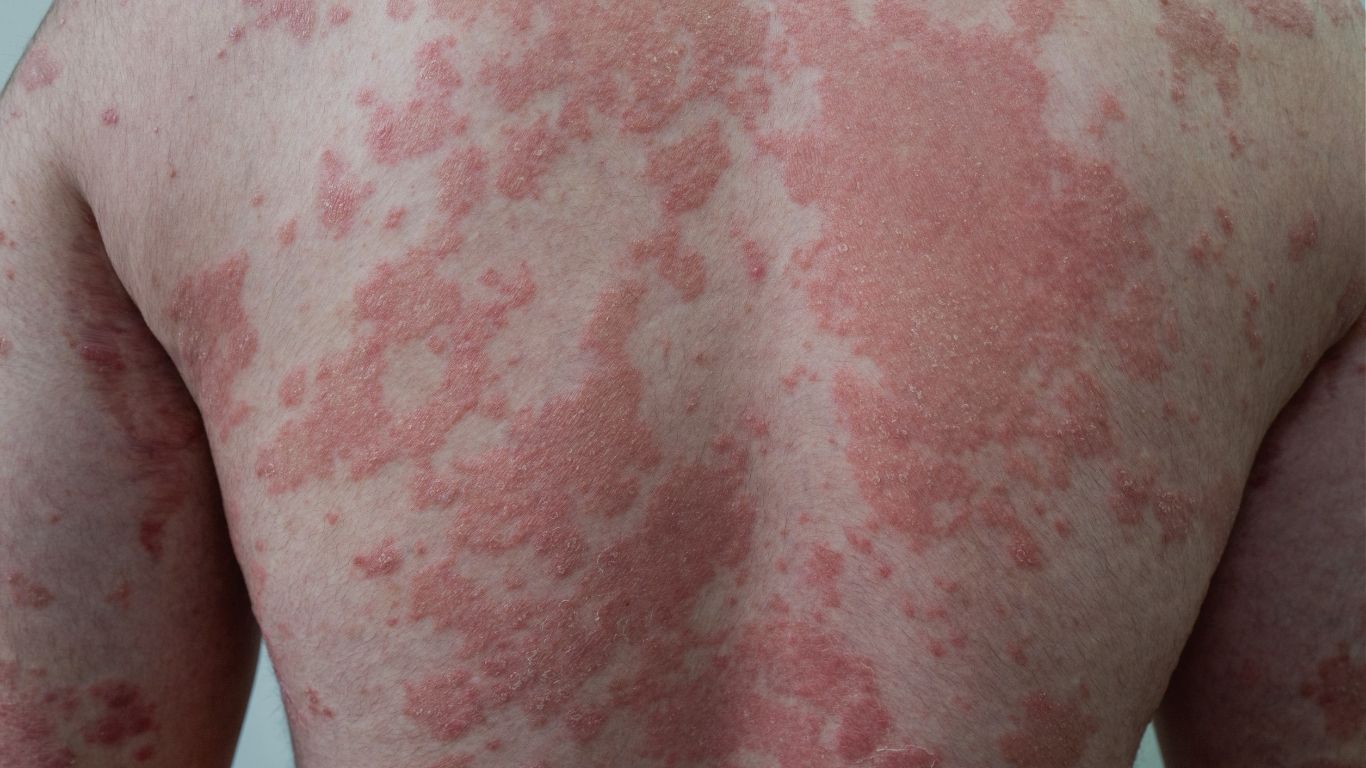
Psoriasis is a chronic, non-contagious autoimmune disease that primarily affects the skin. The word “chronic” means it is a long-lasting condition that, for now, has no cure. In a healthy body, skin cells grow, mature, and shed over the course of about a month. In psoriasis, however, a faulty immune system sends faulty signals to the body, speeding up this growth cycle to just a few days. Instead of shedding, these cells pile up on the surface, forming thick, inflamed patches .
This condition is quite common, affecting about 2-3% of the world’s population . While it can appear at any age, it often shows up in two distinct peaks: between ages 16 and 22 and again between 57 and 60 . It is a condition that can run in families, highlighting a strong genetic link .
The Many Faces of Psoriasis: Types and Symptoms
The symptoms of psoriasis can vary greatly depending on the type and severity. However, the most common form is plaque psoriasis, which accounts for 80-90% of cases .
Common Symptoms Across Different Types
Plaque Psoriasis: This type presents as raised, inflamed patches of skin. On lighter skin, these patches (called plaques) are typically red and covered with silvery-white scales. On darker skin, they may appear as purple, brown, or grayish patches . These plaques are most commonly found on the elbows, knees, scalp, and lower back, but they can appear anywhere . They can be itchy, painful, and may crack or bleed.
Nail Psoriasis: Psoriasis can also affect the fingernails and toenails, causing pitting (small dents), thickening, discoloration (like oil spots), and separation from the nail bed (onycholysis) .
Guttate Psoriasis: Often starting in childhood or young adulthood, this type appears as small, drop-shaped, red spots on the trunk, arms, and legs. It is frequently triggered by a bacterial infection like strep throat .
Inverse Psoriasis: This affects skin folds, such as the armpits, groin, and under the breasts. Instead of scales, it appears as smooth, red, inflamed patches that may be worsened by friction and sweating .
Pustular Psoriasis: This is a less common form characterized by white pustules (blisters of non-infectious pus) surrounded by red skin. It can be localized or widespread (generalized pustular psoriasis), which is a serious and life-threatening condition that requires immediate medical attention .
Erythrodermic Psoriasis: This is a rare and severe type that causes widespread, fiery redness and shedding of skin over a large area of the body. It can be intensely itchy and painful, and it disrupts the body’s ability to regulate temperature and perform barrier functions, making it a medical emergency .
Auspitz Sign: A key clinical feature of plaque psoriasis is the Auspitz sign, where pinpoint bleeding spots appear when the silvery scales are scraped off .
The Underlying Causes and Triggers
The exact cause of psoriasis is not fully understood, but it is known to be a complex interplay of genetics, the immune system, and environmental factors .
1. Genetic Predisposition
Psoriasis has a strong hereditary component. Researchers have identified specific genes, particularly those related to the immune system (like HLA-Cw6), that significantly increase a person’s susceptibility to developing the disease . This is why you are more likely to develop psoriasis if you have a close family member with it . Type 1 psoriasis, which starts before age 40, often has a positive family history and is linked to these genetic markers .
2. Immune System Dysfunction
At its core, psoriasis is an autoimmune disease. The body’s immune system, specifically a type of white blood cell called a T-cell, mistakenly attacks healthy skin cells. This triggers an inflammatory response, releasing cytokines (like tumor necrosis factor-alpha, IL-17, and IL-23) that cause the skin cells to proliferate at an accelerated rate . This is why inflammation is such a hallmark of the condition.
3. Environmental Triggers
In someone with a genetic predisposition, certain external factors can trigger the onset of psoriasis or cause existing flare-ups to worsen. These triggers include :
Infections: Particularly strep throat, which is a common trigger for guttate psoriasis.
Stress: High levels of emotional or physical stress can be a major trigger.
Skin Injury: The Koebner phenomenon describes how psoriasis can appear in areas of skin trauma, such as cuts, scrapes, bug bites, or severe sunburn .
Medications: Certain drugs, including beta-blockers (for high blood pressure), lithium, antimalarial drugs, and NSAIDs, can trigger or worsen psoriasis. The abrupt withdrawal of oral or systemic corticosteroids can also lead to a severe flare, such as pustular or erythrodermic psoriasis .
Weather: Cold, dry winter weather often aggravates psoriasis, while sunlight can sometimes help .
Lifestyle Factors: Smoking and heavy alcohol consumption are significant risk factors that can increase the severity of the disease and make treatment less effective .
The Far-Reaching Effects of Psoriasis
Psoriasis is not just a skin-deep condition. Its impact can be profound, affecting nearly every aspect of a person’s life.
Physical and Emotional Toll
The most immediate effect is the physical discomfort of itching, burning, and pain. The visibility of the plaques can lead to significant emotional distress. Many individuals experience low self-esteem, social anxiety, and embarrassment. In fact, depression and anxiety are highly prevalent among people with psoriasis, stemming from the psychosocial burden of living with a visible, and sometimes disfiguring, disease .
Associated Health Risks (Comorbidities)
Psoriasis is now recognized as a systemic inflammatory disorder. This means the internal inflammation can affect other parts of the body, increasing the risk for several serious health conditions :
Psoriatic Arthritis: Up to 30% of people with psoriasis develop psoriatic arthritis, which causes painful, stiff, and swollen joints. It can lead to permanent joint damage if left untreated .
Cardiovascular Disease: The chronic inflammation associated with psoriasis increases the risk of heart attack, stroke, and other cardiovascular events.
Metabolic Syndrome: There is a higher prevalence of obesity, high blood pressure, high cholesterol, and type 2 diabetes in people with psoriasis.
Other Conditions: Studies have shown links to an increased risk of Crohn’s disease, liver disease (like metabolic dysfunction-associated steatotic liver disease), and kidney disease .
Strategies for Prevention and Management
While psoriasis cannot be cured, its symptoms can be managed, and the frequency and severity of flare-ups can be reduced. Prevention is largely about identifying and avoiding personal triggers.
1. Lifestyle Modifications
Manage Stress: Since stress is a major trigger, incorporating stress-reducing techniques like yoga, meditation, or regular exercise is crucial .
Maintain a Healthy Weight: Obesity promotes a pro-inflammatory state in the body. Losing weight can not only reduce the severity of psoriasis but also improve the effectiveness of treatments .
Diet: While no “magic” diet exists, an anti-inflammatory diet, such as the Mediterranean diet (rich in fruits, vegetables, whole grains, and healthy fats like olive oil and fish), has been shown to help reduce disease severity .
Quit Smoking and Limit Alcohol: Smoking and excessive alcohol consumption are strongly linked to both the development and worsening of psoriasis .
2. Skin Protection
Avoid Skin Trauma: Protect your skin from cuts, scrapes, and bumps. Wear protective gear (gloves, knee pads) during activities that could injure the skin to prevent the Koebner phenomenon .
Sunlight: Moderate, brief exposure to natural sunlight can improve psoriasis for some people due to its anti-inflammatory effects. However, it is vital to avoid sunburn, which can make psoriasis worse. Always use sunscreen on unaffected areas and limit exposure to short periods (e.g., 10 minutes) .
A Deeper Look at Homeopathic Treatment
Beyond conventional treatments like topical creams, phototherapy, and systemic medications (including biologics), many individuals seek alternative approaches like homeopathy. Homeopathy is a holistic system of medicine that operates on the principle of “like cures like” and treats the individual as a whole—mind, body, and spirit—rather than just the disease.
The Holistic Approach in Homeopathy
In homeopathy, psoriasis is not seen as an isolated skin problem but as an outward manifestation of an inner imbalance. A homeopathic practitioner conducts a very detailed case analysis, considering not only the physical symptoms (the look of the scales, the sensation of itching, the location of plaques) but also the person’s temperament, emotional state, fears, desires, and reactions to different environments. The goal is to find a constitutional remedy that matches the individual’s unique symptom profile, thereby stimulating the body’s own healing mechanisms .
Evidence and Case Studies
While more rigorous research is needed, several documented case reports show promising results for homeopathic treatment in managing psoriasis.
A study published in the Indian Journal of Research in Homoeopathy detailed the case of a 46-year-old man with chronic psoriasis. He was treated with an individualized homeopathic remedy, Arsenicum album, followed by an intercurrent remedy, X-ray. Over 11 months, his Psoriasis Area Severity Index (PASI) score showed significant improvement, indicating a reduction in the extent and severity of his condition. The study used the MONARCH tool, a standardized criteria for homeopathy, which scored +9, suggesting a possible causal relationship between the homeopathic intervention and the positive outcome .
Another case study from the Asian Journal of Pharmaceutical Research highlighted two cases of plaque psoriasis. One patient, who had dry, itchy, silvery patches, was prescribed Nux Vomica followed by Sulfur. The other, with similar symptoms but a different emotional and physical profile, received Natrium Muriaticum and then Sulfur. Both patients showed gradual but significant resolution of their lesions and associated symptoms over time, with lifestyle and dietary advice also playing a supporting role .
These cases illustrate a core tenet of homeopathy: two people with the same conventional diagnosis (psoriasis) may receive completely different homeopathic remedies based on their individualized symptom pictures. Sulfur, for example, is often indicated for skin conditions that are burning, itchy, and worse from warmth and washing, while Arsenicum album might suit someone who is restless, anxious, and experiences burning pains that are relieved by heat .
Integrating Homeopathy with Conventional Care
It is important to view homeopathy as a complementary approach. A person with psoriasis should always be under the care of a qualified dermatologist. Homeopathic treatment can work alongside conventional medicine, potentially helping to reduce the frequency of flare-ups, lessen the severity of symptoms, and improve overall well-being and quality of life. It is a patient-centric approach that empowers the individual and addresses the deeper roots of the disease.
Frequently Asked Questions About Homeopathic Treatment for Psoriasis
Navigating the world of homeopathy for a chronic condition like psoriasis can raise many questions. Here are answers to some of the most common queries to help you make an informed decision.
1. Can Homeopathy Cure Psoriasis Permanently?
This is perhaps the most frequently asked question. In homeopathy, the concept of “cure” is viewed holistically. The goal is not just to suppress the skin symptoms temporarily, but to stimulate the body’s own healing mechanisms to restore long-term balance . Many practitioners believe that if the disease is addressed at its root cause—considering genetic predisposition, immune system dysfunction, and emotional triggers—it is possible to achieve a lasting remission . This means the plaques clear up and do not return, or return with much less frequency and severity. However, this requires patience, as treatment can be a slow-paced process, sometimes taking months to a few years, depending on the chronicity of the case . It is also important to remember that while homeopathy can be highly effective, it may not be able to “cure” every single case, especially in very advanced stages, but it can almost always help manage and control the condition effectively .
2. How Does a Homeopath Choose the Right Remedy for Me?
Unlike conventional medicine where the diagnosis (psoriasis) directly points to a specific drug, homeopathy is highly individualized. A homeopath selects a remedy based on your unique “constitutional type”—a complete picture of you as a person . This goes far beyond the skin. The practitioner will spend considerable time understanding your physical symptoms (e.g., is the itching better or worse from heat? What is the exact appearance of the scales?), your emotional state (are you anxious, irritable, or melancholic?), your fears, your food cravings, and your reactions to weather . For example, two people with scalp psoriasis may receive completely different remedies—one might need Graphites because their skin is tough and cracked, while another might need Arsenicum album because they are anxious, chilly, and restless . The remedy is chosen to match the totality of your symptoms.
3. What Are Some Commonly Used Homeopathic Remedies for Psoriasis?
While a professional must prescribe the constitutional remedy, several remedies are well-known for matching specific symptom pictures in psoriasis :
Sulphur: Often indicated for intense burning and itching that is worse from warmth and bathing. The skin is typically bright red and irritated .
Arsenicum Album: Suited for anxious, restless, and chilly individuals. The skin is dry and scaly, with burning pains that may be relieved by heat .
Graphites: Frequently used for chronic skin conditions, especially when the scalp is involved. The skin may look tough or leathery with cracks that ooze a sticky fluid .
Petroleum: Very effective for skin that is extremely dry, rough, and cracks easily, particularly on the hands and fingertips. Symptoms often worsen in winter .
Sepia: Often prescribed for individuals who feel indifferent to loved ones, exhausted, and irritable. The skin may look dry and stiff, and hormonal imbalances are often present .
4. How Long Does It Take to See Results?
Homeopathic treatment for a deep-seated, chronic disease like psoriasis requires time and commitment . It is not a quick fix. The initial goal is to arrest the progression of the disease and reduce the severity of symptoms. Some patients may notice an improvement in their itching, sleep, and overall well-being within a few weeks. However, significant clearing of the skin plaques can take several months . The treatment works from the inside out, so patience and consistent follow-up with your homeopath are crucial for long-term success .
5. Is It Safe to Use Homeopathy Alongside My Conventional Treatment?
This is a critical question that requires careful management. It is generally not recommended to mix different types of treatments without close professional supervision . You should never stop prescribed conventional medications, especially systemic ones or corticosteroids abruptly, as this can cause a severe rebound flare . However, homeopathy can often be used as a complementary therapy. The key is open communication. You must inform both your dermatologist and your homeopath about all the medications and remedies you are taking . An experienced homeopath will know how to work alongside conventional medicine to support your overall health safely .
6. Are There Any Side Effects or Risks?
When prescribed by a qualified practitioner, homeopathic remedies are generally considered safe and are free from significant side effects because they are so highly diluted . However, a “healing crisis” or a temporary aggravation of symptoms can sometimes occur at the beginning of treatment. This is often seen as a positive sign that the remedy is working and the body is beginning to rebalance itself . It is crucial to note, however, that the FDA does not test homeopathic products for safety or effectiveness . Therefore, it is essential to buy remedies from reputable sources and work with a professional. Self-prescribing with crude or toxic substances, for example, would be extremely dangerous .
7. Can Lifestyle and Diet Enhance the Homeopathic Treatment?
Absolutely. Homeopathy is a holistic system, and lifestyle modifications are considered an important adjunct to treatment . To support your recovery, a homeopath will often recommend:
Stress Management: Since emotional stress is a major trigger, practices like meditation, yoga, or pranayama are highly encouraged .
Dietary Changes: While there is no universal “psoriasis diet,” an anti-inflammatory diet rich in omega-3 fatty acids (from fish or flaxseeds) and low in spicy or junk food is often suggested . Identifying and avoiding personal food intolerances can also be helpful.
Skincare: Using mild, soap-free cleansers and keeping the skin moisturized is vital. For the scalp, avoiding harsh chemical shampoos and using natural alternatives like a shikakai and amla mixture can be beneficial .
Conclusion
Psoriasis is a multifaceted and lifelong condition that extends well beyond the skin. It is an intricate dance between genetics, an overactive immune system, and environmental triggers. Understanding its symptoms, acknowledging its powerful effects on both physical and mental health, and recognizing associated risks like psoriatic arthritis and heart disease are crucial first steps in taking control of the disease.
Management is a marathon, not a sprint. It involves a combination of conventional medical treatments, proactive lifestyle changes to avoid triggers, and for many, the integration of holistic therapies like homeopathy. Homeopathy offers a personalized path, aiming to restore inner balance and support the body’s natural ability to heal. By embracing a comprehensive approach that cares for the whole person, those living with psoriasis can navigate their condition with greater resilience and achieve a significantly better quality of life.













1 thought on “Homeopathic Remedies for Psoriasis”