Table of Contents
TogglePneumonia: A Comprehensive Guide to Symptoms, Causes, Effects, Prevention, and Homeopathy for Pneumonia
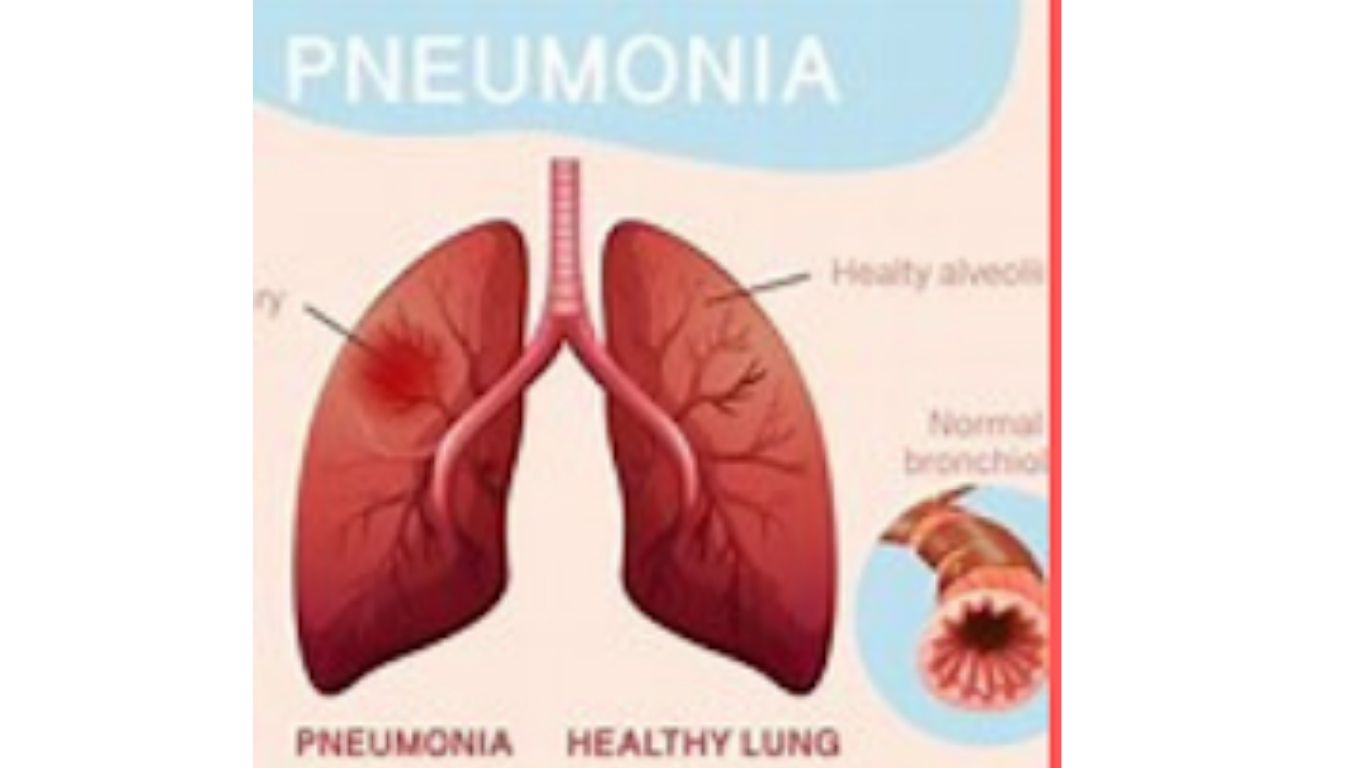
Pneumonia is a common yet potentially serious respiratory infection that inflames the air sacs in one or both lungs. These sacs, known as alveoli, may fill with fluid or pus, leading to a distressing cough, fever, chills, and difficulty breathing. It affects millions worldwide every year, posing a significant health burden, particularly for the very young, the elderly, and those with compromised immune systems. Understanding its nuances is the first step toward effective management and prevention.
Recognizing the Symptoms: More Than Just a Bad Cough
The symptoms of pneumonia can range from mild to life-threatening and often resemble those of a severe cold or influenza. However, they tend to be more persistent and deeper within the chest. The presentation can vary dramatically based on the causative organism and the patient’s overall health.
Typical Symptoms often include:
-
Cough: This is frequently the hallmark symptom. It may produce thick phlegm (sputum) that can be green, yellow, or even rust-colored due to blood.
-
Fever: A high fever, often accompanied by sweating and chills that make you shake, is common.
-
Shortness of Breath: This may occur even while at rest, but is more noticeable during physical activity.
-
Chest Pain: Sharp or stabbing pain that worsens when you breathe deeply or cough is a classic sign of lung inflammation.
-
Fatigue: Profound and unusual tiredness is almost always present.
-
Loss of Appliance: A general feeling of being unwell.
Atypical Symptoms, often seen in “walking pneumonia” (usually caused by Mycoplasma pneumoniae), can be subtler and include:
-
A low-grade fever.
-
A persistent dry cough.
-
Headache and muscle aches.
-
Extreme tiredness and weakness.
-
Nausea or diarrhea (more common in children).
It is crucial to note that in vulnerable populations like infants, the elderly, or those with weakened immune systems, symptoms may be minimal or nonspecific. An older adult may simply exhibit confusion, a drop in body temperature, or a general decline in function without the classic fever and cough.
Unraveling the Causes: Bacteria, Viruses, and Fungi
Pneumonia is not a single disease but an umbrella term for lung inflammation caused by various infectious agents. The most common culprits fall into three categories:
1. Bacterial Pneumonia: This is often the most severe form. The most common cause is Streptococcus pneumoniae (pneumococcal pneumonia). It can occur on its own or after a viral cold or flu, which weakens the lungs’ defenses. Other bacteria include Haemophilus influenzae, Legionella pneumophila (causing Legionnaires’ disease), and the atypical bacterium Mycoplasma pneumoniae.
2. Viral Pneumonia: Respiratory viruses are a frequent cause, especially in young children. Influenza viruses, respiratory syncytial virus (RSV), and SARS-CoV-2 (the virus causing COVID-19) are common perpetrators. Viral pneumonias are generally milder but can create an environment ripe for a secondary bacterial infection.
3. Fungal Pneumonia: This type is less common and typically affects individuals with chronic health problems or weakened immune systems, such as those with HIV/AIDS or those undergoing chemotherapy. Fungi like Pneumocystis jirovecii, Cryptococcus, and Histoplasma are found in soil or bird droppings and can cause pneumonia when inhaled.
Pneumonia is also classified by where or how it was acquired:
-
Community-Acquired Pneumonia (CAP): Acquired outside of healthcare settings.
-
Hospital-Acquired Pneumonia (HAP): Develops during a hospital stay for another illness, often more dangerous because bacteria may be more resistant to antibiotics.
-
Aspiration Pneumonia: Occurs when food, drink, vomit, or saliva is inhaled into the lungs, often seen in people with swallowing difficulties or impaired consciousness.
The Potential Effects and Complications
While many cases of pneumonia resolve with treatment, it can lead to serious, sometimes life-altering complications, particularly if treatment is delayed or the patient is in a high-risk group.
Short-term and Acute Effects:
-
Pleural Effusion: Fluid builds up in the pleural space (the thin layers of tissue separating the lungs from the chest wall). If infected, it becomes an empyema, requiring drainage.
-
Lung Abscess: A pus-filled cavity forms within the lung tissue, often requiring prolonged antibiotic therapy or drainage.
-
Acute Respiratory Distress Syndrome (ARDS): A severe form of respiratory failure where inflammation causes fluid to leak into the lungs, preventing oxygen from reaching the bloodstream.
-
Sepsis: The body’s extreme response to infection can occur if the bacteria from the pneumonia enter the bloodstream, leading to widespread inflammation, organ failure, and potentially death.
Long-term Consequences:
-
Reduced Lung Function: Some people, especially after severe pneumonia, may experience lasting lung damage (pulmonary fibrosis), leading to persistent shortness of breath and reduced exercise tolerance.
-
Increased Risk of Cardiovascular Events: Severe pneumonia is linked to an increased risk of heart attack and stroke in the weeks and months following the illness.
-
Functional Decline: In older adults, a bout of pneumonia can accelerate physical and cognitive decline, potentially leading to a loss of independence.
Prevention: The First Line of Defense
Preventing pneumonia is far more effective than treating it. A multi-pronged approach offers the best protection.
Vaccination: This is the cornerstone of prevention.
-
Pneumococcal Vaccines: PCV15, PCV20, and PPSV23 protect against the most common bacterial strains. They are recommended for children under 2, adults over 65, and those with certain chronic conditions.
-
Influenza Vaccine: Since the flu is a common precursor to pneumonia, getting an annual flu shot is critical.
-
Other Vaccines: Haemophilus influenzae type b (Hib) and whooping cough (pertussis) vaccines also help prevent infections that can lead to pneumonia.
Lifestyle and Hygiene Measures:
-
Hand Hygiene: Regular and thorough handwashing with soap and water or using alcohol-based sanitizers.
-
Smoking Cessation: Smoking damages the lungs’ natural defenses against infection.
-
Strengthening Immunity: Adequate sleep, a balanced diet rich in fruits and vegetables, regular exercise, and stress management all contribute to a robust immune system.
-
Respiratory Etiquette: Covering your mouth and nose with a tissue or your elbow when coughing or sneezing.
-
Managing Chronic Illnesses: Proper control of conditions like asthma, COPD, diabetes, and heart disease reduces risk.
Homeopathic Treatment: A Holistic Perspective
Homeopathy is a system of alternative medicine based on the principle of “like cures like” – a substance that causes symptoms in a healthy person can, in highly diluted form, treat similar symptoms in a sick person. It views illness as a manifestation of an imbalance in the body’s vital force and treats the individual as a whole, not just the disease.
Important Disclaimer: Pneumonia, especially moderate to severe cases, is a serious medical condition that requires prompt conventional diagnosis and treatment. Homeopathy should not be used as a substitute for standard medical care, including antibiotics for bacterial pneumonia or hospitalization for severe cases. It may be considered a complementary approach to support recovery, manage symptoms, and improve overall vitality, but only under the guidance of a qualified homeopathic practitioner and in conjunction with standard care.
The Homeopathic Approach: A homeopath selects a remedy based on the patient’s unique and specific symptom picture, emotional state, and constitution. The goal is to stimulate the body’s innate self-healing response.
Commonly Used Homeopathic Remedies for Pneumonia Symptoms:
-
Bryonia Alba: Often indicated in the early stages with a dry, painful cough. The person experiences stitching chest pains worsened by any movement or deep breathing. They desire to lie still, may be irritable, and are very thirsty for large amounts of cold water.
-
Antimonium Tartaricum: Suited for a later stage where there is a great rattling of mucus in the chest but an inability to expectorate it. The breathing is labored, and the person may feel drowsy, weak, and sweaty. The cough seems insufficient to clear the airways.
-
Phosphorus: Useful for a tight, dry, tickling cough that is exacerbated by talking, laughing, or moving into cold air. The person may crave cold drinks, which they sometimes vomit once warmed in the stomach. They are often anxious, sensitive, and desire company and reassurance.
-
Sulphur: May be considered when the pneumonia seems to linger or recovery is slow. The person may feel hot, throw off the covers, and have a burning sensation in the chest. They might be messy, philosophical, and have a reddened orifice (lips, anus, etc.).
-
Ipecacuanha: Indicated for a constant, violent cough with persistent nausea and a clean tongue (no coating). The chest seems full of phlegm, but expectoration is difficult.
It is vital to understand that the selection of a remedy is highly individualized. What works for one person with pneumonia may not work for another. Furthermore, homeopathic treatment does not target the pathogen directly but aims to augment the body’s capacity to fight the infection and restore balance.
FAQs: Homeopathy and Pneumonia
1. Can homeopathy cure pneumonia?
Homeopathy is not considered a cure for pneumonia in the conventional sense. Pneumonia, especially bacterial pneumonia, is a serious infection that can progress rapidly. Homeopathic treatment aims to support the body’s own healing response, manage symptoms, and improve overall vitality. It is crucial to understand that homeopathy should not replace standard medical care for pneumonia. A qualified healthcare provider must diagnose and monitor the condition, and antibiotics are often necessary for bacterial infections.
2. Is it safe to use only homeopathy for pneumonia?
No, it is not safe to rely solely on homeopathy for treating pneumonia, especially in cases with high fever, significant shortness of breath, chest pain, or in vulnerable individuals (the very young, elderly, or immunocompromised). This can lead to dangerous delays in receiving life-saving conventional treatment. Homeopathy can be explored as a complementary support alongside, not instead of, standard medical care. Always consult with a medical doctor first.
3. When should I consider using homeopathic remedies for pneumonia support?
Homeopathic remedies may be considered for supportive care in mild cases or during the recovery phase after the acute infection is under control with conventional treatment. They might be used to address lingering symptoms like a persistent cough, fatigue, or weakness. However, this should only be done under the supervision of both your medical doctor and a qualified, experienced homeopathic practitioner.
4. How does a homeopath choose a remedy for pneumonia symptoms?
Homeopathy follows the principle of individualization. A homeopath does not prescribe a standard remedy for “pneumonia.” Instead, they conduct a detailed interview to understand the specific, unique symptom picture of the individual. They will note the exact nature of the cough, the type of expectoration, what worsens or improves the pain, the patient’s emotional state, thirst, and other peculiarities. A remedy is then chosen that most closely matches this total symptom profile.
5. What are some common homeopathic remedies used for pneumonia symptoms?
-
Bryonia: For a dry, painful cough where any movement or deep breathing causes sharp chest pains. The person wants to lie perfectly still and may be irritable.
-
Antimonium Tartaricum: When there is a loud rattling of mucus in the chest but difficulty coughing it up. The person may feel weak, drowsy, and have labored breathing.
-
Phosphorus: For a tight, dry, tickling cough that worsens with talking or laughing. The person may be anxious, thirsty for cold drinks, and desire company.
-
Pulsatilla: For a cough with yellow-green mucus that is loose in the evening and dry at night. The person is often weepy, clingy, and feels better in open air.
-
Ipecac: For a constant, violent cough with intense nausea and a clean tongue.
6. Can homeopathy help prevent pneumonia?
Homeopathy is not a substitute for vaccinations (like the pneumococcal or flu vaccines), which are the most evidence-based preventive measures. However, homeopaths may suggest that constitutional homeopathic treatment aimed at strengthening an individual’s overall immune system and vitality could potentially reduce susceptibility to infections. Some homeopaths also propose using specific remedies (like Tuberculinum or Pneumococcin) as “nosodes” for prevention, but this is not widely accepted in conventional medicine and lacks robust scientific evidence.
7. Are homeopathic remedies safe to take with antibiotics or other pneumonia medications?
In general, homeopathic remedies are considered compatible with conventional medications, as they work on a different principle. They are not known to cause direct chemical interactions. However, it is essential to inform all your healthcare providers—both your medical doctor and your homeopath—about every treatment, supplement, or remedy you are using. This ensures coordinated and safe care.
8. Where can I find a qualified homeopathic practitioner?
Look for a practitioner who is certified or licensed in homeopathy by a recognized national or state board (requirements vary by country). They should have formal training from an accredited homeopathic college. A responsible homeopathic practitioner will always take a full medical history, never advise you to stop essential conventional medications, and will encourage you to maintain care with your primary physician, especially for a condition like pneumonia.
Conclusion
Pneumonia remains a significant global health challenge. Its ability to range from a mild inconvenience to a critical illness underscores the importance of awareness and proactive health measures. Recognizing the symptoms early, understanding the risk factors, and embracing preventive strategies like vaccination and healthy living are paramount. While conventional medicine provides the essential tools for diagnosis and acute treatment, systems like homeopathy offer a complementary, holistic framework that may support the body’s healing process and overall resilience. The most prudent path lies in an integrated approach: utilizing the strengths of modern medicine to manage the acute infection while considering holistic practices to support recovery and long-term health, always under the guidance of qualified healthcare professionals.