
Table of Contents
ToggleTitle: Understanding Bleeding Gums: Symptoms, Causes,
Effects, Prevention, and Best Homeopathic Medicine for Bleeding Gums
Introduction:
Bleeding gums represent one of the most common oral health complaints encountered in everyday dental practice. While many individuals dismiss occasional traces of blood on their toothbrush as insignificant, this symptom often signals underlying gum inflammation or more serious systemic conditions. Understanding the mechanisms, risk factors, and management strategies for bleeding gums is essential for maintaining both oral and overall health. This article explores bleeding gums comprehensively and discusses traditional homeopathic approaches that have been historically used to address this concern.
Understanding Bleeding Gums
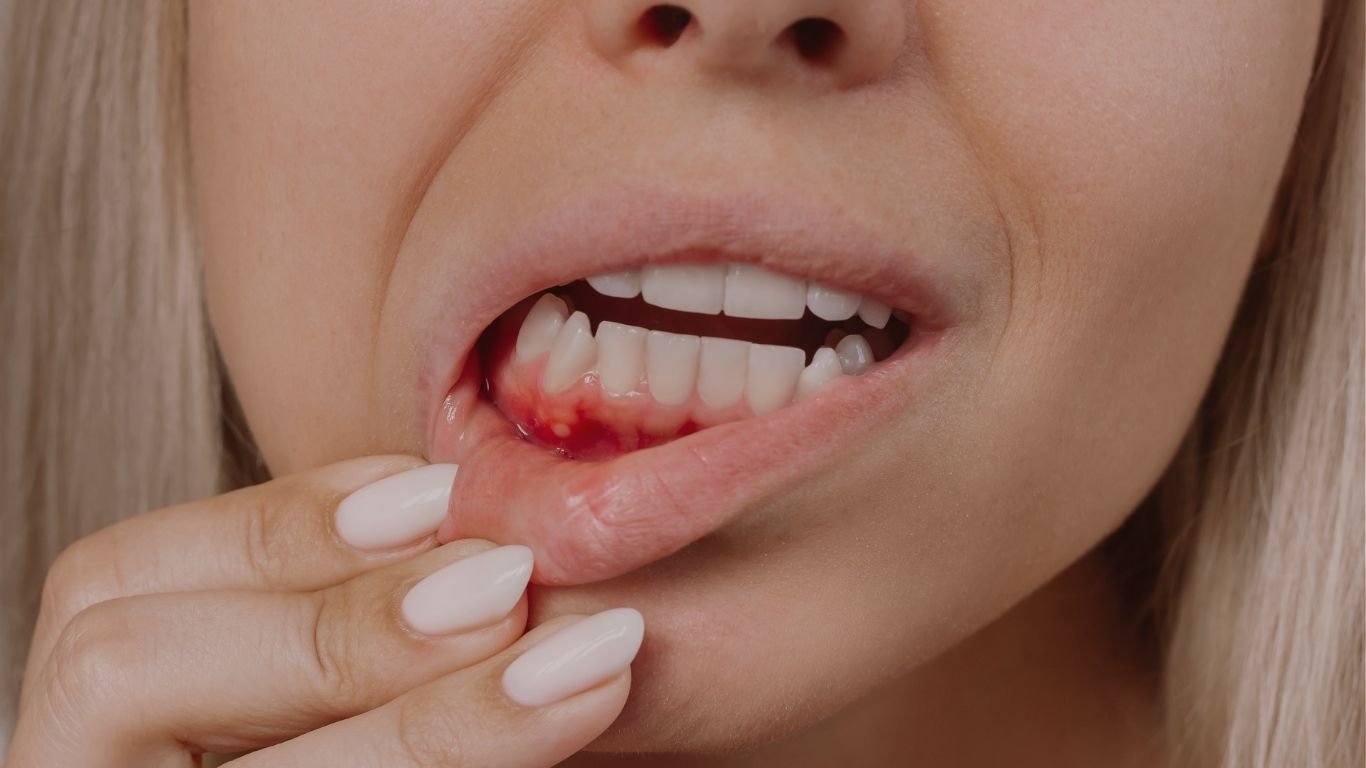
Bleeding gums refer to the presence of blood originating from the gingival tissues, particularly noticeable during brushing, flossing, or even spontaneous bleeding in severe cases . The gums, medically known as gingivae, are the soft tissues that surround and support the teeth. When these tissues become inflamed or damaged, they tend to bleed easily due to increased vascularity and fragility of the blood vessels within them.
The significance of bleeding gums extends beyond the mouth itself. In many instances, bleeding gums serve as an early warning sign of gum disease, but they may also indicate systemic health issues such as blood disorders, vitamin deficiencies, or hormonal imbalances . Recognizing this symptom and seeking appropriate evaluation is therefore crucial for preventing progression to more serious conditions.
Recognizing the Symptoms
The primary symptom of bleeding gums is, quite obviously, the presence of blood. However, the way this bleeding manifests can vary considerably depending on the underlying cause and severity of the condition.
The most common presentation involves bleeding during routine oral hygiene practices, such as brushing or flossing . Many individuals notice pink or red discoloration on their toothbrush or dental floss after cleaning their teeth. In early stages, this bleeding may be minimal and intermittent, often resolving spontaneously. As the condition progresses, bleeding may become more persistent and occur with minimal stimulation.
Beyond bleeding, other symptoms frequently accompany this condition. Redness and swelling of the gums are typical findings in gingivitis, the earliest stage of gum disease . The gums may appear puffy, shiny, or darker in color than normal. Soreness or tenderness when touching the gums is also common.
Bad breath, medically termed halitosis, often develops alongside bleeding gums due to the accumulation of bacteria and decomposition of oral tissues . Some individuals report an unpleasant taste in their mouths. As gum disease advances, additional symptoms may emerge, including receding gums, sensitive teeth, and in severe cases, loose teeth or changes in bite alignment .
In advanced periodontal disease, gum abscesses may form, presenting as painful collections of pus beneath the gum tissue . Necrotizing periodontal disease, a rare but severe form, can cause painful ulcers, a metallic taste, and even systemic symptoms such as fever and difficulty swallowing .
Causes of Bleeding Gums
The causes of bleeding gums are multifaceted, ranging from local oral factors to systemic medical conditions. Identifying the root cause is essential for effective management.
Plaque and Gum Disease
The most common cause of bleeding gums is the accumulation of dental plaque at the gum line . Plaque is a sticky, colorless film composed of bacteria, mucus, and food debris that constantly forms on teeth. When plaque remains on tooth surfaces for more than a few days, it hardens into tartar, also known as calculus. Both plaque and tartar irritate the gingival tissues, triggering an inflammatory response that causes the gums to become swollen, tender, and prone to bleeding.
This early stage of gum disease is called gingivitis . Gingivitis is characterized by redness, swelling, and bleeding upon provocation. Importantly, gingivitis is reversible with proper oral hygiene and professional dental care. However, if left untreated, gingivitis can progress to periodontitis, a more serious condition in which the inflammation extends to the tissues and bone that support the teeth .
Oral Hygiene Practices
Improper oral hygiene techniques can directly cause or exacerbate bleeding gums. Brushing too aggressively or using a hard-bristled toothbrush can traumatize the delicate gingival tissues . Similarly, improper flossing technique that involves snapping the floss against the gums rather than gently sliding it between teeth can cause injury.
Conversely, inadequate oral hygiene allows plaque to accumulate, leading to the inflammatory changes that result in bleeding. Individuals who have recently started a flossing routine may experience temporary bleeding as their gums adapt to the new stimulation; this typically resolves within a week or two .
Systemic Health Conditions
Numerous systemic conditions can manifest with bleeding gums. Hormonal fluctuations during pregnancy, puberty, menstruation, and menopause increase gum sensitivity and susceptibility to inflammation . Pregnancy gingivitis is a well-recognized phenomenon in which expectant mothers experience swollen, tender gums that bleed easily .
Blood disorders and bleeding disorders can present with gum bleeding . Leukemia, a type of blood cancer, may cause gum bleeding as an early symptom. Vitamin deficiencies, particularly of vitamin C and vitamin K, are recognized causes of bleeding gums . Scurvy, resulting from severe vitamin C deficiency, classically presents with bleeding gums among other symptoms.
Diabetes, both type 1 and type 2, increases susceptibility to gum disease and bleeding . Uncontrolled diabetes impairs wound healing and immune function, making gum tissues more vulnerable to infection and inflammation.
Medications can also contribute to bleeding gums. Blood thinners, including aspirin, warfarin, and heparin, increase bleeding tendency throughout the body, including the gums . Certain anticonvulsants, immunosuppressants, and birth control pills may cause gum swelling that predisposes to bleeding .
Other contributing factors include smoking, which impairs gum health and masks bleeding symptoms, ill-fitting dentures or dental appliances that cause irritation, misaligned teeth, and stress .
Effects and Complications
The effects of untreated bleeding gums extend well beyond occasional discomfort. Understanding these potential consequences underscores the importance of addressing this symptom promptly.
Progression of Gum Disease
The most direct consequence of unaddressed bleeding gums is the progression of gum disease. Gingivitis, if untreated, can advance to periodontitis over time . Periodontitis involves inflammation and infection that destroys the periodontal ligament and alveolar bone that support the teeth. As these supporting structures deteriorate, teeth become loose and may eventually fall out or require extraction .
Advanced periodontitis can lead to gum abscesses, which are painful collections of pus that may require drainage and antibiotic treatment . Receding gums expose the roots of teeth, leading to sensitivity and increased risk of root caries. In severe cases, necrotizing periodontal disease can cause tissue destruction and even gangrene affecting the lips and cheeks .
Systemic Health Implications
Emerging research has established connections between gum disease and various systemic health conditions. The inflammation associated with periodontal disease is not confined to the mouth; inflammatory mediators can enter the bloodstream and affect distant organs. Bleeding gums and gum disease have been associated with increased risk of cardiovascular disease, including coronary artery disease and stroke . The relationship between diabetes and gum disease is bidirectional: diabetes increases susceptibility to gum disease, while gum disease can worsen glycemic control.
Respiratory conditions may also be influenced by oral bacteria. Aspiration of oral pathogens into the lungs can contribute to respiratory infections, particularly in vulnerable individuals. Additionally, pregnant women with gum disease may face increased risk of adverse pregnancy outcomes.
The psychological and social effects of bleeding gums should not be overlooked. Bad breath, visible blood, and concerns about oral health can affect self-confidence, social interactions, and overall quality of life.
Prevention Strategies
Preventing bleeding gums is both achievable and essential for maintaining oral health. A comprehensive approach combining excellent oral hygiene, regular professional care, and healthy lifestyle choices provides the best protection.
Effective Oral Hygiene
Proper brushing technique forms the foundation of gum health. Using a soft-bristled toothbrush, individuals should brush gently at a 45-degree angle to the gum line, using small circular motions . Brushing should be performed at least twice daily, ideally after each meal. Gentle pressure is crucial; aggressive brushing can damage gums and worsen bleeding.
Flossing once daily removes plaque from between teeth where a toothbrush cannot reach . Proper technique involves wrapping floss in a C-shape around each tooth and sliding it gently beneath the gum line. While some bleeding may occur initially when starting a flossing routine, this typically resolves as gums become healthier.
Fluoride toothpaste helps prevent tooth decay and strengthens enamel . An antimicrobial mouthwash may provide additional protection against plaque and gingivitis, though alcohol-containing rinses should be used with caution as they may irritate sensitive gums .
Professional Dental Care
Regular dental visits, typically every six months, are essential for removing plaque and tartar that cannot be eliminated through home care alone . Professional cleanings, known as scaling and root planing when performed below the gum line, remove bacterial deposits and create a healthier environment for gum tissue.
Dentists can also identify early signs of gum disease before significant damage occurs, monitor the effectiveness of home care routines, and provide personalized recommendations for improvement. For individuals with existing gum disease, more frequent professional cleanings may be necessary to control the condition.
Lifestyle Modifications
Several lifestyle factors significantly influence gum health. Tobacco use is a major risk factor for gum disease and can mask bleeding symptoms, making early detection more difficult . Smoking cessation is therefore strongly recommended. A balanced diet rich in vitamins and minerals supports immune function and tissue health . Adequate vitamin C and vitamin K intake is particularly important for gum health and blood clotting.
Managing stress, controlling diabetes, and addressing hormonal factors when possible can also reduce susceptibility to gum disease. Individuals taking blood-thinning medications should discuss gum bleeding with their healthcare providers to determine appropriate management strategies.
Homeopathic Approaches to Bleeding Gums
Homeopathy, a system of medicine developed in the late eighteenth century, operates on the principle of treating like with like. Homeopathic remedies are prepared through serial dilution and succussion, a process believed to enhance their therapeutic properties while minimizing toxicity. In the context of bleeding gums, several homeopathic remedies have been traditionally used, though it is important to note that these approaches are based on traditional use and homeopathic principles rather than modern clinical evidence.
The following remedies are described according to classical homeopathic materia medica and traditional usage. Individuals interested in homeopathic treatment should consult with a qualified homeopathic practitioner for personalized guidance.
Plantago Major
Plantago major, commonly known as plantain, has been traditionally used in homeopathy for various oral conditions including gingivitis. A clinical study published in the Indian Journal of Research in Homoeopathy investigated the effect of Plantago on gingivitis by assessing bleeding and plaque indices . The study involved thirty gingivitis patients divided into control and test groups. Over a six-month period, significant reductions in gingival index, plaque index, and bleeding on probing were observed in the test group compared to controls . While this study suggests potential benefits, larger controlled trials would be needed to establish definitive efficacy.
Mercurius Solubilis
Mercurius solubilis is one of the classical homeopathic remedies traditionally associated with gum conditions. Historical homeopathic texts describe its use for swollen, spongy gums that bleed easily, particularly when accompanied by excessive salivation and a metallic taste in the mouth . The remedy is traditionally indicated when gums are inflamed and ulcerated, with a tendency toward pus formation. In classical homeopathic practice, Mercurius is often considered when gum problems follow the use of conventional medications or when there is marked involvement of the salivary glands.
Arsenicum Album
Arsenicum album has been traditionally used in homeopathy for cases involving ulceration of the gums with bleeding and violent burning pain . Classical descriptions suggest it for individuals experiencing great debility and restlessness, with a desire to drink frequently but only in small amounts. The gums may be swollen and bleed easily, with ulcerations that have a foul odor. This remedy is typically considered for more severe presentations with significant systemic involvement.
Nitric Acid
Nitric acid is another classical remedy traditionally used for gum conditions. Historical texts describe its application when gums are swollen, appear whitish, and bleed easily, often accompanied by looseness of the teeth . Excoriations in the mouth, salivation, and a putrid odor are characteristic indications. In homeopathic practice, Nitric acid is often considered when Mercurius has been ineffective or when the condition involves more pronounced tissue destruction.
Carbo Vegetabilis
Carbo vegetabilis has been traditionally indicated for ulceration of the gums and tongue with profuse bleeding . The characteristic burning sensation and excessive fetidness of the ulcers guide its selection in classical practice. Difficult movement of the tongue may accompany these symptoms. Homeopathic practitioners historically considered this remedy particularly after Arsenicum or in cases where conventional treatment has caused excessive salivation.
Borax
Borax has been traditionally used in homeopathy for gum ulceration with bleeding, particularly in children . It is often considered when bleeding gums occur alongside thrush in the mouth and on the tongue. The remedy is described as suitable for individuals with easily bleeding gums, especially when other oral symptoms such as white patches are present.
Kali Phosphoricum
Kali phosphoricum appears in homeopathic combination products traditionally used for oral health. One such product lists Kali phos 6X among ingredients indicated for bleeding gums, aching teeth, and toothache with bleeding gums . In classical homeopathy, Kali phos is often associated with conditions arising from mental or physical fatigue, suggesting its consideration when gum problems coincide with exhaustion or stress.
Combination Homeopathic Products
Several homeopathic mouthwashes and oral care products are available that combine multiple remedies traditionally used for gum conditions. One such product contains Sambucus nigra 3X, Echinacea purpurea 4X, and Hydrocotyle asiatica 4X, with traditional uses including protection against gingivitis, reduction of gum bleeding and soreness, and promotion of gingival healing . It should be noted that these products are marketed as unapproved homeopathic drugs and have not been evaluated by regulatory agencies for safety or efficacy .
Important Considerations
Individuals considering homeopathic treatment for bleeding gums should be aware of several important considerations. First, bleeding gums can indicate serious underlying conditions that require medical evaluation and treatment. Persistent or severe gum bleeding should be assessed by a dentist or healthcare provider before pursuing homeopathic approaches.
Second, homeopathic remedies are traditionally selected based on the principle of individualization, meaning the remedy is chosen based on the totality of symptoms experienced by the person, not merely the diagnosis. Consulting with a qualified homeopathic practitioner ensures proper remedy selection and potency determination.
Third, homeopathic treatment does not replace essential oral hygiene practices or professional dental care. Maintaining proper brushing and flossing habits, attending regular dental cleanings, and addressing underlying health conditions remain fundamental to gum health.
Finally, individuals should inform their healthcare providers about all treatments they are using, including homeopathic remedies, to ensure coordinated and safe care.
When to Seek Professional Help
Certain signs and symptoms warrant prompt professional evaluation. Bleeding that is severe, persistent, or recurrent despite improved oral hygiene requires dental assessment . Gums that continue to bleed even after professional treatment should be evaluated for systemic causes. Additional concerning symptoms include painful or swollen gums, pus from the gum line, loose teeth, and increasing spacing between teeth, as these may indicate periodontitis .
Individuals with known bleeding disorders, those taking blood-thinning medications, or those with conditions such as diabetes or leukemia should be particularly vigilant about gum bleeding and seek timely care. Unexplained bleeding from other sites in the body, easy bruising, or signs of systemic illness accompanying gum bleeding require medical investigation.
FAQs About Homeopathic Medicines for Bleeding Gums
1. Which homeopathic medicines are traditionally used for bleeding gums?
Several homeopathic remedies have been traditionally associated with bleeding gums. Mercurius solubilis is often indicated for puffy, bleeding gums accompanied by a bad taste or offensive breath . Phosphorus is used for minor, frequent bleeding such as nosebleeds or gum bleeding . Nitric acid appears in formulations for red, swollen gums . Other remedies like Plantago, Hypericum perforatum, Calendula, and Hepar sulphuris have also been studied or used traditionally for gingivitis and gum support .
2. Are there any clinical studies supporting homeopathy for bleeding gums?
Yes, some small studies exist. A clinical study published in the Indian Journal of Research in Homoeopathy evaluated Plantago in gingivitis patients and reported significant reductions in bleeding and plaque indices over six months . Another study compared Hypericum perforatum mouthwash with saline and chlorhexidine, finding that Hypericum reduced plaque and gingival inflammation compared to saline . A separate study on Calendula as an adjunct in chronic gingivitis suggested it may have anti-inflammatory and antibacterial effects . However, these studies are limited in size and scope.
3. What should I do if my gums keep bleeding despite using homeopathic remedies?
You should stop use and consult a dentist if bleeding, redness, or gingivitis persists for more than two weeks . Also seek professional care immediately if you notice painful or swollen gums, pus from the gum line, loose teeth, or increasing spacing between teeth, as these may indicate periodontitis, a serious form of gum disease .
4. Can homeopathic medicines replace brushing, flossing, or professional dental care?
No. Homeopathic products for oral care are not intended to replace brushing or flossing . Bleeding gums often stem from plaque buildup, gum disease, or underlying health conditions that require proper dental evaluation and hygiene. Homeopathic remedies should be considered complementary at most, not a substitute for essential oral care.
5. What precautions should I take with homeopathic oral products?
Always read the label and follow the recommended dosage. Keep products out of reach of children under 6 years of age . Do not use if allergic to any ingredients. Do not swallow mouthwash products; if accidental swallowing occurs, contact a Poison Control Center . If pregnant or breastfeeding, consult a healthcare professional before use .
6. How are homeopathic medicines for bleeding gums typically taken?
Forms vary. Globules (small pills) are often taken 3–5 globules three times daily or as directed by a physician . Liquid formulations may be taken as drops under the tongue, sometimes twice daily or more frequently for acute symptoms . Mouthwashes are typically rinsed for 60 seconds and spit out, without eating or drinking for 30 minutes afterward . Always follow the specific product instructions or your practitioner’s guidance.
Conclusion
Bleeding gums represent a common yet significant health concern that warrants attention and appropriate management. While occasional minor bleeding may result from temporary factors such as starting a new flossing routine, persistent bleeding typically indicates underlying gum inflammation or other health issues. Understanding the causes, recognizing associated symptoms, and implementing preventive strategies can help individuals maintain healthy gums and avoid progression to more serious periodontal disease.
Traditional homeopathic approaches offer a historical perspective on managing bleeding gums, with remedies such as Plantago, Mercurius, Arsenicum, and Nitric acid having been used by homeopathic practitioners for generations. While some research, such as the clinical study on Plantago, suggests potential benefits, these approaches should complement rather than replace evidence-based dental care. Individuals interested in homeopathic treatment should consult qualified practitioners and maintain regular dental visits to ensure comprehensive oral health management.
Ultimately, healthy gums require consistent care through proper oral hygiene, regular professional cleanings, and attention to overall health. By addressing bleeding gums promptly and comprehensively, individuals can preserve their smiles and protect their general wellbeing for years to come.