Table of Contents
ToggleUnderstanding Jaundice: A Comprehensive Overview of Symptoms, Causes, and Homeopathic Remedies for Jaundice
Introduction
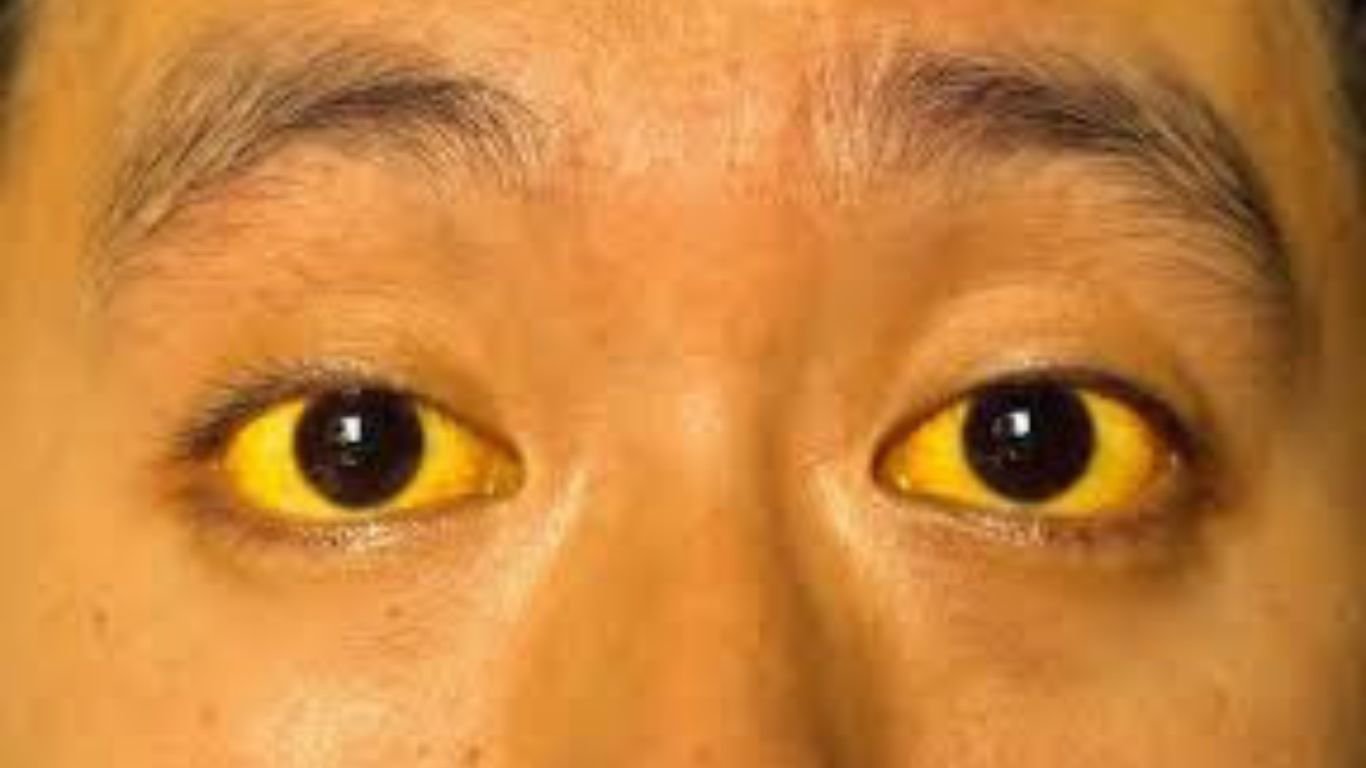
Jaundice is not a disease in itself but rather a visible clinical sign indicating an underlying disruption in the body’s processing of bilirubin. This yellowish discoloration of the skin, the sclera (the whites of the eyes), and mucous membranes serves as a crucial warning signal that requires prompt medical evaluation. While it is most commonly associated with liver conditions, the origins of jaundice can be traced to issues ranging from the rapid breakdown of red blood cells to physical blockages in the bile ducts. Understanding the mechanics of bilirubin metabolism is essential for grasping why jaundice occurs and how it is approached from both conventional and traditional perspectives.
The fundamental cause of jaundice is hyperbilirubinemia, a condition characterized by an excess of bilirubin in the bloodstream. Bilirubin is a yellow-orange pigment produced naturally during the breakdown of aged or damaged red blood cells. Under normal circumstances, the liver processes this unconjugated (indirect) bilirubin, making it water-soluble (conjugated or direct bilirubin) so it can be excreted into bile and eventually eliminated through the intestines in stool . When this intricate pathway is interrupted—whether at the level of production, hepatic processing, or biliary excretion—bilirubin accumulates in the tissues, leading to the characteristic yellow hue .
Symptoms and Clinical Presentation
The hallmark symptom of jaundice is the yellowing of the skin and eyes. However, the condition is often accompanied by a constellation of other symptoms that can help pinpoint the underlying cause. Patients frequently report dark, tea-colored urine and pale, clay-colored stools, which occur when bilirubin is diverted away from the intestines and into the urine due to biliary obstruction . Generalized itching (pruritus) is another common complaint, resulting from the deposition of bile salts in the skin. Depending on the etiology, individuals may also experience fatigue, nausea, vomiting, loss of appetite, and abdominal pain, particularly in the upper right quadrant .
It is critical to distinguish between the symptoms of jaundice in adults and those in newborns. In adults, jaundice is almost always a sign of an underlying pathology requiring investigation. In contrast, mild jaundice is extremely common in newborns due to their immature liver function and is often physiological and self-limiting. However, severe neonatal jaundice can lead to serious complications if left untreated, making monitoring essential .
Causes and Classifications
The causes of jaundice are traditionally classified into three categories based on where the disruption occurs: pre-hepatic, hepatic (or hepatocellular), and post-hepatic.
Pre-hepatic jaundice occurs when there is an excessive breakdown of red blood cells, overwhelming the liver’s capacity to process the resulting bilirubin. This can be seen in hemolytic anemias, conditions like sickle cell disease, thalassemia, or reactions to certain medications and infections . In these cases, the liver itself may be healthy, but the workload is simply too high.
Hepatic jaundice arises from direct damage to the liver cells, impairing their ability to conjugate and excrete bilirubin. This is frequently caused by viral hepatitis (A, B, C, D, and E), alcohol-related liver disease, cirrhosis, autoimmune conditions, or drug-induced liver injury . When the liver is inflamed or damaged, it cannot efficiently process bilirubin, leading to a backup in the bloodstream.
Post-hepatic jaundice is the result of a mechanical obstruction in the bile ducts, preventing the flow of conjugated bilirubin into the intestine. Common culprits include gallstones, tumors of the pancreas or gallbladder, and strictures of the bile ducts . In older adults, painless jaundice accompanied by weight loss is often a red flag for malignancy, particularly pancreatic cancer .
Potential Effects and Complications
The effects of jaundice extend beyond cosmetic discoloration. The underlying condition causing the jaundice can lead to severe health consequences if unaddressed. Chronic liver damage can progress to cirrhosis, liver failure, or hepatocellular carcinoma. Biliary obstruction can lead to cholangitis, a serious infection of the bile ducts, or pancreatitis . Furthermore, the accumulation of bile salts can cause intractable itching that significantly diminishes the quality of life. In severe cases, particularly with rapid-onset liver failure, patients may develop hepatic encephalopathy, presenting as confusion, lethargy, or coma .
Prevention Strategies
Because jaundice is a symptom of many different diseases, there is no single way to prevent it. However, the risk of developing jaundice can be significantly reduced by adopting liver-friendly lifestyle habits. Limiting or avoiding alcohol consumption, maintaining a healthy weight to prevent fatty liver disease, and practicing safe sex to reduce the risk of viral hepatitis are key preventative measures . Vaccination against hepatitis A and B is highly recommended. Additionally, avoiding the sharing of needles and ensuring that tattoos and piercings are obtained from sterile, reputable establishments can prevent blood-borne infections that lead to liver inflammation . For those with pre-existing liver conditions, regular medical follow-ups and adherence to prescribed treatments are crucial for managing the disease and preventing the onset of jaundice.
Traditional Homeopathic Approaches
In the realm of complementary and alternative medicine, homeopathy has a long history of use for individuals presenting with liver and gallbladder complaints, including jaundice. It is important to note that homeopathic remedies are traditionally selected based on the principle of “like cures like,” matching the specific symptom profile of the patient to the known effects of a substance. These approaches are traditionally used to support the body’s natural healing processes, but they should never replace conventional medical treatment for serious underlying conditions.
When discussing homeopathic treatments, it is essential to emphasize that individuals should consult a qualified practitioner. The remedies listed below are traditionally used based on historical homeopathic literature and clinical experience.
Chelidonium Majus
Chelidonium, derived from the greater celandine plant, is one of the most frequently cited remedies in homeopathic literature for hepatic and biliary issues. It is traditionally indicated for jaundice associated with liver congestion, particularly when there is pain under the right shoulder blade and the stool is clay-colored . It is often considered in cases where liver function is sluggish, and there is a sensation of fullness in the abdomen.
Carduus Marianus
Also known as St. Mary’s Thistle or Milk Thistle, Carduus Marianus is traditionally used for liver affections characterized by soreness and a sensation of “stitching” pains in the liver region. It is often considered in cases of jaundice where the liver feels engorged and sensitive to touch, and it may be helpful for supporting liver function following viral hepatitis or alcohol-related strain .
Chionanthus Virginicus
This remedy, derived from the fringe tree, has a specific historical reputation for targeting the liver and gallbladder. It is traditionally used when jaundice is accompanied by an enlarged, hardened liver and a sensation of soreness. It is often considered in homeopathic practice for cases where there is a tendency toward gallstone formation or when the urine is dark and the stool is light .
Hydrastis Canadensis
Hydrastis, or goldenseal, is traditionally indicated for jaundice associated with catarrhal conditions of the digestive tract. It is often considered when the liver is torpid or atrophied, and there is a notable absence of bile in the stool, resulting in a completely colorless appearance. Historical homeopathic texts suggest it for cases characterized by profound weakness and mucosal discharges .
Phosphorus
Phosphorus is a broad-spectrum remedy frequently considered in homeopathic practice for liver conditions involving fatty degeneration or viral hepatitis. It is traditionally indicated for jaundice where the liver is enlarged and tender, and the patient may experience significant weakness and a desire for cold drinks. It is often thought of in cases where jaundice is accompanied by a tendency toward easy bruising or bleeding .
Ly copodium Clavatum
Ly copodium is traditionally used for individuals with a history of chronic liver congestion and digestive complaints. It is often indicated for jaundice when it is accompanied by bloating, flatulence, and a sensation of fullness in the lower abdomen. The patient may feel worse between 4 and 8 PM and may have a craving for sweets, which are traditionally considered keynotes for this remedy .
Disclaimer
The information provided in this article is for educational and informational purposes only and is not intended as a substitute for professional medical advice, diagnosis, or treatment. Jaundice is a serious medical sign that requires prompt evaluation by a qualified healthcare provider to determine the underlying cause. Homeopathic remedies should only be used under the guidance of a licensed and experienced homeopathic practitioner. Always seek the advice of your physician or other qualified health provider with any questions you may have regarding a medical condition. Never disregard professional medical advice or delay in seeking it because of something you have read in this article.
FAQs About Homeopathic Remedies for Jaundice
Disclaimer: The information below is for educational purposes only. Jaundice is a symptom of an underlying medical condition and requires a proper diagnosis from a doctor. Homeopathic remedies should only be used under the guidance of a qualified practitioner. Never delay or replace conventional medical treatment for jaundice with homeopathy.
What are some commonly mentioned homeopathic remedies for jaundice?
Traditional homeopathic literature lists several remedies based on the specific symptoms a person experiences. Some of the frequently mentioned ones include:
Chelidonium Majus: Often associated with liver and gallbladder issues, particularly when there is pain under the right shoulder blade and pale stools .
Carduus Marianus (Milk Thistle): Traditionally used for liver soreness and support, especially after viral hepatitis or alcohol-related strain .
Chionanthus Virginicus: Historically used for jaundice with an enlarged liver and a tendency toward gallstones .
Lycopodium Clavatum: Often indicated for chronic liver congestion accompanied by bloating and gas, with symptoms that may worsen in the late afternoon or evening .
Phosphorus: Considered in cases involving fatty liver or viral hepatitis, especially when accompanied by significant weakness .
Can homeopathy treat newborn jaundice?
Mild jaundice is very common in newborns, and some traditional homeopathic texts mention remedies like Chamomilla for jaundice in infants . However, newborn jaundice must be closely monitored by a pediatrician. Because severe neonatal jaundice can lead to serious complications, medical supervision is essential, and homeopathic support should never replace standard medical care for infants.
How are these remedies typically chosen?
In homeopathy, remedies are not chosen based on the disease name (jaundice) alone. A practitioner typically selects a remedy based on the “totality of symptoms.” This includes the cause of the jaundice, the color of the stool and urine, the presence of pain, the patient’s mood, and what makes the symptoms better or worse . For example, a remedy might be chosen specifically if the jaundice arose after a fit of anger, or if the patient feels worse in the evening .
Are there combination products available for jaundice?
Yes, some homeopathic manufacturers offer combination liquid complexes or drops designed to support liver function and address symptoms like yellowing of the skin, fatigue, and loss of appetite. These products typically contain low-potency ingredients like Chelidonium, Carduus Marianus, and Chionanthus . These are generally marketed as supportive care and should be used under the supervision of a healthcare provider.
What is the most important thing to remember about homeopathic treatment for jaundice?
The most critical point is that jaundice is a warning sign. It is not a disease itself but a symptom of an underlying issue, such as liver disease, gallstones, or a blood disorder. While homeopathic remedies are traditionally used to support liver health, you must see a doctor to determine the cause of the jaundice. A German homeopathic product label, for instance, explicitly advises seeking medical advice for jaundice because it may be a condition requiring medical clarification .
Conclusion
Jaundice is a visible warning sign of an underlying disruption in bilirubin processing, and its presence should always prompt a proper medical evaluation to identify the cause. Homeopathic remedies such as Chelidonium, Carduus Marianus, and Chionanthus have a long history of traditional use in supporting liver and gallbladder health, with remedies chosen based on the individual’s unique symptom profile. However, homeopathy should be viewed as a complementary approach and never as a substitute for timely medical diagnosis and treatment. Whether relying on conventional care, traditional homeopathic support, or both, the priority must always be the safety of the patient and the accurate identification of the condition causing the jaundice.