
Table of Contents
ToggleJock Itch: Symptoms, Causes, Effects, Prevention, and Homeopathic Remedies for Jock Itch
Introduction
Jock itch, medically known as tinea cruris, is a common superficial fungal infection affecting the groin, inner thighs, and skin folds of the buttocks. Despite its colloquial name, it is not caused by parasites or poor hygiene alone; it is a dermatophyte infection with well-defined clinical features. The condition is widespread globally and is more frequently observed in men than in women, largely because the close apposition of the scrotum and thighs creates a warm, moist microenvironment favorable to fungal growth. This article provides a detailed overview of the symptoms, causes, effects, prevention strategies, and traditional homeopathic approaches associated with jock itch.
Symptoms
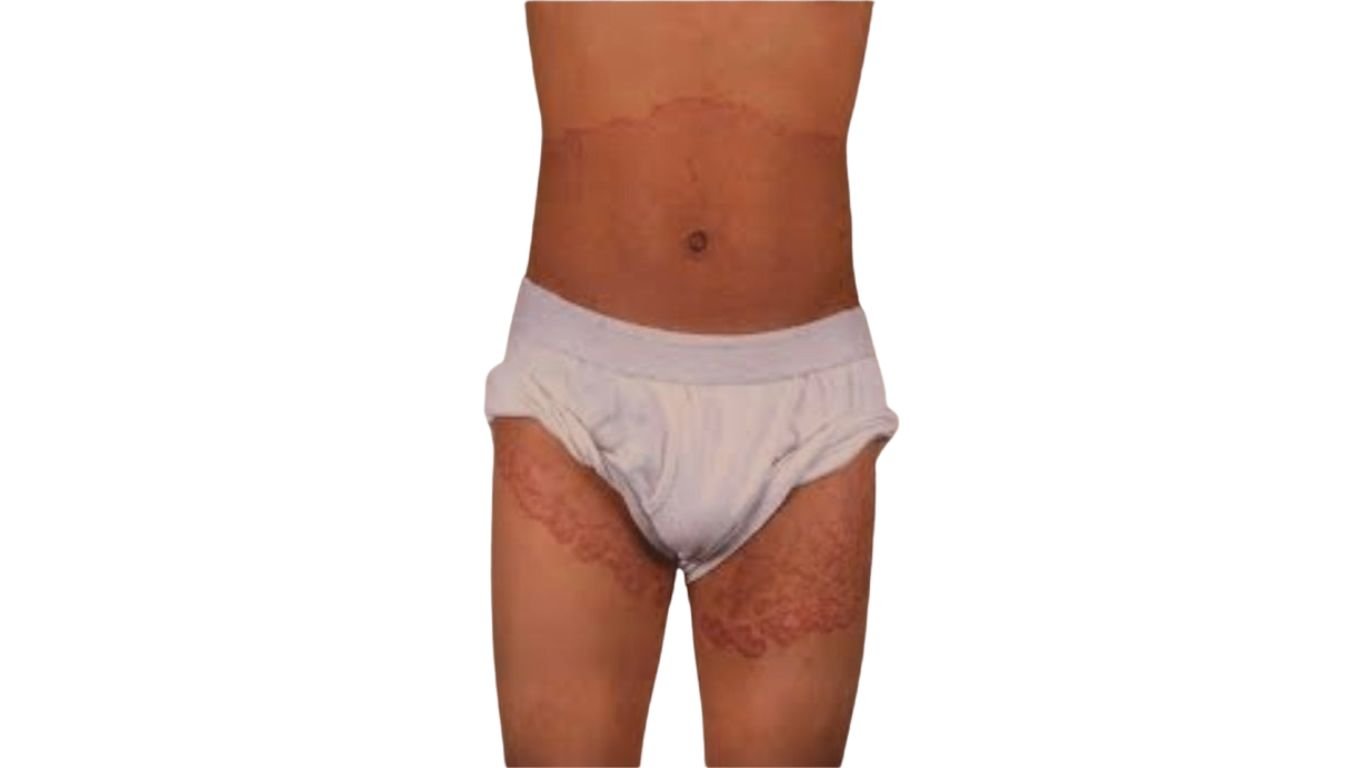
The characteristic lesions of jock itch have distinct features. Patients typically notice an itchy red rash in the groin crease, with sharply demarcated borders that spread outward in a ring-like or semicircular pattern. The rash may extend to the adjacent inner thigh skin and occasionally involve the buttock crease. Active lesions often have a slightly raised, advancing edge studded with small papules or vesicles, while the central area appears relatively cleared or hyperpigmented. This “active edge, clearing center” morphology is a shared feature of dermatophyte infections of glabrous skin and is particularly typical in jock itch.
Itching is the most troublesome symptom. The intensity varies from mild prickling to severe, almost unbearable itching, especially after sweating, at night, or when wearing tight clothing. Scratching may produce excoriations, scaling, and even secondary bacterial infection through breaks in the skin. When the infection persists or recurs, the local skin may gradually thicken and become lichenified, forming chronic changes. Notably, the scrotum itself is usually spared from direct involvement in jock itch, a feature that can help distinguish it from candidal intertrigo, which often presents with marked redness and inflammation of the scrotum.
Causes and Predisposing Factors
The causative organisms of jock itch are primarily dermatophyte fungi, with Trichophyton rubrum and Trichophyton mentagrophytes being the most common pathogens. These fungi derive nutrients from keratin and thrive in warm, moist environments, making the groin area an ideal site for colonization due to its anatomical characteristics.
Several factors can increase susceptibility. Excessive sweating, whether from hot humid weather, physical exertion, or wearing occlusive clothing, creates the moisture that fungi require. Tight-fitting underwear and trousers, especially those made of synthetic materials that trap heat and moisture, further promote fungal growth. Sharing towels, clothing, or sports equipment with an infected person can transmit the fungus. Auto-inoculation from an existing fungal infection elsewhere on the body, such as athlete’s foot (tinea pedis) or onychomycosis, is a common route of spread; using the same towel to dry the feet and then the groin is a classic example. Obesity, diabetes mellitus, immunosuppression, and prolonged use of antibiotics or corticosteroids are recognized risk factors that can predispose individuals to persistent or recurrent infection.
Effects and Complications
The primary effect of jock itch is significant discomfort and itching that can interfere with daily activities, sleep, and exercise. The persistent urge to scratch can be embarrassing in social situations and may affect concentration and quality of life. Scratching damages the skin barrier and creates entry points for bacteria, potentially leading to secondary bacterial infections such as impetigo or cellulitis, which may require additional medical attention.
Chronic or recurrent infection can lead to lichenification of the skin, with thickening, hyperpigmentation, and persistent discomfort. In some individuals, the condition may spread to other body sites, including the buttocks, lower abdomen, and, in men, the scrotum or penis, though direct scrotal involvement is less common. Psychological effects should not be underestimated; the intimate location of the rash and the associated itching can cause embarrassment, anxiety, and reduced self-confidence, particularly in adolescents and young adults.
Prevention
Prevention of jock itch centers on keeping the groin area dry, cool, and clean. Wearing loose-fitting, breathable underwear made of cotton or moisture-wicking fabrics is recommended, and changing underwear daily or after exercise helps reduce moisture accumulation. Avoiding tight trousers and synthetic fabrics during hot weather or strenuous activity can significantly lower risk. After bathing or swimming, the groin should be dried thoroughly, including the skin folds, before dressing.
Good hygiene practices include washing the groin area daily with mild soap and water, then drying completely. Towels, clothing, and sportswear should not be shared with others. Individuals with athlete’s foot should treat it promptly and use a separate towel for the feet and groin to avoid auto-inoculation. In shared spaces such as gyms and locker rooms, wearing sandals and avoiding direct contact with communal surfaces is advisable. For those who are overweight or have diabetes, weight management and good glycemic control can reduce the likelihood of recurrent infection. Using absorbent powder in the groin area may help keep the skin dry in humid conditions.
Homeopathic Approaches
Homeopathy is a system of complementary medicine that has been used traditionally for various skin conditions, including fungal infections. It is important to note that homeopathic remedies are traditionally used based on individual symptom patterns rather than a single diagnosis, and their use should not replace appropriate medical evaluation, especially when the diagnosis is uncertain or the infection is severe, extensive, or recurrent. The following remedies are described according to traditional homeopathic literature; they are traditionally used for symptom patterns that may accompany jock itch, and individual responses can vary considerably.
Sulphur
Sulphur is one of the most frequently mentioned remedies in traditional homeopathic literature for itchy, red, and inflamed skin conditions, particularly those aggravated by warmth and scratching. It is traditionally used for patients who experience intense itching that worsens at night or in bed, with a tendency for the skin to appear dry and scaly after scratching. The remedy is often considered when the rash is accompanied by burning and a sensation of heat in the affected area.
Graphites
Graphites is traditionally used for skin conditions with cracked, rough, and oozing eruptions, particularly in skin folds. In the context of jock itch, it may be considered when the rash is accompanied by a sticky, honey-like discharge and the skin in the groin folds appears fissured. Itching that worsens with warmth and is relieved by cold applications is a characteristic traditionally associated with this remedy.
Rhus Toxicodendron
Rhus toxicodendron is traditionally used for itchy eruptions with a vesicular appearance and intense restlessness. It may be considered when the itching is aggravated by rest and relieved by warmth or movement, and when the skin appears red and swollen. The remedy is often described in homeopathic literature for conditions that follow exposure to dampness or after physical exertion.
Arsenicum Album
Arsenicum album is traditionally used for skin conditions with burning itching that is relieved by warmth, and for patients who feel anxious and restless. In homeopathic practice, it may be considered when the groin rash is accompanied by a burning sensation and the skin appears dry and scaly, with itching that worsens at night.
Sepia
Sepia is traditionally used for skin eruptions in skin folds, particularly when the itching is intense and accompanied by a sensation of dryness and roughness. It may be considered for individuals who feel worse in the evening and after washing, and who experience a general sense of fatigue or indifference.
Calendula (Topical)
Calendula is traditionally used in homeopathic practice as a topical application for minor skin irritation and to support skin comfort. It is sometimes used in diluted form as a wash or compress for irritated skin, though it should not be applied to broken or infected skin without professional guidance.
Natrum Muriaticum
Natrum muriaticum is traditionally used for skin conditions with itching that worsens with warmth and after eating salty foods, and for individuals who tend to retain emotions. It may be considered when the rash appears in skin folds and is accompanied by dryness and scaling.
It is essential to understand that homeopathic remedies are traditionally used based on a holistic assessment of the individual, and the selection of a remedy should ideally be made by a qualified homeopathic practitioner. Self-prescription without proper guidance may delay appropriate treatment. If the rash is accompanied by fever, spreading redness, pus, or severe pain, or if it does not improve within a reasonable period, medical evaluation is strongly recommended to rule out bacterial infection or other conditions that require conventional treatment.
Disclaimer
This article is provided for informational and educational purposes only and does not constitute medical advice, diagnosis, or treatment. The information on symptoms, causes, and prevention is general in nature and may not apply to every individual. Homeopathic approaches described herein are based on traditional use and historical practice; they are not presented as cures, and their effectiveness is not established by modern scientific standards. No claims of guaranteed results are made. Readers should not use this information as a substitute for professional medical advice from a qualified healthcare provider. Always consult a licensed physician or dermatologist for proper diagnosis and treatment of skin conditions, particularly if symptoms are severe, persistent, or accompanied by signs of infection. Individual responses to any treatment, including homeopathic remedies, can vary, and the use of complementary approaches should be discussed with a healthcare professional to ensure safety and appropriateness.
FAQs About Homeopathic Remedies for Jock Itch
What are homeopathic remedies for jock itch?
Homeopathic remedies for jock itch are natural substances that are traditionally used in homeopathic practice to support the body’s response to itchy, inflamed skin conditions in the groin area. These remedies are selected based on the individual’s specific symptoms, such as the type of itching, when it worsens, and how the skin looks. Examples traditionally mentioned include Sulphur, Graphites, Rhus Toxicodendron, Arsenicum Album, and Sepia. They are typically used in highly diluted forms and are not presented as cures.
How are homeopathic remedies chosen for jock itch?
In homeopathic practice, remedies are chosen based on the individual’s complete symptom picture rather than the diagnosis alone. A practitioner considers factors such as the intensity and timing of the itching, whether warmth or cold relieves it, the appearance of the rash, the presence of scaling or oozing, and the person’s general health and emotional state. This individualized approach means two people with jock itch may be given different remedies.
Can homeopathic remedies be used along with conventional treatment?
Homeopathic remedies are sometimes used alongside conventional antifungal treatment, but this should be discussed with a qualified healthcare provider. Conventional antifungal creams or oral medications are the standard medical treatment for fungal infections, and homeopathic approaches are traditionally used as complementary support. Do not stop prescribed treatment without medical advice.
Are homeopathic remedies safe?
Homeopathic remedies are generally considered safe when used as directed because they are highly diluted. However, safety depends on proper use and quality of the product. Some topical homeopathic preparations may cause irritation in sensitive individuals. Pregnant women, children, and people with chronic health conditions should consult a healthcare professional before use. Also, relying on homeopathic remedies alone for a severe or spreading infection may delay effective treatment.
How long do homeopathic remedies take to show results for jock itch?
There is no fixed timeline, and responses vary widely among individuals. Some people report improvement within days, while others may take longer. Because homeopathic remedies are traditionally used based on individual response, a qualified practitioner can help assess progress. If symptoms worsen, spread, or do not improve within a reasonable period, medical evaluation is recommended.
Can homeopathic remedies prevent jock itch from coming back?
Homeopathic remedies are not established as a method of prevention. Preventing jock itch mainly involves keeping the groin area dry and cool, wearing breathable clothing, avoiding shared towels, and treating fungal infections elsewhere on the body, such as athlete’s foot. Some individuals use homeopathic remedies traditionally to support general skin health, but this should not replace proven preventive measures.
Are there topical homeopathic products for jock itch?
Yes, some topical homeopathic preparations, such as Calendula-based washes or creams, are traditionally used for minor skin irritation and to support skin comfort. These should not be applied to broken, oozing, or infected skin without professional guidance. Always check the label and consult a practitioner or pharmacist if unsure.
When should I see a doctor instead of using homeopathic remedies?
You should see a doctor if the rash is severe, spreads rapidly, or is accompanied by fever, pus, severe pain, or spreading redness, which may indicate a bacterial infection. Medical evaluation is also recommended if the condition does not improve within a week or two, if it keeps recurring, or if you have diabetes or a weakened immune system. A proper diagnosis helps rule out other skin conditions that may look similar to jock itch.
Disclaimer
This information is provided for educational purposes only and does not constitute medical advice. Homeopathic remedies are described based on traditional use and are not presented as cures. Individual responses can vary, and the effectiveness of homeopathic approaches is not established by modern scientific standards. Always consult a qualified healthcare provider for diagnosis and treatment, especially if symptoms are severe, persistent, or accompanied by signs of infection.
Conclusion
Jock itch is a common fungal infection that can cause itching, redness, and discomfort in the groin area. While it is not a serious condition, it can significantly impact an individual’s quality of life. Good hygiene practices, such as keeping the area dry and wearing breathable clothing, can help prevent jock itch. Homeopathic remedies may offer relief for some individuals, but it’s essential to consult a healthcare professional for proper diagnosis and treatment.













2 thoughts on “Homeopathic Remedies for Jock Itch”