Table of Contents
ToggleDiscover Safe and Effective Homeopathic Remedies for Hangovers
Introduction
We have all been there. You wake up after a night of celebration, and the world feels like it is spinning too fast. Your head pounds in time with your heartbeat, your mouth feels like sandpaper, and the mere thought of food makes your stomach churn. This collection of symptoms is the dreaded hangover, the body’s powerful and punishing way of saying it did not appreciate the previous night’s indulgence. Despite being a phenomenon as old as alcohol itself, the hangover is still often misunderstood. While there is no magic cure that can instantly erase its effects, understanding the science behind the symptoms, learning effective prevention strategies, and knowing how to manage the discomfort can make the experience far more bearable.
To truly grasp why we feel so awful, it is necessary to look beyond the simple explanation of “drinking too much.” A hangover is a complex physiological response triggered by alcohol and its byproducts, affecting multiple systems within the body. The severity can vary greatly from person to person and depends on a variety of factors, including the amount and type of alcohol consumed, genetics, and even what we ate the night before. We will explore the common symptoms, the underlying causes, practical prevention techniques, and finally, how to find relief, including a look at the homeopathic remedies often used to address this condition.
The Unwanted Symptoms of Overindulgence
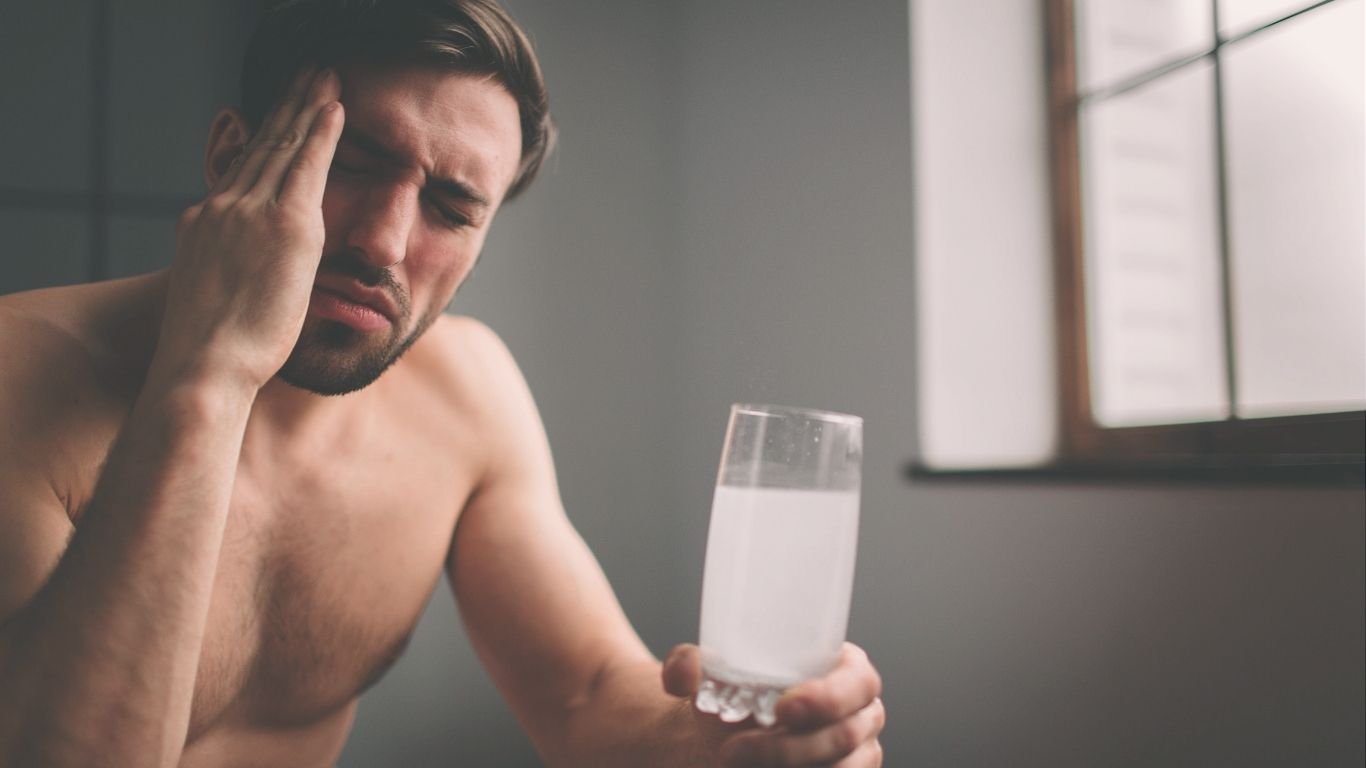
The symptoms of a hangover are a brutal combination of physical and mental discomfort, typically appearing the morning after a night of heavy drinking. These symptoms peak when blood alcohol concentration returns to zero, which is usually upon waking . While the experience is subjective, there is a classic array of complaints that are almost universally recognized.
Perhaps the most common symptom is a throbbing headache, often accompanied by dizziness and a marked sensitivity to light and sound. This is compounded by an overwhelming feeling of fatigue and weakness, a general sense of physical and mental inertia, and a brain fog that makes it difficult to concentrate. The body feels heavy, and simple tasks become monumental. Dehydration plays a major role here, manifesting as intense thirst and a dry mouth. The gastrointestinal system is also under siege, leading to nausea, vomiting, and stomach pain. Beyond these physical symptoms, a hangover can significantly impact mental state. Many experience irritability, anxiety—often called “hangxiety”—and a general feeling of being unwell . These symptoms are not just in one’s head; they are the result of a systemic disruption of the body’s normal function.
The Science Behind the Suffering
Understanding the physiological mechanisms behind a hangover reveals why it is so much more than just a headache. The root cause is a combination of factors, all triggered by alcohol consumption.
Dehydration and Electrolyte Imbalance
Alcohol is a potent diuretic, meaning it causes the body to lose fluid at a significantly increased rate. It suppresses the release of vasopressin, an antidiuretic hormone, causing the kidneys to send fluid directly to the bladder instead of reabsorbing it . This leads to frequent urination, which, combined with potential vomiting or sweating, quickly depletes the body’s water reserves. This dehydration is a primary driver of hangover symptoms like thirst, a dry mouth, dizziness, and the throbbing headache . The loss of fluids also depletes essential salts and electrolytes like potassium and sodium, further contributing to fatigue, muscle aches, and weakness.
Disrupted Sleep and Fatigue
While a few drinks may help you fall asleep faster, alcohol severely disrupts the quality of sleep. It interferes with the brain’s normal sleep architecture, particularly the Rapid Eye Movement stage. As the body metabolizes alcohol throughout the night, it can cause fragmented sleep, frequent awakenings, and overall lighter sleep patterns. Even after a full night in bed, you wake up feeling unrefreshed, groggy, and profoundly tired because your brain and body did not get the restorative rest they needed .
Irritation of the Stomach Lining
Alcohol is an irritant to the gastrointestinal tract. It directly inflames the stomach lining and increases the production of gastric acid, while simultaneously delaying stomach emptying . This can lead to a range of unpleasant symptoms, including stomach pain, nausea, vomiting, and diarrhea. The gut disturbance is a key reason why a hearty breakfast can be the last thing on a hungover person’s mind.
The Role of Inflammation and Toxic Byproducts
The body breaks down ethanol, the main component of alcohol, in a process that produces a highly toxic byproduct called acetaldehyde. This chemical is significantly more poisonous than alcohol itself and is responsible for many of the immediate effects of intoxication, as well as contributing to hangover symptoms like nausea, sweating, and an increased heart rate . While the body quickly converts acetaldehyde to a less harmful compound called acetate, its presence during the process triggers an inflammatory response. Research suggests that hangovers are linked to an increase in immune system messengers called cytokines, which promote inflammation throughout the body and are associated with symptoms like headaches, chills, fatigue, and nausea . This inflammatory response can leave you feeling generally unwell.
Congeners: The Hidden Culprit
Beyond the alcohol itself, the type of drink matters. Darker alcoholic beverages like bourbon, whiskey, brandy, and red wine contain higher levels of congeners. Congeners are byproducts of the fermentation and aging process, such as tannins and other organic compounds, that contribute to a drink’s flavor and color. However, they are also known to exacerbate hangover symptoms, often resulting in more severe and prolonged discomfort compared to drinking clear spirits like vodka or gin .
Strategies for Prevention
Given the unpleasantness of a hangover, the best strategy is to prevent it from happening in the first place. While the only guaranteed way to avoid a hangover is to abstain from alcohol entirely, there are several practical steps you can take to significantly reduce the risk and severity if you do choose to drink .
The golden rule is moderation. Drinking slowly and pacing yourself gives your body time to process the alcohol. It is generally recommended that women have no more than one standard drink per day and men no more than two . Eating a substantial meal, particularly one rich in carbohydrates, before and during drinking is crucial, as food in the stomach helps slow the absorption of alcohol into the bloodstream . Perhaps the most effective proactive measure is to alternate alcoholic beverages with water. This simple habit serves a dual purpose: it reduces your overall alcohol intake and helps prevent the dehydration that is a primary driver of hangover symptoms . Finally, choosing lighter-colored drinks like vodka or gin over darker spirits like bourbon or whiskey can help minimize the intake of harsh congeners .
Finding Relief: Managing Symptoms
If prevention fails and you find yourself facing a hangover, the goal shifts to managing symptoms while your body recovers. There is no instant cure, and the unpleasantness typically runs its course within 24 hours, but several strategies can provide some relief .
The most fundamental treatment is rehydration. Replenishing lost fluids is paramount. Water is essential, but electrolyte-rich beverages like sports drinks or a simple bouillon soup can be even more effective at restoring the salt and potassium balance that alcohol depleted . For a headache or muscle aches, an over-the-counter pain reliever like ibuprofen or aspirin can help. However, it is absolutely critical to avoid acetaminophen (Tylenol), as combining it with alcohol can have a toxic effect on the liver . Rest is another powerful healer. Taking a nap or simply resting in a quiet, dark room allows the body to focus its energy on recovery . While a greasy breakfast is a popular suggestion, it is often better to start with bland, easy-to-digest foods like toast or crackers once your stomach settles. Gentle movement, like a slow walk, can improve blood flow and aid recovery . While coffee might make you feel more alert, it is also a diuretic, so it is best to stick with water and electrolytes for primary hydration .
Homeopathic Approaches to Hangover Relief
Homeopathy offers a system of remedies selected based on the specific and individual symptom picture a person presents. For hangover relief, several remedies are traditionally used to address the various physical and mental discomforts that arise. It is important to note that homeopathic products have not been evaluated by the FDA for safety or efficacy, and they are not based on accepted medical evidence .
Nux Vomica
This is arguably the most well-known and frequently indicated homeopathic remedy for a hangover. It is traditionally associated with the after-effects of overindulgence, whether in food or drink . The key indications for its use include a headache that is worse in the morning, often accompanied by a feeling of heaviness. The individual is typically irritable, oversensitive to light, noise, and strong odors, and may experience significant nausea and vomiting, stomach upset, or constipation with an ineffectual urge to pass stool . It is often the first remedy considered for a person who is “cranky” after a night of excess.
Cocculus Indicus
This remedy is particularly suited to hangovers where the primary symptoms are dizziness, a dry mouth, and a heavy, aching head . It is often indicated for those who also feel profoundly weak and nauseated, with a sensation as though they cannot keep their eyes open. The individual needing Cocculus Indicus often experiences a sense of mental fatigue and confusion that makes it difficult to think clearly.
Tabacum
When a hangover is dominated by severe nausea, a cold sweat, and dizziness, Tabacum may be the remedy of choice . The person feels deathly ill, with an exaggerated sense of nausea that is worsened by the mere thought of food or the sight of it. The dizziness is often intense and can be associated with a feeling of faintness or a sinking sensation in the stomach.
Sepia
For those whose hangover includes a feeling of being generally “out of sorts,” Sepia can be considered . Key symptoms include a headache that is worse in the morning, a sinking feeling in the stomach, and a sensation of pressure or fullness. Women, in particular, may find this remedy useful for hangovers that occur around their menstrual cycle, as they may already have a disposition for this remedy.
Natrum Sulphuricum
This remedy is sometimes used for hangovers accompanied by a bitter taste in the mouth and a feeling of water retention or general swelling . It is also a supporting remedy for a headache that is worse in damp weather or with mental exertion and may be used for a morning headache that wakes the person early.
Frequently Asked Questions About Homeopathic Remedies for Hangovers
Homeopathy is a popular alternative approach for managing the unpleasant symptoms of a hangover, but it often raises many questions. People want to know how it works, which remedy to choose, and whether it is truly effective. Below, we answer some of the most common questions about using homeopathic remedies for hangover relief.
1. How do homeopathic remedies for hangovers work?
Homeopathic remedies are based on the principle of “like cures like.” This means that a substance that causes certain symptoms in a healthy person is used, in highly diluted form, to treat similar symptoms in a sick person. For hangovers, remedies are selected to match the specific symptom picture an individual is experiencing. For example, Nux Vomica, which in large doses can cause nausea and irritability, is used homeopathically to treat a hangover characterized by those very symptoms. The remedies are thought to stimulate the body’s own vital force or self-healing mechanisms to restore balance and alleviate the discomfort. It is important to understand that these remedies are highly diluted and do not contain detectable amounts of the original substance, which is a point of significant scientific debate regarding their mechanism of action.
2. Are homeopathic remedies safe to take alongside other medications or pain relievers?
Generally, homeopathic remedies are considered safe to take alongside conventional medications because they are highly diluted and contain negligible amounts of active chemical ingredients. This means they are unlikely to cause drug interactions or interfere with the metabolism of over-the-counter pain relievers like ibuprofen or aspirin. However, it is always prudent to exercise caution. If you are taking prescription medications for chronic conditions or are under a doctor’s care, it is always best to consult with a qualified healthcare professional or a licensed homeopath before adding any new remedy to your routine. They can provide personalized advice and ensure there are no contraindications based on your specific health profile.
3. How do I know which homeopathic remedy is right for my hangover?
Choosing the right remedy is all about matching the specific symptoms you are experiencing. Homeopathy is highly individualized, so there is no single “hangover cure.” Instead, you select a remedy whose symptom picture closely aligns with your own. For instance, if your primary complaint is severe nausea, vomiting, and a throbbing headache with irritability and sensitivity to light, Nux Vomica is often indicated. If you are profoundly dizzy, weak, and have a dry mouth with a heavy head, Cocculus Indicus may be more suitable. If your hangover is characterized by cold sweats, extreme nausea, and dizziness that worsens with movement, Tabacum is worth considering. Taking the time to observe your specific symptoms and match them to the remedy descriptions is the key to effective homeopathic treatment.
4. What potency of a homeopathic remedy should I use for a hangover?
Homeopathic remedies come in various potencies, which indicate the level of dilution and succussion (vigorous shaking). For acute conditions like a hangover, lower potencies are commonly recommended. Potencies such as 6C, 12C, or 30C are frequently used for self-care at home. A 6C potency is typically taken more frequently, such as every 15 to 30 minutes, until symptoms improve. A 30C potency, being a higher dilution, is often taken less frequently, such as every hour for a few doses. The general rule is to take a dose and observe the effect. If you notice improvement, you can stop or reduce the frequency. If there is no change after a few doses, you may need to consider a different remedy. It is always best to consult a qualified homeopath for guidance on potency and dosage.
5. Can I use homeopathic remedies for hangover prevention, or only for treatment?
Homeopathic remedies are typically used to treat existing symptoms rather than to prevent them. Their primary role is to stimulate the body’s healing response to alleviate the discomfort already present. There is no strong evidence to suggest that taking a homeopathic remedy before drinking will prevent a hangover, as the remedy is selected based on the specific symptoms that have already manifested. The best prevention remains the tried-and-true methods of moderation, staying hydrated, eating a substantial meal before drinking, and choosing lighter-colored alcoholic beverages. Homeopathy is best viewed as a treatment tool to manage symptoms after they have appeared.
6. How quickly do homeopathic remedies work for a hangover?
The speed at which a homeopathic remedy works can vary depending on the individual, the severity of the hangover, and whether the correct remedy has been selected. In acute conditions like a hangover, if the remedy is a good match, you may notice a positive change within 15 to 30 minutes of taking the first dose. Some people experience gradual relief over a few hours, with their symptoms slowly subsiding. If there is no improvement after three or four doses, it is often an indication that the chosen remedy is not the correct one for your particular symptom picture, and you may need to reassess your symptoms and try a different remedy.
7. Are there any side effects associated with homeopathic remedies for hangovers?
Homeopathic remedies are generally regarded as safe and non-toxic, with a very low risk of side effects due to the extreme dilutions used. However, in some sensitive individuals, a phenomenon known as a “homeopathic aggravation” can occur, where symptoms temporarily worsen before improving. This is generally considered a positive sign that the remedy is stimulating a healing response, but it is usually mild and short-lived. If you experience any unusual or concerning reactions, it is always best to discontinue use and consult a healthcare professional.
8. Where can I buy homeopathic remedies for hangovers?
Homeopathic remedies for hangovers are widely available without a prescription. You can find them in many health food stores, pharmacies with a homeopathic section, and a variety of online retailers. They are typically sold as small sugar or lactose pellets, liquid dilutions, or tablets. When purchasing, ensure you are buying from a reputable brand that adheres to good manufacturing practices. Having a basic homeopathic kit with remedies like Nux Vomica, Cocculus Indicus, and Tabacum on hand is a common practice for those who frequently use them for acute ailments like hangovers.
9. Is there scientific evidence that homeopathy works for hangovers?
The effectiveness of homeopathy remains a topic of significant debate within the scientific and medical communities. Many rigorous scientific studies have found that homeopathic remedies perform no better than a placebo. The principles of homeopathy, particularly the use of highly diluted substances that often contain no molecules of the original active ingredient, are not supported by the current understanding of chemistry, biology, and physics. However, many individuals report experiencing significant relief from their symptoms and value the approach for its gentle, individualized, and holistic nature. The placebo effect, the therapeutic benefit derived from a person’s belief in the treatment, is a powerful phenomenon that may play a role in the positive experiences some people have.
10. Can I use homeopathic remedies for hangover symptoms in children or teenagers?
Homeopathic remedies are generally considered safe for use in children and teenagers when used appropriately and in the correct dosage. However, it is absolutely crucial to exercise extreme caution and common sense. Alcohol consumption is illegal and dangerous for minors. If a teenager or child is experiencing symptoms that resemble a hangover, it may be due to other causes, such as dehydration, a viral illness, or food poisoning. If there is any suspicion of alcohol consumption by a minor, it is a serious concern that requires immediate parental intervention and, if necessary, medical attention. Homeopathic remedies should never be used as a substitute for appropriate medical care in such situations. For any health concern involving a child, consulting a pediatrician or qualified healthcare professional is always the safest and most responsible course of action.
Conclusion
A hangover is a powerful, if temporary, lesson in the delicate balance of our internal systems. It is a complex biological event driven by a cascade of effects, from dehydration and sleep disruption to inflammation and the toxicity of alcohol byproducts. While the process is unpleasant, a clear understanding of its causes empowers us to make better choices, emphasizing moderation and proactive measures like hydration and eating well. When the inevitable happens, knowledge of effective symptom management strategies provides a roadmap to comfort. Whether you rely on conventional wisdom, medical advice, or turn to the symptom-specific approach of homeopathy, the journey back to feeling human is a testament to the body’s remarkable ability to restore its own equilibrium, given time, rest, and proper care.