
Table of Contents
ToggleGallbladder Infection: Causes, Symptoms, Effects,
Prevention, and Homeopathic Remedies for Gallbladder Infection
Introduction
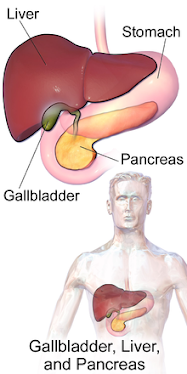
The gallbladder is one of those small, pear-shaped organs that most people never think about until it starts causing trouble. Tucked beneath the liver on the upper right side of the abdomen, its main job is to store and concentrate bile, a digestive fluid produced by the liver that helps break down fats. But when something disrupts this system, the gallbladder can become inflamed and infected. This condition, medically known as cholecystitis, is far from rare and can range from a mild, nagging discomfort to a life-threatening medical emergency. In this article, I will walk you through everything you need to know about gallbladder infection in a clear, detailed, and practical way, including causes, symptoms, long-term effects, prevention strategies, and a look at homeopathic treatment options.
What Exactly Is a Gallbladder Infection?
Before we go further, it is important to distinguish between gallbladder inflammation and infection. Inflammation of the gallbladder is called cholecystitis. This inflammation can be acute (sudden and severe) or chronic (long-lasting, often with milder symptoms). A gallbladder infection typically refers to acute cholecystitis that is caused or complicated by bacterial growth. In most cases, the infection does not start on its own. Instead, it follows a blockage, most commonly by gallstones. When bile cannot exit the gallbladder, it becomes stagnant, thickens, and creates an environment where bacteria from the intestinal tract can multiply. The most common bacteria involved include Escherichia coli, Klebsiella, Enterococcus, and Bacteroides fragilis. Without treatment, an infected gallbladder can perforate, spread infection to the abdominal cavity, or lead to sepsis.
Primary Causes and Risk Factors
Understanding why a gallbladder infection develops helps in recognizing who is most at risk. The root cause in over ninety percent of cases is gallstones. These are hardened deposits of digestive fluid that can vary in size from a grain of sand to a golf ball. When a stone lodges in the cystic duct, the narrow passage through which bile exits the gallbladder, it creates a dam. Bile builds up, pressure rises, and the gallbladder walls become distended, inflamed, and eventually prone to bacterial overgrowth.
However, gallstones are not the only culprit. Acalculous cholecystitis is a form of gallbladder infection that occurs without stones. This is less common but often more dangerous. It tends to happen in people who are critically ill, have suffered major trauma or burns, are on long-term intravenous feeding, or have diabetes or a weakened immune system. Other causes include tumors blocking the bile ducts, narrowing of the ducts due to scarring, parasitic infections in certain parts of the world, and very rarely, problems with blood supply to the gallbladder.
Several risk factors increase the likelihood of developing gallstones and consequently a gallbladder infection. Being female, especially during childbearing years, is a major factor due to the influence of estrogen on cholesterol levels in bile. Age also plays a role, with risk rising after forty. Obesity, rapid weight loss, a diet high in refined carbohydrates and unhealthy fats, pregnancy, certain cholesterol-lowering medications, and a family history of gallstones all contribute significantly. People with conditions like Crohn’s disease, cystic fibrosis, or hemolytic anemias such as sickle cell anemia are also at higher risk.
Recognizing the Symptoms: What Does a Gallbladder Infection Feel Like?
The symptoms of a gallbladder infection are hard to ignore, though they can sometimes mimic other digestive issues. The hallmark sign is pain. This is not a vague stomachache. It is a steady, gripping, often severe pain in the upper right abdomen or the center of the abdomen just below the breastbone. The pain may radiate to the right shoulder or the back between the shoulder blades. This happens because the inflamed gallbladder irritates the phrenic nerve, which shares nerve pathways with the shoulder area.
What makes gallbladder pain distinctive is its timing and triggers. It often begins suddenly, frequently at night or within an hour after eating a heavy, fatty, or greasy meal. The pain does not go away with passing gas, changing position, or taking over-the-counter antacids. It can last from thirty minutes to several hours, but in acute cholecystitis, the pain persists for more than six hours and tends to worsen with deep breathing or coughing.
Alongside pain, a person with a gallbladder infection will likely experience fever and chills. A low-grade fever may be present in simple biliary colic, but a high fever, often above 101°F (38.3°C), along with shaking chills, suggests an active infection. Nausea and vomiting are very common, often following the onset of pain. Some people notice their skin or the whites of their eyes turning slightly yellow, a condition called jaundice. This indicates that the infection or stones have spread to the common bile duct, blocking the flow of bilirubin. Dark urine and clay-colored stools can also occur. Tenderness in the upper right abdomen is almost always present, and a doctor can often feel a distended, tender gallbladder during a physical exam, a finding known as Murphy’s sign. If the gallbladder perforates, the pain may temporarily ease, only to be followed by widespread abdominal rigidity and severe illness, which is a surgical emergency.
Effects and Complications If Left Untreated
A gallbladder infection is not something to wait out at home. When ignored or improperly managed, the consequences can be serious. The most common complication is empyema, which is the formation of pus inside the gallbladder. As bacteria multiply, the organ fills with thick, infected material, leading to worsening pain, persistent high fever, and a high risk of rupture.
Gangrene of the gallbladder is another frightening possibility. As the gallbladder wall becomes severely inflamed, its blood supply can be cut off, causing tissue death. Gangrenous cholecystitis is more common in older adults, men, and people with diabetes. The wall becomes fragile and may perforate. A perforation can create a hole in the gallbladder, leaking infected bile into the abdominal cavity. This leads to peritonitis, a widespread and often fatal infection of the lining of the abdomen unless treated with emergency surgery and strong intravenous antibiotics.
Another complication is the formation of a fistula, an abnormal connection between the gallbladder and another organ, such as the small intestine. A large gallstone can travel through this fistula and cause a blockage in the intestine, a condition called gallstone ileus. This is rare but extremely serious. Repeated or untreated gallbladder infections can also lead to porcelain gallbladder, where the walls become calcified and hard. Porcelain gallbladder is associated with a higher risk of gallbladder cancer. Sepsis, the body’s extreme response to an infection, can occur when bacteria from the gallbladder enter the bloodstream, causing organ failure and death. In short, what starts as a painful but manageable condition can spiral into a life-threatening crisis surprisingly quickly.
Prevention Strategies That Actually Work
The good news is that you can significantly reduce your risk of gallstones and gallbladder infection through lifestyle and dietary choices. Since most infections begin with stones, prevention focuses on keeping bile flowing freely and avoiding stone formation. Weight management is crucial, but with a caveat. Obesity increases cholesterol saturation in bile, promoting stones. However, crash dieting or very rapid weight loss is equally dangerous because it causes the liver to release extra cholesterol into bile while the gallbladder does not contract regularly. Aim for slow, steady weight loss of about one to two pounds per week.
Diet plays a starring role in prevention. Focus on high-fiber foods such as fruits, vegetables, legumes, and whole grains. Fiber binds to bile acids and helps excrete excess cholesterol. Healthy fats from fish, nuts, olive oil, and avocados are beneficial because they stimulate regular gallbladder contraction, which prevents bile from stagnating. On the other hand, limit refined carbohydrates like white bread, pasta, sugary snacks, and sodas. These foods increase triglyceride levels and decrease protective HDL cholesterol, both of which promote stone formation.
Regular physical activity, even moderate walking for thirty minutes most days, has been shown to lower gallstone risk by improving cholesterol metabolism and aiding weight control. Stay well hydrated, as water keeps bile less concentrated. Some research suggests that drinking caffeinated coffee in moderation may lower gallstone risk because caffeine stimulates gallbladder contraction, but this does not apply to people who already have known gallbladder disease. For those with diabetes or inflammatory bowel disease, careful management of the underlying condition is a form of prevention. Finally, if you have a family history of gallstones, talk to your doctor about periodic checkups, especially if you develop any vague digestive symptoms.
Homeopathic Treatment for Gallbladder Infection: A Supportive Perspective
Before I discuss homeopathy, a very clear disclaimer is necessary. Acute gallbladder infection with high fever, severe pain, vomiting, and signs of jaundice or sepsis is a medical emergency. Homeopathy should never replace emergency medical care, surgery, or antibiotics in such cases. However, homeopathic remedies can play a valuable role in managing chronic, low-grade gallbladder issues, preventing recurrence after acute episodes, relieving pain and nausea in non-emergency situations, and supporting overall digestive health. Homeopathy treats the individual, not just the disease, so the remedy is chosen based on the person’s unique symptom picture.
Here are several homeopathic remedies that are often indicated for gallbladder problems, along with the specific symptom patterns they match.
Chelidonium majus is one of the most frequently indicated remedies for gallbladder issues. It is especially suited to people who have a dull, constant pain under the right shoulder blade or in the upper right abdomen that extends to the back. The person may have a yellow tint to the skin and tongue, feel nauseated, and find that warm drinks or food provide relief. There is often an aversion to fatty foods, and the person may feel better after eating a small meal but worse from pressure or lying on the right side.
Lycopodium clavatum is another major liver and gallbladder remedy. It fits individuals who experience bloating and gas shortly after eating, especially after onions, garlic, or beans. The pain is often in the right upper quadrant and may wake them up between four and eight in the morning. They tend to have a strong craving for sweets and hot drinks. Emotionally, Lycopodium people often appear confident but suffer from deep anxiety and a lack of self-esteem. Their digestive symptoms worsen in the late afternoon and evening.
Berberis vulgaris is derived from the barberry plant and is excellent for sharp, shooting, radiating pains that go from the gallbladder region down into the thighs, groin, or kidneys. The pain is worse from standing or walking and better from lying down. There may be a sensation as if something is being pressed outward in the gallbladder area. Urine might be dark or have a reddish sediment.
Colocynthis is known for pains that are cutting, cramping, and forcing the person to double over or press firmly on the abdomen for relief. It is useful when gallbladder colic is severe and the person is extremely restless, angry, or irritable from the pain. The pain often improves with hard pressure and warmth.
Carduus marianus, or milk thistle, is a remedy for chronic gallbladder congestion with a feeling of fullness, tenderness, and a dull ache under the right ribs. The tongue may be coated yellow, and there may be constipation with clay-colored stools. It is often used in lower potencies over longer periods for supportive liver and gallbladder health.
Nux vomica is helpful for people who have a history of overindulgence in rich, fatty foods, alcohol, coffee, or sedentary living. They are often driven, impatient, and prone to anger. Their gallbladder pain comes with nausea, vomiting, and a sensation that the stomach is overloaded. They feel worse from cold, drafts, and stimulants, but better from a nap or a warm application.
In homeopathy, potency and dosage depend on the individual and the acuteness of the symptoms. For an acute gallbladder flare without signs of infection, a low potency like 6C or 30C might be taken every hour for a few doses until relief comes. For chronic support, a higher potency taken once or twice daily under the guidance of a qualified homeopath is standard. Never self-prescribe for severe pain or suspected infection.
It is also wise to combine homeopathic treatment with conventional monitoring. Regular ultrasound scans, liver function tests, and white blood cell counts help ensure that a silent infection is not brewing. Many people find that homeopathy reduces the frequency and intensity of gallbladder attacks, allowing them to avoid surgery. But if a surgeon recommends cholecystectomy (gallbladder removal) due to recurrent infections or complications, homeopathy should not delay that necessary procedure.
FAQs About Homeopathic Remedies for Gallbladder Infection
1. Can homeopathy completely cure a gallbladder infection without antibiotics or surgery?
This is the most common question, and the answer requires careful honesty. Homeopathy alone cannot cure an acute, active bacterial gallbladder infection (acute cholecystitis with fever, high white blood cell count, and severe pain). Such infections require antibiotics and often surgical intervention to prevent perforation or sepsis. However, homeopathy can be extremely effective in managing chronic, low-grade gallbladder inflammation, preventing recurrent stone formation, relieving biliary colic pain, and supporting recovery after an acute episode. For true infection, always seek immediate conventional care first. Think of homeopathy as a powerful partner for prevention and symptom management, not a replacement for emergency treatment.
2. Which homeopathic remedy is best for sudden, severe gallbladder pain?
There is no single “best” remedy for everyone because homeopathy individualizes treatment. That said, several remedies are frequently indicated for acute gallbladder pain. Chelidonium majus is often the first thought when the pain is under the right shoulder blade and radiates to the back, with nausea and a yellow tint to the skin. Colocynthis suits pains that are cutting or cramping and force the person to bend double or press hard on the abdomen for relief. Berberis vulgaris works well for sharp, shooting pains that travel down into the thighs or groin. The correct remedy matches your unique sensation, location, and what makes you feel better or worse. If one remedy does not help within a few doses, another may be needed.
3. How quickly do homeopathic remedies work for a gallbladder attack?
For an acute gallbladder attack that is not yet infected (simple biliary colic without fever), a correctly chosen homeopathic remedy in a low potency like 30C can begin to ease pain within fifteen to thirty minutes. You would typically take a dose every fifteen to thirty minutes for up to three or four doses. If there is no improvement after three doses, the remedy is likely incorrect, or the condition requires medical evaluation. For chronic issues like frequent bloating, fat intolerance, or dull aches, it may take several days or weeks of regular dosing to notice significant improvement. Homeopathy works gently, not dramatically, in chronic conditions.
4. Can I take homeopathic remedies alongside my prescribed painkillers or antibiotics?
Yes, absolutely and safely. Homeopathic remedies are made from highly diluted substances and do not chemically interact with pharmaceutical drugs. You can take them at the same time as antibiotics, antispasmodics like hyoscine butylbromide (Buscopan), or pain relievers like paracetamol or ibuprofen. In fact, during an acute infection, you should continue all prescribed conventional medications. The homeopathic remedy works on an energetic level to support your body’s own healing response, while the drugs handle the mechanical and bacterial issues. Just keep a gap of about fifteen to twenty minutes between taking the homeopathic remedy and eating, drinking, or taking other medications to allow absorption under the tongue.
5. Are there any side effects or risks of using homeopathy for gallbladder problems?
Homeopathic remedies prepared by reputable manufacturers are extremely safe and have no direct toxic side effects because the active substances are diluted beyond molecular levels. However, there are important risks to understand. The biggest danger is not the remedy itself but the delay in seeking proper medical care. Relying solely on homeopathy for a fever, severe pain, vomiting, or jaundice can be fatal. Another risk is a “homeopathic aggravation,” where symptoms temporarily worsen for a few hours before improving. This is rare but can happen, especially with higher potencies. If pain becomes significantly worse after taking a remedy, stop and consult a professional. Lastly, self-prescribing without understanding the full case can lead to ineffective treatment and a false sense of security.
6. What potency should I use for gallbladder issues, and how often do I take it?
Potency depends on the situation. For acute gallbladder pain or colic without infection, use 30C. Take one dose (usually three to five pellets or a few drops of liquid) every fifteen to thirty minutes for up to three or four doses. Stop as soon as relief begins. For chronic, low-grade gallbladder sluggishness, frequent bloating after fatty meals, or recurring stone formation, use 6C or 12C. Take one dose twice daily for two to four weeks, then reassess. For deeper, constitutional treatment to prevent gallbladder attacks altogether, consult a professional homeopath who may prescribe a single high potency like 200C or 1M as a one-time dose every few weeks or months. Never take high potencies repeatedly without guidance, as they can overstimulate the system.
7. Can homeopathic remedies dissolve existing gallstones?
This is a controversial topic. Some homeopaths and patients report a reduction in stone size or complete disappearance of small cholesterol stones after prolonged treatment with remedies like Chelidonium, Carduus marianus, or Berberis vulgaris. However, there is no strong scientific evidence to support this claim. Homeopathy likely works more by preventing new stone formation, improving bile flow, reducing inflammation, and relaxing the biliary ducts to allow small stones to pass naturally. For large, calcified stones or stones already causing recurrent infections, do not rely on homeopathy for dissolution. Ultrasound monitoring is essential if you choose this route. If a stone is causing obstruction, surgery is still the standard of care.
8. Is homeopathy safe during pregnancy for gallbladder problems?
Gallbladder issues are unfortunately common during pregnancy due to hormonal changes. Homeopathy is considered very safe during pregnancy because remedies are non-toxic and do not cross the placental barrier in a harmful way. Remedies like Chelidonium, Nux vomica, and Colocynthis are often used for pregnancy-related biliary colic. However, pregnancy is a time when self-medication is not advisable. Always consult a qualified homeopath who has experience with obstetrics, and equally important, keep your obstetrician informed. Any abdominal pain, fever, or vomiting during pregnancy must be evaluated promptly to rule out complications like pancreatitis or preterm labor. Homeopathy should support, not replace, obstetric care.
9. How do I choose between Chelidonium, Lycopodium, and Carduus marianus for my gallbladder?
This is the heart of homeopathic prescribing. Chelidonium is for sharp right-sided pain under the shoulder blade, with a yellow-coated tongue and nausea, and the person feels better from warm drinks. Lycopodium is for bloating and gas that starts in the afternoon, worsening between 4 and 8 PM, with a craving for sweets and hot food, and the person often feels anxious yet bossy. Carduus marianus is for a dull, heavy, congested feeling in the liver and gallbladder area, with clay-colored stools and a history of hemorrhoids or varicose veins. Read the descriptions in the main article again carefully. If none fit you exactly, that is fine. A professional homeopath will take a full case history, including your personality, sleep patterns, food cravings, and what makes you better or worse, to find your unique match.
10. What lifestyle changes support homeopathic treatment for gallbladder health?
Homeopathy works best when you support it with healthy habits. First, follow the prevention strategies from the article: eat high-fiber foods, avoid rapid weight loss, stay hydrated, and exercise regularly. Second, take your homeopathic remedy away from strong smells like coffee, mint, camphor, or eucalyptus, as these can antidote (neutralize) the remedy. Third, keep a symptom diary. Note what foods trigger your pain, the exact character of your pain (sharp, dull, burning, cramping), the time of day symptoms appear, and what provides relief (heat, pressure, lying on a certain side). This diary is gold for your homeopath. Finally, do not ignore warning signs. If you have a fever, persistent vomiting, or jaundice, homeopathy steps aside and you go to the hospital. Prevention and timely action save lives.
Conclusion
Living with gallbladder concerns can be a daily challenge, but understanding the condition empowers you to make better choices. Pay attention to your body’s signals. A dull ache after a fatty meal might be a warning. Persistent nausea, unexplained tiredness, or a low fever after eating should prompt a visit to your doctor. An ultrasound is a simple, non-invasive test that can reveal gallstones, thickening of the gallbladder wall, or fluid around the organ, all signs of infection.
If you or someone near you experiences sudden, intense abdominal pain that lasts more than a few hours, especially with fever, chills, vomiting, or yellowing of the skin, do not wait. Go to an emergency room. Gallbladder infection is treatable, usually with antibiotics followed by laparoscopic surgery to remove the gallbladder. The human body functions perfectly well without a gallbladder, as the liver continues to produce bile that flows directly into the small intestine. Life without a gallbladder requires minor dietary adjustments, but it is a safe and effective solution.
Whether you choose conventional medicine, homeopathy, or an integrated approach, the goal remains the same: to keep bile flowing, inflammation down, and infection away. With awareness, preventive habits, and timely action, gallbladder infection does not have to define your health story.