Table of Contents
ToggleHot Flashes: Symptoms, Causes, Effects, Prevention,
and Effective Homeopathic Remedies for Hot Flashes
Introduction
There are moments in life when a sudden, unexpected warmth feels welcome—the first sip of hot cocoa on a cold day, the embrace of a sunbeam through a window. Then there is the hot flash. It arrives without an invitation, a rogue wave of internal heat that seems to rise from the very core of your being, spreading outward until it crashes over you in a tide of flushing, sweating, and sometimes, sheer frustration. For millions of people, primarily women navigating the perimenopausal and menopausal transition, hot flashes are not just an occasional annoyance; they are a daily reality that can disrupt sleep, work, and peace of mind. Understanding this phenomenon—its symptoms, its roots, and the myriad ways to manage it, including gentle homeopathic options—is the first step toward turning down the internal thermostat.
The Experience: More Than Just Feeling Warm
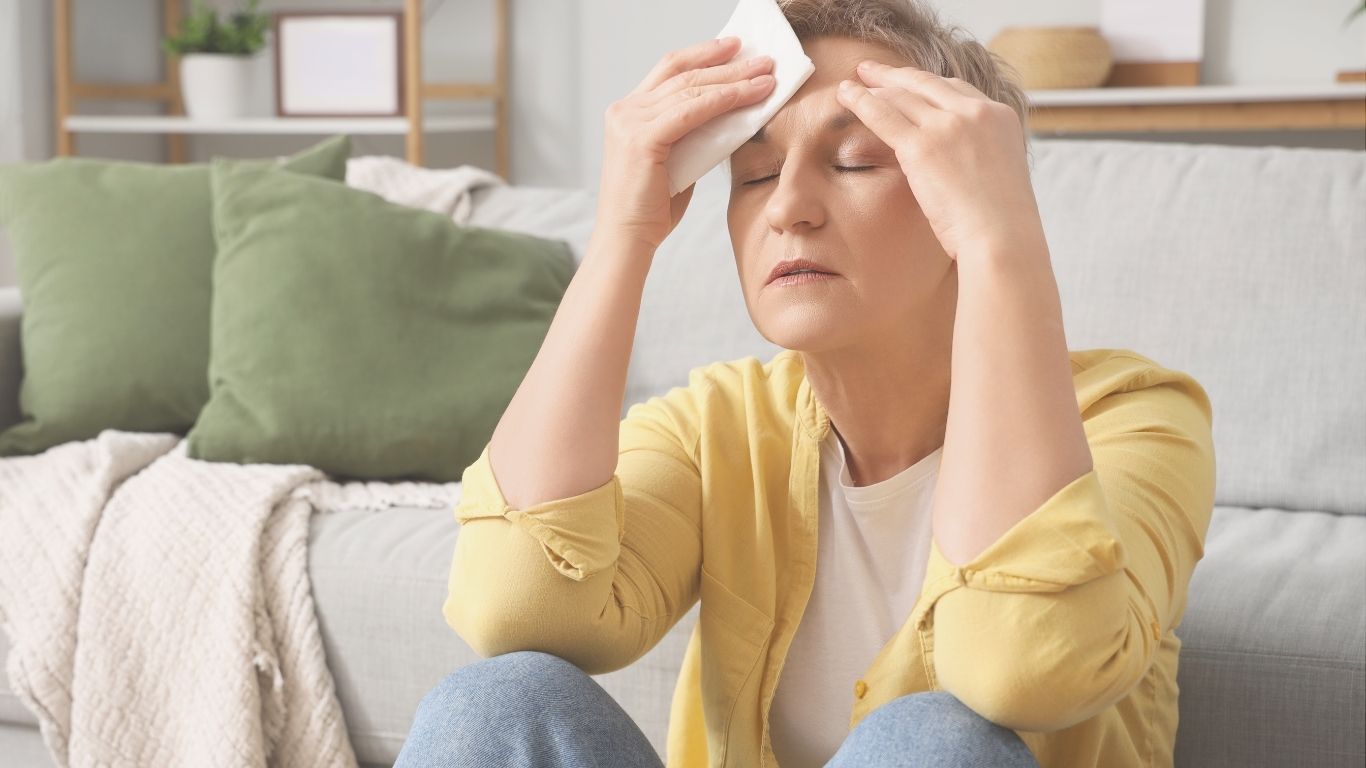
To describe a hot flash as a sudden feeling of heat is like describing a thunderstorm as a bit of rain. The experience is visceral, complex, and varies widely from person to person. Some individuals experience mild, fleeting warmth that passes unnoticed by others. For many, however, the hot flash is a full-body event with a distinct progression.
The prodrome, or warning phase, might involve a strange sense of pressure in the head, a feeling of anxiety, or heart palpitations. Then comes the main event: an intense, rising heat that typically begins in the chest, neck, or face and spreads like a wave to the rest of the body. The skin often reddens or flushes, particularly across the chest, neck, and cheeks. This is accompanied by profuse sweating as the body’s cooling system goes into overdrive. Some people report a feeling of suffocation, a racing heart, or a sensation of panic.
After a minute or five, the heat subsides, and the final phase begins: the chill. As the sweat evaporates, the body can suddenly feel cold and clammy, sometimes leading to shivering. This rapid temperature seesaw can leave a person feeling drained and irritable. While hot flashes can happen at any time, nocturnal flashes—often called night sweats—are particularly disruptive. Waking up drenched, having to change clothes and sheets, can lead to a vicious cycle of sleep deprivation and fatigue.
It is important to note that not all hot flashes are created equal. Some people experience “subclinical” flashes—measurable skin temperature increases that they do not consciously feel, yet these can still disturb sleep architecture. Others have “tropical” flashes, where the heat is overwhelming but without visible flushing. The common thread is the sudden, unpredictable onset, which can be profoundly unsettling.
The Internal Thermostat: Unpacking the Causes
For decades, hot flashes were simply dismissed as a hormonal inevitability of menopause. While hormones are central, the underlying mechanism is far more fascinating and involves the brain’s own temperature regulation center. The root cause lies in the hypothalamus, a tiny but mighty region of the brain that acts as the body’s thermostat. The hypothalamus constantly monitors blood temperature and initiates cooling or heating responses—sweating, shivering, changing blood flow to the skin—to keep us within a very narrow, stable range.
In a healthy, premenopausal body, estrogen helps the hypothalamus maintain this temperature set point with precision. As a person approaches menopause, estrogen levels begin to fluctuate wildly and eventually decline. This hormonal change does not just lower the set point; it destabilizes it. The thermostat becomes hypersensitive to even tiny, normal increases in core body temperature. A slight rise that would previously go unnoticed—from drinking a warm beverage, feeling a mild emotion, or even moving under the blankets—now triggers the hypothalamus to launch a full-scale emergency cooling response: a hot flash.
The true culprit is not just low estrogen, but the rate of change and the resulting instability in the brain’s neurotransmitters, particularly norepinephrine. As estrogen withdrawal occurs, the brain’s norepinephrine system becomes overactive. Norepinephrine is a stress hormone and neurotransmitter that can narrow or widen blood vessels. This overactivity causes the sudden, inappropriate vasodilation—the rapid widening of blood vessels near the skin’s surface—that produces the characteristic rush of heat and redness.
Several triggers are known to provoke the hypersensitive hypothalamus. These include:
-
Ambient heat: A warm room, hot weather, or a heavy blanket.
-
Spicy foods: Capsaicin, the compound that gives chili peppers their heat, can directly stimulate heat receptors.
-
Caffeine and alcohol: Both can alter blood flow and trigger the release of stress hormones.
-
Stress and anxiety: Emotional arousal activates the sympathetic nervous system, which can push the unstable thermostat over the edge.
-
Tight clothing: Anything that traps heat can be a trigger.
-
Smoking: Nicotine affects blood vessel tone and hormonal balance.
While menopause is the most common cause, hot flashes are not exclusive to this life stage. They can occur in men undergoing androgen deprivation therapy for prostate cancer, in people with thyroid disorders, in those with certain cancers or carcinoid syndrome, and as a side effect of some medications, including tamoxifen and opioids.
The Ripple Effects: Beyond Physical Discomfort
It would be a mistake to think of hot flashes as merely a physical nuisance. Their effects ripple outward into nearly every aspect of a person’s life. The most profound and well-documented impact is on sleep. Night sweats that occur multiple times per night prevent the brain from reaching and maintaining the deeper stages of restorative sleep, including slow-wave and REM sleep. Chronic sleep fragmentation leads to daytime fatigue, brain fog, irritability, and a higher risk of depression and anxiety.
The unpredictability of hot flashes creates a state of constant vigilance. A professional might dread an important meeting, worrying their face will suddenly flush and sweat will bead on their upper lip. A parent might avoid playing actively with their child. Social outings, theater performances, or even quiet dinners can become sources of anticipatory anxiety. This can lead to social withdrawal, decreased work performance, and a diminished sense of self-efficacy.
Furthermore, emerging research suggests a link between frequent or severe hot flashes and long-term cardiovascular risk. The same underlying vascular changes and autonomic nervous system dysregulation that cause hot flashes may also be associated with endothelial dysfunction (problems with the lining of blood vessels) and increased risk of high blood pressure and heart disease. While hot flashes themselves do not cause heart disease, they may serve as a marker for an underlying physiological state that warrants closer cardiovascular monitoring.
Prevention and Lifestyle Strategies
While you cannot always prevent hot flashes, you can certainly reduce their frequency and severity by taking control of the modifiable triggers. Prevention begins with recognizing your personal patterns. Keeping a simple diary for two weeks—noting the time of each flash, what you ate or drank recently, the room temperature, and your stress level—can reveal powerful insights.
Lifestyle strategies form the cornerstone of non-hormonal management.
-
Layer with purpose: Dress in lightweight, breathable, natural fibers like cotton, linen, or bamboo. Wear layers that can be easily removed and replaced. A portable fan—handheld, neck-worn, or desk-sized—can be a lifeline.
-
Cool your core: Research suggests that cooling the palms of the hands, the soles of the feet, and the face is highly efficient because these areas have specialized blood vessels (arteriovenous anastomoses) that help regulate core temperature. A cool washcloth on the wrists or back of the neck, or holding a cool water bottle, can abort or lessen a flash.
-
Mind your plate: Avoid known dietary triggers, especially late in the day. Spicy foods, hot soups, caffeine (coffee, tea, chocolate), and alcohol are common culprits. Instead, focus on whole foods, with an emphasis on phytoestrogen-rich options like flaxseeds, soy products (tofu, tempeh, edamame), and legumes. While evidence is mixed, many find these helpful.
-
Manage stress intentionally: Since stress activates the sympathetic nervous system, practices that calm it are invaluable. Regular exercise is paradoxical—it can trigger a flash during the workout but reduces overall frequency over time. Deep, slow, diaphragmatic breathing (six to eight breaths per minute) has been shown in studies to significantly reduce hot flash frequency, possibly by stabilizing the autonomic nervous system. Yoga, tai chi, and mindfulness meditation are also excellent.
-
Optimize your sleep environment: Use moisture-wicking sheets and pajamas. Keep the bedroom cool—around 65-68°F (18-20°C). Consider a cooling mattress pad or pillow. If a night sweat occurs, get up, change your clothes, and have a small glass of cool water before returning to bed.
Homeopathic Remedies for Hot Flashes
For those who prefer a non-pharmaceutical, individualized approach, homeopathy offers a nuanced option. Homeopathy is a system of medicine based on the principle of “like cures like”—a substance that causes symptoms in a healthy person can, in highly diluted form, stimulate the body to heal similar symptoms in a sick person. It is not a one-size-fits-all treatment; the remedy is chosen based on the person’s unique symptom picture, including the sensation, timing, triggers, and accompanying emotional state.
Below are several well-researched homeopathic remedies frequently indicated for hot flashes. Remember, these are highly diluted substances, and while generally safe, they are most effective when prescribed by a qualified homeopath who can match the remedy to the whole person. Self-prescribing for acute symptoms is possible, but chronic menopausal symptoms benefit from professional guidance.
Sepia: This is one of the most common remedies for menopausal women, especially those who feel overwhelmed, indifferent, or even irritable toward their loved ones (the classic “I don’t want to be bothered” feeling). The hot flashes of Sepia are often accompanied by a sense of bearing down in the pelvis, vaginal dryness, and a general worsening of symptoms in the afternoon and evening. The person feels better with vigorous exercise and worse from being still or in a stuffy room. They may have a particular craving for sour and spicy foods, which paradoxically can worsen their flashes.
Lachesis: This remedy is derived from the venom of the bushmaster snake and is suited to women who are talkative, jealous, and intense. Their hot flashes are characterized by a sensation of constriction—they cannot tolerate anything tight around the neck (no turtlenecks, no necklaces). The heat is often focused on the upper body, face, and chest, and is worse after sleeping or during sleep (making it excellent for night sweats). They feel worse from heat and warm applications and better from fresh, open air and from the release of any emotional or physical pressure.
Glonoinum (nitroglycerin): When the hot flash is explosive, violent, and accompanied by a pounding headache or intense throbbing in the temples, Glonoinum is often indicated. The person feels as if their head is going to burst, with a visible, red, flushed face and a pounding pulse. These flashes are frequently brought on by exposure to the sun, a warm room, or any form of heat. There is often a sensation of great heat in the head while the rest of the body may be cool. This remedy is particularly suited to sudden, surging flushes.
Amyl Nitrosum: This remedy is for hot flashes that come on with extreme suddenness, often triggered by emotional excitement, embarrassment, or a fright. The face and neck become a deep, purplish red, and there may be a sensation of the heart beating irregularly or violently. The person may feel as if they are suffocating. Unlike Glonoinum, the headache, if present, is more of a congestive, throbbing sensation that is better from cold applications and worse from any warmth.
Belladonna: When the hot flash is intense, sudden, and accompanied by fiery redness and a feeling of intense heat that radiates outward, Belladonna may help. The face is bright red, the eyes may be glistening, and the person can be hypersensitive to light, noise, or touch. The heat often starts in the face and spreads downward. This remedy is most suited to flashes that come on suddenly and are of short duration but very intense, often with a throbbing headache.
Pulsatilla: In contrast to the intensity of Lachesis or Belladonna, Pulsatilla is for mild, gentle, yielding individuals who are tearful and seek comfort. Their hot flashes are unpredictable and variable—sometimes they feel hot, other times chilly. They are worse in warm, stuffy rooms and feel much better in cool, open, fresh air. They often have a lack of thirst (even during a hot flash) and may crave fresh, cool foods like ice cream or fruit. This remedy is particularly helpful when emotional upsets trigger the flushes.
How to take homeopathic remedies: These remedies are typically available as small sugar pellets (globules) in 30C potency. A common approach for acute hot flashes is to take 3-5 pellets under the tongue when a flash begins, allowing them to dissolve. If the flash subsides quickly, no further dose may be needed. If flashes are frequent, one dose two to three times daily may be used for a few days. However, it is crucial to stop taking the remedy once improvement is seen; homeopathy works by stimulating a response, not by continuous dosing. If there is no change after a reasonable trial (e.g., a few weeks), a different remedy or professional guidance is needed. Coffee, strong mint (toothpaste, tea, mouthwash), and strong camphor can antidote the remedies and should be avoided within 20-30 minutes of taking them.
FAQs: Homeopathic Remedies for Hot Flashes
1. How do homeopathic remedies actually work for hot flashes? Do they contain hormones?
No, homeopathic remedies do not contain hormones, synthetic or otherwise. They work on a completely different principle. The idea is that a substance that can cause symptoms similar to a hot flash (like a sudden rush of heat, flushing, or sweating) in a healthy person can, when prepared homeopathically, stimulate your body’s own regulatory systems to stop those same symptoms. For hot flashes, the remedy essentially “reminds” your hypersensitive hypothalamus and nervous system to calm down and return to a stable temperature set point. It’s a form of biological communication, not hormone replacement.
2. I’ve seen Sepia, Lachesis, and Belladonna mentioned. How do I know which one is right for me?
This is the most important question, because homeopathy is deeply individual. You don’t choose a remedy for “hot flashes” in general; you choose it for your specific pattern of hot flashes.
-
Sepia is for the woman who feels irritable, indifferent, and overwhelmed. Her flashes often hit in the afternoon and come with a bearing-down pelvic sensation.
-
Lachesis is for intense, talkative individuals whose flashes are worse after or during sleep, and who cannot stand anything tight around the neck.
-
Belladonna is for sudden, explosive flashes with intense throbbing heat and a bright red face.
-
Glonoinum is for flashes with a violent, pounding headache, often triggered by sun or warmth.
Matching the remedy to your unique symptoms (timing, sensation, triggers, mood) is the key. If you’re unsure, a professional homeopath can take a full case history and select the single most fitting remedy.
3. Can I take a homeopathic remedy while I’m on prescription medication (like an antidepressant or blood pressure medicine)?
In almost all cases, yes, because homeopathic remedies are highly diluted and do not chemically interact with pharmaceutical drugs. They work on a different energetic level. However, you must tell all your healthcare providers—both your conventional doctor and your homeopath—about every medication and supplement you take. Also, never stop or reduce your prescribed medication without your doctor’s approval, even if you feel better from the homeopathic remedy. The two approaches can work beautifully side by side.
4. What potency should I buy for hot flashes? How often do I take it?
For self-care of acute, frequent hot flashes, a 30C potency is the most common and practical choice. You can find this at health food stores or online from reputable brands.
-
For a sudden flash: Place 3-5 pellets under your tongue and let them dissolve. If the flash subsides within a few minutes, that’s a good sign. You don’t need to repeat it for that episode.
-
For frequent flashes (e.g., several per day): Take a single dose (3-5 pellets) once or twice daily for up to 3-5 days. If you notice clear improvement, stop taking the remedy. If symptoms return later, you can take another dose. Homeopathy works best with minimal, infrequent dosing. Taking more does not work faster; it can actually confuse the response.
5. Are there any side effects or risks? Can I become dependent on them?
Homeopathic remedies prepared by regulated manufacturers are extremely safe. They are so diluted that they have no direct toxic or pharmacological side effects. You cannot become physically dependent on them, nor do they cause withdrawal symptoms.
However, there is a phenomenon called a “homeopathic aggravation”—a temporary, mild worsening of your symptoms right after taking the remedy. This is generally brief (a few hours) and is considered a positive sign that the remedy is stimulating a response. If it happens, stop the remedy, wait, and the symptoms should settle. If you feel consistently worse, the remedy may be incorrect for you. Otherwise, there is no risk of overdose or long-term harm.
6. How long should I try a remedy before deciding it doesn’t work?
Give a well-chosen remedy a fair trial. For hot flashes, take it as described (one to two doses daily) for 10 to 14 days. Keep a simple diary: note the number, intensity, and duration of your flashes before and during the remedy. If you see a clear reduction—say, half as many flashes or much milder ones—continue only as needed (e.g., one dose every few days). If there is zero change after two weeks, the remedy is likely not a match. At that point, either try a different remedy (based on your symptoms) or consult a homeopath for a more precise prescription.
7. Why do I have to avoid coffee, mint, and camphor?
This is a classic homeopathic guideline, though some modern homeopaths are less strict. The idea is that strong sensory stimuli—caffeine (coffee, black tea, energy drinks), strong mint (toothpaste, tea, mouthwash), and camphor (in some chest rubs, lip balms, and cleaning products)—can “antidote” or nullify the subtle energetic action of the remedy. To be safe, avoid these for 20-30 minutes before and after taking your remedy. You can enjoy your morning coffee, just wait half an hour. As for regular toothpaste, unless it’s intensely minty, most people find it fine. But strong peppermint tea or camphor-based ointments are best avoided near dosing time.
8. Can I take a homeopathic remedy for hot flashes if I’m pregnant or breastfeeding?
Hot flashes during pregnancy (especially in the first trimester) or postpartum are possible but less common. While homeopathic remedies are generally very safe, pregnancy is a time for extra caution. Always consult a qualified homeopath or your obstetrician before taking any remedy, even a gentle one. Some remedies, like Pulsatilla or Sepia, are considered safe in low potencies under professional guidance, but self-prescribing is not recommended during pregnancy or while nursing.
9. Will homeopathy work for severe night sweats that soak my sheets?
Yes, for many people, absolutely. In fact, some of the best homeopathic remedies (like Lachesis and Sulphur) have a strong affinity for nighttime worsening. The key is to be precise with your remedy selection. For night sweats that wake you drenched and cold, with restlessness and a need to uncover, Sulphur might be indicated. For night sweats with a feeling of constriction around the neck, Lachesis is a top choice. If you have severe, persistent night sweats that are not responding to lifestyle changes or homeopathy, do see a doctor to rule out other causes like infections, thyroid issues, or blood disorders.
10. Is homeopathy a replacement for hormone therapy (HT) or other medical treatments?
No, not at all. Homeopathy is a complementary approach. For some people with mild to moderate hot flashes, it may be enough on its own. For others with severe, debilitating flashes—especially those that cause significant sleep loss or emotional distress—hormone therapy or prescription non-hormonal medications (like low-dose venlafaxine or gabapentin) may be more effective and appropriate. There is no shame in using any of these options. The best plan is often an integrated one: use lifestyle measures (cooling, layering, avoiding triggers), add a homeopathic remedy that fits you, and keep your doctor informed so you can escalate to stronger treatments if needed. Your comfort and quality of life are what matter most.
Conclusion
Homeopathy is a complementary therapy, not a replacement for conventional medical care. While it can be profoundly effective, severe or extremely disruptive hot flashes—especially those accompanied by other concerning symptoms like heart palpitations that do not resolve, fainting, or severe mood changes—warrant a full medical evaluation.
The most powerful approach is often an integrated one. Combining smart lifestyle prevention, stress management, a cooling sleep environment, and a well-chosen homeopathic remedy can reduce both the frequency and the suffering associated with hot flashes. The goal is not merely to survive menopause, but to navigate it with grace, knowledge, and a sense of control over your own body. The hot flash may arrive unbidden, but how you respond—with cooling strategies, a soothing homeopathic pellet, or simply a deep, slow breath—is entirely your own. And that, in itself, is a quiet form of power.













4 thoughts on “Homeopathic Remedies for Hot Flashes”